
New Mexico, often referred to as the “Land of Enchantment,” captivates visitors with its dramatic landscapes, rich cultural tapestry, and a unique blend of Native American, Hispanic, and Anglo influences. While its sprawling deserts, majestic mountains, and vibrant artistic communities are well-known, understanding the state’s population dynamics offers a deeper insight into what makes New Mexico such a distinctive travel destination. Unlike many densely populated states, New Mexico’s relatively sparse population is not merely a statistic; it’s a foundational element that shapes its appeal, from the uncrowded tranquility of its national parks to the close-knit communities that preserve its unique heritage. For travelers seeking authentic experiences, vast open spaces, and a journey into rich history, the population of New Mexico is a key factor in defining the very essence of its charm and the lifestyle it offers.
Understanding New Mexico’s Demographics: A Snapshot
At the heart of appreciating New Mexico as a destination is grasping its demographic profile. The state, despite being the fifth-largest in the United States by area, maintains a population that allows for expansive wilderness, significant cultural preservation, and a slower pace of life that many visitors find refreshing. This balance between vastness and population density creates an environment where natural beauty remains largely untouched and cultural traditions thrive without being overwhelmed by urban sprawl.
The Latest Figures and Trends
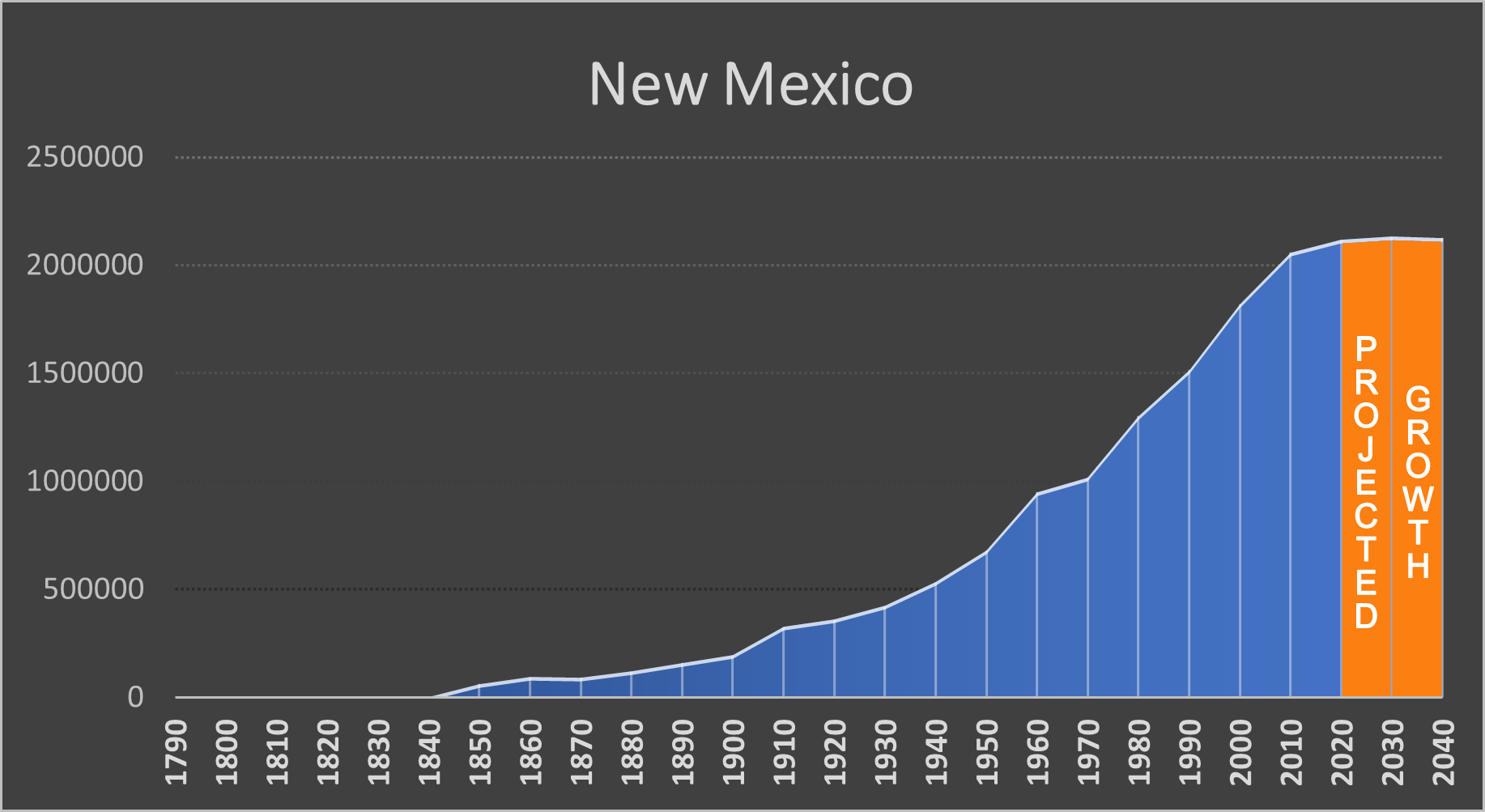
As of recent estimates, the population of New Mexico hovers around 2.1 million residents. This figure positions New Mexico among the less populated states, offering a stark contrast to the bustling metropolises found elsewhere in the country. This relatively modest population spread across a vast land area contributes significantly to its reputation as a haven for solitude seekers and outdoor enthusiasts. While there’s a steady, albeit moderate, growth trend, it remains largely managed, ensuring that the state’s natural resources and cultural sites are not overtaxed. This population characteristic directly influences the travel experience, allowing for more intimate encounters with nature and culture, where long queues and crowded attractions are less common. The emphasis here is on quality of experience over sheer volume, which aligns perfectly with the website’s focus on authentic travel and unique accommodations.
Diversity: A Rich Tapestry of Cultures
Perhaps more significant than the sheer numbers is the incredible cultural diversity that defines New Mexico’s population. It is one of the states with the highest percentage of Hispanic residents, and also home to 23 federally recognized Native American tribes, pueblos, and nations, including the Navajo Nation, the Pueblos (like Taos Pueblo), and the Apache tribes. This demographic richness is not just a statistical fact; it is the living heart of New Mexico’s tourism appeal.
The influence of these diverse cultures is palpable in every aspect of life – from the architecture of its cities, often featuring distinctive Pueblo Revival and Territorial styles, to its world-renowned cuisine, which fuses indigenous ingredients with Spanish colonial flavors. Festivals, art markets, and traditional ceremonies offer visitors a profound glimpse into centuries-old traditions. This cultural mosaic ensures that a trip to New Mexico is not just about sightseeing, but about experiencing a vibrant, living history. For those interested in local culture, food, and authentic activities, this population diversity provides an endless array of unique experiences that are difficult to find elsewhere. It allows for deeper engagement, transforming a simple vacation into an enriching journey of discovery.
Population Centers and Their Tourist Appeal
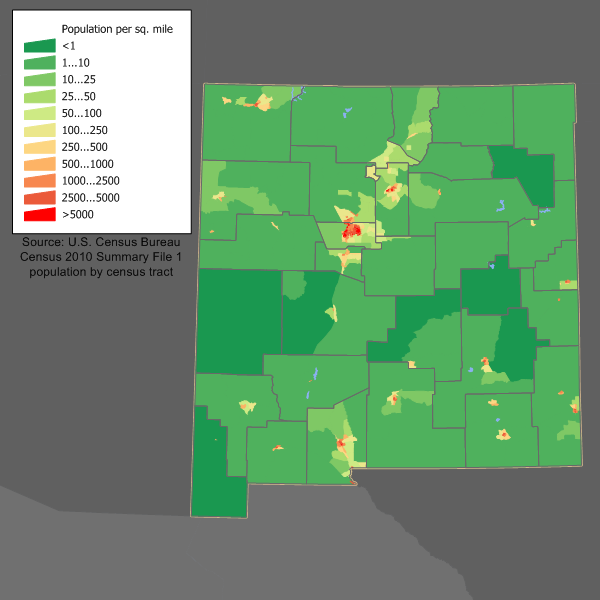
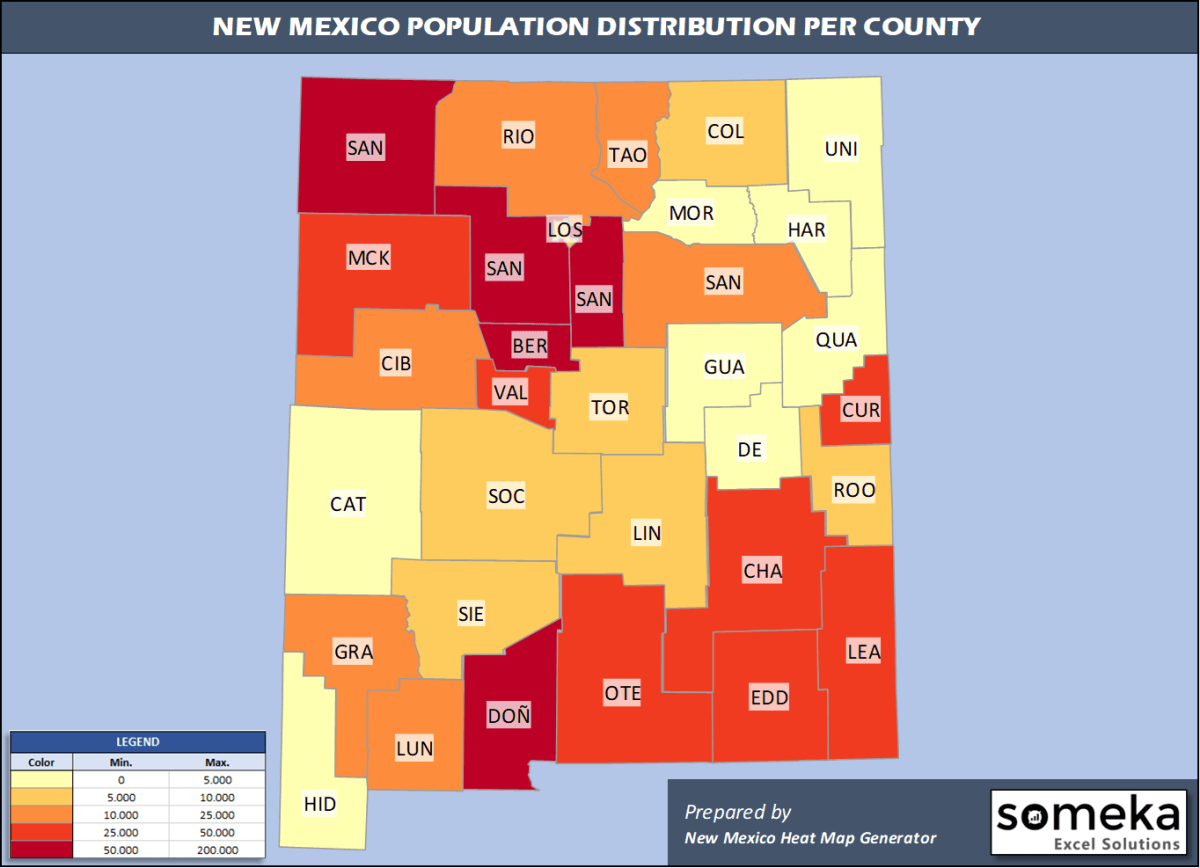
While New Mexico boasts vast expanses of sparsely populated land, its population is not uniformly distributed. Key urban centers serve as economic, cultural, and travel hubs, each offering a distinct flavor of the “Land of Enchantment” and catering to different types of travelers. Understanding where the majority of residents live helps to pinpoint the most vibrant areas for tourism, accommodation, and cultural immersion.
Albuquerque: The Urban Hub
Albuquerque, the state’s largest city, is home to over 560,000 residents, representing a significant portion of New Mexico’s total population. As the metropolitan heart of the state, Albuquerque is a dynamic blend of modern urban amenities and deep historical roots. Its population size supports a diverse economy, a bustling arts scene, and a wide array of hotels, from international chains to boutique hotels in its historic Old Town.
For travelers, Albuquerque serves as a gateway to the state, with the Albuquerque International Sunport facilitating easy access. The city’s population sustains attractions like the Indian Pueblo Cultural Center, the National Museum of Nuclear Science & History, and the annual Albuquerque International Balloon Fiesta, which draws hundreds of thousands of visitors each October. The concentration of people here also means a vibrant culinary scene, offering everything from traditional New Mexican fare to international fine dining. Accommodation options are plentiful, catering to various budgets and preferences, from large resorts to cozy guesthouses, making it an ideal base for exploring central New Mexico.
Santa Fe: A Cultural Epicenter
North of Albuquerque, with a population of just under 90,000, lies Santa Fe, the state capital and the oldest capital city in the United States. Despite its smaller size compared to Albuquerque, Santa Fe punches above its weight in terms of cultural significance and tourist appeal. Its population is notably diverse, attracting artists, writers, and spiritual seekers from around the globe, which in turn fuels its reputation as a world-class arts and culture destination.
The city’s unique charm is preserved by strict architectural guidelines, ensuring that its historic Plaza, adobe buildings, and narrow streets retain their colonial and Pueblo character. Visitors flock to Santa Fe for its countless art galleries, museums like the Georgia O’Keeffe Museum, and innovative attractions such as Meow Wolf. The city’s smaller, more concentrated population fosters a refined atmosphere, with an abundance of high-end hotels, luxury resorts like Four Seasons Resort Rancho Encantado, and charming bed and breakfasts that embody the local lifestyle. Its culinary scene is equally sophisticated, offering award-winning restaurants alongside traditional eateries. Santa Fe exemplifies how a distinct population demographic can create a highly curated and memorable travel experience, emphasizing local culture and upscale accommodation.
Beyond the Major Metros: Rural Charm
Outside of Albuquerque and Santa Fe, New Mexico’s population is much more dispersed, creating opportunities for travelers to experience authentic rural charm and vast natural beauty. Cities like Las Cruces (population around 110,000) offer a gateway to the southern part of the state and the Mesilla Valley, known for its agriculture and proximity to White Sands National Park. Smaller towns such as Taos, Silver City, and Ruidoso, each with populations well under 30,000, maintain distinct identities tied to their historical roots, artistic communities, or outdoor recreation opportunities.
These smaller population centers often provide unique accommodation experiences, from historic inns and artist retreats to cabins nestled in the mountains. They allow visitors to slow down, engage with local communities on a more personal level, and access unparalleled natural landmarks like the Gila National Forest or the ski slopes near Taos Ski Valley. The sparse population in these regions means less commercialization and a more genuine immersion into the New Mexican lifestyle, perfect for those seeking quiet reflection, adventure, or a deeper connection with the land and its people.
The Population’s Influence on New Mexico’s Travel Landscape
The demographic makeup of New Mexico is not merely a statistical detail; it profoundly shapes the entire travel landscape, influencing everything from the availability of attractions to the type of accommodation travelers can expect. This direct correlation makes New Mexico a prime example of how population figures can define a destination’s unique appeal, aligning perfectly with the travel, tourism, and lifestyle categories of our website.
Uncrowded Wonders: Exploring Nature and Outdoor Adventures
One of the most immediate benefits of New Mexico’s relatively low population density is the abundance of uncrowded natural spaces. With vast areas dedicated to national parks, national forests, and wilderness areas, visitors can often explore stunning landscapes without the throngs of tourists found in more densely populated regions. Landmarks like White Sands National Park, where shimmering gypsum dunes stretch to the horizon, or Carlsbad Caverns National Park, a subterranean wonderland, offer experiences that feel both grand and intimately personal due to fewer crowds.
This environment fosters a thriving outdoor adventure scene. The Rio Grande offers rafting and fishing, while the numerous mountain ranges provide exceptional hiking, biking, and skiing opportunities. The sparse population minimizes light pollution, making New Mexico an excellent destination for stargazing. For travelers who value tranquility, preservation, and direct engagement with nature, the state’s population distribution is a significant draw, allowing for a genuine “escape” from urban life and a focus on the natural environment.
Authentic Encounters: Embracing Local Culture and Cuisine
The cultural richness of New Mexico’s population, especially its strong Native American and Hispanic roots, guarantees an authentic cultural tourism experience. Unlike destinations where culture is often commodified for tourists, New Mexico’s cultural heritage is a living, breathing part of daily life. Travelers can visit active Pueblos like Taos Pueblo, a UNESCO World Heritage Site that has been continuously inhabited for over 1,000 years, and respectfully learn about ancient traditions directly from tribal members.
The local cuisine is another direct reflection of the population’s heritage. The iconic red and green chile, a staple of New Mexican cooking, is more than just an ingredient; it’s a cultural symbol. Dining in New Mexico means savoring dishes developed over centuries, often in family-run restaurants that embody the warmth and hospitality of the local population. Food tours, cooking classes, and visits to local markets offer immersive experiences that go beyond mere sightseeing, allowing travelers to truly taste and feel the local lifestyle. This emphasis on authentic cultural engagement makes New Mexico a profound destination for those seeking to connect deeply with the places they visit.
Accommodation Trends: From Boutique Stays to Desert Retreats
The population dynamics also influence the accommodation landscape. While major cities like Albuquerque and Santa Fe offer a full spectrum of hotels, from budget-friendly options to luxury resorts, the state’s overall lower population density encourages more unique and specialized forms of accommodation. Boutique hotels, often housed in historic adobe buildings, are prevalent in cultural centers, offering personalized service and a deep sense of place.
In more rural and scenic areas, the emphasis shifts to secluded resorts, eco-lodges, and long-term stay options that capitalize on the natural environment and tranquility. Think glamping experiences under the stars, cabins nestled in the Sangre de Cristo Mountains, or charming casitas on working ranches. These types of accommodations are not just places to sleep; they are integral parts of the travel experience, allowing visitors to fully immerse themselves in the New Mexican lifestyle and enjoy the peace and quiet that a low population density affords. The absence of overwhelming commercial development in many areas ensures that accommodation options remain authentic and often locally owned, contributing to a more sustainable tourism model.
Sustaining the Enchantment: Population Growth and Responsible Tourism
As New Mexico continues to gain recognition as a desirable place to live and visit, understanding its population growth trends and their management becomes crucial for sustaining its unique appeal. The goal is to balance economic development and increased tourism with the preservation of the very qualities that draw people to the state – its untouched natural beauty, vibrant cultural heritage, and a relaxed lifestyle.
Balancing Growth with Preservation
While New Mexico experiences moderate population growth, particularly in its urban corridors, there is a conscious effort to manage this expansion responsibly. State and local initiatives often prioritize sustainable development that respects the environment and cultural integrity. This means focusing on smart growth in existing communities rather than uncontrolled sprawl, preserving dark skies, protecting water resources, and supporting local businesses that embody the New Mexican spirit.
For tourism, this translates into an emphasis on responsible travel practices. Visitors are encouraged to respect tribal lands, practice Leave No Trace principles in natural areas, and engage with local communities in a meaningful way. This proactive approach ensures that as more people discover the “Land of Enchantment,” its core attributes remain intact for future generations of residents and travelers. It underscores the idea that a sustainable lifestyle and mindful tourism are intertwined, especially in a state where the population’s relationship with the land is so profound.
The Future of Travel in the Land of Enchantment
Looking ahead, the population of New Mexico will continue to be a defining factor in its travel narrative. The state is poised to attract those seeking an escape from overcrowded destinations, offering a haven where authenticity, nature, and cultural immersion take precedence. As global travel trends lean towards more meaningful and sustainable experiences, New Mexico’s population profile – diverse, spread out, and deeply connected to its heritage – positions it as an ideal destination.
The future will likely see continued development of unique accommodation options, from wellness resorts catering to mindful travelers to eco-friendly stays that blend seamlessly with the landscape. Cultural tourism will remain a cornerstone, with opportunities for deeper engagement with Native American and Hispanic communities. The low population density will ensure that its vast natural landmarks, from the Chaco Culture National Historical Park to the Organ Mountains-Desert Peaks National Monument, remain accessible and pristine. New Mexico’s population is not just a number; it’s a testament to a unique way of life and a promise of extraordinary experiences for every traveler.
In conclusion, the population of New Mexico is far more than a simple count of its residents. It is an intrinsic element that shapes its identity, dictates its travel appeal, and fosters a lifestyle that is both captivating and profoundly enriching. From the unhurried pace of life to the preservation of vast natural wonders and the vibrant tapestry of its cultures, New Mexico’s population profile makes it an unparalleled destination for those seeking adventure, cultural depth, and an authentic journey into the heart of the American Southwest.
LifeOutOfTheBox is a participant in the Amazon Services LLC Associates Program, an affiliate advertising program designed to provide a means for sites to earn advertising fees by advertising and linking to Amazon.com. Amazon, the Amazon logo, AmazonSupply, and the AmazonSupply logo are trademarks of Amazon.com, Inc. or its affiliates. As an Amazon Associate we earn affiliate commissions from qualifying purchases.