
New York State, a vibrant and diverse entity in the northeastern United States, is far more than just its iconic namesake city. It’s a dynamic tapestry woven from bustling urban centers, tranquil rural landscapes, historic towns, and breathtaking natural wonders. For travelers, hoteliers, and anyone interested in the intricacies of modern living, understanding the population of New York State is fundamental. It reveals not only the sheer scale of human presence but also the demographic forces shaping its culture, economy, travel trends, and accommodation demands. From the density of Manhattan to the serene expanses of the Adirondack Mountains, the distribution and characteristics of New York’s residents dictate everything from the availability of luxury suites to the popularity of local food festivals.

Understanding New York State’s Population: The Basics
At the heart of any discussion about a region’s identity lies its population data. For New York State, these figures paint a picture of enduring appeal, diverse communities, and significant influence.
The Latest Population Figures
As of recent estimates (typically derived from U.S. Census Bureau data, often updated annually), the population of New York State hovers around 19.5 million people. This makes it one of the most populous states in the nation, consistently ranking among the top five. While the state has experienced some fluctuations, particularly with migration patterns influencing different regions, its overall population size remains substantial, driving its economic, cultural, and political clout.
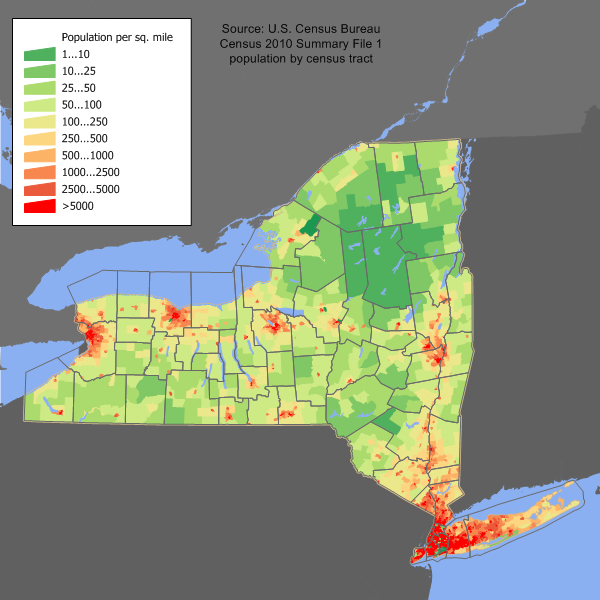
A closer look reveals distinct patterns: a massive concentration in the downstate metropolitan area, particularly New York City, and a more dispersed, albeit still significant, population across Upstate New York. This dual nature is crucial for understanding the diverse travel experiences and accommodation needs throughout the state. Travelers planning a trip need to consider these figures when anticipating crowds, seeking specific experiences, or budgeting for accommodations, as high-density areas often translate to higher demand and pricing for hotels and resorts.
A Glimpse into Demographics
Beyond sheer numbers, the demographic composition of New York State is remarkably rich and varied. It’s a melting pot of cultures, ethnicities, and socio-economic backgrounds, particularly evident in New York City, which boasts a global population reflective of nearly every nation.
Key demographic characteristics include:
- Diversity: New York State is renowned for its multiculturalism. New York City alone is home to hundreds of languages and ethnic enclaves, contributing to an unparalleled array of cultural experiences, from authentic international cuisine to vibrant cultural festivals. This diversity is a major draw for tourism, offering visitors a chance to explore a microcosm of the world without leaving the state.
- Age Distribution: The state exhibits a mix of age groups. While urban centers attract a younger, professional demographic, many suburban and rural areas have a significant proportion of families and retirees. This influences lifestyle trends, leisure activities, and the types of services and accommodations required, whether it’s family-friendly resorts or senior living communities.
- Income Levels: There’s a wide spectrum of income levels, from high-net-worth individuals residing in exclusive Manhattan apartments to working-class communities across the state. This diversity impacts the demand for different types of travel and accommodation options, supporting both luxury travel and budget-friendly stays.
Understanding these demographics is not just an academic exercise; it’s a practical tool for anyone navigating the state. For instance, a hotelier might tailor amenities to cater to the predominant age group in a specific location, while a tour operator might design experiences that resonate with the cultural interests of a particular community.
Population Dynamics and Their Impact on Travel & Tourism
The ebb and flow of New York’s population have a profound and direct impact on its travel and tourism industry. From the types of attractions that thrive to the seasonal variations in visitor numbers, population dynamics are a key influencer.
Urban Density vs. Rural Retreats: Diverse Experiences
The stark contrast in population density between New York City and Upstate New York creates a diverse menu of travel experiences.
- Urban Hustle: New York City, with a population exceeding 8.5 million residents across its five boroughs (Manhattan, Brooklyn, Queens, the Bronx, and Staten Island), is a global magnet. This immense population density fuels a relentless energy, driving the demand for world-class attractions like Times Square, Broadway shows, iconic landmarks such as the Empire State Building and the Statue of Liberty, and an unparalleled dining scene. The high population ensures a constant flow of both residents and tourists engaging with these destinations, contributing to their vibrant atmosphere and economic sustainability.
- Rural Serenity: Outside New York City, the population density drops significantly, giving way to vast natural beauty and charming small towns. Regions like the Finger Lakes with its wine country, the majestic Catskill Mountains and Adirondack Park offering hiking and winter sports, or the scenic Hudson Valley with its historic estates and farm-to-table cuisine, cater to those seeking a slower pace. The relatively sparse population here allows for a different kind of tourism – one focused on nature, outdoor activities, and peaceful retreats. This also means that boutique hotels and vacation rentals might be more prevalent than large hotel chains.
Travelers can strategically choose their New York adventure based on whether they crave the anonymity and endless options of a megalopolis or the tranquility and personalized service of a less populated region.
How Demographics Shape Local Culture and Cuisine
The diverse population directly shapes New York’s acclaimed cultural and culinary landscapes. Each ethnic group contributes traditions, flavors, and art forms, making the state a hub of innovation and fusion.

- Culinary Hotspot: From the street food vendors of Queens offering authentic global dishes to the Michelin-starred restaurants of Manhattan and the thriving craft beverage scene in the Finger Lakes, New York’s food culture is a direct reflection of its diverse inhabitants. Tourists can embark on culinary journeys through neighborhoods, sampling everything from Chinese dim sum in Flushing to Italian pasta in the Bronx’s Arthur Avenue. This draws foodies from around the globe, making food tourism a significant part of the state’s appeal.
- Arts and Entertainment: The large, diverse population also supports a thriving arts and entertainment industry beyond Broadway. Independent theaters, live music venues, art galleries like the Metropolitan Museum of Art and MoMA, and public art installations flourish, sustained by both local audiences and tourist dollars. The availability of such a wide range of cultural activities is a key factor for many choosing New York as a destination.
Accommodation and Lifestyle: Catering to New York’s Diverse Inhabitants
The housing and lifestyle choices of New York’s population are intimately linked to the state’s overall appeal and its capacity to host visitors. The sheer number of residents, coupled with their varying preferences, dictates the landscape of accommodation options and influences lifestyle trends that often spill over into the tourism sector.
Meeting Accommodation Demands Across the State
The substantial population of New York State creates a constant, high demand for various types of living and temporary accommodation solutions. This directly impacts the hospitality sector, from hotels and resorts to short-term rentals and long-term stays.
- Urban Hotel Market: In New York City, the density of residents and a constant influx of business travelers and tourists drive an incredibly competitive and diverse hotel market. You can find everything from ultra-luxurious boutique hotels in Midtown Manhattan, like The Plaza or The St. Regis New York, to budget-friendly accommodations in Brooklyn or Queens. The demand from the local population for “staycations,” special event bookings, and hosting visiting friends and family also bolsters this market.
- Upstate Retreats and Resorts: In less populated areas, the accommodation landscape shifts. Upstate New York offers charming bed and breakfasts, secluded cabins in the Catskills or Adirondacks, and resorts catering to specific interests like ski holidays in Lake Placid or spa getaways in Saratoga Springs. These options cater to both residents seeking weekend escapes and tourists exploring the state’s natural beauty. The growth of remote work also means an increased interest in long-term stays or apartment rentals in scenic upstate towns.
- Booking and Reviews: With such a large and diverse population, online booking platforms and review sites are crucial tools for both residents and visitors. The sheer volume of transactions means a wealth of reviews are available, allowing for detailed comparison and informed decisions when selecting a place to stay.
Lifestyle Trends Influencing Travel Choices
The unique lifestyle trends of New York’s population deeply influence the types of travel and tourism that flourish within the state.
- Business Stays and Luxury Travel: New York City’s status as a global financial and cultural capital means a significant demand for business travel and associated luxury accommodations. Wall Street, corporate headquarters, and international events draw a constant stream of high-end visitors.
- Family Trips and Budget Travel: As many New Yorkers raise families or seek more affordable getaways, the demand for family-friendly attractions and budget travel options is also strong. This includes campsites, state parks, and attractions geared towards children, especially outside the main urban hubs.
- Wellness and Experiential Travel: A growing trend among New York’s population is the pursuit of wellness and authentic experiential travel. This translates into increased popularity for yoga retreats in the Hudson Valley, farm-to-table culinary tours, outdoor adventure guides in the Thousand Islands, and cultural immersion programs. The diverse population ensures a market for niche interests and specialized experiences.
Key Population Hubs and Their Allure
While New York State as a whole is populous, its residents are far from evenly distributed. Concentrated hubs exert immense influence over the state’s character and serve as primary magnets for visitors.
New York City: The Epicenter of Global Attraction
The undisputed heart of New York State’s population is New York City. Home to over 40% of the state’s total population, it stands as a global metropolis and a primary destination for international tourism.
- Massive Scale: The sheer number of people living and working in New York City creates an unparalleled urban ecosystem. This density supports an unimaginable array of attractions, from world-class museums like the Guggenheim Museum and the Whitney Museum of American Art to iconic structures such as the Brooklyn Bridge and One World Trade Center.
- Economic Engine: The population concentration in NYC fuels its role as a global economic powerhouse, attracting business travelers for conferences, meetings, and trade shows. This, in turn, drives demand for extensive hotel offerings, from convention centers to boutique stays.
- Cultural Nexus: The diverse population of New York City makes it a perpetual hub of culture and innovation. Central Park serves as its green lung, while countless neighborhoods offer unique cultural immersion opportunities, drawing millions of visitors seeking authentic New York experiences.
Upstate New York’s Growing Charms
Beyond NYC, several upstate cities and regions serve as significant population centers, each with its distinct character and appeal to both residents and tourists.
- Buffalo: As the second-largest city in the state, Buffalo boasts a resilient population, a rich history, and a vibrant cultural revival. Its proximity to Niagara Falls makes it a gateway for many tourists visiting one of the world’s most famous natural landmarks at Niagara Falls State Park. The city itself offers impressive architecture, a burgeoning food scene, and a strong sense of community, reflected in its local attractions and events.
- Rochester: Known for its innovation and educational institutions, Rochester’s population supports a thriving arts scene, numerous festivals, and a strong sense of local pride. It attracts visitors interested in its history, particularly in photography and abolitionism, and its beautiful parks and gardens.
- Albany: As the state capital, Albany’s population is closely tied to state government and related industries. Its historic architecture, including the impressive New York State Capitol Building, attracts visitors interested in history and politics. It also serves as a convenient base for exploring the Hudson Valley and Capital Region.
- Syracuse: A central upstate hub, Syracuse’s population benefits from major universities like Syracuse University and a significant medical presence. It’s a regional center for shopping, sports, and cultural events, making it a functional and engaging destination for both residents and visitors passing through.
- Regional Draws: Other areas like Long Island (known for its beaches and wine country), the Finger Lakes (wine, waterfalls, and Cornell University), and the Adirondack Park (wilderness and outdoor sports like those found near Lake Placid) are distinct population clusters with unique draws. These regions showcase how smaller, specialized populations can sustain niche tourism sectors, offering everything from luxury shopping at Woodbury Common Premium Outlets to tranquil lakefront resorts.
Future Projections and Sustaining New York’s Appeal
Looking ahead, New York State’s population is expected to continue evolving, influenced by factors such as birth rates, mortality rates, and both domestic and international migration. These shifts will inevitably impact the state’s infrastructure, housing market, and, critically, its travel and tourism sectors.
- Adapting to Demographic Shifts: As the population ages in some regions or diversifies further in others, the tourism industry must adapt. This could mean more accessible attractions, diverse culinary offerings to cater to changing tastes, and accommodation options that meet varying needs, from extended stay hotels for remote workers to family-centric resorts.
- Sustainable Tourism: With a large and impactful population, concerns about sustainable tourism and managing visitor flow become paramount, especially in ecologically sensitive areas like the Adirondacks or highly congested urban spots. Promoting off-season travel and exploring lesser-known destinations can help distribute the impact of tourism more evenly.
- Leveraging Diversity: New York’s greatest strength remains its incredible demographic diversity. Continuing to embrace and showcase the various cultures, histories, and natural beauties sustained by its multifaceted population will ensure its enduring appeal as a premier destination for travelers seeking unparalleled experiences, whether in a buzzing urban core or a peaceful rural retreat.
In conclusion, the population of New York State is not merely a statistic; it’s the living, breathing force that shapes its identity, drives its economy, and creates the rich tapestry of travel, tourism, accommodation, and lifestyle experiences that define it. Understanding these numbers and the stories behind them is essential for anyone looking to truly appreciate or engage with the Empire State.
LifeOutOfTheBox is a participant in the Amazon Services LLC Associates Program, an affiliate advertising program designed to provide a means for sites to earn advertising fees by advertising and linking to Amazon.com. Amazon, the Amazon logo, AmazonSupply, and the AmazonSupply logo are trademarks of Amazon.com, Inc. or its affiliates. As an Amazon Associate we earn affiliate commissions from qualifying purchases.