
When one ponders the vast expanse of the United States, certain states conjure images of bustling metropolises, others of sun-drenched beaches, and still others of towering mountain ranges. Then there’s North Dakota, a state often characterized by its sweeping prairies, resilient spirit, and, notably, its relatively sparse population. Far from being a drawback, this unique demographic profile shapes every facet of the state, from its untouched natural beauty and tranquil travel experiences to its distinct local culture and array of accommodation options. Understanding the population of North Dakota isn’t just about numbers; it’s about grasping the very essence of what makes this Great Plains state a compelling destination for travelers seeking authenticity, open spaces, and a deep connection with nature and history.
Unveiling North Dakota’s Population Snapshot
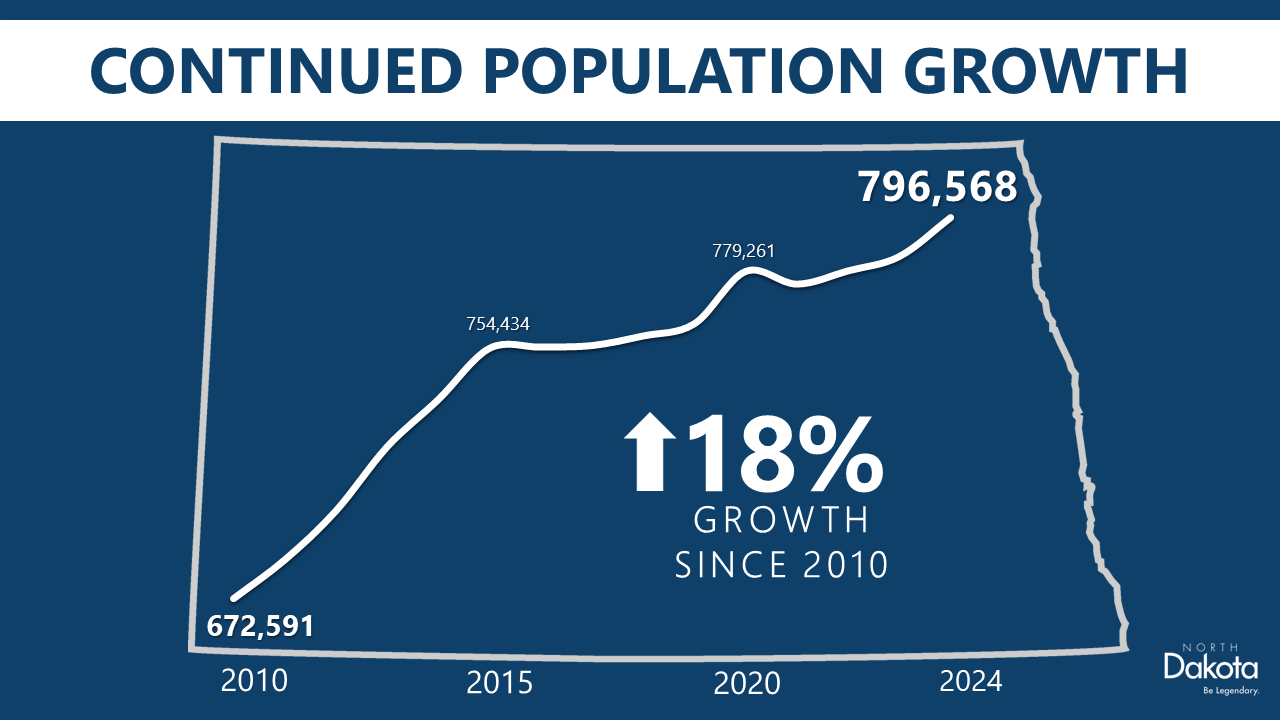
The population figures for North Dakota tell a story of ebb and flow, deeply intertwined with agricultural prosperity, resource booms, and the enduring appeal of a quieter way of life. For many, the image of North Dakota is one of endless fields and wide-open skies, a perception largely accurate and directly attributable to its modest number of residents.
The Latest Figures and Historical Trajectories
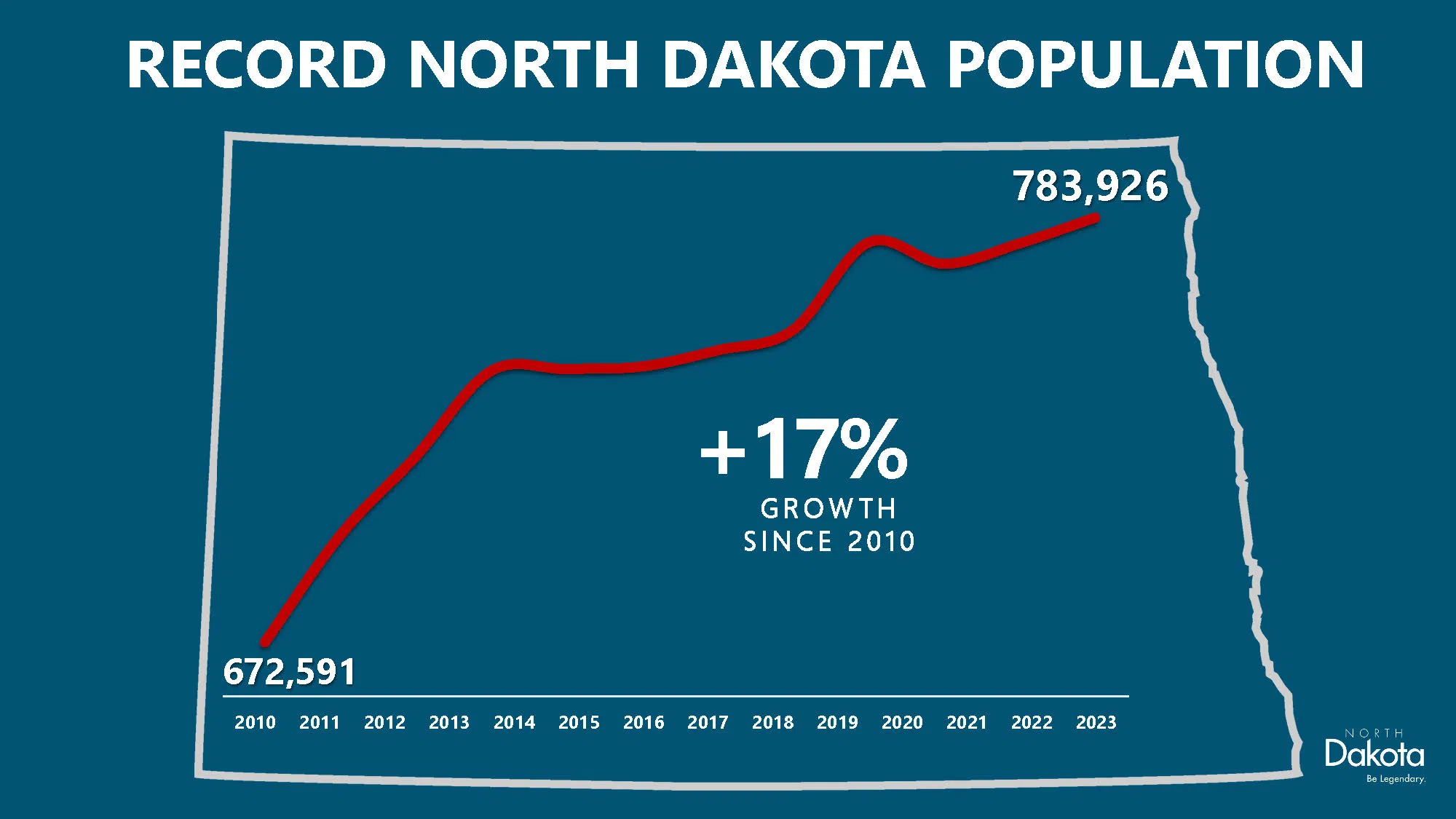
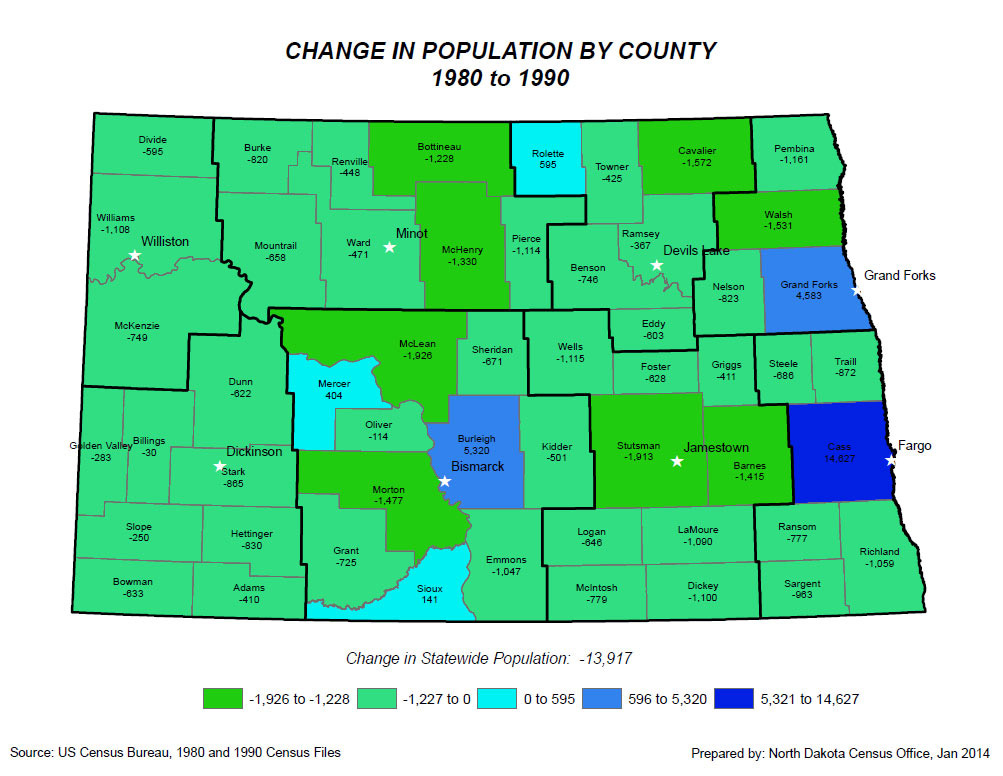
As of recent estimates, the population of North Dakota hovers around 780,000 to 790,000 residents. While this number places it among the least populous states in the nation, it represents a significant chapter in its demographic history. Throughout the 20th century, North Dakota’s population saw periods of decline, particularly as agricultural practices modernized and younger generations migrated to more urbanized areas for economic opportunities. However, the early 21st century brought a remarkable reversal of this trend, largely fueled by the discovery and subsequent boom of oil and gas in the western part of the state, particularly in the Bakken Formation. This economic surge attracted a new wave of residents, creating a dynamic shift in local economies and infusing new life into communities that had previously seen decades of outward migration. Cities like Williston experienced exponential growth, transforming from sleepy agricultural towns into bustling energy hubs. This recent growth underscores the resilience and adaptability of the state, demonstrating its capacity to attract and sustain a population even in the face of its traditional challenges. The current population reflects a diverse mix, from long-established farming families to newcomers drawn by economic prospects, all contributing to the unique cultural tapestry of the state.
Population Density: A Defining Characteristic
Perhaps more telling than the absolute number is North Dakota’s population density. With approximately 11 people per square mile, it stands as one of the most sparsely populated states in the United States. To put this into perspective, compare it to the national average of around 90 people per square mile, or densely populated states like New Jersey with over 1,200 people per square mile. This low density isn’t just a statistical anomaly; it’s a fundamental aspect of the North Dakota experience. For residents, it translates to less traffic, a strong sense of community, and an abundance of natural resources at their fingertips. For travelers, it means uncrowded scenic routes, pristine natural landscapes, and the rare opportunity to find true solitude. The vast stretches of undeveloped land provide critical habitats for wildlife, making it a haven for nature enthusiasts, bird watchers, and photographers. This low population density is the canvas upon which North Dakota’s unique travel appeal is painted, offering an escape from the hustle and bustle that defines so much of modern life. It promises a sense of tranquility and an intimate connection with the environment that is increasingly difficult to find elsewhere.
The Allure of Open Spaces: Population’s Influence on Tourism and Travel
The relatively low population of North Dakota isn’t a barrier to tourism; it’s arguably its greatest asset. The vast open spaces and uncrowded attractions offer a profoundly different experience from more congested destinations, appealing to a niche of travelers seeking peace, nature, and genuine cultural immersion.
Embracing Solitude: A Unique Travel Experience
For visitors, the low population density of North Dakota translates into an unparalleled opportunity for solitude and introspection. Imagine driving for miles on well-maintained roads without encountering another car, or hiking through breathtaking landscapes where the only sounds are the wind and the calls of native wildlife. This is the norm in much of North Dakota, particularly in its magnificent western regions. Theodore Roosevelt National Park, a crown jewel of the state, epitomizes this experience. Here, the dramatic Badlands stretch as far as the eye can see, offering endless trails for hiking, opportunities to spot bison, wild horses, and prairie dogs, all without the throngs of tourists often found in other national parks. The absence of light pollution creates spectacular stargazing opportunities, transforming the night sky into a dazzling display of celestial wonders. Similarly, the International Peace Garden, straddling the border between the United States and Canada, offers a sprawling sanctuary of meticulously maintained flora, where visitors can reflect in serene surroundings without feeling overwhelmed by crowds. This emphasis on unhurried exploration and deep connection with nature is a hallmark of the North Dakota travel experience, making it an ideal destination for those looking to disconnect from urban stresses and reconnect with themselves and the natural world.
Major Urban Hubs: Pockets of Vibrancy
While much of North Dakota revels in its rural charm, the state also boasts several vibrant urban centers that serve as economic and cultural anchors. These cities, though smaller than metropolitan areas in other states, offer a concentrated dose of culture, dining, and entertainment, acting as essential gateways for travelers.
- Fargo: As the largest city in North Dakota, Fargo is a dynamic hub situated in the fertile Red River Valley. It’s a progressive city known for its burgeoning arts scene, a lively downtown with unique boutiques and restaurants, and a robust technology sector. Visitors can explore the Fargo Air Museum, catch a show at the historic Fargo Theatre (another proper noun to be linked only once – assuming this is the full name of the theatre), or stroll through the campus of North Dakota State University. Its relatively youthful population contributes to a vibrant nightlife and a strong sense of community engagement.
- Bismarck: The state capital, Bismarck, offers a blend of history, government, and recreation, nestled along the scenic Missouri River. It’s home to the impressive North Dakota Heritage Center & State Museum, offering deep dives into the state’s past, from its geological formation to Native American cultures and pioneer life. The majestic North Dakota State Capitol building is a striking architectural landmark. Bismarck provides a comfortable base for exploring the central part of the state.
- Grand Forks: Located on the eastern border with Minnesota, Grand Forks is a university town (home to the University of North Dakota) with a lively atmosphere. Its downtown area has undergone significant revitalization, featuring riverside parks, unique eateries, and cultural venues. It’s a great spot for outdoor activities along the Red River and offers a friendly, welcoming environment.
- Minot: Known as the “Magic City,” Minot is a gateway to the state’s western oil fields and serves as a regional hub for commerce and culture. It hosts the annual Norsk Høstfest, the largest North American Scandinavian festival, celebrating the region’s strong heritage. Minot also offers family-friendly attractions like the Roosevelt Park Zoo and the Dakota Territory Air Museum.
These urban centers, while relatively small by national standards, are vital for providing amenities, services, and cultural experiences that complement the vast natural attractions of North Dakota. They offer a balance, allowing visitors to experience both the solitude of the prairies and the vibrancy of community life.
Navigating North Dakota’s Accommodation and Lifestyle Scene
The low population density of North Dakota directly influences its accommodation landscape and the lifestyle visitors can expect. Travelers have a range of choices, from familiar hotel brands in urban areas to unique, locally-owned establishments that reflect the state’s character.
From Urban Comforts to Rural Retreats: Diverse Accommodation Options
When it comes to accommodation in North Dakota, the options are as varied as its landscapes, designed to cater to different travel styles and preferences. In the major cities like Fargo, Bismarck, Grand Forks, and Minot, visitors will find a good selection of modern hotels offering convenience and amenities. You can choose from well-known chains such as Radisson Blu, Hilton Garden Inn, and Holiday Inn Express, which provide consistent quality and service, perfect for business travelers or those seeking familiar comforts. Many of these hotels offer suites, making them suitable for families or longer stays.
Beyond the urban centers, the accommodation experience shifts dramatically, embracing the rural charm and open spaces. Quaint local inns and charming bed & breakfasts dot smaller towns like Medora, offering a more personalized and intimate stay. For those looking to truly immerse themselves in the Rough Rider State’s natural beauty, options like cabins near Lake Sakakawea or vacation rentals adjacent to Theodore Roosevelt National Park provide unparalleled access to outdoor activities. Ranch stays offer a unique lifestyle experience, allowing guests to participate in daily ranch life or simply enjoy the tranquility of the countryside. For longer visits or group travel, furnished apartments and villas in larger towns provide a home-away-from-home feel, complete with kitchens and ample living space. Whether you’re planning a luxury retreat in a high-end resort or a budget-friendly family trip exploring the wilderness, North Dakota’s accommodation scene is surprisingly robust and tailored to the state’s unique character. Booking in advance, especially during peak season or local festivals, is always recommended to secure the best options.
A Glimpse into the Local Lifestyle and Cultural Fabric
The lifestyle in North Dakota is deeply influenced by its agricultural roots, strong community bonds, and the ever-present connection to the land. It’s a place where Midwestern hospitality is not just a cliché but a way of life, with friendly locals eager to share their appreciation for their home. The pace of life is generally slower than in more populated regions, encouraging a focus on quality of life and outdoor pursuits. Hunting, fishing, hiking, and camping are not just recreational activities but integral parts of the local culture, celebrated through community events and family traditions. Winters, though long and cold, are embraced with enthusiasm for snowmobiling, ice fishing, and cross-country skiing.
Cultural experiences often revolve around local festivals, county fairs, and historical reenactments that celebrate the state’s pioneer heritage, Native American history, and Scandinavian and German ancestry. Food culture is hearty and comforting, featuring local produce, bison, and regional specialties like Knoephla soup. Whether you’re a budget traveler or seeking a luxury experience, the lifestyle in North Dakota offers a refreshing break from the frantic pace of modern urban living. It’s a place where genuine interactions, appreciation for nature, and a strong sense of community define the everyday experience, making it a truly immersive destination for those looking to understand a distinct slice of American life.
Iconic Landmarks and Natural Wonders in a Sparsely Populated State
Despite its modest population, North Dakota is rich in both natural beauty and historical significance, offering numerous landmarks that tell the story of the land and its people. The very sparseness of its population has helped preserve many of these treasures, allowing visitors to experience them in a more pristine state.
Preserving History and Nature: Key Attractions
North Dakota’s landmarks are a testament to its dramatic geology, its role in westward expansion, and the resilience of its diverse inhabitants.
- Theodore Roosevelt National Park: As previously mentioned, this park is a cornerstone of North Dakota’s appeal. Divided into three distinct units, it preserves the scenic Badlands that inspired President Theodore Roosevelt to pursue conservation efforts. Visitors can explore scenic drives, panoramic overlooks, and a vast network of hiking trails, all while encountering abundant wildlife. The relative lack of crowds enhances the wilderness experience, allowing for quiet contemplation amidst stunning vistas.
- Fort Union Trading Post National Historic Site: Located on the border with Montana, this meticulously reconstructed trading post once served as the most important fur trade post on the Upper Missouri River from 1828 to 1867. It was a place where different cultures — Assiniboine, Crow, Cree, Ojibway, and Blackfeet tribes, as well as European and American traders — met to exchange goods and forge relationships. Visiting this site offers a profound insight into a pivotal era of North American history.
- Lewis and Clark Interpretive Center (near Washburn): Situated on the Missouri River, this center commemorates the pivotal winter encampment of the Lewis and Clark Expedition with the Mandan and Hidatsa tribes. Through engaging exhibits and a reconstructed Fort Mandan, it provides a window into the expedition’s interactions with Native American communities and their journey through the uncharted west.
- Knife River Indian Villages National Historic Site: Near Stanton, this site preserves the archaeological remnants of several Hidatsa and Mandan villages, including earth lodge depressions and artifacts that tell a story of millennia of human habitation. A full-scale reconstructed earth lodge provides a tangible link to the past, offering insights into the vibrant cultures that thrived along the Knife River for centuries.
- Pioneer Trails Regional Museum (in Dickinson): While perhaps not a household name, this museum offers a deep dive into the paleontology and pioneer history of southwestern North Dakota, showcasing impressive dinosaur fossils and artifacts from early settlers. It’s an example of how smaller communities across the state hold significant pieces of history and natural science.
- National Buffalo Museum (in Jamestown): Home to the world’s largest buffalo statue, “Louis L’Amour’s Frontier Village,” this museum provides comprehensive exhibits on the history of the buffalo (bison) and its importance to Native American culture and the Great Plains ecosystem. A live herd of bison roams nearby, offering a chance to see these majestic animals up close.
These landmarks, spread across the state, underscore North Dakota’s rich natural and cultural heritage. The low population ensures that these sites remain relatively untouched and offer an authentic, uncrowded experience for every visitor.
North Dakota’s Future: Population Trends and Economic Vibrancy
The narrative of North Dakota’s population is far from static. Economic forces, particularly those related to energy and agriculture, continue to shape its demographic future, which in turn impacts its evolution as a travel destination.
The oil boom in the Bakken Formation dramatically altered population patterns, particularly in the western counties, drawing thousands of workers and their families. While the intensity of the boom fluctuates with global oil prices, the industry has fundamentally reshaped the infrastructure and demographics of towns like Williston and Dickinson. Beyond oil, North Dakota continues to rely on a strong agricultural sector, especially wheat, barley, and sunflower production, which sustains numerous rural communities. Efforts at economic diversification are also underway, with growing sectors in technology, advanced manufacturing, and renewable energy (wind power).
These trends suggest that while North Dakota will likely remain a less densely populated state, its population centers may see continued growth and diversification. This ongoing evolution presents both opportunities and challenges for tourism. Increased amenities and services might emerge in growing towns, while the state will strive to preserve the very open spaces and tranquil experiences that attract many visitors. Future growth could bring more diverse dining, specialized hotels, and an expanded range of activities, potentially attracting a wider array of travelers. However, the core appeal of North Dakota will undoubtedly remain its promise of vast, uncrowded landscapes and genuine American heartland experiences.
In conclusion, the population of North Dakota is more than just a figure; it is a fundamental characteristic that defines the state’s identity and its appeal to travelers. From the solitude of Theodore Roosevelt National Park to the friendly vibrancy of cities like Fargo and Bismarck, the state offers a unique blend of experiences shaped by its modest number of residents. It’s a destination for those who appreciate open horizons, a slower pace of life, rich history, and the authentic hospitality of the Great Plains. Whether seeking outdoor adventure, cultural immersion, or simply a tranquil escape, North Dakota offers a memorable journey into the heart of America’s less-traveled paths, proving that sometimes, less is indeed more.
LifeOutOfTheBox is a participant in the Amazon Services LLC Associates Program, an affiliate advertising program designed to provide a means for sites to earn advertising fees by advertising and linking to Amazon.com. Amazon, the Amazon logo, AmazonSupply, and the AmazonSupply logo are trademarks of Amazon.com, Inc. or its affiliates. As an Amazon Associate we earn affiliate commissions from qualifying purchases.