
Understanding the population of a city is more than just a number; it’s a gateway to comprehending its vitality, its growth trajectory, and the diverse tapestry of experiences it offers. For those considering a visit, a move, or simply curious about the heart of Oklahoma, delving into the demographics of Oklahoma City provides crucial context. This vibrant metropolis, the capital and most populous city of Oklahoma, buzzes with a unique blend of Western heritage and modern innovation, offering a rich landscape for travelers, residents, and businesses alike.
The population of Oklahoma City stands as a testament to its increasing appeal as a place to live, work, and explore. As of recent estimates, the city itself is home to over 650,000 residents, making it a significant urban center in the United States. However, to truly grasp the scale and influence of Oklahoma City, it’s essential to look beyond the city limits and consider its metropolitan area. The Oklahoma City Metropolitan Area, often referred to as OKC Metro or OKC MSA, encompasses several surrounding counties, including Oklahoma, Canadian, Cleveland, Garvin, Grady, and McClain counties. This expansive region boasts a population exceeding 1.4 million people, signifying a thriving economic and cultural hub that draws people from far and wide. This growth is not merely anecdotal; it’s a dynamic force shaping the city’s infrastructure, its cultural scene, and the very essence of its lifestyle.

This growth fuels a diverse array of attractions and experiences, making Oklahoma City a compelling destination. From its burgeoning culinary scene to its expansive parks and recreational areas, and its deep-rooted historical landmarks, there’s something to captivate every visitor. The city’s commitment to development is evident in its evolving skyline, its numerous hotels catering to every budget and preference, and its continuous efforts to enhance the travel experience for all.
The Pulse of Oklahoma City: Demographics and Growth
The population of Oklahoma City isn’t static; it’s a constantly evolving entity reflecting economic opportunities, cultural shifts, and an attractive quality of life. The city’s growth rate has been consistently strong, often outpacing the national average. This influx of new residents contributes to a dynamic and forward-thinking atmosphere, infusing the city with fresh perspectives and energy. The demographic makeup is as diverse as the landscapes of Oklahoma itself, with a growing multicultural population that enriches the city’s local culture.
Understanding the Urban Core vs. Metropolitan Influence
When discussing the population of Oklahoma City, it’s important to differentiate between the population of the city proper and the broader metropolitan area. The city proper’s population, hovering around the 650,000 mark, represents the dense urban core, the seat of government, and the central business district. This is where many of the iconic attractions and hotels are concentrated, offering a concentrated dose of Oklahoma City‘s urban charm.
However, the true economic and social reach of Oklahoma City extends far beyond these boundaries. The Oklahoma City Metropolitan Area, with its population of over 1.4 million, includes a network of interconnected suburban communities and smaller towns that are intrinsically linked to the city’s economic engine. Residents of these areas often commute to Oklahoma City for work, education, and entertainment, making the metro area a more accurate representation of the city’s overall influence and the potential market for its tourism offerings. This expansive population base supports a wide range of businesses, from burgeoning startups to established corporations, and fosters a vibrant demand for accommodation and lifestyle amenities.
The growth in the metro area is driven by several factors, including a relatively affordable cost of living, a robust job market in sectors like energy, aerospace, and bioscience, and a proactive approach to urban development. This expansion means more resources are allocated to infrastructure, public services, and the development of new attractions and experiences, further enhancing its appeal to both residents and visitors.
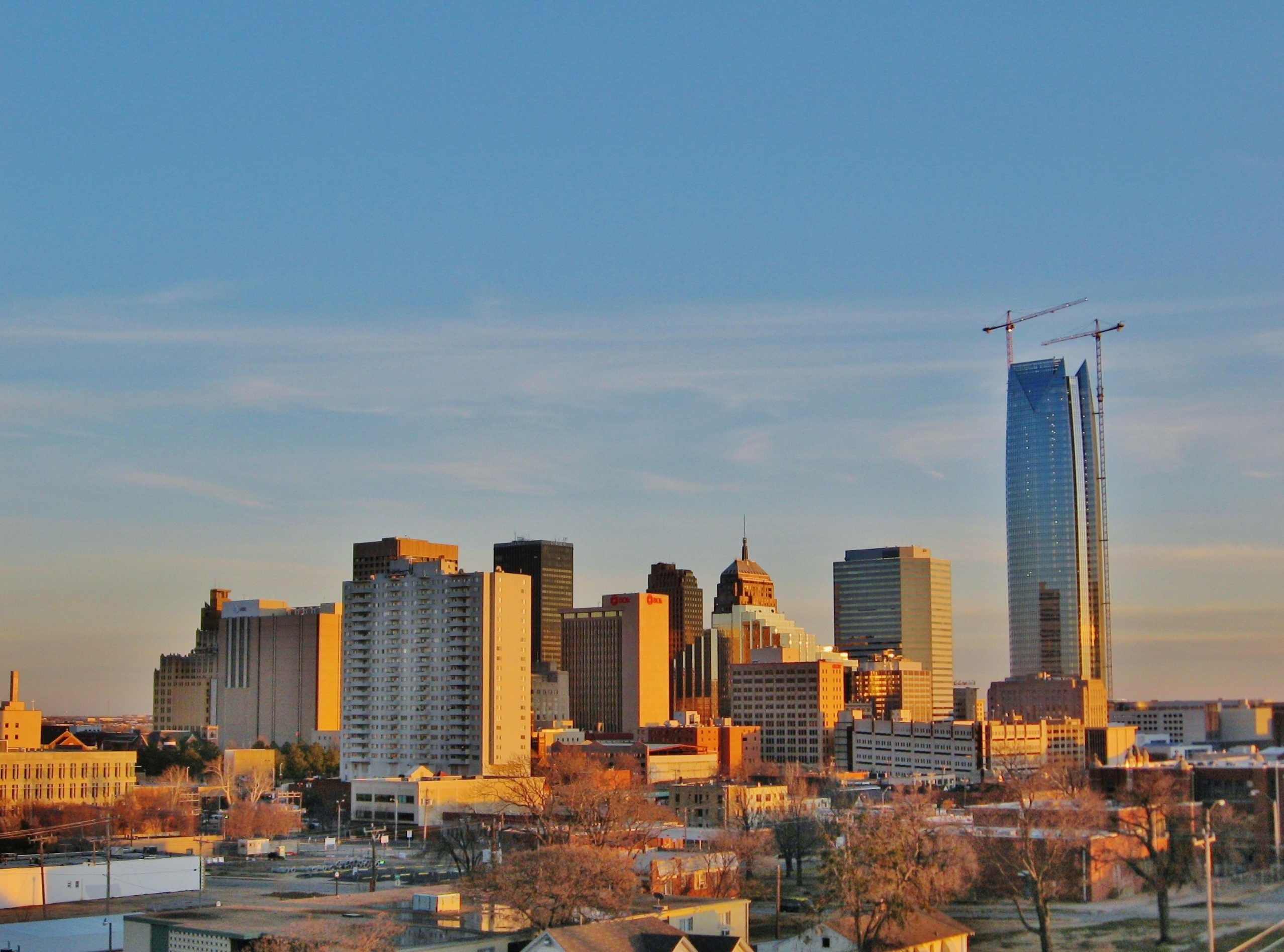
Exploring Oklahoma City: Attractions and Experiences Fueled by Population Growth
The burgeoning population of Oklahoma City has a direct correlation with the expansion and diversification of its tourism sector. As more people choose to call Oklahoma City home and as its reputation as a compelling destination grows, so too does the array of attractions, activities, and experiences available. This growth ensures that Oklahoma City is no longer just a stopover, but a destination in its own right, offering a rich tapestry of local culture, food, and entertainment.
Landmarks and Cultural Hubs: A City of Discovery
Oklahoma City boasts a wealth of landmarks that tell the story of its past and present. The Oklahoma City National Memorial & Museum stands as a poignant and essential visit, honoring the victims of the 1995 bombing and serving as a powerful symbol of resilience. The Bricktown Entertainment District, once an industrial warehouse area, has been revitalized into a bustling hub of restaurants, bars, theaters, and entertainment venues, all set along a scenic canal. This transformation is a direct reflection of the city’s growth and its commitment to creating vibrant urban spaces that draw both locals and tourists.
For those interested in history and architecture, the State Capitol Building offers a glimpse into the state’s governance and features impressive dome architecture. The Myriad Botanical Gardens, an urban oasis, provides a tranquil escape with its impressive Crystal Bridge Conservatory and diverse plant collections. The Oklahoma Museum of Natural History and the National Cowboy & Western Heritage Museum offer deep dives into the region’s natural and cultural heritage, attracting visitors interested in learning more about the American West. These significant sites, along with numerous others, are increasingly accessible and enhanced due to the city’s development and population growth.

Accommodation and Lifestyle: Catering to Every Traveler
The expanding population and increasing visitor numbers have led to a significant development in Oklahoma City‘s accommodation sector. Travelers can find a wide range of options, from luxurious resorts and boutique hotels to comfortable apartments and budget-friendly motels. Major hotel chains have established a strong presence, offering amenities that cater to both business and leisure travelers. For those seeking a more independent experience, short-term rental apartments and vacation villas are also readily available, providing a home-away-from-home feel.
The variety in accommodation options directly supports the diverse lifestyle offerings within Oklahoma City. Whether you’re planning a luxury travel experience, a budget travel adventure, a memorable family trip, or a seamless business stay, Oklahoma City has the infrastructure and services to meet your needs. The city’s commitment to enhancing its tourism product is evident in the continuous improvement of its hotels, the accessibility of its booking platforms, and the wealth of reviews available to help visitors make informed decisions. The ease of comparison for accommodation options further solidifies Oklahoma City‘s position as an accessible and desirable destination for a long-term stay or a brief visit.
Furthermore, the growing population contributes to a dynamic food scene, with a diverse array of restaurants offering everything from classic Oklahoma barbecue and Tex-Mex to international cuisine. The emphasis on local food and farm-to-table experiences is also on the rise, reflecting a sophisticated palate that accompanies the city’s growth. The activities available range from attending sporting events, such as Oklahoma City Thunder basketball games, to exploring outdoor recreational opportunities in places like the Lake Hefner area.
In conclusion, the population of Oklahoma City is a foundational element that underpins its dynamic nature. It’s a number that signifies opportunity, growth, and a burgeoning cultural landscape. As the city continues to expand and attract new residents and visitors, its appeal as a destination for travel, tourism, and lifestyle experiences will undoubtedly continue to flourish, solidifying its place as a key urban center in the heart of Oklahoma.
LifeOutOfTheBox is a participant in the Amazon Services LLC Associates Program, an affiliate advertising program designed to provide a means for sites to earn advertising fees by advertising and linking to Amazon.com. Amazon, the Amazon logo, AmazonSupply, and the AmazonSupply logo are trademarks of Amazon.com, Inc. or its affiliates. As an Amazon Associate we earn affiliate commissions from qualifying purchases.