
Understanding the demographic makeup and growth trends of a city is crucial for appreciating its evolving identity and its appeal as a destination. While not a direct tourism metric, the population of Portland, Oregon significantly shapes its character, influencing everything from the availability of diverse attractions to the dynamic local culture and the overall visitor experience. A thriving and growing population often translates to a more vibrant arts scene, a wider array of culinary delights, and a palpable sense of community that travelers can immerse themselves in.
The Ever-Shifting Demographics of the Rose City
Portland, Oregon has long been a magnet for those seeking a unique blend of urban sophistication and natural beauty. Its population has experienced consistent growth over the decades, reflecting its desirability as a place to live, work, and visit. This growth, however, is not monolithic; it’s a complex interplay of natural increase and migration, each contributing to the city’s ever-evolving tapestry.
Historical Population Growth and Trends
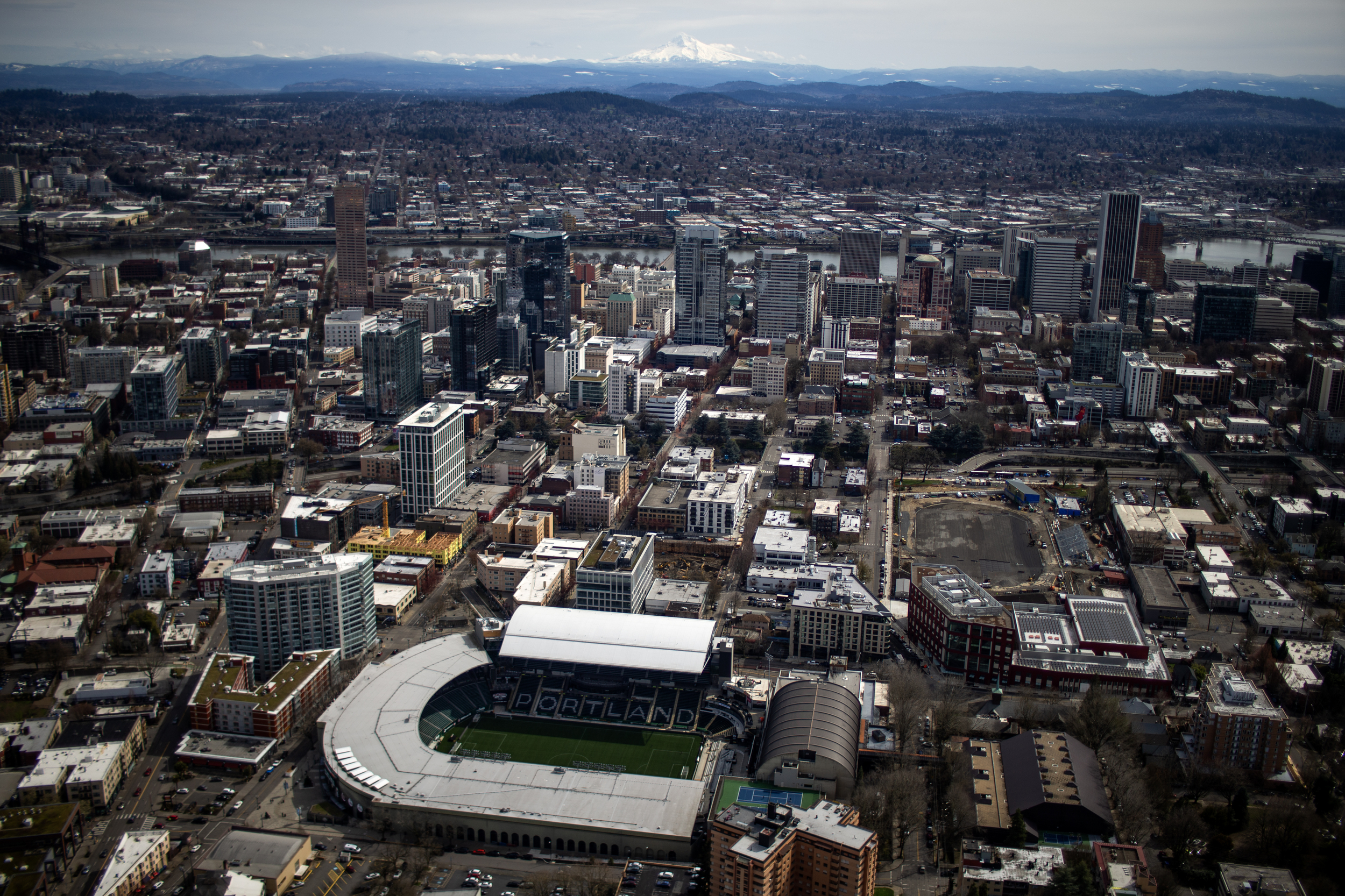
The story of Portland is one of sustained expansion. From its humble beginnings as a logging town, its strategic location on the Willamette River facilitated trade and commerce, drawing in settlers and businesses. The mid-20th century saw significant suburbanization, mirroring national trends, as the city’s footprint expanded. In recent decades, Portland has attracted a diverse range of residents, including young professionals, artists, and families, drawn by its progressive ethos, access to outdoor recreation, and relatively lower cost of living compared to other West Coast hubs.
This influx has contributed to a steady increase in the metropolitan area’s population. While specific numbers fluctuate with each census and annual estimates, the general trajectory has been upward, showcasing Portland as a city on the rise. Understanding these historical patterns provides context for the current demographic landscape and hints at future growth potential, which in turn impacts the development of new attractions, dining establishments, and cultural experiences for visitors.
Current Population Estimates and Projections
As of recent estimates, the population of the city of Portland, Oregon hovers around the 650,000 mark, with the broader metropolitan statistical area (MSA) encompassing well over two million residents. These figures are dynamic and are influenced by a multitude of factors, including economic opportunities, housing availability, and quality of life.
Demographers and urban planners closely monitor these trends to forecast future needs and development. For visitors, this means a continuously refreshed landscape of experiences. Projections often indicate continued, albeit potentially moderated, growth. This sustained population means that Portland remains a hub of innovation and creativity, ensuring that new restaurants, breweries, galleries, and performance spaces are consistently emerging, offering novel experiences for returning visitors and first-time explorers alike.
How Population Influences Portland’s Tourism Landscape

The size and composition of a city’s population have a profound, albeit often indirect, impact on its tourism sector. A larger, more diverse population fuels a richer and more varied range of attractions, services, and cultural offerings that are the very essence of a compelling travel experience.
A Driving Force for Diverse Attractions
A robust population is the bedrock of a thriving tourism industry. It provides the necessary customer base and workforce to support a wide spectrum of attractions. In Portland, this translates into an abundance of unique experiences that cater to diverse interests.
- Culinary Scene: The city is renowned for its innovative and eclectic food scene. A large and discerning population demands a wide variety of dining options, from renowned farm-to-table restaurants to bustling food cart pods and artisanal bakeries. This culinary diversity is a major draw for tourists seeking authentic local flavors. Portland boasts a remarkable number of restaurants and cafes per capita, a direct reflection of its population’s appetite for gastronomic exploration.
- Arts and Culture: The presence of a significant population supports a vibrant arts and cultural ecosystem. This includes numerous art galleries, live music venues, theaters, and museums. The Portland Art Museum, for instance, benefits from a local populace that appreciates and engages with its collections, making it a key cultural landmark for visitors. The proliferation of independent bookstores, like Powell’s City of Books, is another testament to a population that values intellectual and creative pursuits.
- Outdoor Recreation Access: While Oregon as a whole is celebrated for its natural beauty, Portland residents actively utilize and advocate for their extensive park system and proximity to outdoor adventures. The city itself boasts an impressive network of parks, trails, and green spaces, such as Washington Park and the Forest Park. A population that embraces outdoor living encourages the maintenance and expansion of these natural amenities, making them more accessible and appealing to tourists seeking to hike, bike, or simply enjoy nature within the urban environment.
Shaping Local Culture and Vibe
The people of Portland are, in many ways, the heart of its unique character. Their values, interests, and lifestyles directly contribute to the city’s renowned “Keep Portland Weird” ethos, a sentiment that has become a significant part of its tourist appeal.
- Progressive Values and Sustainability: Portland has a reputation for progressive social and environmental values. This manifests in its strong support for public transportation, farmers’ markets, and local businesses. Tourists who share these values often find Portland to be an inspirational and comfortable destination. The city’s commitment to sustainability, from its urban planning to its business practices, is a direct reflection of its population’s priorities and contributes to a distinctive travel experience.
- Community Engagement and Local Identity: A close-knit and engaged population fosters a strong sense of local identity. This often translates into a preference for supporting local businesses over large chains, a characteristic that many travelers seek out for a more authentic experience. Visitors can often feel the pride that residents have in their city through the vibrant neighborhood associations, community events, and the general friendliness encountered.
- Innovation and Entrepreneurship: The demographic profile of Portland, which often includes a significant proportion of educated and creative individuals, fosters a spirit of innovation and entrepreneurship. This is evident in the burgeoning craft beer scene, the independent retail boutiques, and the numerous tech startups that call Portland home. This dynamic environment ensures that the city remains at the forefront of emerging trends, offering visitors a glimpse into cutting-edge developments in various industries.
Impact on Infrastructure and Services
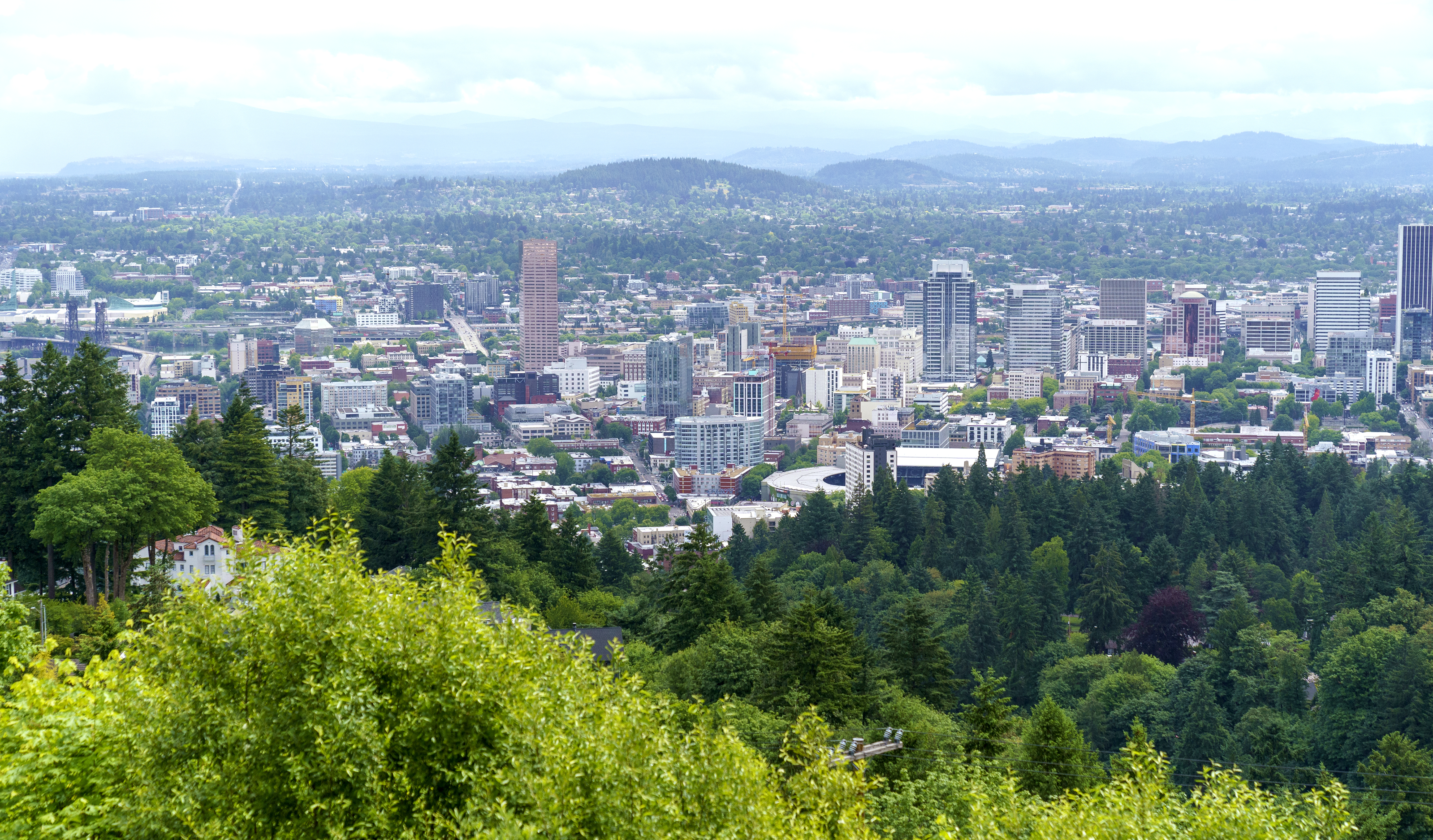
A growing population necessitates continuous development and adaptation of infrastructure and services, which directly benefits the tourism sector.
- Transportation Networks: As the population expands, so does the need for efficient transportation. Portland has invested in its public transit system, including the MAX Light Rail and bus networks, making it easier for visitors to navigate the city without a car. This focus on public transit is a direct response to population density and a commitment to sustainability.
- Accommodation Options: A larger population base, coupled with increased tourism, drives the demand for a diverse range of accommodation. While the city has numerous hotels, from boutique properties in the Pearl District to larger convention hotels downtown, the population growth also supports the proliferation of short-term rental options and unique stays, catering to various traveler preferences and budgets.
- Event Hosting Capacity: A sizable population base contributes to Portland’s ability to host major events, conferences, and festivals. These events, such as the Rose Festival or the numerous music festivals held annually, draw significant numbers of visitors, boosting the local economy and showcasing the city’s capacity to cater to large crowds. The infrastructure and services required to support these events are often developed with both residents and visitors in mind.
In conclusion, while the question of “What Is Population Of Portland Oregon?” might seem purely statistical, its implications for understanding and appreciating Portland as a travel destination are profound. The city’s demographic trends have directly shaped its rich cultural tapestry, its diverse array of attractions, and its very identity, making it a compelling and dynamic place to explore.
LifeOutOfTheBox is a participant in the Amazon Services LLC Associates Program, an affiliate advertising program designed to provide a means for sites to earn advertising fees by advertising and linking to Amazon.com. Amazon, the Amazon logo, AmazonSupply, and the AmazonSupply logo are trademarks of Amazon.com, Inc. or its affiliates. As an Amazon Associate we earn affiliate commissions from qualifying purchases.