
Understanding poverty levels in California is a complex endeavor, touching upon various aspects of life that extend far beyond mere financial metrics. While the traditional definition of poverty often hinges on income thresholds set by federal guidelines, the reality on the ground in the Golden State paints a much richer, and often more challenging, picture. This exploration delves into the multifaceted nature of poverty in California, examining its impact on lifestyle, accommodation choices, and even the pursuit of travel and tourism experiences.
The concept of poverty isn’t static; it’s a dynamic state influenced by the cost of living, access to resources, and societal expectations. In a state as diverse and economically stratified as California, with its booming tech hubs and sprawling agricultural lands, a single definition struggles to encompass the lived experiences of its residents. From the sun-drenched beaches of Southern California to the rugged beauty of the Sierra Nevada, the challenges of poverty manifest differently.
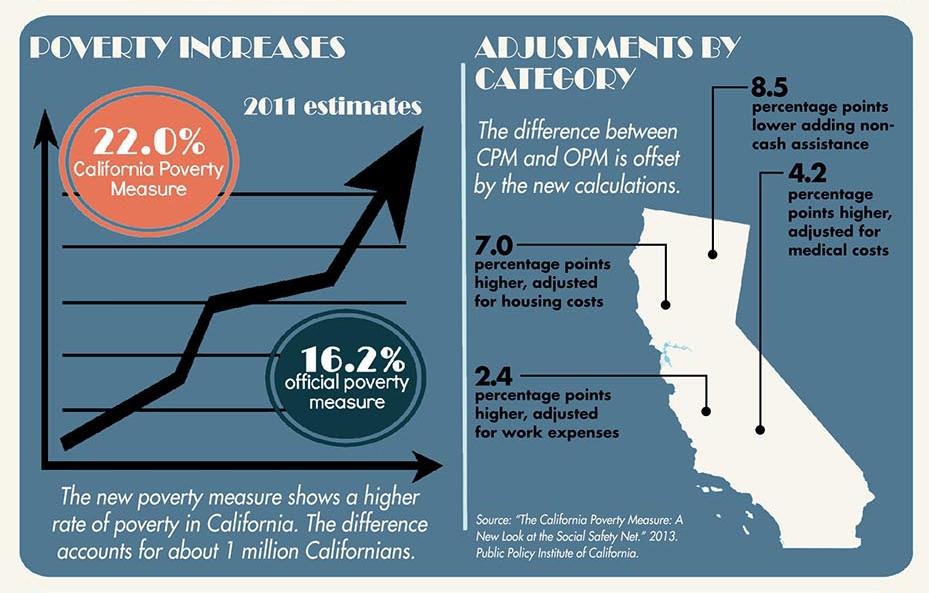
This article aims to shed light on what constitutes poverty level in California, moving beyond simple dollar figures to explore the broader implications for individuals and communities. We will consider how these economic realities shape daily life, influence decisions about where to stay and how to travel, and ultimately affect the ability of Californians to fully engage with the rich tapestry of experiences their state offers.
The Shifting Sands of Income and Expense in California
Defining poverty level in California requires acknowledging the state’s notoriously high cost of living. Federal poverty guidelines, while a baseline, often fall short of accurately reflecting the true financial strain on many Californians. Housing, in particular, stands out as a primary driver of this disparity. The dream of homeownership in cities like San Francisco or Los Angeles remains elusive for a significant portion of the population, forcing many into the rental market, where expenses can still be exorbitant.
Federal Poverty Guidelines: A Starting Point
The federal poverty level (FPL) is calculated annually by the U.S. Department of Health and Human Services based on the poverty threshold established in the 1960s. These guidelines are used to determine eligibility for various federal programs, including food assistance and housing subsidies. For a single individual in 2023, the FPL was around $14,580. For a family of four, it was approximately $30,000.
However, these figures are national averages and do not account for the vast differences in the cost of living across the United States, let alone within California. What might be considered a comfortable income in a rural Midwestern town could be insufficient to cover basic necessities in a Bay Area metropolis. This disconnect is a critical factor when assessing poverty in California.
The California Context: Beyond Federal Benchmarks
California consistently ranks among the states with the highest cost of living. Housing, healthcare, and transportation expenses far outpace the national average. This means that a family earning at or slightly above the federal poverty level may still struggle to afford adequate housing, nutritious food, and essential services. Consequently, many organizations and researchers in California utilize more localized measures to define poverty, often referred to as the “poverty threshold” or “cost of living index.”
These localized measures often incorporate the actual cost of housing, childcare, food, and other necessities specific to different regions within California. For instance, the Economic Roundtable, a research organization based in Los Angeles, has developed a “living wage” calculator that takes into account the actual costs of basic needs in various California counties. This provides a more realistic picture of financial hardship.
The discrepancy between federal guidelines and the actual cost of living in California can lead to a situation where individuals or families are not technically considered “poor” by federal standards but are nonetheless experiencing significant financial insecurity. This has profound implications for their lifestyle, access to resources, and ability to participate in activities often associated with a higher quality of life, such as travel and cultural experiences.
The Ripple Effect on Lifestyle and Accommodation Choices
Poverty level in California directly influences the lifestyle choices individuals and families can make, particularly concerning accommodation and travel. When a significant portion of income is consumed by essential living costs, discretionary spending on leisure activities, vacations, or even comfortable living spaces becomes a luxury rather than a possibility.
Accommodation: From Luxury Resorts to Basic Shelter

The disparity in wealth within California is starkly reflected in its accommodation landscape. On one end, there are opulent resorts like the Ritz-Carlton Bacara, Santa Barbara, and exclusive villas offering unparalleled luxury and amenities. These are the destinations of choice for those with substantial disposable income, many of whom are enjoying the fruits of California’s booming industries.
Conversely, for those struggling with poverty or living on the edge of financial insecurity, the focus shifts from aspirational stays to fundamental shelter. Finding affordable, safe, and stable housing is a daily challenge. This can mean compromising on location, amenities, and living space. Long-term stays might involve shared housing, less desirable neighborhoods, or even temporary accommodations. The dream of booking a suite at the Beverly Hills Hotel or a relaxing stay at a Napa Valley vineyard resort is, for many, simply out of reach.
The impact extends to the types of accommodation considered. While some Californians might be comparing prices for a beachfront apartment in San Diego or a cabin in Lake Tahoe, others are grappling with the reality of overcrowded living situations, lack of basic utilities, or the constant threat of eviction. The availability of affordable accommodation is a critical determinant of a person’s overall quality of life and their ability to escape the cycle of poverty.
Lifestyle: Navigating a State of Extremes
The concept of “lifestyle” itself becomes a nuanced discussion when poverty is involved. While California is often synonymous with a laid-back, sun-drenched lifestyle, this is not a universal experience. For those living in poverty, daily life is often characterized by hard work, long commutes, and constant financial planning to meet basic needs.
Luxury travel, weekend getaways to Disneyland, or exploring the vineyards of Sonoma are distant aspirations. Instead, the focus is on survival. Budget travel, if it occurs at all, might involve staying with family in less expensive regions of the state or opting for free outdoor activities like hiking in Yosemite National Park or visiting public beaches along the Pacific Coast Highway.
The psychological toll of persistent financial strain cannot be understated. It can limit social mobility, reduce opportunities for personal growth, and contribute to stress and poor health outcomes. The ability to engage in activities that enrich one’s life, whether it’s attending a concert at the Hollywood Bowl, exploring the museums in Pasadena, or simply enjoying a meal at a highly-rated restaurant, becomes a privilege rather than a given.
The Interplay of Tourism and Economic Realities
The thriving tourism industry in California, with its world-renowned attractions and diverse experiences, presents a peculiar paradox when viewed through the lens of poverty. While tourism can be a significant economic driver, generating jobs and revenue, it also highlights the economic disparities that exist within the state.
Experiencing California: Attractions and Accessibility
California boasts an array of iconic landmarks and attractions, from the engineering marvel of the Golden Gate Bridge to the natural wonders of Death Valley National Park. The entertainment hubs of Los Angeles and San Diego offer endless possibilities for exploration, while the historical significance of places like San Juan Capistrano draws visitors from around the globe.
However, accessing these experiences often comes with a price tag. Entrance fees, transportation costs, and the need for accommodation can quickly add up. For individuals and families living in poverty, a day trip to Universal Studios Hollywood or a weekend exploring the charm of Carmel-by-the-Sea is often an unattainable dream.
This means that the vibrant cultural and recreational offerings of California are not equally accessible to all its residents. While tourists flock to see the Hearst Castle or experience the magic of Disneyland, many Californians may only glimpse these wonders through television or social media. The ability to engage with local culture, food, and activities is significantly curtailed by economic limitations.

The Tourism Economy: Opportunities and Limitations
The tourism sector itself can offer employment opportunities, from entry-level positions in hotels and restaurants to more specialized roles in tour operations. These jobs can be a lifeline for individuals seeking to improve their economic standing. However, these positions are often low-wage and can be seasonal, making it difficult to achieve financial stability, especially in high-cost areas.
Furthermore, the economic benefits of tourism don’t always trickle down to the most vulnerable populations. While hotels in Beverly Hills might be fully booked and restaurants in Santa Monica bustling, the residents of nearby low-income communities may see little direct benefit. The wealth generated by tourism often flows to a select few, exacerbating existing inequalities.
Ultimately, understanding poverty level in California requires acknowledging that it is not just about income but about the lived reality of accessing the opportunities and experiences that a state like California has to offer. It’s about the ability to afford not just shelter and food, but also the chance to explore, to learn, and to simply enjoy the richness of life in the Golden State. The dream of a fulfilling California lifestyle remains elusive for many when economic barriers are too high to overcome.
LifeOutOfTheBox is a participant in the Amazon Services LLC Associates Program, an affiliate advertising program designed to provide a means for sites to earn advertising fees by advertising and linking to Amazon.com. Amazon, the Amazon logo, AmazonSupply, and the AmazonSupply logo are trademarks of Amazon.com, Inc. or its affiliates. As an Amazon Associate we earn affiliate commissions from qualifying purchases.