
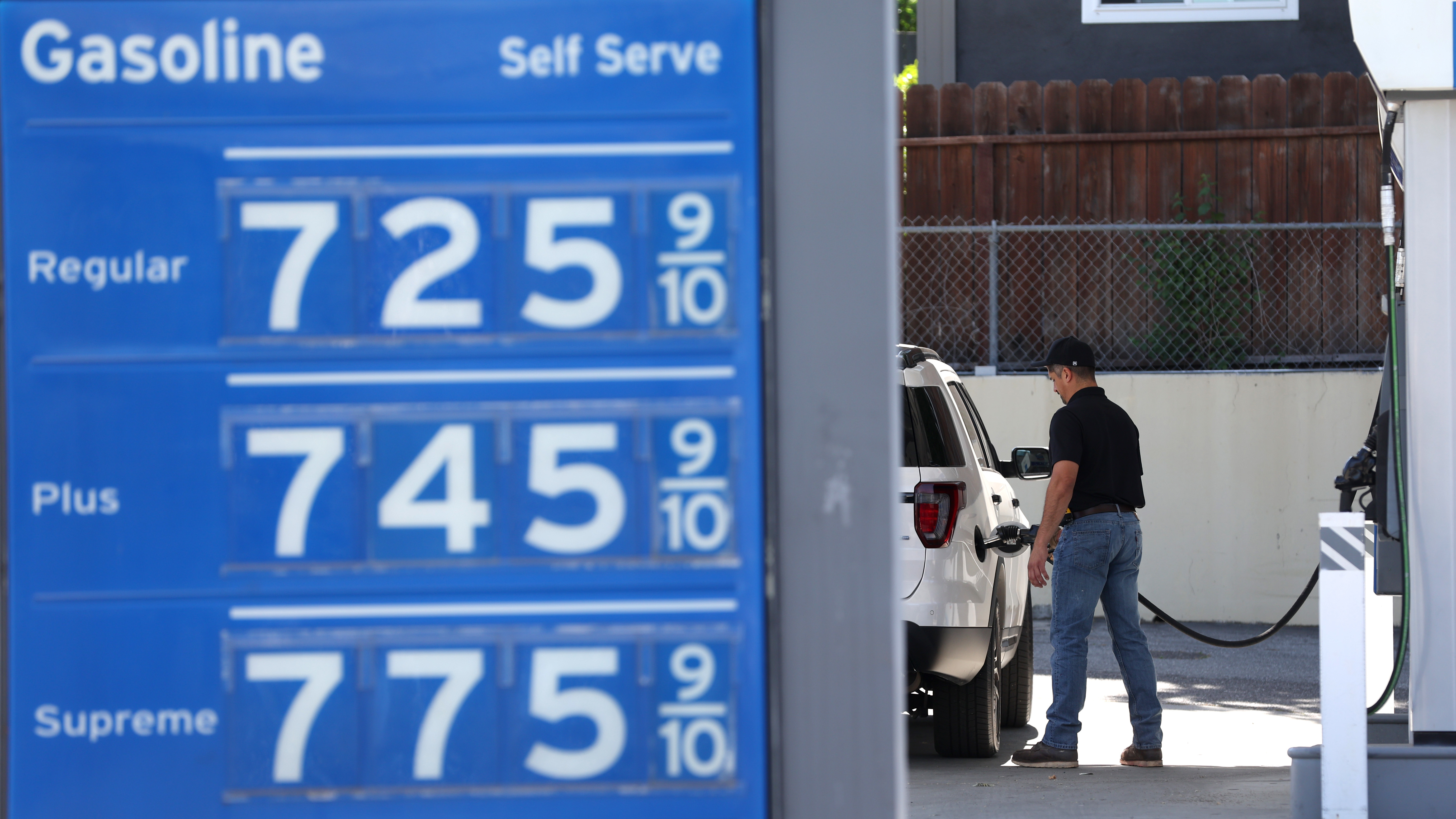
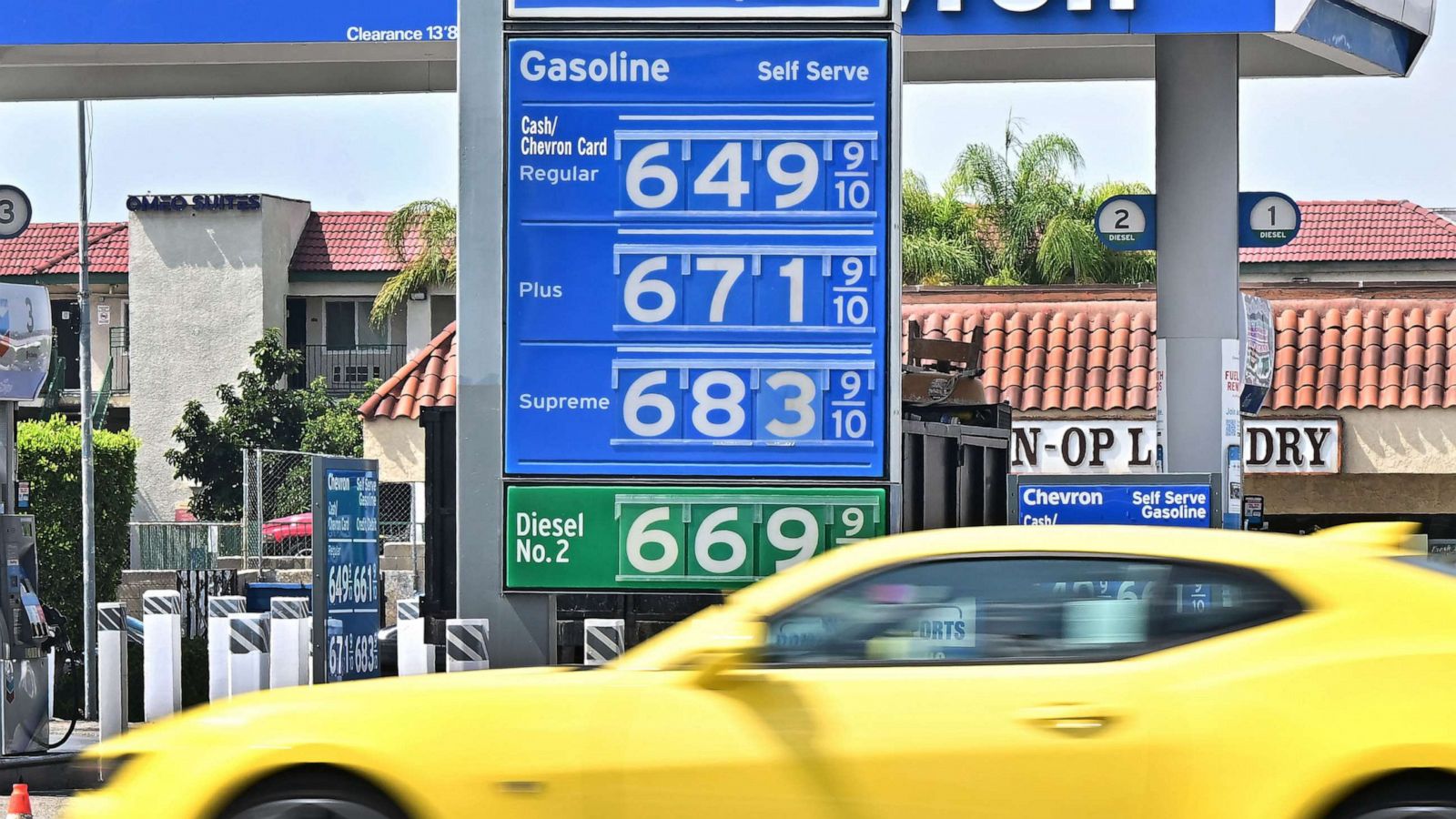
California, renowned for its sun-drenched beaches, majestic mountains, vibrant cities, and iconic landmarks, is a dream destination for travelers worldwide. From the bustling streets of Los Angeles and the charming hills of San Francisco to the serene beauty of Yosemite National Park and the dramatic coastline of Big Sur, the Golden State offers an unparalleled array of experiences. However, one aspect that often catches both residents and visitors by surprise is the price of gasoline. Fuel costs in California consistently rank among the highest in the United States, significantly impacting travel budgets, lifestyle choices, and the overall tourism landscape. Understanding these elevated prices and how to navigate them is crucial for anyone planning a memorable trip or managing daily life within this diverse state.

The allure of California for travel, accommodation, and various lifestyles often involves extensive driving, making gas prices a central consideration. Whether embarking on a scenic Pacific Coast Highway road trip, exploring the numerous national parks, or simply commuting within its sprawling metropolitan areas, fuel expenses can quickly add up. For those seeking luxury travel, the impact might be less pronounced, but for budget travelers or family trips, every dollar counts. This article delves into the reasons behind California’s high gas prices, explores their implications for tourism and lifestyle, and offers practical strategies for managing fuel costs while enjoying all that the state has to offer.
Understanding California’s Fuel Landscape
The question “What is the price of gas in California?” isn’t just about a fluctuating number; it’s a complex interplay of environmental regulations, taxes, market dynamics, and geographical factors. Unlike many other states, California’s unique situation drives its fuel costs considerably higher than the national average.
Firstly, taxes and fees play a substantial role. California imposes some of the highest state gasoline taxes in the nation, funding vital infrastructure projects and public services. In addition to a state excise tax, there are various local sales taxes, underground storage tank fees, and a “cap-and-trade” program fee designed to reduce greenhouse gas emissions. These combined levies add a significant amount to every gallon purchased, directly impacting the final price at the pump.
Secondly, strict environmental regulations necessitate specially formulated gasoline. California’s stringent clean air standards require a unique blend of fuel that burns cleaner, reducing smog and air pollution, particularly in dense urban areas like Los Angeles and the Bay Area. This specialized refining process is more expensive and complex than producing conventional gasoline, leading to higher production costs that are passed on to consumers. Furthermore, there are fewer refineries equipped to produce this specific blend, limiting supply and increasing its vulnerability to price spikes during refinery maintenance or unexpected shutdowns.
Thirdly, market dynamics and limited supply within the state contribute to price volatility. California operates somewhat as an “energy island,” with limited pipeline connections to other states. This means a significant portion of its gasoline supply must be produced within the state or imported, making it less responsive to national supply shifts. When a refinery experiences issues, or demand unexpectedly rises, prices can surge rapidly due to the localized supply constraints. The state’s immense population and the car-centric nature of many of its cities also contribute to consistently high demand.
Finally, transportation costs and retail markups also factor in. Moving fuel from refineries to gas stations across a geographically diverse state like California, which includes deserts, mountains, and coastal regions, adds to the operational costs. While retail markups are generally competitive, the cumulative effect of all these factors results in a pump price that frequently makes headlines for its soaring figures. For travelers planning their routes, being aware of these underlying factors helps in understanding why prices can differ significantly from what they might expect elsewhere.
Navigating the Golden State: Gas Prices and Your Travel Budget
For anyone dreaming of exploring California’s diverse attractions, from the bustling theme parks of Anaheim to the serene vineyards of Napa Valley, gas prices are an undeniable factor in budget planning. The impact extends beyond just the cost of filling up; it influences everything from itinerary choices to accommodation bookings.
Planning Your California Road Trip
California is synonymous with the quintessential American road trip. The iconic Pacific Coast Highway offers breathtaking views, while routes through Wine Country promise delightful culinary experiences. Exploring national parks like Yosemite National Park, Death Valley National Park, or Joshua Tree National Park almost always requires a car. However, high gas prices necessitate a more strategic approach to travel budgeting.
Travelers should factor in a significant portion of their budget for fuel, especially if covering long distances. For instance, a drive from San Diego to San Francisco is approximately 500 miles, requiring multiple fill-ups. Understanding the average miles per gallon (MPG) of your vehicle and researching current gas prices in different regions of California can help estimate overall fuel costs. Apps like GasBuddy become invaluable tools for finding the cheapest gas along your route. Additionally, opting for a fuel-efficient rental car or planning routes that minimize unnecessary detours can lead to substantial savings, making your California adventure more affordable.
Accommodation Choices and Fuel Costs
The interplay between gas prices and accommodation choices is often overlooked. When gas prices are high, travelers might gravitate towards hotels, resorts, or apartments that are centrally located, minimizing daily driving. For example, staying in a downtown San Francisco hotel allows easy access to attractions like the Golden Gate Bridge or Pier 39 via public transit or walking, reducing the need for constant driving and expensive parking. Conversely, choosing a budget motel further afield might initially seem cheaper, but the accumulated fuel costs for daily commutes to attractions could negate any savings.
For destinations like Lake Tahoe or Palm Springs, where many resorts are somewhat spread out, guests might consider properties that offer more on-site amenities, reducing the need to drive for dining or entertainment. Hotels and resorts offering complimentary shuttle services or located near public transit lines become more attractive options. This shift impacts overall travel planning, pushing travelers towards more integrated or transit-friendly accommodation options, often found in major cities like Oakland or Sacramento.
Exploring Iconic Landmarks
California’s landmarks are world-renowned, drawing millions of tourists annually. From the magic of Disneyland Resort in Anaheim to the glitz of the Hollywood Walk of Fame and the cinematic experience of Universal Studios Hollywood, many attractions are best reached by car. However, the cost of fuel can influence how many landmarks visitors choose to see, and how they combine their visits.
For instance, a family visiting Disneyland Resort might decide to stay exclusively in Anaheim to minimize driving to Los Angeles attractions on the same trip, dedicating their budget to park tickets and accommodation rather than excessive fuel. Similarly, those exploring the vastness of a national park like Yosemite National Park might choose to stay within the park or very close by, even if it’s pricier, to reduce the daily drive time and associated fuel consumption. These decisions highlight how gas prices subtly shape travel itineraries and impact the overall tourist experience, sometimes leading to a more focused exploration of a single region rather than a broader sweep of the state.
Strategies for Economical Travel in High-Price California
While California’s high gas prices are a reality, they don’t have to derail your travel plans. With thoughtful planning and smart strategies, it’s possible to explore the Golden State economically, ensuring your budget for hotels, attractions, and experiences isn’t entirely consumed by fuel costs.
Smart Fueling Habits
Adopting smart fueling habits is paramount. As mentioned, utilizing gas price comparison apps like GasBuddy can save you a significant amount over a long trip, as prices can vary wildly even within a few miles. Signing up for loyalty programs offered by major gas stations or grocery stores often provides discounts per gallon. Planning your fill-ups strategically, such as avoiding small towns or isolated areas where prices tend to be higher, is also beneficial. Furthermore, practicing fuel-efficient driving techniques – avoiding rapid acceleration, maintaining steady speeds, and keeping tires properly inflated – can improve your vehicle’s MPG and stretch your fuel budget further. Filling up before entering or exiting major metropolitan areas or popular tourist corridors like Santa Barbara can sometimes yield better prices than filling up within these high-demand zones.
Alternative Transportation and Carpooling
For certain segments of your California journey, consider ditching the car altogether. Major cities like San Francisco and Los Angeles boast extensive public transportation networks. In the Bay Area, BART (Bay Area Rapid Transit) connects San Francisco to Oakland and other cities, providing an efficient way to explore without fuel worries. Los Angeles’s Metro Rail and bus system offers access to many popular destinations, including Hollywood and downtown.
Ride-sharing services like Uber and Lyft can also be cost-effective for shorter distances, especially when parking is expensive or inconvenient. For family trips or group travel, carpooling or renting a larger, more fuel-efficient vehicle can split costs among participants. The rise of electric vehicles (EVs) is also becoming a more viable option. California has a robust network of EV charging stations, and many hotels and resorts offer charging as an amenity, allowing travelers to significantly reduce or even eliminate gasoline expenses. Renting an EV for your trip can be a fantastic way to experience California sustainably and economically.
Rethinking Your Itinerary
High gas prices might inspire a fresh look at your travel itinerary, focusing on deeper, more localized exploration rather than a whirlwind tour of the entire state. Consider basing yourself in one or two key regions and exploring them thoroughly. For instance, instead of driving from San Francisco to Los Angeles and back, dedicate your trip to either Northern or Southern California.
Within your chosen region, look for opportunities to walk, bike, or use local public transit. Many cities, like Santa Monica or San Diego, are very walkable, with attractions clustered together. Exploring a single destination in depth often leads to more authentic local culture and food experiences. For those planning longer stays or even considering long-term accommodation, choosing a location with excellent walkability or public transport access becomes an even more important consideration for daily lifestyle costs. This approach not only saves on fuel but also fosters a more relaxed and immersive travel experience.
The Future of Fuel and California Travel
The conversation around “What is the price of gas in California?” is not static; it’s evolving rapidly with global shifts towards sustainability and technological advancements. California has long been at the forefront of environmental policy, and this commitment profoundly impacts the future of transportation and tourism within the state.
One of the most significant trends is the accelerating shift towards electric vehicles (EVs). California has set ambitious goals for EV adoption, including phasing out the sale of new gasoline-powered vehicles by 2035. This push is dramatically reshaping the state’s infrastructure, with a proliferation of charging stations across major highways, in cities, and at popular tourist destinations and hotels. For travelers, this means an increasing opportunity to rent EVs, circumventing the high gasoline prices entirely and potentially enjoying a more cost-effective and environmentally friendly trip. The state’s commitment to building out this infrastructure makes EV travel a genuinely viable and attractive option for future travelers and residents alike.
Furthermore, the emphasis on sustainable tourism is growing. This includes not only cleaner transportation but also promoting eco-friendly accommodations, supporting local businesses, and preserving California’s natural beauty. High gas prices can inadvertently encourage more sustainable travel practices, such as choosing destinations accessible by train or bus, opting for bicycle tours, or exploring areas on foot. This aligns with a broader lifestyle trend focusing on responsible tourism and reducing one’s carbon footprint.
The long-term outlook for gasoline prices in California suggests they will likely remain elevated compared to the national average due to the enduring factors of taxes, environmental regulations, and regional market dynamics. However, as the state continues its transition to a greener economy, the dependency on gasoline for travel and daily life is expected to decrease. This transition promises a future where exploring California’s stunning destinations and attractions could become less about managing fuel costs and more about embracing innovative, sustainable modes of transportation. For prospective visitors and residents, staying informed about these developments will be key to planning engaging and budget-conscious experiences in the Golden State for years to come.
LifeOutOfTheBox is a participant in the Amazon Services LLC Associates Program, an affiliate advertising program designed to provide a means for sites to earn advertising fees by advertising and linking to Amazon.com. Amazon, the Amazon logo, AmazonSupply, and the AmazonSupply logo are trademarks of Amazon.com, Inc. or its affiliates. As an Amazon Associate we earn affiliate commissions from qualifying purchases.