
For many, Florida represents the epitome of a dream lifestyle: sun-drenched beaches, vibrant communities, and a relaxed pace that beckons retirees, snowbirds, and families alike. Whether it’s a permanent residence in Miami, a vacation home in Orlando, or an investment property in Tampa, owning assets in the Sunshine State is a significant part of this lifestyle for countless individuals. However, the allure of Florida living also comes with important responsibilities, particularly concerning estate planning. Understanding “what is probate in Florida” is not merely a legal formality; it’s a critical component of safeguarding your legacy, ensuring the financial well-being of your loved ones, and preserving the lifestyle you’ve meticulously built for your family.
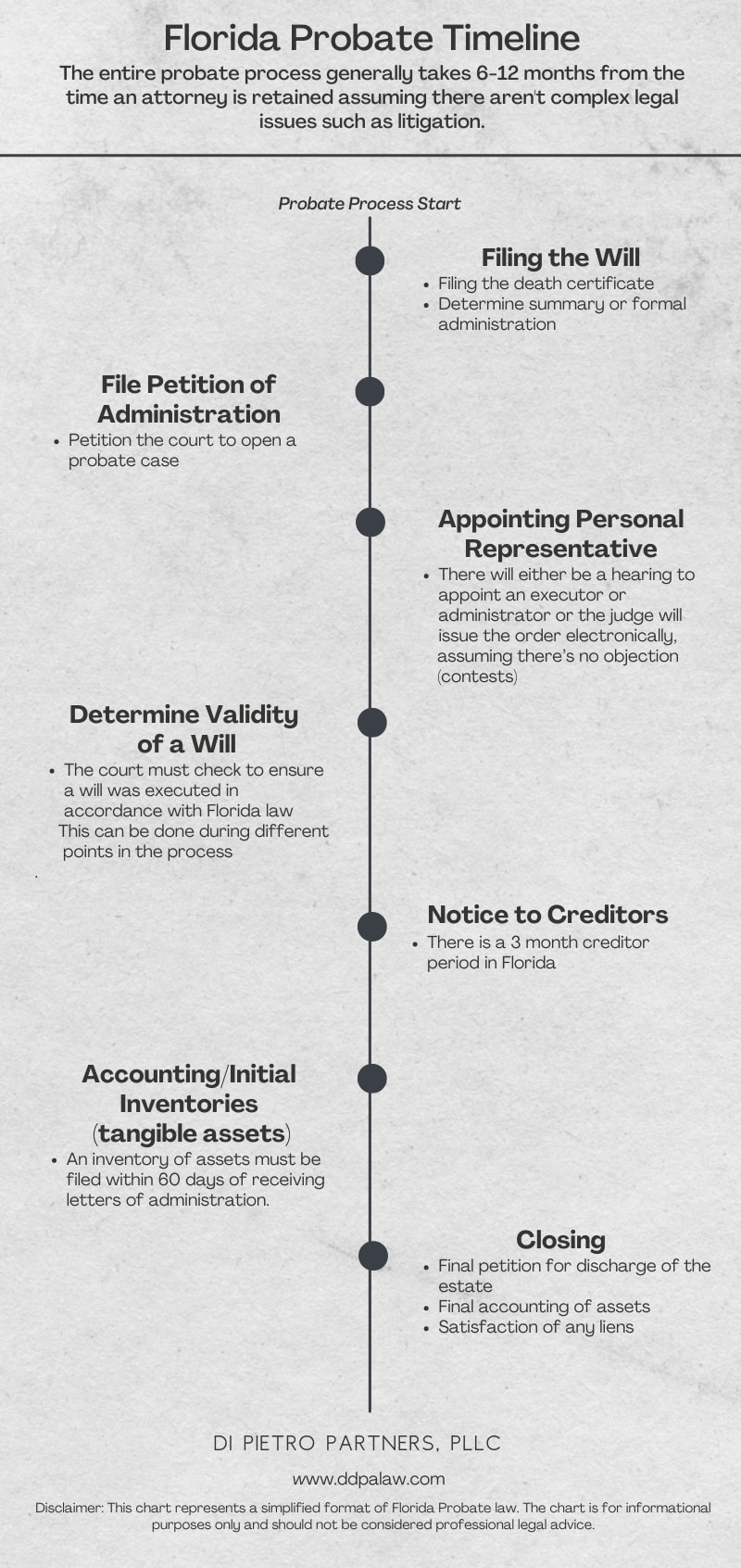
Probate is the legal process through which a deceased person’s assets are gathered, debts are paid, and the remaining property is distributed to the rightful heirs and beneficiaries under the supervision of a Florida court. While it might sound daunting, grasping the basics of Florida probate is essential for anyone who owns property, plans to retire, or has family ties to the state, providing invaluable peace of mind and a clear path for future generations to enjoy the fruits of your labor and continue their desired lifestyles.
Understanding Probate’s Role in Florida Living
The decision to live, invest, or spend significant time in Florida often reflects a deliberate lifestyle choice—one focused on comfort, recreation, and long-term financial stability. However, the enjoyment of this lifestyle can be profoundly impacted by a lack of understanding regarding state-specific legal processes like probate. For those who embrace the Florida dream, estate planning isn’t just about managing assets; it’s about ensuring the continuity of a desired way of life for their families.
The Florida Dream and Estate Planning
Florida’s unique appeal as a retirement haven and a top destination for second homes means a significant portion of its population owns assets with specific legal implications. From waterfront condos in Fort Lauderdale to serene estates in Naples or investment properties in Jacksonville, these assets form the bedrock of many families’ financial security and lifestyle aspirations. Without proper planning, these prized possessions can become entangled in a complex probate process, leading to delays, expenses, and potential family discord that can severely disrupt a family’s financial stability and emotional well-being.
Consider a family that dreams of passing down their cherished Key West vacation home to their children. Without a clear understanding of Florida probate and proactive estate planning, this seemingly simple inheritance can turn into a protracted legal battle, draining resources and souring the very joy associated with the property. Estate planning, therefore, becomes an act of preserving not just assets, but also the stories, memories, and desired future lifestyles that these assets represent.
Who Needs to Know About Florida Probate?
While often associated with the elderly, the reality is that anyone owning property or assets in Florida should understand probate. This includes:
- Snowbirds and Seasonal Residents: Those who split their time between Florida and another state might face probate proceedings in both jurisdictions, complicating asset distribution and adding significant stress.
- Retirees: Individuals who have chosen Florida for their golden years need to ensure their pension, savings, and properties are seamlessly transferred to support their beneficiaries’ lifestyles.
- Property Investors: Owners of rental properties or commercial real estate in Florida must plan for their business succession to avoid disrupting income streams for their families.
- Families with Florida Relatives: Even if you don’t own property in Florida, if you have family members residing there, understanding their estate planning (or lack thereof) can impact your financial and emotional life.
For these groups, knowledge of Florida probate isn’t about morbid curiosity; it’s about responsible living and the assurance that their lifestyle choices will positively impact future generations.
Navigating the Probate Process: Safeguarding Your Family’s Future Lifestyle
The probate process in Florida can range from straightforward to highly complex, depending on the nature and value of the assets, the existence of a valid will, and potential disputes among beneficiaries. While the legal steps are standardized, their execution profoundly affects a family’s ability to maintain their lifestyle and navigate a period of grief without added financial stress.
Key Stages of Florida Probate
Generally, Florida probate involves several stages:
- Filing the Petition: The process begins with filing a petition with the Circuit Court in the county where the deceased resided or owned property (e.g., Palm Beach County for a resident of Boca Raton).
- Appointing a Personal Representative: The court appoints an individual (often named in the will) to manage the estate. This person, sometimes called an executor, is crucial for timely and efficient estate administration, directly impacting how quickly assets can support a family’s lifestyle.
- Inventory of Assets: All of the deceased’s assets (real estate, bank accounts, investments, personal belongings) are identified and valued. This step can be time-consuming, and delays can mean beneficiaries wait longer to access funds needed for living expenses, travel, or other lifestyle choices.
- Notifying Creditors: Creditors are given a specific period to file claims against the estate. The personal representative must ensure these are handled correctly to protect the estate from future liabilities.
- Paying Debts and Taxes: Valid debts, administrative expenses, and taxes are paid from the estate. This directly reduces the amount available for beneficiaries, underscoring the importance of managing debts during one’s lifetime.
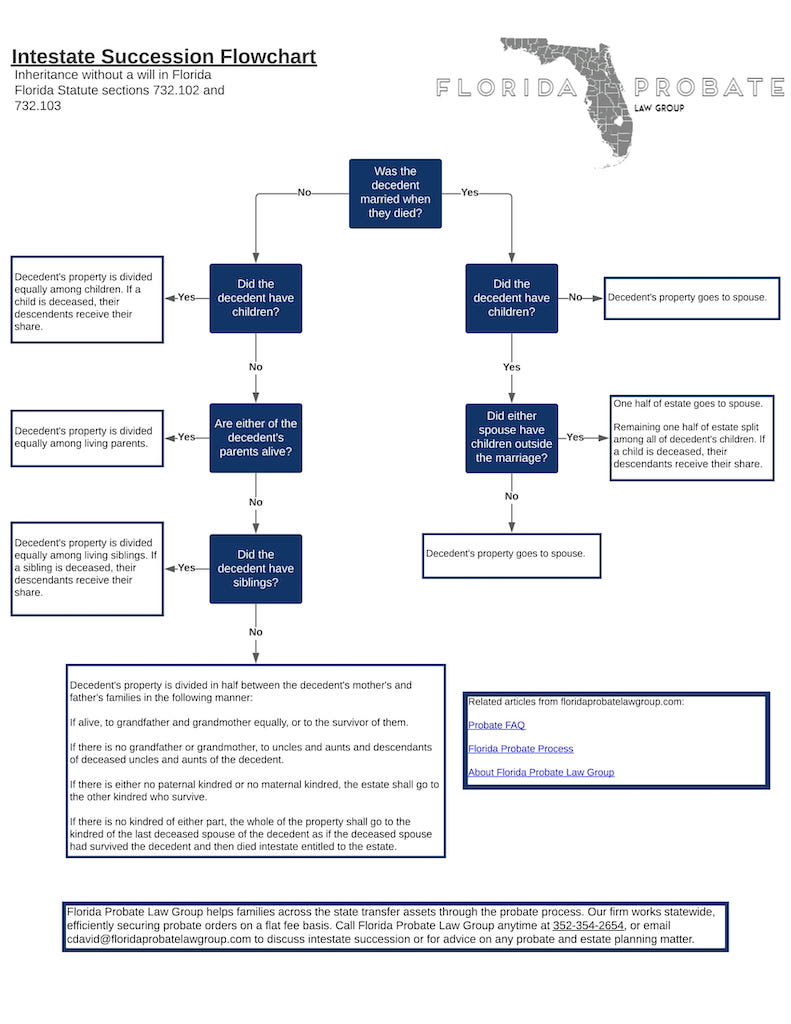
- Distributing Remaining Assets: Finally, after all obligations are met, the remaining assets are distributed according to the will or Florida intestacy laws.
Each stage requires careful attention to detail and can significantly impact the timeline and costs, directly affecting the beneficiaries’ financial stability and their ability to uphold their preferred lifestyle.
Common Misconceptions and Their Lifestyle Impacts
Many individuals hold misconceptions about probate that can lead to inadequate planning and subsequent lifestyle disruptions for their families:

- “A Will Avoids Probate”: This is a widespread myth. A will merely guides the probate court on how to distribute your assets; it doesn’t bypass the process itself. Without additional planning, your estate will still go through probate, potentially leading to delays in your family accessing their inheritance.
- “Joint Ownership Is Always Best”: While joint ownership with right of survivorship (e.g., a home owned by a married couple in St. Petersburg) can avoid probate for that specific asset, it doesn’t cover all assets and can create other complications, like exposing the asset to a co-owner’s creditors or losing control over disposition.
- “Probate is Only for the Rich”: Regardless of the size of the estate, if assets are held solely in the deceased’s name without a beneficiary designation, probate is likely necessary. Even modest estates can face significant costs and delays, impacting the financial comfort of surviving family members.
These misunderstandings can lead to a reactive approach to estate planning, forcing families to deal with unforeseen challenges during a period of grief, potentially jeopardizing their financial security and lifestyle aspirations.
The Impact of Probate on Family Finances and Legacy
Beyond the legal technicalities, Florida probate fundamentally impacts a family’s financial future and the legacy left behind. An efficient, well-planned estate ensures that hard-earned assets translate into tangible support for beneficiaries, enabling them to maintain their quality of life, pursue educational goals, or even enjoy the occasional luxury travel experience without financial strain.
Protecting Inherited Wealth for Future Experiences
One of the primary goals of estate planning is to ensure that inherited wealth can empower beneficiaries to live their lives fully. This might mean funding a child’s education, providing a down payment for a first home, or allowing a surviving spouse to continue their travel plans or hobbies. Probate, however, can introduce substantial costs, including legal fees, court costs, and personal representative fees, which directly reduce the net value of the inheritance. Furthermore, a lengthy probate process can tie up assets for months or even years, preventing beneficiaries from accessing funds when they need them most.
Imagine a scenario where a significant inheritance, meant to secure a comfortable retirement for a spouse, is stuck in probate for an extended period. This delay could force difficult lifestyle adjustments, such as postponing travel plans, deferring home renovations, or even impacting daily living expenses. Proactive estate planning minimizes these risks, ensuring that your legacy supports, rather than burdens, your loved ones’ future experiences.
Avoiding Delays and Disputes: Preserving Family Harmony
The emotional toll of losing a loved one is profound. When this grief is compounded by legal delays and family disputes over an estate, the impact on family harmony can be devastating. Unclear wills, missing beneficiary designations, or a lack of communication about estate plans can ignite conflicts among family members, turning what should be a time of mourning into a battle over assets.
Florida probate can become a battleground for such disputes, leading to costly litigation that further depletes the estate and causes irreparable damage to family relationships. By taking proactive steps to organize your estate, clearly articulate your wishes in a valid will, and utilize probate-avoidance strategies, you can minimize the chances of delays and disagreements. This foresight preserves not only financial assets but also the priceless emotional bonds within your family, ensuring that your legacy fosters unity and peace.
Proactive Estate Planning: Ensuring a Seamless Transition of Lifestyle and Assets
The most effective way to manage the impact of Florida probate on your lifestyle and your family’s future is through proactive and thoughtful estate planning. This isn’t just about preparing for the inevitable; it’s about making conscious decisions today that ensure your legacy provides continuity and stability for your loved ones, allowing them to enjoy their lives without unnecessary legal and financial burdens.
Strategies to Minimize or Avoid Florida Probate
Several effective strategies can help minimize or entirely avoid Florida probate, safeguarding your assets and providing a seamless transition for your beneficiaries:
- Living Trusts: A revocable living trust is a popular tool. You transfer ownership of your assets (e.g., your Florida home, bank accounts, investments) into the trust while you are alive. You typically act as trustee and beneficiary, maintaining full control. Upon your death, a successor trustee distributes the assets according to your instructions, bypassing probate entirely. This allows for a quicker and more private transfer of wealth, supporting your beneficiaries’ immediate lifestyle needs.
- Beneficiary Designations: For accounts like life insurance policies, retirement accounts (IRAs, 401ks), and certain bank accounts (Payable-on-Death or POD), you can name specific beneficiaries. These assets pass directly to the named individuals upon your death, outside of probate.
- Joint Ownership with Right of Survivorship: As mentioned, owning property with another person as “joint tenants with right of survivorship” means that upon one owner’s death, their share automatically passes to the surviving owner, avoiding probate for that asset. This is common for married couples.
- Lady Bird Deeds (Enhanced Life Estate Deeds): Unique to Florida and a few other states, a Lady Bird Deed allows you to retain full control of your Florida real estate during your lifetime, including the right to sell or mortgage it, while automatically transferring ownership to a named beneficiary upon your death, completely bypassing probate. This is an excellent tool for protecting your primary residence or vacation home.
By employing these strategies, you empower your family to access their inheritance more quickly, with fewer expenses and greater privacy, thereby preserving their current and future lifestyles.
The Role of Trusts and Wills in Lifestyle Continuity
While a will guides probate, a living trust can actively bypass it. Both, however, are foundational to ensuring lifestyle continuity. A well-drafted will ensures that your personal preferences regarding asset distribution, guardianship for minor children, and even funeral arrangements are respected. It is a testament to your values and your vision for your family’s future.
A trust, on the other hand, offers enhanced flexibility and control. It can be structured to provide for beneficiaries over time, protect assets from creditors, or even support philanthropic endeavors, aligning with a lifestyle of sustained giving. For families with complex assets or specific desires for how their wealth should be used (e.g., funding a specific travel experience or education goal), trusts become indispensable tools for lifestyle planning. They represent a sophisticated approach to legacy management, reflecting a deep commitment to the financial security and preferred lifestyles of those you leave behind.
Understanding “what is probate in Florida” extends beyond mere legal definitions; it delves into the realm of responsible lifestyle planning and legacy building. For anyone who has invested their life, time, or assets in the vibrant state of Florida, navigating this legal landscape with foresight and strategic planning is paramount. By taking proactive steps today, you can ensure that your Florida dream continues to provide peace of mind and support the flourishing lifestyles of your loved ones for generations to come.
LifeOutOfTheBox is a participant in the Amazon Services LLC Associates Program, an affiliate advertising program designed to provide a means for sites to earn advertising fees by advertising and linking to Amazon.com. Amazon, the Amazon logo, AmazonSupply, and the AmazonSupply logo are trademarks of Amazon.com, Inc. or its affiliates. As an Amazon Associate we earn affiliate commissions from qualifying purchases.