
California, a land of sun-kissed beaches, towering redwoods, vibrant cities, and diverse landscapes, beckons millions of travelers, aspiring residents, and astute investors each year. From the iconic landmarks of Los Angeles and San Francisco to the serene vineyards of Napa Valley and the majestic beauty of Yosemite National Park, the Golden State offers an unparalleled array of experiences. Whether you’re planning an extended vacation, considering a long-term stay in a charming coastal town, investing in a vacation rental property, or exploring a permanent move, understanding the intricacies of California’s property tax system is not merely a fiscal formality—it’s a fundamental aspect of navigating the state’s unique economic landscape.
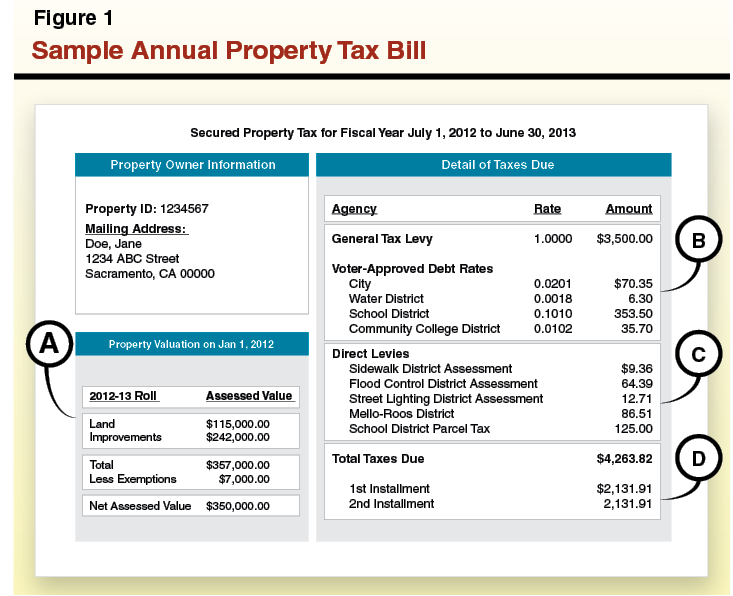
Property taxes play a pivotal role in funding the public services that underpin the quality of life and the allure of California. From the schools that educate future generations to the fire and police departments that ensure safety, and the parks and infrastructure that enhance our travel and daily lives, these taxes are the lifeblood of local communities. For anyone interested in the state’s real estate, be it a hotel developer, a prospective homeowner, or a short-term rental operator, grasping the “what,” “how,” and “why” of California property tax is essential for informed decision-making and a seamless experience. This comprehensive guide will demystify the system, offering insights relevant to travelers, property owners, and anyone captivated by the California dream.
Understanding California’s Property Tax System: The Basics
At its core, property tax in California is an ad valorem tax, meaning it’s assessed based on the value of real estate. Unlike some other states where property taxes can fluctuate significantly year-to-year with market changes, California’s system is largely defined by a landmark initiative passed decades ago, designed to provide stability and predictability for property owners.
The Foundation: Proposition 13 and its Legacy
The single most defining feature of California’s property tax system is Proposition 13, passed by voters in 1978. This constitutional amendment fundamentally reshaped how property is assessed and taxed. Before Proposition 13, rapidly increasing property values led to soaring tax bills, forcing many long-time residents out of their homes. Proposition 13 changed this by:
- Capping the Base Tax Rate: It established a statewide base property tax rate of 1% of the property’s assessed value. This 1% is then supplemented by local bonded indebtedness (e.g., school bonds, infrastructure bonds), which typically adds another 0.1% to 0.4%, bringing the total effective rate generally between 1.1% and 1.4% in most areas.
- Limiting Annual Increases: Perhaps the most significant impact, Proposition 13 limits the annual increase in a property’s assessed value to no more than 2% per year, regardless of how much its market value appreciates. This provides a tremendous shield against rapidly escalating tax bills for long-term property owners.
- Triggering Reassessment: A property’s assessed value is only reassessed to its current market value when there is a “change in ownership” (e.g., sale, inheritance, gift) or new construction. This means that a home purchased decades ago could have a significantly lower assessed value (and thus lower property taxes) than an identical home next door that was recently sold.
Understanding Proposition 13 is paramount for anyone considering property ownership or long-term investment in California. It explains why two seemingly identical properties in popular areas like San Diego or Santa Monica can have vastly different annual property tax bills.
How Property Tax is Calculated: Assessment and Rates
The calculation of property tax in California involves two primary components: the assessed value and the tax rate.
- Assessed Value: When a property is purchased, its assessed value is typically set at the purchase price. After that, this value can only increase by a maximum of 2% per year, or by the inflation rate (whichever is lower). Significant new construction or major additions to a property can also trigger a reassessment of the value added by the improvement. The County Assessor in each of California’s 58 counties is responsible for determining these assessed values.
- Tax Rate: As mentioned, the base tax rate is 1% of the assessed value, plus any approved local bonds. These local bonds fund specific projects and services within districts, such as schools, libraries, or local infrastructure improvements crucial for tourism and daily life. The cumulative effect of these bonds can vary significantly from one city or district to another, even within the same county.
For example, a luxury hotel in Beverly Hills that was purchased in 1990 would have its assessed value based on its 1990 purchase price, adjusted annually by a maximum of 2%. If that same hotel were sold today, its new assessed value would reset to the current market value, leading to a substantial increase in its annual property tax burden for the new owner. This dynamic can heavily influence investment strategies for hospitality groups and real estate developers looking to acquire existing properties or build new resorts in prime California locations.
The Role of Local Government and Public Services
The revenue generated from property taxes is overwhelmingly directed to local government entities. These funds are vital for supporting:
- Public Education: A significant portion goes to local K-12 school districts and community colleges.
- Public Safety: Police and fire departments rely heavily on property tax revenue.
- Infrastructure: Funding for roads, bridges, public transit, and utility systems, which are essential for both residents and the millions of tourists exploring destinations like Palm Springs or Lake Tahoe.
- Parks and Recreation: Maintaining public parks, beaches, and recreational facilities, which are key attractions for families and outdoor enthusiasts.
- Local Government Operations: General services provided by cities and counties, including planning, zoning, and public health.
For visitors, while not directly paying property tax, the quality of these services indirectly enhances their travel experience. Well-maintained roads, safe communities, and vibrant public spaces funded by property taxes contribute to the overall appeal and efficiency of California as a premier travel destination. For those considering a long-term stay or an investment in vacation rental properties, the quality of local services directly impacts desirability and property values.
Navigating Property Tax for Residents, Investors, and Travelers
Beyond the basic framework, California property tax has several nuances that can significantly impact various stakeholders, from the individual planning a move to a large corporation investing in a new hotel or resort.
Property Tax for Homeowners and Real Estate Investors
For homeowners, Proposition 13 offers considerable long-term stability, protecting them from market volatility. However, new buyers often face higher tax bills initially, as their assessed value resets to the purchase price. This is a critical factor when budgeting for a home in competitive markets like Orange County or the San Francisco Bay Area.
Real estate investors, including those operating hotels, vacation rentals, or long-term accommodation, must factor property taxes into their pro forma analyses.
- Acquisitions: The “change in ownership” rule means newly acquired properties will have taxes reset to market value, leading to potentially higher operating costs than properties held for decades.
- New Construction: New builds are assessed at their completion value. For a new resort in Anaheim or a luxury villa complex in Malibu, the initial property tax bill will reflect its full market value.
- Vacation Rentals: Owners of short-term rentals (like those found in Palm Springs or near Disneyland) must incorporate property taxes into their operational costs, which ultimately influences rental rates and profitability. These properties are subject to the same assessment rules as primary residences.

Special Assessments and Mello-Roos Districts
Beyond the general property tax, many California properties are also subject to “special assessments” or “direct levies.” These are charges for specific local public improvements or services that directly benefit the properties within a defined area. Common examples include:
- Mello-Roos Community Facilities Districts (Mello-Roos): These are formed by local governments to finance public facilities and services in new developments or significantly redeveloped areas. This could include schools, parks, roads, water, sewage, and even police and fire protection. Mello-Roos taxes are typically added to the property tax bill and can be substantial, often lasting for decades. They are particularly common in newer master-planned communities across California, influencing the total cost of living and potentially increasing the overhead for hotel or housing developments.
- Other Special Assessments: These might include charges for flood control, street lighting, landscaping, or specific utility districts.
For those exploring properties for long-term accommodation or investment, it’s crucial to investigate if a property falls within a Mello-Roos district or is subject to other special assessments, as these can add thousands of dollars annually to the total property tax burden. This information is readily available through a property’s tax records.
Exemptions and Relief Programs: Opportunities for Savings
While California’s property tax system can seem complex, there are several exemptions and relief programs designed to assist specific groups of property owners:
- Homeowners’ Exemption: This is the most common exemption, providing a reduction of up to $7,000 in a property’s assessed value (resulting in a tax saving of around $70-$80 annually) for owner-occupied primary residences.
- Disabled Veterans’ Exemption: Qualified disabled veterans and their spouses can receive a significant reduction in their assessed property value, potentially saving thousands of dollars annually.
- Senior and Disabled Persons’ Property Tax Postponement: This program allows eligible seniors (62+) and disabled individuals to postpone payment of property taxes on their primary residence, with the deferred taxes becoming a lien against the property.
- Parent-Child and Grandparent-Grandchild Exclusion (Proposition 19): Historically, Proposition 13 allowed for the transfer of a property’s low assessed value from parent to child (or grandparent to grandchild), preserving the lower tax base. While Proposition 19 (2020) significantly narrowed these rules, it still allows for some transfers, particularly if the child uses the property as their primary residence, or if a severe wildfire or natural disaster has impacted the property. This is a critical consideration for family wealth transfer and legacy planning in California.
- Disaster Relief: Properties severely damaged by natural disasters (e.g., wildfires, floods) may be eligible for temporary tax relief based on a reduced assessed value.
These programs highlight that while property taxes are universal, opportunities exist for eligible individuals to mitigate their financial impact, allowing them to better enjoy the California lifestyle.
The Broader Impact: Property Tax and the California Lifestyle
Beyond individual finances, California’s property tax system has profound implications for the state’s housing market, economy, and overall appeal as a travel and living destination.
Influence on Housing Market and Affordability
Proposition 13’s unique structure significantly influences housing affordability and dynamics. For long-term residents, it provides a powerful incentive to stay in their homes, as selling would trigger a reassessment and potentially much higher property taxes on a new purchase. This “lock-in” effect contributes to a lower turnover of homes, exacerbating housing supply shortages and contributing to California’s high housing costs, especially in sought-after areas like San Jose or Santa Barbara.
For those dreaming of a California lifestyle—whether it’s a luxury retreat in Malibu or a family home in Sacramento—understanding that the total cost of homeownership includes a property tax component that resets upon purchase is vital for accurate budgeting. The sticker price of a home is just the beginning; the annual property tax bill, plus any special assessments, adds to the ongoing cost of living.
Property Tax and the Tourism/Hospitality Sector
The property tax system also has a tangible, albeit indirect, effect on California’s massive tourism and hospitality industry.
- Hotel and Resort Development: Property taxes represent a significant fixed cost for hotel owners and developers. The cost of owning and operating a Grand Hyatt Hotel in San Francisco or a boutique resort in Napa Valley includes substantial property tax liabilities. These costs are ultimately factored into room rates, potentially impacting the affordability of luxury travel and the overall competitiveness of California destinations.
- Vacation Rentals: The rise of short-term rental platforms has introduced new considerations. Property taxes for these homes are calculated identically to primary residences. However, the operational costs for owners of these properties include property taxes, which influence the pricing of their accommodations. For travelers seeking unique accommodation options beyond traditional hotels, the underlying property tax structure plays a role in the pricing and availability of these distinctive stays.
- Funding Infrastructure for Tourism: As noted, property taxes fund essential infrastructure and services. Well-maintained roads to Big Sur, efficient public transportation in Los Angeles, and beautiful public parks (many of which are landmarks themselves) contribute directly to a positive tourist experience. Without property tax revenue, the quality of these amenities, crucial for attracting and serving visitors, would likely diminish.
Planning Your Stay: From Short-Term Rentals to Long-Term Living
For travelers and those considering longer stays, property tax is an invisible but influential factor. If you’re looking for a luxury villa for a month-long retreat, the owner’s property tax burden, alongside other operational costs, will be reflected in your rental rate. For expatriates or digital nomads considering a temporary residence, understanding the tax landscape can inform decisions about renting versus buying, and which California communities offer the most value for their lifestyle. The state’s diverse regions, from the tech hubs of Silicon Valley to the artistic enclaves of Laguna Beach, each have unique property tax profiles and associated living costs. Integrating this knowledge into your travel and accommodation planning can lead to more informed choices and a more fulfilling California experience.
Paying Your Property Taxes: A Practical Guide
Once you own property in California, understanding the payment process is straightforward. Property tax bills are issued annually by the respective County Assessor and are typically paid in two installments:
- First Installment: Due by November 1st and becomes delinquent after December 10th.
- Second Installment: Due by February 1st and becomes delinquent after April 10th.
Penalties and interest accrue if payments are not made by the delinquency dates. Most property owners with mortgages have their property taxes (along with insurance) collected by their lender and paid from an escrow account. However, if you do not have an escrow account, or for new construction or changes in ownership that generate “supplemental tax bills,” you will be responsible for direct payment.
Supplemental tax bills are particularly important for new owners. When a property changes ownership or undergoes new construction, the assessed value may change mid-year. This generates a “supplemental” bill covering the difference in taxes between the old and new assessed values for the remainder of the tax year. These bills are sent separately from the annual tax bill and can sometimes surprise new owners if they are not anticipated.
Property tax information, including assessed values and payment history, is publicly available through your county’s Assessor-Recorder’s office website. This resource is invaluable for prospective buyers, allowing them to research historical tax data and estimate future liabilities before making a purchase.
In conclusion, property tax in California is more than just a line item on a budget; it’s a cornerstone of the state’s economic and social fabric. Shaped by Proposition 13, it offers both stability and complexity, influencing everything from housing affordability to the cost of luxury resorts. For anyone looking to invest, relocate, or simply enjoy an extended stay in the Golden State, a clear understanding of this system is indispensable for making the most of all that California has to offer.