
The relationship between Puerto Rico and the United States is a deeply complex, multifaceted, and often misunderstood bond that transcends simple geographical proximity. More than just a tropical island in the Caribbean, Puerto Rico serves as a unique bridge between North American and Latin American cultures, a vibrant economic partner, and an increasingly popular travel destination for U.S. citizens and international visitors alike. For many Americans, Puerto Rico represents a slice of paradise that feels both exotic and familiar, a place where the U.S. dollar is the currency, English is widely spoken alongside Spanish, and no passport is required for entry. Yet, beneath this veneer of convenience lies a rich history, a distinct identity, and an ongoing political dialogue that defines its enduring significance to the United States.

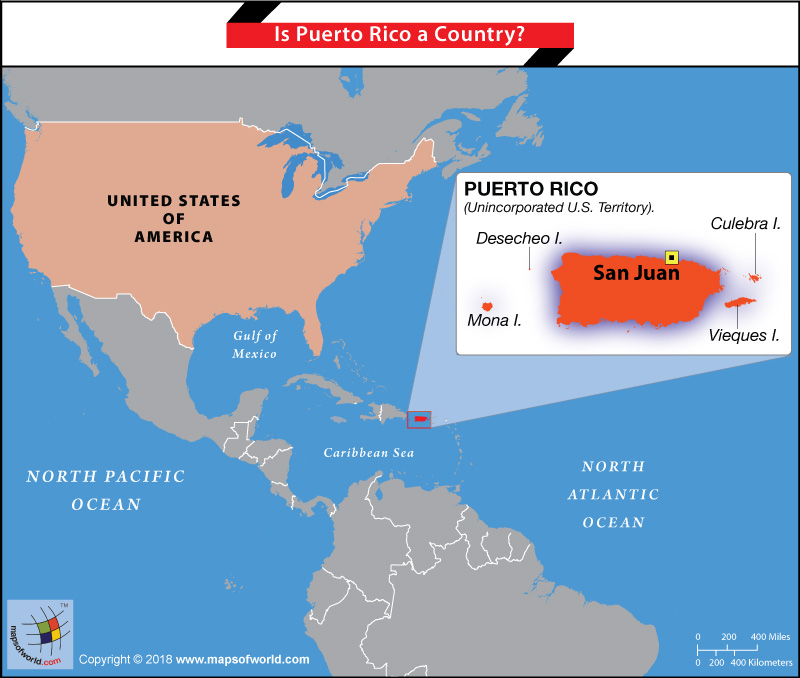
From a purely political standpoint, Puerto Rico is an unincorporated territory of the United States, a commonwealth with a unique status that grants its residents U.S. citizenship but with limited representation in the federal government. This arrangement, born from historical events and evolving through generations, shapes every aspect of life on the island, from its economic structure to its cultural expressions. However, to truly understand what Puerto Rico means to the United States today, one must look beyond legal definitions and delve into its role as a vital travel hub, a melting pot of traditions, and a resilient community facing both challenges and immense opportunities.
A Complex Political and Historical Tapestry
The historical narrative connecting Puerto Rico to the United States is foundational to understanding their present relationship. It’s a story rooted in geopolitical shifts and cultural confluence, setting the stage for the island’s unique position in the American sphere.
The Commonwealth Status Explained
Puerto Rico became a U.S. territory in 1898 following the Spanish-American War, formally ceded by Spain under the Treaty of Paris. Over the decades, its status evolved, culminating in its designation as a commonwealth in 1952. This grants Puerto Rico significant self-governing authority over local affairs, including its own constitution, legislature, and judicial system.
However, as an unincorporated territory, the island is subject to the plenary powers of the U.S. Congress, meaning Congress can legislate for Puerto Rico as it deems fit. Puerto Ricans are U.S. citizens, can travel freely to the mainland, and serve in the U.S. military, yet they cannot vote in federal elections for president or elect voting representatives to Congress. They do, however, have a non-voting Resident Commissioner in the House of Representatives who can speak and participate in committees but cannot cast votes on the House floor.
Economically, this relationship means Puerto Rico operates within the U.S. customs union and uses the U.S. dollar. It receives federal aid but is exempt from certain federal taxes, such as federal income tax on island-sourced income, though Puerto Ricans pay federal payroll taxes. The island is also subject to the Jones Act, which mandates that all goods shipped between U.S. ports must be transported on ships built, owned, and operated by U.S. citizens. This law has long been a point of contention, with critics arguing it raises the cost of living and doing business in Puerto Rico by limiting shipping options. The debate over Puerto Rico’s ultimate political status—statehood, independence, or an enhanced commonwealth—remains a central and often passionate topic of discussion both on the island and in Washington D.C.
Bridging Cultures and Identities
Beyond legal frameworks, Puerto Rico serves as a vibrant cultural bridge. Its identity is a rich mosaic, blending the indigenous Taino heritage with centuries of Spanish colonial influence and over a century of American interaction. This unique blend is evident in everything from the language—with Spanish as the primary language and English widely used—to its cuisine, music, and traditions. The fusion creates a distinct Puerto Rican identity that is fiercely proud and resilient.
For the United States, Puerto Rico represents a living testament to cultural diversity within its own borders. It enriches the American cultural landscape with its vibrant salsa rhythms, the savory aromas of its kitchens, and its deep-rooted Catholic traditions. The diaspora of Puerto Ricans on the mainland, particularly in states like Florida and New York, further strengthens these cultural ties, influencing American society with their unique contributions and perspectives.
An Irresistible Caribbean Travel Gem
While its political status is complex, Puerto Rico’s appeal as a travel destination for Americans is unequivocally simple. Its position as a U.S. territory eliminates many of the common hurdles associated with international travel, making it an incredibly accessible and attractive option for a diverse range of visitors.
Ease of Access for U.S. Travelers
One of the most significant advantages for U.S. citizens traveling to Puerto Rico is the seamless experience it offers. No passport is required, simplifying travel logistics and reducing pre-departure stress. Flights from major U.S. cities are considered domestic, often with competitive prices, and visitors clear customs and immigration upon arrival back on the mainland, just like any other domestic flight. The official currency is the U.S. dollar, and English is widely spoken in tourist areas alongside Spanish, ensuring smooth communication and transactions. This blend of tropical allure with American convenience makes Puerto Rico an ideal choice for first-time international travelers, families, and those seeking a hassle-free getaway.
Diverse Landscapes and Natural Wonders
Puerto Rico truly is an island of enchantment, boasting an incredible array of natural beauty packed into its relatively small size. For nature lovers and adventure seekers, the island offers an unparalleled playground:
- El Yunque National Forest: The only tropical rainforest in the U.S. National Forest System, El Yunque is a lush wonderland of waterfalls, diverse flora and fauna, and invigorating hiking trails. Visitors can explore its ecological treasures, swim in natural pools, and marvel at its breathtaking vistas.
- Bioluminescent Bays: Puerto Rico is home to three of the world’s five bioluminescent bays, incredible natural phenomena where microorganisms in the water glow when disturbed. The most famous, Mosquito Bay on the island of Vieques, offers an unforgettable kayaking experience under a canopy of stars. Other notable bays include Laguna Grande in Fajardo and La Parguera in Lajas.
- Stunning Beaches: From the pristine white sands of Flamenco Beach on Culebra, consistently ranked among the world’s best, to the tranquil shores of Luquillo Beach with its calm waters perfect for families, Puerto Rico offers a beach for every preference. Surfers flock to the west coast town of Rincón, while snorkeling and diving enthusiasts find vibrant coral reefs off Cabo Rojo and near the Vieques National Wildlife Refuge and Cayo Icacos.
- Mountainous Interior: Beyond the coasts, the central mountain range provides cooler temperatures, lush coffee plantations, and opportunities for zip-lining, caving, and exploring picturesque towns like Jayuya.
Historic Cities and Cultural Immersion
The island’s cities are steeped in history and vibrant local culture, offering visitors a chance to step back in time while enjoying contemporary amenities.
- Old San Juan: The crown jewel of Puerto Rico, Old San Juan is a UNESCO World Heritage site and a must-visit destination. Its narrow, cobblestone streets are lined with brightly colorful streets of historic architecture dating back to the 16th century. Dominating the cityscape are the formidable fortifications of El Morro and San Cristobal, testaments to centuries of colonial defense. Walking through Old San Juan is an immersion in history, with charming plazas, ancient churches, and boutique shops. The Museo de Arte de Puerto Rico and La Fortaleza, the governor’s mansion, are other key landmarks.
- Ponce: Known as the “Pearl of the South,” Ponce offers a different flavor of colonial history with its distinctive neoclassical architecture and vibrant red and black firehouse, Parque de Bombas. Key attractions include the Serrallés Castle, a magnificent mansion offering panoramic views, and the renowned Ponce Museum of Art, featuring a significant collection of European and Puerto Rican works.
- Cultural Experiences: Throughout the island, visitors can engage with Puerto Rico’s vibrant music scene, particularly salsa and bomba y plena, and participate in lively festivals celebrating patron saints or historical events. Artisan markets offer unique handcrafted goods, while the warm hospitality of the locals ensures a memorable and authentic experience.
Accommodation and Lifestyle: Catering to Every Traveler
The extensive tourism infrastructure developed over decades highlights Puerto Rico’s importance as a travel destination. The island caters to a wide spectrum of lifestyle preferences and travel budgets, ensuring every visitor finds their ideal stay.
From Luxury Resorts to Boutique Stays
Puerto Rico boasts a diverse range of accommodation options to suit every taste and budget. For those seeking luxury travel, world-class resorts offer impeccable service, stunning oceanfront locations, and a full suite of amenities. Properties like Dorado Beach, a Ritz-Carlton Reserve and the St. Regis Bahia Beach Resort provide an opulent escape, complete with private suites, gourmet dining, and championship golf courses.
In Old San Juan and other urban areas like Condado and Isla Verde in San Juan, boutique hotels and charming guesthouses offer a more intimate experience, often housed in beautifully restored colonial buildings. For budget travel or longer visits, there are numerous vacation rentals, including apartments and villas available through various booking platforms, providing flexibility and a taste of local living. These options are ideal for family trips or those planning a long-term stay. Travelers can compare reviews and options to find the perfect fit, whether it’s an all-inclusive experience or a self-catering adventure.
Culinary Delights and Vibrant Nightlife
Puerto Rico’s food scene is a highlight for any visitor, reflecting its rich cultural fusion. Traditional Puerto Rican cuisine, often called cocina criolla, combines Spanish, African, and Taino influences. Must-try dishes include:
- Mofongo: Fried plantains mashed with garlic, olive oil, and pork cracklings, often served with choice of meat or seafood.
- Lechón: Slow-roasted whole pig, a staple for celebrations, particularly found in the mountainous interior at “Lechoneras.”
- Fresh Seafood: Given its island location, fresh catch is abundant, from snapper and mahi-mahi to octopus and conch.
- Piña Colada: The official drink of Puerto Rico, rumored to have been invented at the Barrachina restaurant in San Juan.
The island also boasts a thriving nightlife, especially in San Juan. From salsa clubs in Old San Juan and lively bars on Calle del Cristo to the upscale lounges in Condado and Isla Verde, there’s entertainment for every preference. Visitors can also explore rum distilleries like Casa Bacardi for tours and tastings, learning about the island’s famous spirit.
Activities and Experiences for All Ages
Puerto Rico excels in offering a vast array of activities and experiences, solidifying its appeal as a comprehensive travel destination:
- Water sports: From snorkeling and diving in crystal-clear waters to surfing on the west coast, the opportunities are endless. Kayaking through mangroves or paddleboarding in tranquil bays are also popular.
- Adventure Tourism: The rainforest offers hiking and waterfall swimming, while zip-lining parks provide exhilarating thrills. Caving expeditions explore underground rivers and ancient Taino petroglyphs.
- Relaxation and Wellness: Many resorts offer spas and wellness programs, inviting guests to unwind amidst the serene Caribbean setting.
- Golf: With several championship golf courses designed by legends like Robert Trent Jones Sr. and Tom Kite, Puerto Rico is a premier golf destination.
- Family trips, romantic getaways, or business stays: The island caters to all, with attractions ranging from children-friendly museums and theme parks to adults-only resorts and conference facilities.

Looking Ahead: The Future of the Relationship
The relationship between Puerto Rico and the United States is not static; it is a dynamic bond continually evolving. The debates surrounding Puerto Rico’s political status—statehood, independence, or an enhanced commonwealth—continue to shape discussions on its future. Each option presents its own set of challenges and opportunities, profoundly impacting economic development, federal funding, and the island’s unique cultural identity.
Despite the political complexities and the immense challenges posed by natural disasters like hurricanes Maria and Fiona, and ongoing economic downturns, Puerto Rico has consistently demonstrated remarkable resilience. The island’s tourism industry, in particular, has proven to be a robust driver of recovery and economic development, attracting investment and creating jobs. Its status as a U.S. territory, offering ease of access and familiarity, remains a critical factor in this recovery and growth.
In essence, Puerto Rico is far more than just a dot on the map or a political dependency to the United States. It is a vibrant cultural partner, a vital part of the American economic fabric, and an increasingly popular and accessible jewel in the Caribbean for travelers seeking diverse experiences. Its people, history, and landscapes enrich the broader American story, embodying a unique blend of heritage and shared future. For U.S. citizens, it’s an opportunity to experience an exotic destination without leaving the convenience of home. For the United States, it represents a commitment to a community that is deeply American yet distinctively Puerto Rican, forever bound by history, economy, and culture.
LifeOutOfTheBox is a participant in the Amazon Services LLC Associates Program, an affiliate advertising program designed to provide a means for sites to earn advertising fees by advertising and linking to Amazon.com. Amazon, the Amazon logo, AmazonSupply, and the AmazonSupply logo are trademarks of Amazon.com, Inc. or its affiliates. As an Amazon Associate we earn affiliate commissions from qualifying purchases.