
The world of hotel pricing can seem like a labyrinth, with dynamic rates, packages, and discounts swirling around a core figure that often dictates the baseline: the rack rate. For savvy travelers, understanding this fundamental hotel concept is key to unlocking better deals and making informed booking decisions. While rarely the price you’ll actually pay, the rack rate serves as a vital anchor in the complex ecosystem of hotel revenue management.
Understanding the Foundation: The Rack Rate Defined
At its simplest, the rack rate is the official, publicly advertised, and highest possible price a hotel charges for a standard room on any given night, without any discounts or promotions applied. Think of it as the “sticker price” for a hotel room. It’s the rate displayed on the hotel’s own price list or “rack” – hence the name – or readily available through direct inquiry without the need for special access or affiliation. This rate is typically set by the hotel’s management and reflects the perceived value of their services, amenities, and location.

The Significance of the Rack Rate
While the advent of online travel agencies (OTAs) and sophisticated yield management systems means most guests rarely encounter the true rack rate, its significance endures for several reasons:
- Benchmark for Discounts: The rack rate acts as the highest point of reference. All other rates – whether they are corporate rates, package deals, AAA discounts, or last-minute offers – are typically calculated as a percentage off this baseline. Without a defined rack rate, it would be difficult for hotels to track and communicate the value of their promotional pricing.
- Public Perception: It establishes a perception of the hotel’s standard pricing tier. A high rack rate can signal luxury and exclusivity, while a lower one might suggest a more budget-friendly or mid-range establishment. This is particularly important for walk-in guests or those who book through less sophisticated channels where discounts may not be immediately apparent.
- Negotiation Point: For corporate clients, travel agents, or group bookings, the rack rate provides a clear starting point for negotiations. A travel manager can confidently ask for a certain percentage off the rack rate, knowing exactly what that discount represents in absolute terms.
- Internal Reference: Hotels use the rack rate internally for budgeting, forecasting, and performance analysis. It helps them understand their revenue potential under ideal, undiscounted conditions.
What Does the Rack Rate Typically Include?
The rack rate generally covers the cost of a standard room for one night. This usually includes:
- Accommodation: A night’s stay in a designated room type (e.g., a standard king or queen room).
- Basic Amenities: Access to in-room amenities such as Wi-Fi, television, toiletries, and standard housekeeping services.
- Hotel Facilities: The ability to use common hotel facilities like the lobby, and sometimes, though not always explicitly stated within the rack rate itself, basic access to amenities like a fitness center or swimming pool.
It’s crucial to note that the rack rate does not typically include:
- Taxes and Fees: Local occupancy taxes, service charges, or resort fees are usually added on top of the rack rate.
- Ancillary Services: Food and beverage, minibar usage, laundry services, spa treatments, parking, or room service are all additional charges.
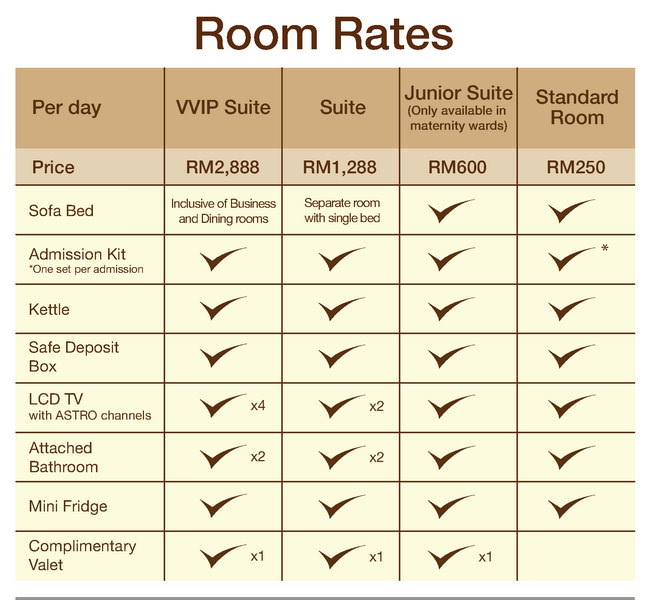
- Room Upgrades: Suites, rooms with premium views, or specialty accommodations will have their own distinct rack rates, which are naturally higher than that of a standard room.
Why You Almost Never Pay the Rack Rate
The hotel industry is a masterclass in dynamic pricing. The rack rate, while a foundational concept, is rarely the final price a consumer pays. This is due to a multitude of factors designed to maximize occupancy and revenue throughout the year.
The Power of Dynamic Pricing and Yield Management
Hotels employ sophisticated yield management strategies, similar to those used by airlines, to adjust prices based on demand, seasonality, day of the week, and even local events.
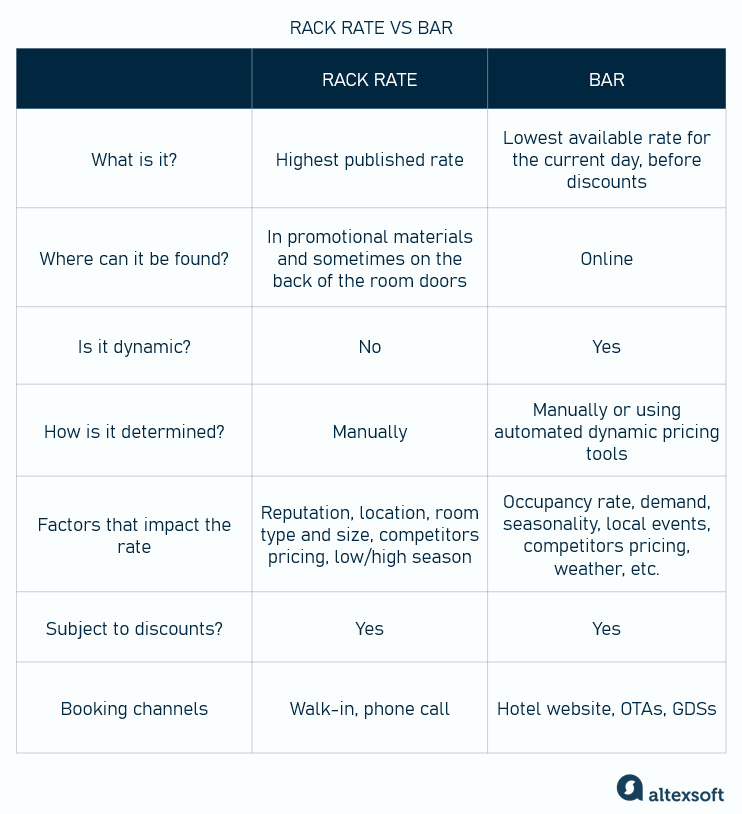
- Demand Fluctuations: On nights with high demand (e.g., during major conferences in Las Vegas, holidays in Paris, or festivals in Edinburgh), the actual selling price can exceed the rack rate if the hotel believes it can command it. Conversely, during periods of low demand, prices can plummet far below the rack rate to stimulate bookings and fill rooms.
- Seasonality: Prices for hotels in beach destinations like the Maldives will be significantly higher during peak season (winter) compared to their off-season (monsoon). The rack rate might represent a summer peak, but the actual price in January could be considerably higher.
- Day of the Week: Business hotels in cities like New York might have higher rates on Tuesday and Wednesday nights due to corporate travel, while weekend rates could be lower. Leisure destinations often see the opposite trend.
- Length of Stay: Some hotels offer discounts for longer stays, effectively reducing the per-night cost below the rack rate.
The Influence of Third-Party Channels and Direct Bookings
The rise of online travel agencies (OTAs) like Booking.com, Expedia, and Agoda has fundamentally altered how hotel rates are presented and sold.
- Negotiated Rates: Hotels often offer significant discounts to OTAs to secure a large volume of bookings. These negotiated rates are invariably lower than the rack rate.
- Promotional Campaigns: OTAs frequently run their own sales and promotions, further driving down prices.
- Loyalty Programs: Hotel loyalty programs, such as Marriott Bonvoy or Hilton Honors, offer members exclusive discounted rates and benefits that are lower than the rack rate.
- Direct Booking Incentives: Many hotels now offer incentives for booking directly through their own websites, such as free Wi-Fi, room upgrades, or slightly lower rates than what might be found on OTAs. These direct booking rates are also typically below the rack rate.
Special Promotions and Packages
Hotels frequently bundle their rooms with other services or offer discounts to specific customer segments.
- Package Deals: A weekend getaway package might include accommodation, breakfast, and a spa voucher, with the total price often being less than the sum of individual components at rack rate.
- Corporate and Group Rates: Businesses and event planners negotiate special rates based on volume or long-term agreements, which are always a reduction from the rack rate.
- Seasonal Sales: Hotels run promotions during holidays, off-peak seasons, or special events.
- Last-Minute Deals: To fill unsold rooms, hotels might offer steeply discounted rates just days or hours before check-in.
How to Leverage the Rack Rate for Better Value
While you may not pay the rack rate, understanding it still empowers you as a traveler. It provides context for the deals you see and helps you identify genuine savings.
Research and Comparison
- Know the Baseline: Before diving into booking sites, if possible, try to ascertain what the hotel’s rack rate might be. This can sometimes be found on older hotel websites, in travel guides, or by calling the hotel directly and asking for their “standard” or “published” rate for a specific room type. This knowledge gives you a benchmark for evaluating discounts.
- Compare Across Channels: Always compare prices across the hotel’s direct website, major OTAs, and even specialized travel sites. Look at how much of a discount is being offered from a perceived higher price.
- Look Beyond the Advertised Rate: Pay attention to what is included in the advertised price. A slightly higher rate that includes breakfast or parking might be more valuable than a lower rate that requires additional spending.
Smart Booking Strategies
- Join Loyalty Programs: Enrolling in hotel loyalty programs is almost always beneficial. You can earn points for free stays, receive member-exclusive discounts, and enjoy perks like late check-out or room upgrades.
- Consider Packages: If you plan to use hotel amenities like the spa or dine at their restaurants, a package deal might offer significant savings compared to booking services individually.
- Negotiate (When Appropriate): For longer stays, group bookings, or if you are a returning guest at a smaller, independent hotel, don’t hesitate to inquire about potential discounts. A polite request, especially during off-peak times, can sometimes yield results.
- Be Flexible with Dates: If your travel dates are flexible, use hotel search engines that allow you to view prices across an entire month. This can help you pinpoint the cheapest days to stay, often significantly below the rack rate.
Understanding Hidden Costs
- Factor in Taxes and Fees: Always add estimated taxes and resort fees to any advertised price to get a true cost. Sometimes, a slightly higher base rate with lower taxes and fees can end up being cheaper overall.
- Account for Ancillary Spending: If a deal seems too good to be true, consider if you’ll end up spending more on food, drinks, or activities that aren’t included.
The rack rate is more than just an outdated pricing concept; it’s the foundational element upon which the entire hotel pricing structure is built. By understanding what it represents and how it influences the rates you see, you can navigate the complexities of hotel bookings with greater confidence and ensure you are always getting the best possible value for your stay, whether it’s a luxurious suite at the Ritz Paris or a cozy room in a boutique hotel in Kyoto.
LifeOutOfTheBox is a participant in the Amazon Services LLC Associates Program, an affiliate advertising program designed to provide a means for sites to earn advertising fees by advertising and linking to Amazon.com. Amazon, the Amazon logo, AmazonSupply, and the AmazonSupply logo are trademarks of Amazon.com, Inc. or its affiliates. As an Amazon Associate we earn affiliate commissions from qualifying purchases.