
When travelers and culture enthusiasts visit the historic state of Maine, they often immerse themselves in the rugged coastline of Acadia National Park or the culinary delights of Portland. However, beyond the lighthouses and lobster shacks, Maine has made waves globally for its pioneering approach to democracy. Understanding the local culture of this United States destination requires an appreciation for how its citizens participate in the civic life that shapes their charming, independent-minded communities.
The Cultural Shift Toward Civic Participation
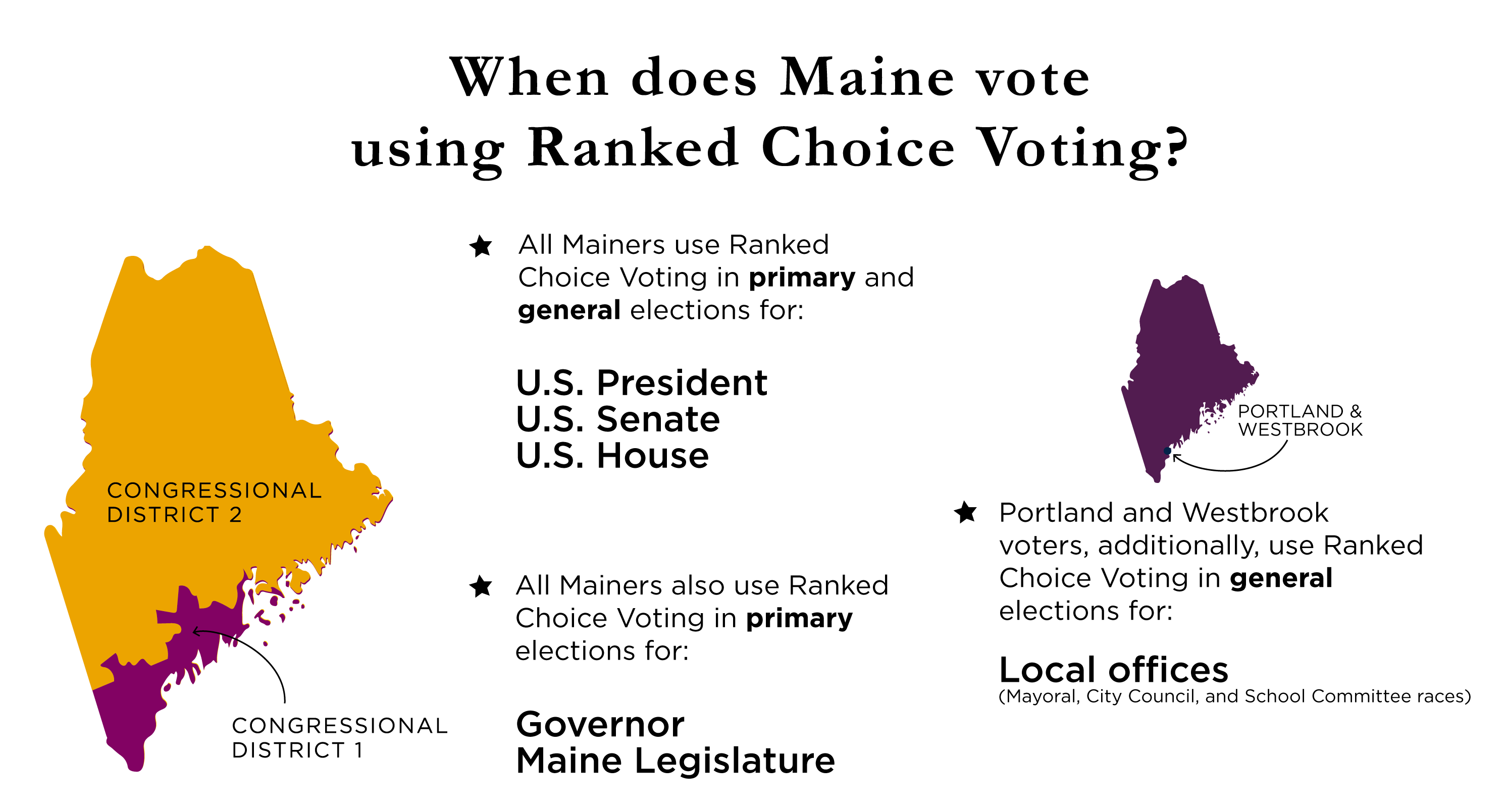
In the quiet, tree-lined streets of Augusta, the capital city, political discourse is a staple of local life. The adoption of Ranked Choice Voting (RCV) represents a distinct shift in how the people of Maine interact with their electoral systems. Unlike traditional “winner-take-all” contests that dominate many regions, RCV allows voters to express their preferences more granularly.

A Deeper Look at Local Democracy
For the visitor interested in the fabric of local society, RCV is more than just a procedural change; it is a reflection of the Maine spirit. This region prides itself on self-reliance and thoughtful deliberation. In a standard election, a voter might worry that choosing a third-party candidate will “waste” their vote. In an RCV system, the voter ranks candidates in order of preference. If their first choice doesn’t have enough support to stay in the running, their vote automatically transfers to their second choice.
This mechanism ensures that elected officials are supported by a broader consensus of the population. It fosters a political environment where candidates must appeal to more than just their base, often leading to more moderate and constructive campaign rhetoric—a trend that locals in Bar Harbor or Bangor have noted significantly changes the tone of the community during election season.
How the Process Functions on the Ground
For those observing the state’s local activities and cultural evolution, grasping the mechanics of RCV reveals why it has gained such traction in New England. The process is designed to be user-friendly, ensuring that the integrity of the ballot remains paramount for every citizen, from the bustling waterfronts of Kennebunkport to the inland forests.
The Round-by-Round Tally
- The Ballot Cast: When a voter steps into the polling booth, they see a list of candidates. Instead of marking a single “X,” they rank them: 1st choice, 2nd choice, 3rd choice, and so on.
- First-Choice Count: Election officials tally all the first-choice votes. If one candidate secures more than 50% of the vote, they are declared the winner immediately, much like a traditional election.
- The Redistribution Phase: If no candidate reaches the 50% threshold, the candidate with the fewest votes is eliminated. The voters who chose that candidate as their first choice now have their votes redistributed to their second-choice candidate.
- Repeating Until a Winner Emerges: This process continues, round by round, until one candidate crosses the 50% threshold.

This system is inherently inclusive. It mirrors the communal values found in small towns across the Atlantic Coast, where cooperation and finding common ground are considered essential virtues.
Why This Matters for the Visitor Perspective
One might ask why a traveler or a student of local culture should care about electoral systems. The answer lies in the “soul” of the destination. Maine is not just a place to visit for the scenery found in Penobscot Bay; it is a place with a distinct identity defined by its people’s dedication to fair and representative governance.
Community Engagement and Local Identity
- The “Town Meeting” Tradition: The RCV system aligns perfectly with the historical New England Town Meeting style, where every voice is heard, and compromise is a tool for progress.
- Encouraging Diversity of Thought: By removing the “spoiler effect,” voters are more empowered to support candidates who represent niche or specific regional interests, which keeps the vibrant culture of local municipalities alive and well.
- A Model for Other Regions: Many people travel to Maine to see how things are done differently. In many ways, the state serves as a laboratory for democracy, offering lessons on how civic processes can be adapted to foster a more inclusive society.
Cultural Pride in Governance
When dining in a local café in Camden or staying at a charming bed and breakfast in Boothbay Harbor, one might overhear conversations about local politics. The pride that residents take in their electoral system is palpable. It is part of what makes Maine unique compared to the rest of the North America. The willingness to adopt, test, and refine a system like RCV shows a progressive mindset that respects tradition while looking toward the future.
Implications for the Future of Civic Life
As other states look to Maine for guidance, the influence of this voting method continues to grow. It is a testament to the fact that local culture is not merely about food or landmarks; it is about the living, breathing decisions that define how a society functions.
Maintaining the Integrity of the Vote
The implementation of RCV has required significant investment in education and technology to ensure that every ballot is handled correctly. This commitment to transparency is a reflection of the broader ethos found throughout the state. Whether one is visiting the historic streets of Rockland or exploring the natural wonders of the White Mountains region, one finds a consistent thread of integrity and civic responsibility.
Final Thoughts on the Maine Experience
Understanding Ranked Choice Voting provides a lens through which to view the depth of Maine culture. It is a state that invites visitors not just to observe its beauty, but to understand its heart. From the rugged shores of the Gulf of Maine to the halls of its legislative buildings, the spirit of the people remains centered on the idea that every vote should count, and every voice should play a part in the direction of their home. For the cultural traveler, this adds a layer of intellectual intrigue to every interaction, making a trip to this part of the United States a journey through both stunning landscapes and thoughtful, modern democratic practice. By appreciating the civic nuances of the region, travelers leave with a more profound connection to the communities they have visited, realizing that the beauty of Maine is as much in its people as it is in its terrain.
LifeOutOfTheBox is a participant in the Amazon Services LLC Associates Program, an affiliate advertising program designed to provide a means for sites to earn advertising fees by advertising and linking to Amazon.com. Amazon, the Amazon logo, AmazonSupply, and the AmazonSupply logo are trademarks of Amazon.com, Inc. or its affiliates. As an Amazon Associate we earn affiliate commissions from qualifying purchases.