
For anyone with a passion for travel, whether it’s exploring vibrant urban landscapes, seeking serene natural retreats, or embarking on crucial business trips, understanding identification requirements is paramount. In the United States, the REAL ID Act has fundamentally reshaped how Americans prove their identity for domestic air travel and access to federal facilities. For residents and visitors alike navigating the vast and diverse expanse of Texas, comprehending “What is REAL ID Texas?” is not merely a bureaucratic detail but a crucial element of seamless travel and an enjoyable lifestyle.
This comprehensive guide delves into the specifics of REAL ID in the Lone Star State, explaining its origins, necessity, and the practical steps to ensure your identification meets federal standards. From planning your next escape to a luxurious Marriott resort in Galveston to securing a budget-friendly flight for a family reunion, knowing your REAL ID status is indispensable.

The Essentials of REAL ID: What Every Traveler Needs to Know
The concept of REAL ID emerged from a critical need to enhance security following the tragic events of September 11, 2001. It represents a significant effort by the federal government to establish more rigorous standards for identification documents, particularly those used for sensitive purposes like domestic air travel. For travelers across the United States, and especially those whose journeys begin or end in Texas, understanding the nuances of this federal mandate is the first step towards hassle-free travel and access.
Understanding the REAL ID Act and Its Purpose
The REAL ID Act of 2005, enacted by Congress upon the recommendation of the 9/11 Commission, established minimum security standards for state-issued driver’s licenses and identification cards. The core objective was to prevent terrorists and criminals from obtaining identification documents that could be used to evade security measures. States that comply with the REAL ID Act issue cards that are federally recognized for specific purposes.
For Texans, this means that their driver’s license or ID card, if REAL ID-compliant, features a distinct marking – typically a gold star or circle with a white star – indicating its enhanced security features. These cards are designed to be more difficult to counterfeit and require a more thorough vetting process by state licensing agencies, such as the Texas Department of Public Safety (DPS), ensuring the identity of the cardholder.
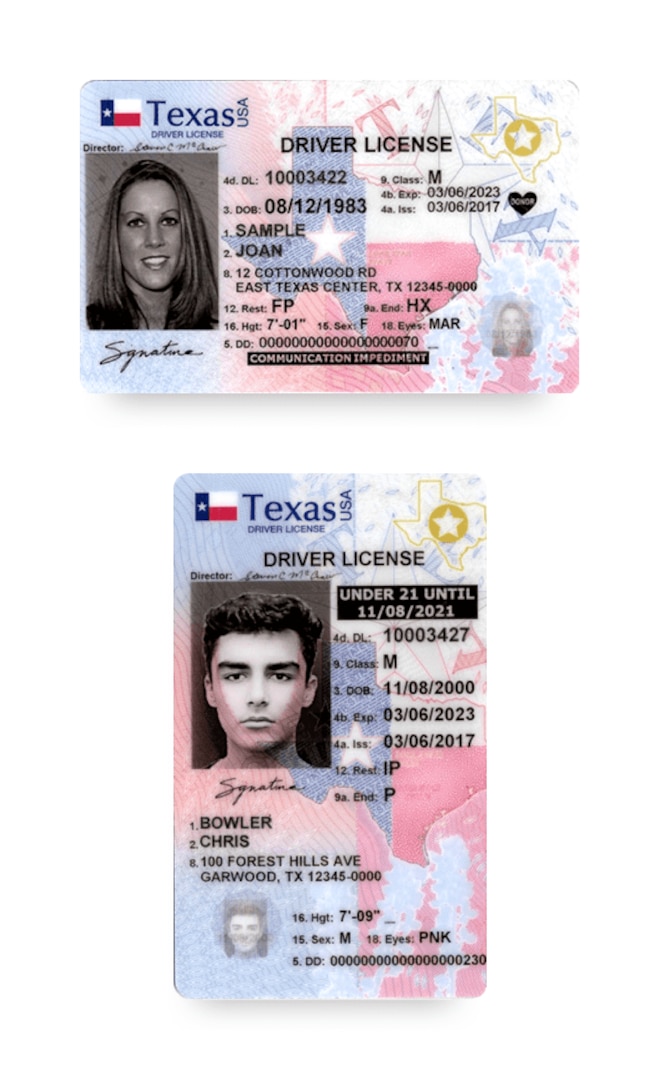
The underlying purpose extends beyond just flying. It’s about securing national infrastructure and sensitive locations. For instance, accessing federal facilities, military bases, or nuclear power plants will eventually require a REAL ID-compliant card or an acceptable alternative. This makes the REAL ID a fundamental component of not just air travel, but broader national security and the everyday lives of those who interact with federal agencies.
When Does REAL ID Enforcement Begin (or Continue)?
The enforcement timeline for the REAL ID Act has seen several adjustments, largely due to the complexities of state implementation and the recent global health crisis. However, the current and definitive enforcement date for domestic air travel is May 7, 2025. From this date onwards, every traveler 18 years of age or older will need a REAL ID-compliant driver’s license or identification card, or another acceptable form of identification, to fly within the United States.
What does this mean for a traveler embarking on a luxury trip from Dallas to Washington D.C. or a business traveler flying frequently between Houston and Austin? It means that without a REAL ID-compliant card (marked with that distinctive star) or an alternative document like a U.S. passport, they will not be permitted to pass through Transportation Security Administration (TSA) checkpoints at airports. This is a critical piece of information for planning any domestic travel, whether it’s for visiting family, exploring national landmarks, or attending conferences. The deadline may seem distant, but proactive preparation is key to avoiding last-minute travel disruptions.
Getting Your Texas REAL ID: A Step-by-Step Guide for Residents and Visitors
For those residing in Texas, obtaining a REAL ID-compliant driver’s license or ID card is a straightforward process, though it does require gathering specific documentation. The Texas Department of Public Safety (DPS) is the agency responsible for issuing these credentials, and they have streamlined the application to meet federal standards.
Documents Required for a REAL ID-Compliant Texas Driver License or ID Card
To apply for a REAL ID-compliant driver’s license or identification card in Texas, you will need to present several documents that establish your identity, U.S. citizenship or lawful presence, Social Security number, and residency. This robust requirement is what gives the REAL ID its enhanced security status. While the exact list can vary slightly based on individual circumstances, generally you will need:
- Proof of Identity and U.S. Citizenship or Lawful Presence:
- U.S. Passport or U.S. Passport Card
- Original or certified copy of a birth certificate
- U.S. Certificate of Citizenship or Naturalization
- Permanent Resident Card (Green Card)
- Foreign passport with a valid U.S. visa and I-94 Form
- Employment Authorization Card (EAD)
- Proof of Social Security Number (SSN):
- Social Security card
- W-2 form
- SSA-1099 form
- Pay stub with your name and SSN
- Proof of Texas Residency (Two Documents):
- Current Texas voter registration card
- Current Texas vehicle registration or title
- Homeowner’s or renter’s insurance policy or statement
- Utility bills (electricity, water, natural gas, internet, cable, satellite) dated within 90 days
- Medical or health card
- Unexpired Texas license to carry a handgun
- Financial statements or bank statements
- Proof of Name Change (if applicable):
- Marriage certificate
- Divorce decree
- Court order
It’s crucial to bring original documents, as photocopies are generally not accepted. For those planning a family vacation or a long-term stay, ensuring all family members (over 18) have their documentation in order can prevent unforeseen issues.
The Application Process: Where and How to Apply in Texas
Once you have gathered all the necessary documents, the application process for a REAL ID-compliant driver’s license or ID card in Texas involves a visit to a Texas Department of Public Safety (DPS) office. While walk-ins are sometimes accommodated, scheduling an appointment online via the DPS website is highly recommended to minimize wait times, especially in bustling cities like San Antonio or Fort Worth.
During your visit, you will:
- Present your documentation: A DPS representative will review your original documents to verify your identity, residency, and eligibility.
- Complete the application form: You will fill out a standard application for a driver’s license or identification card.
- Provide a thumbprint and signature: These biometric data points are part of the security enhancements.
- Have your photo taken: This will be the image on your new card.
- Pay the required fee: The cost is standard for a driver’s license or ID card.
- Receive a temporary card: You will typically be issued a temporary paper license or ID valid for a short period. Your permanent, REAL ID-compliant card will be mailed to your address within a few weeks.
This process ensures that every Texas resident who obtains a REAL ID-compliant card has undergone a thorough verification, contributing to safer travel experiences and secure access to federal facilities.

Beyond the Airport: REAL ID’s Impact on Travel and Federal Access
While domestic air travel is often the most cited reason for needing a REAL ID, its implications extend further into various aspects of travel and daily life. Understanding these broader impacts is crucial for comprehensive travel planning, whether you’re considering a multi-destination itinerary or simply ensuring you have appropriate identification for all scenarios.
Domestic Air Travel: The Primary Concern for Tourists and Business Travelers
The most immediate and significant impact of REAL ID compliance is on domestic air travel. After May 7, 2025, the Transportation Security Administration (TSA) will require a REAL ID-compliant driver’s license or another acceptable form of identification to board commercial flights. This is vital for all travelers, from those embarking on a leisure trip to explore the historic sites of San Antonio to business professionals flying between major hubs like Dallas and Houston.
Imagine booking a stay at a luxurious Grand Hyatt property, planning an exciting itinerary, only to be turned away at the airport security checkpoint. Such a scenario can derail an entire trip, leading to lost time, money, and significant stress. For budget travelers, the implications are equally severe, as missing a pre-booked, non-refundable flight can erase all savings. Therefore, verifying that your Texas driver’s license or ID card bears the gold star marking is an essential pre-flight check, alongside packing your bags and confirming hotel reservations.
Accessing Federal Facilities: More Than Just Flying
Beyond air travel, a REAL ID-compliant card is also required for entry into certain federal facilities. This includes, but is not limited to:
- Federal courthouses
- Military bases (like those found across Texas)
- Certain restricted federal buildings
- Some federal government agencies
While this might not affect every tourist, it’s particularly relevant for business travelers, government contractors, or individuals needing to conduct official business at federal installations. For instance, accessing the NASA Johnson Space Center in Houston for an official visit might eventually require a REAL ID or alternative identification. Understanding this broader scope ensures you are prepared for all situations that might arise during your travels or work within the state.
Alternatives to a REAL ID-Compliant Texas Driver License
What if you don’t have a REAL ID-compliant Texas driver’s license or ID card? Don’t panic. The Department of Homeland Security (DHS) and TSA accept several other forms of identification for domestic air travel and federal facility access. These alternatives are particularly useful for international visitors, those who don’t drive, or Texans who simply haven’t updated their state ID. Acceptable alternatives include:
- U.S. Passport or Passport Card: These are the gold standard for identification and are globally recognized.
- U.S. Military ID: Valid for active-duty personnel, reservists, and dependents.
- Enhanced Driver’s License (EDL): While Texas does not issue EDLs, some other states do. EDLs are distinct from REAL ID cards as they also serve as valid identification for land and sea travel to Canada, Mexico, and some Caribbean countries.
- Federally recognized tribal ID: For members of federally recognized tribes.
- Airline-issued ID (for pilots and crew): Specific to airline personnel.
- Department of Defense Common Access Card (CAC): For military and civilian employees.
- Global Entry card: Part of the trusted traveler program.
- Foreign government-issued passport: For international visitors and those not holding a U.S. REAL ID.
This flexibility ensures that international tourists visiting famous Texas landmarks like The Alamo or the vast wilderness of Big Bend National Park can still fly domestically using their passports. It also provides options for Texans who may not need a REAL ID-compliant card for their typical travel patterns but have a passport for international trips (e.g., to Europe).
Planning Your Texas Adventure: Why REAL ID Matters for Your Journey
The convenience and peace of mind that come with proper identification cannot be overstated, especially when planning travel. In a state as expansive and diverse as Texas, where distances between attractions can be vast, flying often becomes the preferred mode of transport for many, making REAL ID compliance a critical aspect of travel preparation.
Seamless Travel Experiences: From Dallas to Galveston
Imagine embarking on a multi-faceted Texas journey: starting with the urban sophistication of Dallas, flying to Corpus Christi for its coastal charm, and perhaps concluding with the historical ambiance of Galveston. Each leg of this journey could involve a domestic flight. With a REAL ID-compliant license or passport, these transitions are seamless. You move efficiently through TSA checkpoints, focus on enjoying your trip, and minimize any potential delays or stress.
For families planning their annual vacation, ensuring every adult has the correct identification can prevent tearful goodbyes at the security line. For business travelers, time is money, and any hiccup in the travel process can lead to missed meetings and lost opportunities. The REAL ID is not just a document; it’s an enabler of smooth, uninterrupted travel experiences that align with the desire for a well-planned and enjoyable lifestyle, whether it’s for luxury travel or a budget-conscious adventure.
Accommodations and Tourism: Ensuring a Smooth Start to Your Stay
While REAL ID primarily impacts air travel and federal access, its role in overall tourism and accommodation is indirect but significant. The ability to fly to your desired destination directly influences your choice of hotels, resorts, and long-term stays. If you can’t reach your destination by air, then booking that stunning suite at a Hilton in Houston or an apartment in Austin becomes moot.
Furthermore, upon arrival, while hotels typically accept any valid government-issued photo ID for check-in, having a recognized, federally compliant document like a REAL ID or passport provides an undeniable layer of assurance and professionalism. This peace of mind extends to enjoying local culture, participating in food tours, and engaging in various activities offered by Texas tourism. Travelers can focus on exploring the vibrant history of The Alamo, experiencing live music in Austin, or relaxing on the Gulf Coast without worrying about identification issues.
In essence, understanding “What is REAL ID Texas?” is fundamental to navigating the modern travel landscape. It’s a proactive step that ensures your adventures, whether for business or pleasure, begin and end without unexpected hurdles, allowing you to fully immerse yourself in the rich experiences Texas has to offer. Make sure your identification is ready, and prepare for your next unforgettable journey!
LifeOutOfTheBox is a participant in the Amazon Services LLC Associates Program, an affiliate advertising program designed to provide a means for sites to earn advertising fees by advertising and linking to Amazon.com. Amazon, the Amazon logo, AmazonSupply, and the AmazonSupply logo are trademarks of Amazon.com, Inc. or its affiliates. As an Amazon Associate we earn affiliate commissions from qualifying purchases.