
Navigating the expansive, high-desert landscapes of New Mexico requires more than just a reliable vehicle and a full tank of gas. As travelers traverse the winding highways and long, lonely stretches of asphalt that connect the Land of Enchantment, they may encounter signage designating specific stretches as a “Safety Corridor.” Understanding these zones is essential for anyone planning a road trip through this southwestern state, as they represent a proactive approach to highway safety and accident reduction.
Understanding the Purpose of Safety Corridors
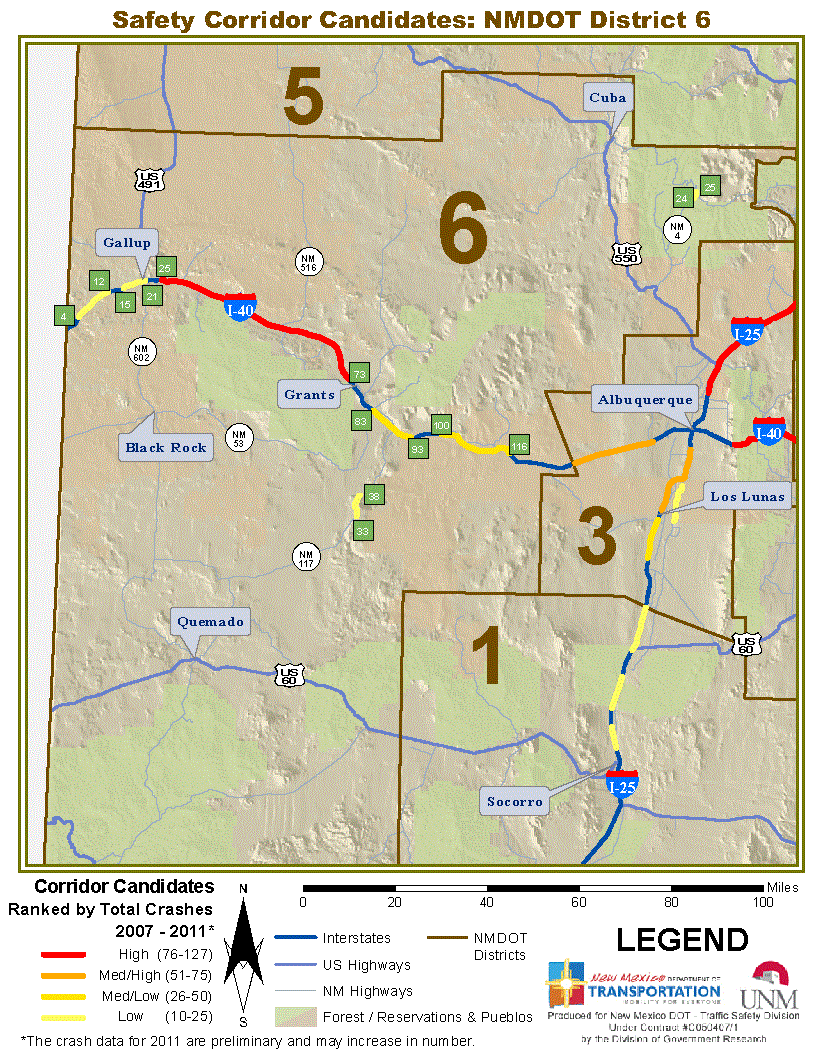
The concept of a safety corridor is a targeted traffic management strategy employed by the New Mexico Department of Transportation. These are not merely decorative designations; they are specific segments of state or federal highways that have been identified through rigorous data analysis as having a higher-than-average frequency of traffic crashes, injuries, or fatalities.
Identifying the Risk Factors
Road safety in New Mexico is frequently challenged by the state’s unique geography and driving culture. Safety corridors are usually established in areas where common contributing factors to accidents—such as excessive speed, impaired driving, distracted driving, and failure to use seatbelts—converge. By labeling these segments, transportation authorities signal to motorists that they are entering a high-risk zone where heightened awareness is required.
Regulatory and Enforcement Measures
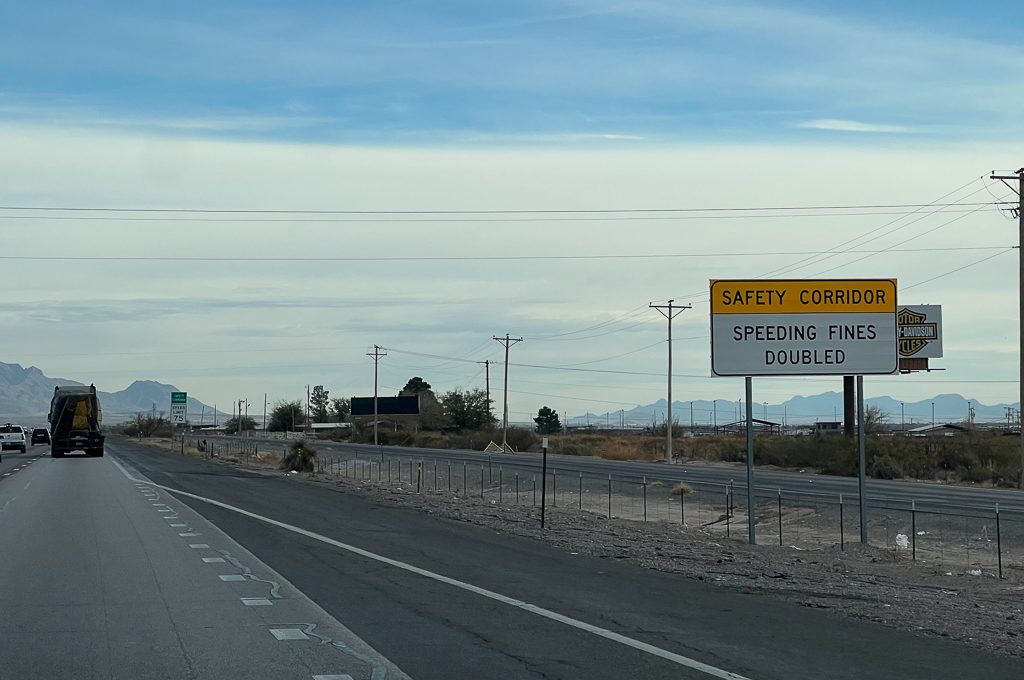
When a driver enters a safety corridor, the expectation for compliance with traffic laws becomes significantly more rigid. Law enforcement agencies often increase their presence within these areas. While the primary goal is to encourage voluntary compliance through increased visibility, it is common to see a stricter enforcement policy, which may include increased fines for traffic violations. Travelers should treat these zones with the same caution they would apply to a school zone or a construction area.
Where to Expect Safety Corridors
While the specific locations of safety corridors in New Mexico can change based on annual crash data and highway improvement projects, they are typically found on major thoroughfares that connect urban centers like Albuquerque, Santa Fe, and Las Cruces.
Highways and Mountain Passes
The geography of the region often dictates where these corridors are placed. Steep mountain passes, such as those near Sandia Peak or routes leading toward Taos, present significant challenges for drivers. The combination of elevation changes, sudden shifts in weather, and heavy tourist traffic often necessitates the designation of safety corridors to manage speed and improve reaction times for drivers.
High-Volume Commuter Routes
Not all safety corridors are located in remote wilderness areas. Many are situated on major corridors where heavy commuter volume leads to congestion and stop-and-go traffic. Areas surrounding Interstate 25 and Interstate 40 often feature these zones. Because these highways are the primary arteries for commerce and travel across the state, the New Mexico Department of Transportation prioritizes these segments to prevent the cascading accidents that often occur during peak transit hours.
Best Practices for Navigating High-Risk Zones
Traveling through a safety corridor does not need to be a stressful experience, provided that a driver exercises standard defensive driving principles. The designation is intended to remind motorists that, despite the beauty of the Chihuahuan Desert, the road demands complete attention.
Adhere Strictly to Posted Speed Limits
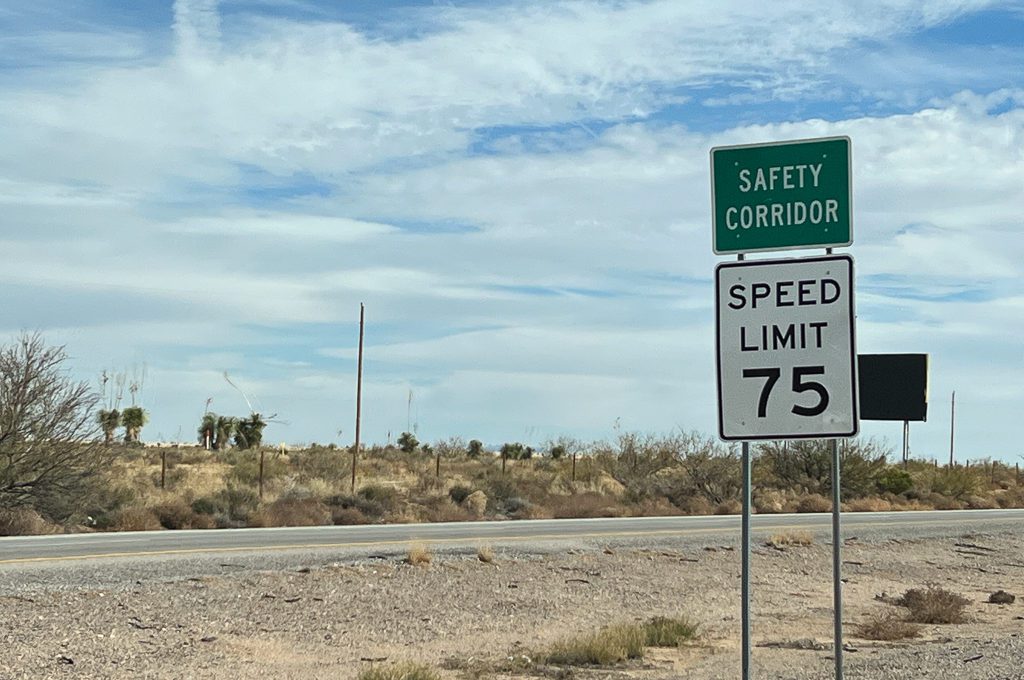
Speed is the leading factor in the severity of accidents within these corridors. In many cases, the speed limits in safety corridors are strictly enforced. Drivers should look for the specific signage marking the beginning and the end of the corridor. Even if the traffic seems light, maintaining the posted speed limit is the most effective way to ensure safety.
Minimize Distractions
In the age of GPS-guided tourism and constant connectivity, it is easy to let one’s attention drift. However, within a safety corridor, the consequences of a brief moment of distraction—checking a smartphone or adjusting a stereo system—are magnified. If you are traveling through an area such as the Jemez Mountains, pull over at a designated scenic overlook if you need to consult a map or attend to a passenger.
Prepare for Environmental Changes
New Mexico is famous for its erratic weather patterns. Dust storms, sudden thunderstorms, and high-altitude winds can sweep across the highway with little warning. In a safety corridor, the margin for error is slim. If visibility drops or the road surface becomes slick, slow down immediately, turn on your headlights, and increase your following distance.
Why Safety Corridors Benefit Every Traveler
The existence of safety corridors is a reflection of the state’s commitment to protecting both its residents and the millions of visitors who flock to see the White Sands National Park or explore the historical sites in Lincoln.
Enhancing Infrastructure Awareness
By drawing attention to these segments, the state encourages motorists to be more cognizant of their surroundings. This heightened awareness often spills over into other parts of the journey. When a driver gets accustomed to maintaining a safe speed and watching for hazards in a marked corridor, they are more likely to apply those same behaviors to the rest of their road trip through Carlsbad Caverns or across the open plains of the High Plains.
Reducing Emergency Service Strain
In many parts of the state, particularly in rural regions near Gallup or Silver City, emergency response times can be lengthy due to the vast distances between medical facilities. By reducing the number of accidents through the use of safety corridors, the state alleviates the burden on rural emergency services. This, in turn, ensures that when an emergency does occur, resources are not stretched thin by avoidable collisions.
Promoting a Stress-Free Vacation Experience
A safe trip is a memorable trip. By understanding what a safety corridor is and respecting the rules associated with it, you are actively participating in a safer environment for everyone. When you are visiting popular spots like the Georgia O’Keeffe Museum or attending the Albuquerque International Balloon Fiesta, your primary concern should be enjoying the local culture and the stunning landscape. Knowing that you have navigated the transit portions of your trip safely allows for a much more relaxed and enjoyable exploration of all the wonders New Mexico has to offer.
Ultimately, the safety corridor is a tool for harmony on the road. It serves as a polite reminder that our journey through this majestic state is best enjoyed when we arrive at our destination safely, having respected the roads that carry us through some of the most beautiful vistas in America.
LifeOutOfTheBox is a participant in the Amazon Services LLC Associates Program, an affiliate advertising program designed to provide a means for sites to earn advertising fees by advertising and linking to Amazon.com. Amazon, the Amazon logo, AmazonSupply, and the AmazonSupply logo are trademarks of Amazon.com, Inc. or its affiliates. As an Amazon Associate we earn affiliate commissions from qualifying purchases.