
Planning a trip to the Sunshine State? Whether you’re dreaming of sun-drenched beaches, thrilling theme parks, or a serene escape into nature, understanding your travel budget is paramount. While many focus on flight deals and accommodation costs, one often-overlooked expense is sales tax. For visitors exploring Florida, navigating the nuances of sales tax can significantly impact overall expenditures, from booking a luxury resort in Miami to simply enjoying a meal in Orlando. This comprehensive guide will demystify Florida’s sales tax, explaining what it is, how it applies to various aspects of your travel experience, and offering practical tips to help you budget effectively for your unforgettable Florida adventure.
Understanding Florida’s Sales Tax Basics
At its core, sales tax is a consumption tax levied by the state on the sale of goods and certain services. In Florida, this tax is typically added to the advertised price of an item or service at the point of purchase. For tourists and residents alike, it’s an unavoidable part of most transactions, contributing to state and local government revenues that fund essential services.
The Standard Rate and What It Covers
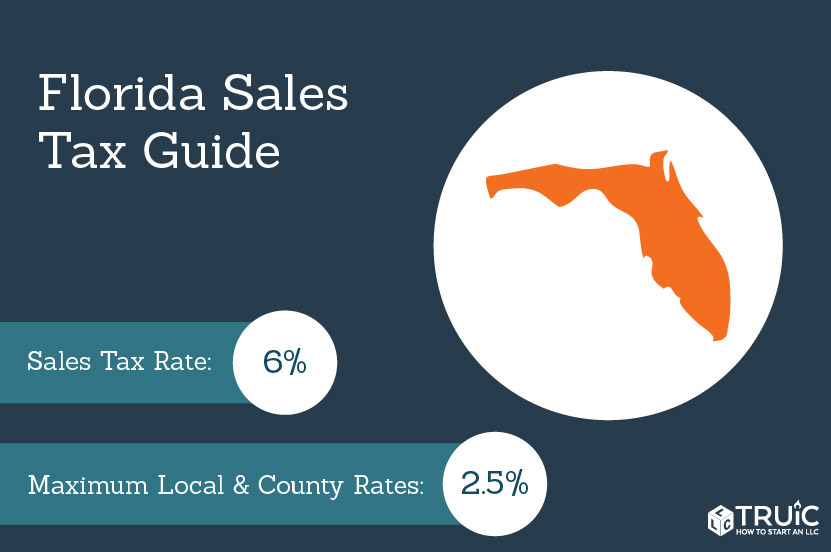
The statewide sales tax rate in Florida is 6%. This rate applies to the retail sale of most tangible personal property, meaning physical items you can see, touch, and take with you. This includes everything from souvenirs and clothing to electronics and rental items.
Beyond tangible goods, the 6% sales tax also applies to a select range of services. Notably for travelers, this encompasses charges for commercial lodging, which is a significant component of any Florida vacation. Additionally, certain rental services, such as car rentals, are also subject to this tax. Understanding this baseline 6% is the first step in accurately estimating your expenses. While it might seem like a small percentage, it adds up quickly across multiple purchases and services during your trip, particularly for longer stays or for those indulging in a luxury lifestyle experience.
Local Discretionary Sales Surtaxes: A County-by-County View
Adding a layer of complexity to the statewide rate are local discretionary sales surtaxes, often referred to as county sales taxes. These are additional sales taxes that individual counties in Florida are authorized to impose on top of the state’s 6%. These surtaxes vary by county, ranging from 0% to as much as 2.5%, meaning the combined sales tax rate you pay can be anywhere from 6% to 8.5%.
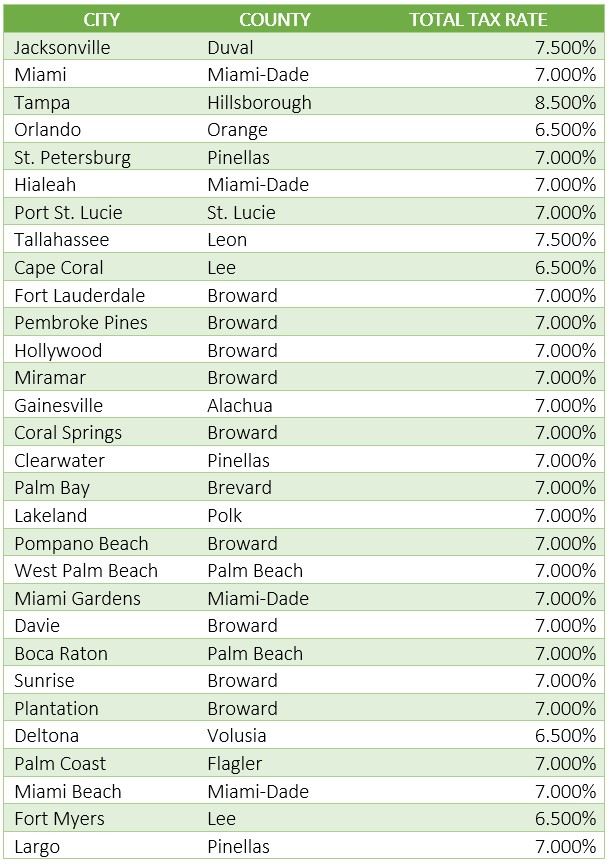
This localized variation is crucial for travelers, as your spending power can differ significantly depending on where you are in Florida. For example, a souvenir purchased in Collier County (which includes Naples), with its 0.5% surtax, would incur a total of 6.5% sales tax. In contrast, a similar purchase in Miami-Dade County, which levies a 1.5% surtax, would bring the total to 7.5%. These surtaxes are designed to fund specific local initiatives, often related to infrastructure, transportation, or public services, and they apply to the same taxable goods and services as the state sales tax. Before embarking on your journey, especially if you plan to visit multiple regions like the Florida Keys or the Panhandle, it’s wise to quickly check the prevailing sales tax rate in your chosen destinations to better fine-tune your budget.
How Sales Tax Impacts Your Florida Travel Budget
The impact of sales tax extends across almost every facet of your Florida travel experience. From where you sleep to what you eat and the activities you enjoy, understanding these tax implications is key to accurate budgeting and avoiding unexpected costs.
Accommodation: Beyond the Room Rate
For many travelers, accommodation is one of the largest single expenses. In Florida, your hotel, resort, vacation rental, or apartment stay is subject to both the state’s 6% sales tax and, more importantly, a separate Tourist Development Tax (TDT), often called a “bed tax” or “resort tax.” The TDT is levied by counties on short-term rentals (typically six months or less) and is in addition to the standard sales tax.
TDT rates vary widely by county, usually ranging from 2% to 6%. This means that on top of the 6% state sales tax, you could be paying an additional 2-6% on your room rate, bringing the total tax on your accommodation to anywhere from 8% to 12%. For instance, staying in a suite near Walt Disney World in Orange County would incur the 6% state sales tax plus a 6% TDT, totaling 12% on your nightly rate. This can significantly increase the cost of your hotel stay, especially for longer vacations or when opting for premium resorts with extensive amenities. Always check the total price, including all taxes and fees, when booking your stay to get an accurate picture of your lodging expenses.
Dining Out: Food, Glorious Food (and Its Tax)
Florida’s vibrant culinary scene is a major draw for many, from fresh seafood on the Gulf Coast to Cuban cuisine in South Florida. When dining out at restaurants, cafes, or food trucks, the entire bill – including food, beverages (alcoholic and non-alcoholic), and any service charges – is subject to sales tax. This includes both the 6% state sales tax and any applicable county discretionary sales surtax.
So, if you’re enjoying a meal in Tampa, where the sales tax is 8.5% (6% state + 2.5% Hillsborough County surtax), a $100 dinner bill will become $108.50 before tip. This is an important distinction to make, especially for foodies planning to experience Florida’s diverse food culture. While groceries (unprepared food items) are generally exempt from sales tax, prepared meals consumed on or off the premises are taxed. This means that grabbing a quick coffee and pastry from a cafe will incur sales tax, whereas buying ingredients to cook in your vacation rental will not.
Exploring Attractions and Entertainment
Florida is renowned for its world-class attractions, from the magical realms of Walt Disney World Resort and Universal Studios Florida to the natural wonders of Everglades National Park and the Kennedy Space Center. Entrance fees for most entertainment venues, theme parks, museums, concerts, sporting events, and other recreational activities are generally subject to sales tax.
This means that the price advertised for a ticket to a theme park might not be the final price you pay. The 6% state sales tax, plus any relevant county surtax, will be added at the time of purchase. For expensive tickets, like multi-day passes to major theme parks, these taxes can add a significant amount to your total cost. For example, a family spending hundreds on tickets for a day at a park in Orlando will find themselves paying an additional 6.5% (6% state + 0.5% Orange County surtax) on top of the listed price. Always factor this into your activity budget when planning your itinerary of experiences and things to do.
Shopping for Souvenirs and Necessities
No trip is complete without a little retail therapy, whether it’s picking up unique souvenirs, designer goods, or simply replenishing travel essentials. The general rule for tangible personal property applies here: most purchases will be subject to the 6% state sales tax plus any local discretionary surtax.
This includes clothing, electronics, gifts, artwork, and any other physical items you buy from shops, boutiques, or gift stores. Even purchases from vending machines for non-food items are typically taxed. If you’re planning a major shopping spree at outlets like the Orlando Premium Outlets or the luxury shops on Worth Avenue in Palm Beach, remember to factor in the additional tax. However, be aware of specific exemptions. For instance, prescription medicines are exempt, and certain necessities like over-the-counter medications are also exempt under specific conditions.
Transportation: Car Rentals and Other Services
Getting around Florida often involves renting a vehicle, especially for those exploring diverse destinations or embarking on a scenic road trip along the Atlantic Coast. Car rental fees are subject to the 6% state sales tax and any applicable county surtax. Furthermore, Florida imposes specific taxes on rental cars, including a 6% state surcharge on the lease or rental of motor vehicles, and potentially a local option motor vehicle rental surcharge. These additional surcharges, separate from the general sales tax, can significantly inflate the total cost of your rental, sometimes adding up to 12-13% or more in combined taxes and fees.
While ride-sharing services like Uber and Lyft typically include taxes in their quoted fare, other transportation services like guided tours or shuttle services may add sales tax at the point of purchase. For those considering boats, RVs, or other specialized rentals, always inquire about the full tax structure.
Navigating Exemptions and Special Cases
While sales tax seems ubiquitous, there are important exemptions and special scenarios that travelers should be aware of, helping to further refine your budgeting strategies.
Groceries vs. Prepared Meals: A Key Distinction
One of the most significant exemptions for everyday spending is for groceries. In Florida, food items commonly referred to as “groceries” – typically unprepared food for home consumption – are exempt from sales tax. This means that if you buy milk, bread, fresh produce, or raw meat from a supermarket like Publix or Walmart to cook in your vacation villa or apartment, you won’t pay sales tax on these items.
However, the moment food becomes “prepared” for immediate consumption, it generally becomes taxable. This includes meals purchased at restaurants, fast-food establishments, convenience stores with hot food sections, or even pre-made sandwiches from a grocery store deli if consumed on the premises. The distinction can sometimes be blurry, but a good rule of thumb is: if it’s ready to eat and intended for immediate consumption, it’s likely taxable. This insight can influence your lifestyle choices while traveling; opting to cook some meals in your rental kitchen can save you a noticeable amount in taxes over the course of your trip.
Services and Intangible Goods
Generally, most services are not subject to sales tax in Florida, unless specifically enumerated by law. This means services like haircuts, legal advice, or medical procedures are typically exempt. However, as mentioned, certain services directly related to tangible property or specific industries, like hotel lodging or car rentals, are indeed taxable.
Similarly, “intangible goods” – items that are not physical in nature – are usually exempt. This includes things like digital downloads (e.g., e-books, music files), software, or subscriptions to streaming services. However, if a digital product is delivered on a tangible medium (like a software disk), it would be taxable. For travelers, this primarily means that while you pay tax on the physical souvenir, you wouldn’t typically pay tax on an online booking fee for a tour (though the tour itself might be taxed at source, or a separate service charge might apply). Always review your receipts carefully to understand which items and services are being taxed.
Practical Tips for Travelers: Budgeting for Florida Sales Tax
Incorporating sales tax into your travel planning doesn’t have to be daunting. With a few smart strategies, you can accurately estimate your costs and enjoy your Florida vacation without financial surprises.
Factoring Tax into Your Travel Planning
The most effective way to manage sales tax is to build it into your budget from the outset. When researching prices for hotels, attractions, or major purchases, remember to add the applicable tax rates. For accommodation, assume at least 10-12% in combined state sales tax and tourist development tax. For most other purchases and prepared food, anticipate the 6% state sales tax plus the county surtax for your specific destination. A quick online search for “sales tax [county name] Florida” will give you the precise local rate.
Consider creating a detailed itinerary that breaks down costs for each day, including estimated tax. This is particularly useful for longer trips or when visiting multiple counties with different surtaxes, such as a multi-city tour from Key West to St. Augustine. Overestimating slightly can also provide a small buffer for unexpected expenses, aligning with a prudent budget travel approach or giving more leeway for spontaneous indulgence for those on a luxury travel trip.
Checking Receipts and Understanding Charges
Always review your receipts carefully after making purchases, especially for larger transactions like hotel bills or car rentals. This allows you to verify that the correct sales tax rates have been applied and to identify any other charges, such as resort fees or service charges, which are separate from sales tax but also add to your total cost.
If you have questions about a specific charge, don’t hesitate to ask the vendor or hotel staff. Understanding what you’re paying for contributes to a smoother, more transparent tourism experience. Being informed about Florida’s sales tax regulations not only helps you manage your finances but also ensures you’re aware of the true cost of your purchases, allowing you to fully enjoy all the incredible destinations, landmarks, and experiences that Florida has to offer, whether it’s a family trip to a renowned theme park or a business stay in a bustling city. Armed with this knowledge, your Florida adventure is sure to be as financially smooth as it is unforgettable.
LifeOutOfTheBox is a participant in the Amazon Services LLC Associates Program, an affiliate advertising program designed to provide a means for sites to earn advertising fees by advertising and linking to Amazon.com. Amazon, the Amazon logo, AmazonSupply, and the AmazonSupply logo are trademarks of Amazon.com, Inc. or its affiliates. As an Amazon Associate we earn affiliate commissions from qualifying purchases.