
Embarking on a journey through the Golden State, from the sun-drenched beaches of San Diego to the majestic redwoods of Northern California and the bustling metropolises of Los Angeles and San Francisco, is an experience unparalleled in its diversity and vibrancy. As you plan your itinerary, whether it’s a luxury retreat in Napa Valley, a family adventure at Disneyland, or a business stay in Silicon Valley, understanding the local economic landscape is crucial for a seamless and budget-friendly trip. A key component of this landscape, often overlooked until the checkout counter, is sales tax. For any traveler, tourist, or even a prospective long-term resident, grasping the intricacies of sales tax in California is essential for effective financial planning, ensuring that your accommodation, dining, shopping, and entertainment experiences remain within your envisioned budget.
Sales tax is a consumption tax imposed by the government on the sale of goods and services. In the United States, these taxes are typically levied at the state and local levels, varying significantly from one region to another. California is unique in its approach, featuring a baseline statewide sales tax rate that is then augmented by numerous district taxes, which can differ based on county, city, and even special local initiatives. This layered system means that the sales tax you pay on a souvenir in Hollywood might be different from the tax on a gourmet meal in Santa Monica or a vineyard tour in Sonoma County. For those exploring the state’s iconic landmarks, from the Golden Gate Bridge to Yosemite National Park, or indulging in its world-class cuisine, an awareness of these varying rates can save you from unexpected costs and allow for more accurate budgeting, contributing to a stress-free travel experience. This guide aims to demystify California’s sales tax, providing insights crucial for anyone planning their next adventure or seeking temporary accommodation in this magnificent state.
Understanding California’s Sales Tax Landscape for Visitors
For visitors to California, navigating the state’s sales tax system can seem daunting at first glance due to its multi-layered structure. Unlike some states with a flat sales tax rate across the board, California’s system is a mosaic of statewide and local levies. This complexity, however, is not without purpose; these taxes play a vital role in funding essential public services, improving infrastructure, and enhancing the overall visitor experience in various destinations. Understanding the distinction between the statewide rate and local district taxes is the first step toward becoming a savvy traveler or a well-informed temporary resident in the Golden State.
The Statewide Sales Tax: A Foundation
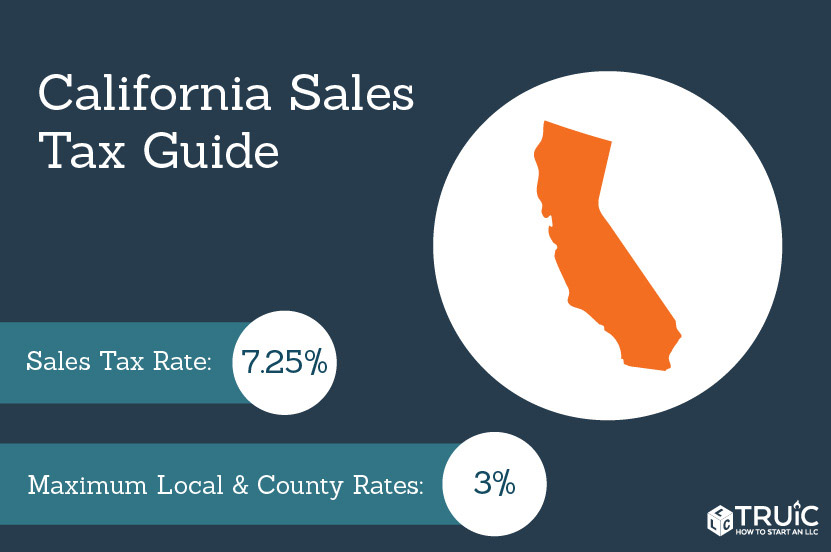
At the heart of California’s sales tax system is the statewide base rate. This is the minimum sales tax applied to most taxable transactions across all cities and counties within the state. As of recent updates, the statewide sales tax rate in California stands at 7.25%. This foundational rate is applied universally, whether you’re purchasing a designer outfit on Rodeo Drive, grabbing groceries in Sacramento, or buying a surfboard in Huntington Beach.
This 7.25% represents the portion collected by the state itself, earmarked for various state-level programs and services. For tourists, this is the most straightforward part of the equation. Any tangible item purchased will, at a minimum, incur this charge. It’s crucial to factor this into your souvenir budget, your shopping sprees, and even certain elements of your travel experiences, such as entrance fees to private attractions that sell goods or merchandise. When considering luxury travel or extensive shopping, this base rate alone can add up, making it a significant line item in your overall lifestyle expenditure while visiting California.
Local District Taxes: The Variances Across Cities and Counties
Where the system truly gains its complexity, and where travelers often encounter surprises, is with the addition of local district taxes. These are additional sales taxes imposed by counties, cities, and special purpose districts to fund specific local initiatives, such as transportation improvements, public safety, or local tourism promotion. These district taxes are added on top of the statewide 7.25% rate, leading to significant variations in the total sales tax rate from one locality to another. For example, a purchase in Los Angeles County might carry a different total sales tax rate than an identical purchase in Orange County or San Francisco County.
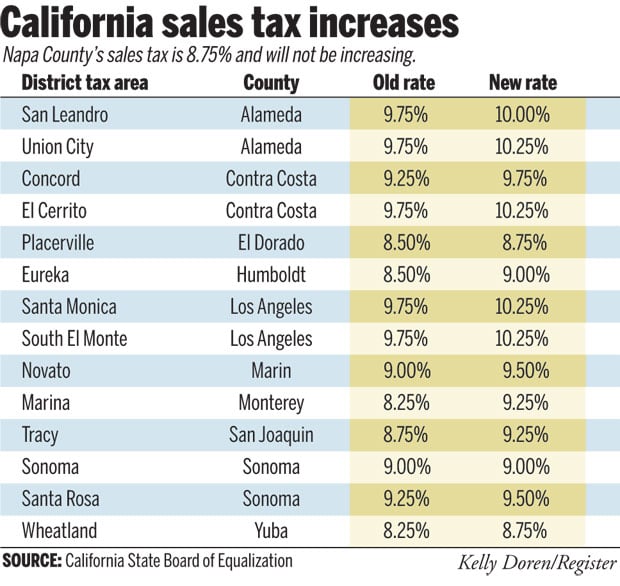
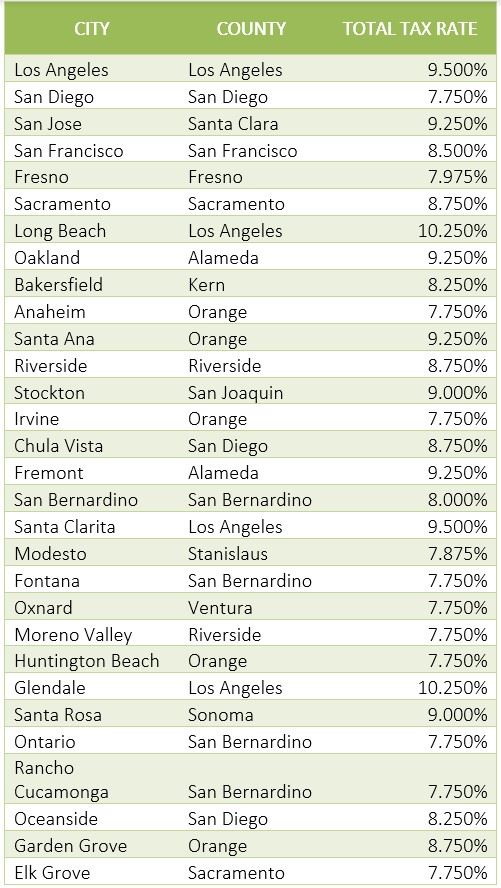
Some of the highest sales tax rates in California can reach upwards of 10.25%, with various cities and counties hovering between 8% and 9.5%. This means that the effective price of goods and certain services can fluctuate considerably depending on your specific travel destination within the state. For instance, shopping for a specific item might be slightly cheaper in a city with a lower district tax rate compared to a neighboring city with a higher one. This is particularly relevant for those planning extensive shopping tours or making significant purchases, such as specialty items or electronics. Travelers focused on budget travel should be acutely aware of these local variances, as they can impact the final cost of everything from a bottle of water at a convenience store near Pier 39 to a gourmet food item from Ferry Building Marketplace in San Francisco. When comparing hotel prices or planning activities, remember that the cost of accompanying purchases like toiletries or snacks will also be affected by these local taxes, subtly influencing your overall accommodation and travel expenses.
What’s Taxable? Key Purchases for Travelers
A common misconception among travelers is that sales tax applies to everything they purchase. In reality, the scope of what is taxable in California is quite specific, primarily focusing on tangible personal property. However, there are nuances, especially concerning services, prepared food, and accommodation, which are crucial for anyone planning a trip, booking hotels, or simply enjoying the local lifestyle. Understanding these distinctions can help you better anticipate costs and manage your travel budget effectively.
Goods and Tangible Personal Property
The most straightforward application of sales tax in California is on the sale of tangible personal property. This includes virtually all physical items you might buy during your travels. From souvenirs purchased at Universal Studios Hollywood or Knott’s Berry Farm to clothing from boutiques on Beverly Hills, electronics, books, art, and even basic necessities like bottled water or a toothbrush from a pharmacy – if it’s a physical item you can hold, it’s generally subject to sales tax.
For tourists, this means that every retail purchase, from a postcard depicting the Santa Monica Pier to a piece of indigenous art from a market near Balboa Park, will have sales tax added to its listed price. When planning a shopping excursion, particularly for higher-value items or numerous small purchases, remember to factor in that additional 7.25% to 10.25% on top of the sticker price. This is especially important for those indulging in luxury travel experiences where high-end shopping is part of the itinerary, as the tax amount can quickly accumulate.
Services and Digital Products: A Nuance for Tourists
Generally, most services in California are not subject to sales tax. This is a significant point for travelers, as many aspects of their trip involve services rather than tangible goods. For instance, the cost of a guided tour of Alcatraz Island, a spa treatment at a Palm Springs resort, a haircut, or a cleaning service in an apartment for a long-term stay, will typically not have sales tax applied. This also extends to professional services like legal advice or medical care.
However, there’s a crucial caveat: if a service involves the creation or repair of tangible personal property, or if it’s considered integral to the sale of a taxable item, it might become taxable. For example, if you commission a custom piece of jewelry, the labor involved in creating the tangible item might be subject to sales tax. Similarly, certain digital products, particularly those delivered electronically and used to produce tangible personal property, can also be taxable. While most typical tourist services like guided tours, transportation (e.g., ride-shares, bus tickets), or entry fees to attractions (unless they primarily sell goods) are not taxed, it’s always wise to clarify, especially for niche experiences or creative workshops that produce a physical item.
Special Cases: Restaurant Meals, Hotel Stays, and Car Rentals
These categories are particularly relevant for travelers and often lead to confusion regarding sales tax.
-
Restaurant Meals: Prepared food served at restaurants, cafes, and delis is generally subject to sales tax. This means your avocado toast in Venice Beach, your clam chowder at Fisherman’s Wharf, and your fine dining experience in Yountville will all incur sales tax. The tax rate applied will be the combined state and local district rate of the city where the restaurant is located. This is a significant consideration for any food enthusiast exploring California’s diverse culinary scene, impacting daily food budgets.
-
Hotel Stays (Accommodation): This is one of the most common areas of confusion. While sales tax applies to tangible goods, hotel stays and other forms of short-term accommodation (like resorts, suites, apartments, or villas) are generally not subject to sales tax in California. Instead, they are subject to a separate tax called the Transient Occupancy Tax (TOT), also known as a hotel tax or lodging tax. This tax is levied by local governments (cities and counties) and varies widely, often ranging from 8% to over 15% in popular tourist destinations. For example, a San Francisco hotel stay will include a higher TOT than one in a less-visited area. Therefore, when you book accommodation, always check for the local TOT rate, as it can significantly add to the advertised room price. This is crucial for comparison and budgeting for any type of accommodation, from luxury resorts to budget-friendly hotels.
-
Car Rentals: The rental of a vehicle is also generally considered a service, and thus the basic rental fee itself is not subject to sales tax. However, car rentals often come with various fees and surcharges, some of which might be taxable or are separate taxes themselves. These can include vehicle license fees, concession recovery fees (if renting at an airport), and other local surcharges. It’s essential to review the detailed breakdown of charges when reserving a car for your Pacific Coast Highway road trip or a business stay, as these additional levies can add a substantial amount to the total cost.
Navigating Sales Tax in Popular California Destinations
The varying sales tax rates across California’s diverse regions mean that being aware of local specificities is key to smart travel and expenditure. Whether you’re exploring urban landmarks, relaxing at a coastal resort, or embarking on a family trip, understanding how sales tax applies in each locale can help you manage your budget and enhance your overall experience.
Iconic Cities and Their Tax Rates (e.g., Los Angeles, San Francisco, San Diego)
California’s major tourist hubs and economic centers often have unique sales tax profiles due to their specific local district taxes.
-
Los Angeles and Los Angeles County: As one of the largest metropolitan areas, Los Angeles often has a combined sales tax rate that hovers around 9.5% to 10.25%. This rate applies to everything from purchases at The Grove to meals in Downtown LA. The sheer volume of shopping, dining, and entertainment options means that sales tax can quickly add up, especially for luxury travel or extended family trips. Beyond sales tax, the Transient Occupancy Tax for hotel stays in Los Angeles can be as high as 14-15%, making accommodation a significant part of your overall budget.
-
San Francisco and San Francisco County: Similar to Los Angeles, San Francisco also maintains a relatively high combined sales tax rate, often in the range of 8.5% to 9.25%. This impacts purchases from the artisan shops in Union Square to the gourmet delights found around the Ferry Building Marketplace. The city is also known for one of the highest Transient Occupancy Tax rates in the state, sometimes exceeding 15% for hotel and apartment stays, a crucial factor for visitors planning accommodation.
-
San Diego and San Diego County: San Diego, known for its beautiful beaches and attractions like the San Diego Zoo and the USS Midway Museum, typically has a combined sales tax rate around 8.25% to 8.75%. This is generally a bit lower than Los Angeles or San Francisco, offering a slight advantage for shoppers. The Transient Occupancy Tax here is also significant, often around 10.5% in the city, an important consideration for booking hotels or resort accommodation.
Other notable areas, like Anaheim (home to Disneyland Park and Disney California Adventure Park), also have their own specific local sales tax and TOT rates, which contribute to the overall cost of tourism, especially for family trips centered around theme parks.
Planning Your Budget: Practical Tips for Travelers
Equipping yourself with sales tax knowledge is an invaluable aspect of effective budget travel and responsible luxury planning in California.
-
Always Check the Total Price: Never assume the listed price is the final price, especially for goods and prepared food. Factor in the sales tax on top. For accommodation, always look for the “total price” which should include the Transient Occupancy Tax (TOT). Many online booking platforms for hotels and apartments will show this, but direct bookings might require a bit more digging.
-
Research Local Rates: Before heading to a specific city for a shopping spree or extended stay, quickly look up its current sales tax rate and TOT rate. Websites like the California Department of Tax and Fee Administration (CDTFA) provide up-to-date information.
-
Distinguish Between Goods and Services: Remember that most services are not taxed, while tangible goods are. This distinction can help you estimate costs for activities like a surfing lesson in Malibu versus buying a new swimsuit.
-
Factor into Daily Spending: For a multi-day trip, especially one involving a lot of dining out and souvenir shopping, the cumulative effect of sales tax can be substantial. Allocate an extra 5-10% in your daily spending budget for these taxes.
-
Long-Term Stay Considerations: If you’re considering a long-term stay, whether for work or extended leisure, note that after 30 consecutive days, you might be exempt from the Transient Occupancy Tax in some jurisdictions. This can offer significant savings on accommodation for digital nomads or those on business stays. Always verify this with your hotel or rental provider.
Beyond Sales Tax: Understanding Use Tax and Its Implications
While sales tax is the primary concern for most consumers making purchases within California, it’s important for residents and sometimes even visitors, especially those making significant online purchases, to understand its counterpart: use tax. The California use tax complements the sales tax, ensuring that transactions that escape sales tax for various reasons still contribute to the state’s revenue. This concept is particularly relevant in an age of widespread e-commerce and can have implications for both individual consumers and businesses operating within the state.
When Does Use Tax Apply?
The use tax applies to the storage, use, or consumption of tangible personal property in California that was purchased from an out-of-state seller for use in California, and on which sales tax was not paid to the seller at the time of purchase. Essentially, if you buy something from an out-of-state retailer (online or in person) and bring it into California for use, and that seller did not collect California sales tax, you as the buyer are responsible for reporting and paying the equivalent use tax.
-
Online Purchases: The most common scenario for use tax is online shopping. If you purchase an item from a retailer based outside of California (or without a physical presence/nexus in the state), they might not charge California sales tax. In such cases, the burden of paying the use tax falls on the consumer. Many online retailers, however, do have a nexus in California (e.g., warehouses, offices) and are required to collect sales tax, thus simplifying the process for the consumer.
-
Out-of-State Purchases: If you travel outside California (e.g., to Nevada or Arizona) and purchase a taxable item there, then bring it back into California for use, you might owe use tax. This is particularly true if the sales tax rate in the state of purchase was lower than California’s rate; you would owe the difference.
-
Gifts and Samples: In some business contexts, items received as gifts or free samples that are subsequently used in California may also be subject to use tax if sales tax wasn’t paid at the time of their acquisition.
The use tax rate is the same as the sales tax rate in the location where the item is used or consumed. For most individuals, this might appear on their annual income tax return, where they are prompted to report any untaxed purchases. While most tourists making small purchases won’t need to worry about use tax, it’s an important concept for those planning a move to California, making large purchases from out-of-state vendors, or bringing significant items into the state for long-term use. Understanding this system is part of a holistic approach to financial planning and compliance within the Golden State’s economic framework.
In conclusion, a trip to California offers an incredible array of experiences, from the vibrant urban lifestyle to serene natural landscapes. By taking the time to understand the nuances of its sales tax and related taxes like the Transient Occupancy Tax, visitors and temporary residents can navigate their expenditures more effectively. This knowledge empowers you to plan your travel, accommodation, dining, and shopping with greater precision, ensuring your budget aligns with your aspirations, allowing you to fully immerse yourself in all the wonders the Golden State has to offer.
LifeOutOfTheBox is a participant in the Amazon Services LLC Associates Program, an affiliate advertising program designed to provide a means for sites to earn advertising fees by advertising and linking to Amazon.com. Amazon, the Amazon logo, AmazonSupply, and the AmazonSupply logo are trademarks of Amazon.com, Inc. or its affiliates. As an Amazon Associate we earn affiliate commissions from qualifying purchases.