
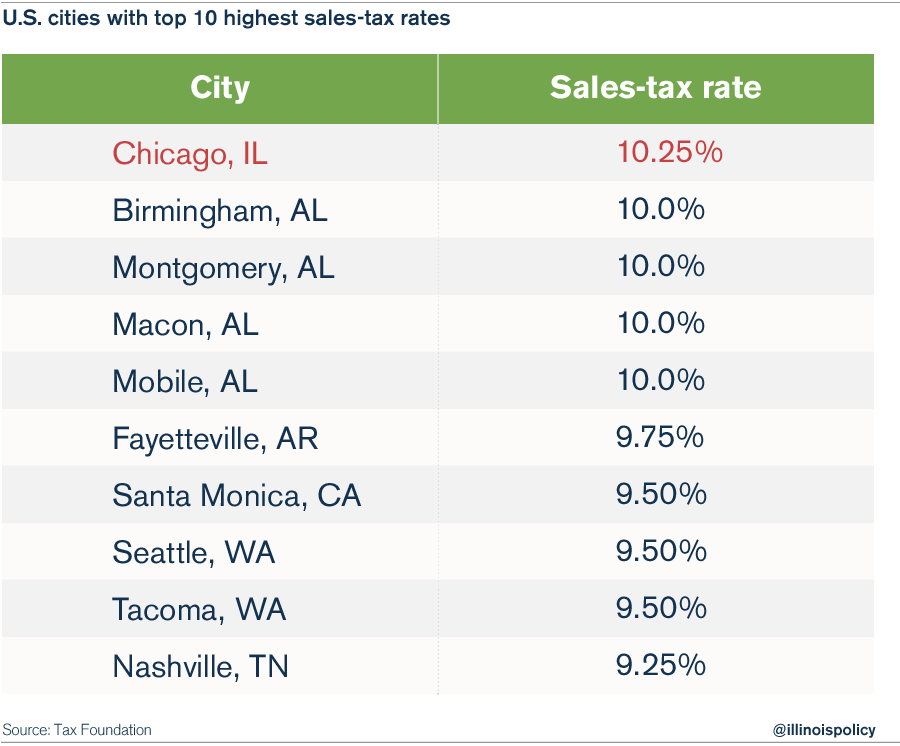
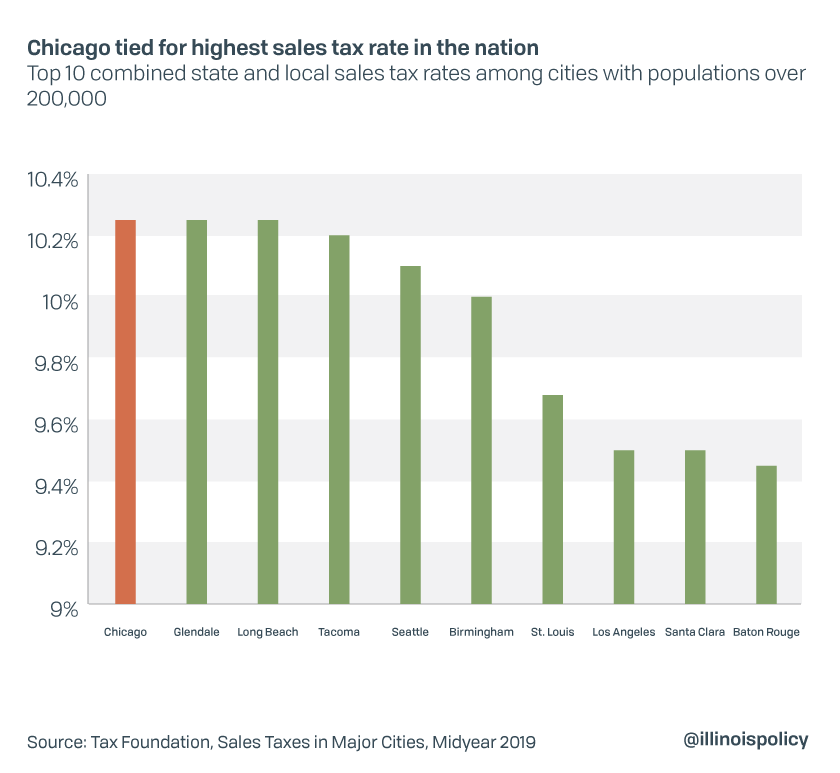
Visiting Chicago, Illinois, offers an unparalleled array of cultural experiences, world-class dining, and iconic sights. From the architectural marvels lining the Chicago River to the vibrant neighborhoods teeming with unique boutiques and eateries, the Windy City promises a memorable journey. As you plan your itinerary and budget for exploring this dynamic metropolis, understanding the local sales tax structure is a crucial tip for any discerning traveler. Unlike some destinations where taxes might be a minor consideration, Chicago features a sales tax rate that is among the highest in the United States, making it an essential factor in your financial planning. This comprehensive guide will break down the components of Chicago’s sales tax, helping you navigate your purchases with confidence and ensuring your trip remains as enjoyable as it is financially transparent.
Understanding Sales Tax in the Windy City
Sales tax is a consumption tax levied by government bodies on the sale of goods and services. For tourists and visitors to Chicago, this tax primarily affects retail purchases such as souvenirs, clothing, electronics, and, significantly, prepared food consumed at restaurants or cafes. The complexity in Chicago arises from the stacking of multiple tax jurisdictions: the state of Illinois, Cook County, the City of Chicago, and the Regional Transportation Authority (RTA). Each entity adds its own percentage, culminating in a combined rate that can notably impact the final price of items.
For a general merchandise purchase in Chicago, the effective sales tax rate is 10.25%. This means that for every $100 you spend on a taxable item, an additional $10.25 will be added to your bill. This figure is particularly important for tourists who might be accustomed to lower rates in their home states or countries, or who simply fail to account for the substantial difference between the listed price and the final cost. Knowing this upfront empowers you to set a more realistic budget for your shopping sprees along the Magnificent Mile, dining experiences in Fulton Market, or souvenir hunting near Millennium Park. Being aware of this rate allows for better financial preparedness, ensuring no unpleasant surprises when settling your bill.
Deconstructing Chicago’s Sales Tax Rate
The 10.25% sales tax rate in Chicago is a composite figure, meticulously calculated from contributions by various governmental levels. Understanding each component provides valuable insight into how this tax affects your purchases and helps in appreciating the local economic landscape.
The Illinois State Sales Tax Component
At the foundation of Chicago’s sales tax structure is the Illinois state sales tax, which stands at 6.25%. This rate applies uniformly across the entire state to the sale of most tangible personal property. However, it’s crucial for visitors to note specific exemptions and reduced rates that Illinois provides. For instance, qualifying food items, drugs, and medical appliances are subject to a significantly lower state sales tax rate of 1%. This distinction means that while a gourmet meal at a restaurant will incur the full combined tax, buying groceries for a picnic at Grant Park from a supermarket would largely avoid the higher rate, benefiting from this reduced state component. This is a vital budgeting tip, particularly for longer stays or for those looking to manage dining costs effectively by preparing some of their own meals.
Cook County and Chicago Municipal Taxes
Layered on top of the state rate are taxes imposed by local jurisdictions, which significantly elevate the final sales tax in Chicago.
- Cook County Sales Tax: Cook County, where Chicago is located, adds an additional 1.75% to the state sales tax. This county-level tax contributes to local services and infrastructure within the county.
- City of Chicago Sales Tax: The City of Chicago itself imposes a municipal sales tax of 1.25%. This portion is directed towards funding city services, public safety, and other local initiatives that enhance the experience for residents and visitors alike.
- Regional Transportation Authority (RTA) Tax: A further 1.00% is added for the RTA, which oversees public transportation in the metropolitan Chicago area. This tax directly supports the extensive network of buses and trains, essential for tourists navigating the city and visiting attractions like the Art Institute of Chicago or the Field Museum.
Combining these components: 6.25% (state) + 1.75% (Cook County) + 1.25% (City of Chicago) + 1.00% (RTA) equals the general merchandise sales tax rate of 10.25% within Chicago.
Specific Sales Tax Rates for Different Purchases
While 10.25% is the general rate, visitors should be aware of how this rate can vary based on the type of purchase:
- General Merchandise: This includes most retail items like clothing, souvenirs, electronics, books, and non-prepared food items. These are subject to the full 10.25% rate. So, that stylish souvenir from a shop on State Street or a new gadget from a store near Navy Pier will have this added percentage.
- Prepared Food/Restaurant Meals: Dining out is a quintessential Chicago experience, from deep-dish pizza to Michelin-starred restaurants. Prepared food, whether consumed on-site or taken to go, is typically subject to the general sales tax rate of 10.25%. There are often additional specific taxes on prepared food or beverages, such as a local restaurant tax, but for the purpose of sales tax, the 10.25% rate applies. This is a crucial factor to consider when budgeting for meals and snacks throughout your visit.
- Groceries (Qualifying Food, Drugs, Medical Appliances): As mentioned, these essential items enjoy a reduced state sales tax component. In Chicago, this means qualifying groceries, over-the-counter drugs, and medical appliances are taxed at 1.25% (1% state + 0.25% RTA portion for qualifying items, as Cook County and City of Chicago do not impose a tax on these items). This distinction offers a tangible way for tourists to save money by purchasing snacks, drinks, and meal ingredients from grocery stores rather than convenience stores or restaurants for every meal.
- Services: Generally, pure services (like a haircut, a tour guide’s fee, or a taxi fare) are not subject to sales tax in Illinois. However, if a service involves the sale of tangible personal property, that portion might be taxed. For example, a spa treatment might not be taxed, but if you buy a lotion there, the lotion will be.
Practical Implications for Tourists and Visitors
Understanding Chicago’s sales tax goes beyond mere curiosity; it’s a vital tool for effective travel planning and budget management.
Budgeting for Your Chicago Trip
The 10.25% sales tax rate, particularly on general merchandise and prepared food, can significantly inflate your travel expenses if not properly accounted for. A $50 souvenir might actually cost $55.13, and a $100 dinner bill will become $110.25 before tip. Over the course of a multi-day trip, these seemingly small additions accumulate rapidly. When planning your budget for shopping, dining, and certain activities (like concessions at Wrigleyville or souvenirs from the Museum of Science and Industry), always factor in this additional percentage. It’s a good practice to think of the sticker price as approximately 10-11% less than what you’ll actually pay at the register. This foresight can prevent overspending and allow for a more relaxed financial experience.
Sales Tax vs. Other Taxes in Chicago
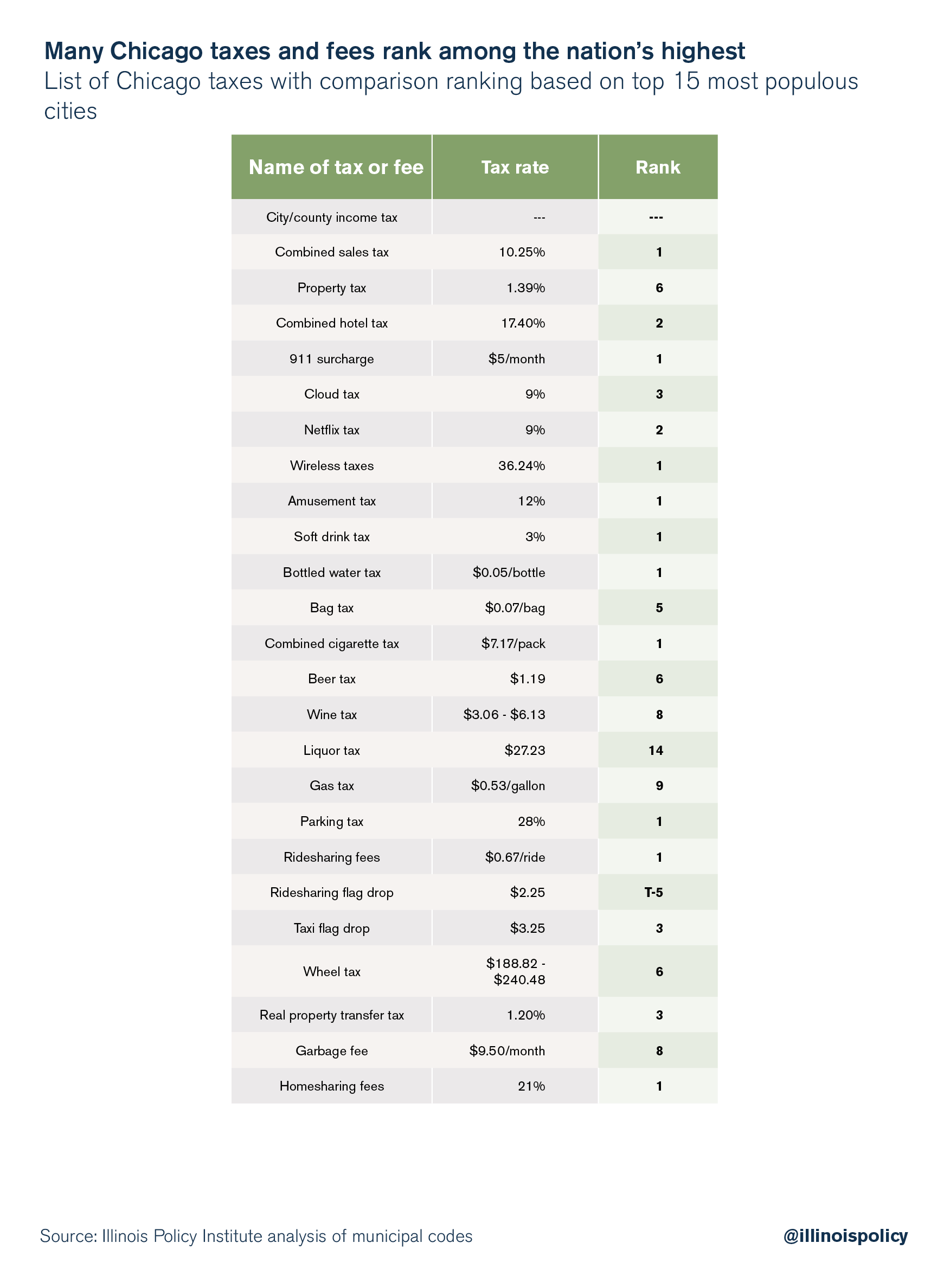
It’s important for visitors to differentiate sales tax from other levies they might encounter in Chicago. While this guide strictly focuses on sales tax, recognizing that other taxes exist helps provide a clearer picture of overall costs. For instance, hotel stays are subject to an occupancy tax, which is separate from sales tax. Similarly, some entertainment venues or events might have an amusement tax. These are distinct from sales tax on goods. Your hotel bill, for example, will show sales tax on any taxable items purchased from the gift shop or mini-bar, but the room rate itself will be subject to occupancy tax, not sales tax. Maintaining this distinction ensures you accurately interpret your bills and understand what you are paying for.
Exemptions and Reductions for Specific Items
As highlighted earlier, the reduced tax rate for qualifying food, drugs, and medical appliances is a significant point for visitors. If your travel plans include stocking up on snacks or drinks for your accommodation, purchasing these items from a grocery store will be much more cost-effective than buying them from a convenience store or restaurant. This small shift in purchasing habits can lead to noticeable savings over the duration of your stay. For example, a $20 grocery haul for basic provisions like bottled water, fruit, and packaged snacks will only incur $0.25 in sales tax, a stark contrast to the $2.05 tax if those items were general merchandise.
Navigating Purchases: Tips for a Seamless Experience
Making informed purchasing decisions in Chicago requires a few practical habits that can enhance your overall travel experience.
Always make it a point to check your receipts. Not only does this allow you to verify that the correct items were charged, but it also gives you a clear breakdown of the sales tax applied. This transparency helps you understand how the tax is calculated for different types of purchases you make. If you are ever unsure about the applicable tax rate for a particular item or service, do not hesitate to ask the vendor. Retail staff, restaurant servers, and service providers are typically well-versed in local tax regulations and can provide clarification.
Consider the “all-in” price when browsing. Instead of focusing solely on the listed price, quickly calculate the approximate 10.25% addition to get a more accurate sense of the total cost. This practice is especially useful for larger purchases, such as electronics, apparel from designer boutiques along the Magnificent Mile, or high-end souvenirs. Knowing the final cost before you reach the register can prevent any surprises and align your spending with your budget. By taking these simple steps, tourists can enjoy their Chicago experience without financial apprehension, focusing instead on the city’s myriad attractions and vibrant culture.
LifeOutOfTheBox is a participant in the Amazon Services LLC Associates Program, an affiliate advertising program designed to provide a means for sites to earn advertising fees by advertising and linking to Amazon.com. Amazon, the Amazon logo, AmazonSupply, and the AmazonSupply logo are trademarks of Amazon.com, Inc. or its affiliates. As an Amazon Associate we earn affiliate commissions from qualifying purchases.