
When planning a visit to the vibrant city of Chicago, understanding the local tax structure is as crucial as picking out the must-see attractions or finding the perfect deep-dish pizza spot. Beyond the sticker price of souvenirs, meals, and accommodations, various taxes can significantly impact your travel budget. Among these, sales tax is a primary consideration, a seemingly minor percentage that accumulates quickly across multiple purchases. For tourists exploring the Windy City, comprehending what sales tax entails, how it’s calculated, and where those dollars go provides not only financial clarity but also a deeper appreciation for the local economy that supports the city’s unique charm and extensive public services. This guide will demystify Chicago’s sales tax, alongside other related levies, helping you budget wisely and enjoy your experience without unexpected financial surprises.
Deciphering the Sales Tax Landscape in Chicago
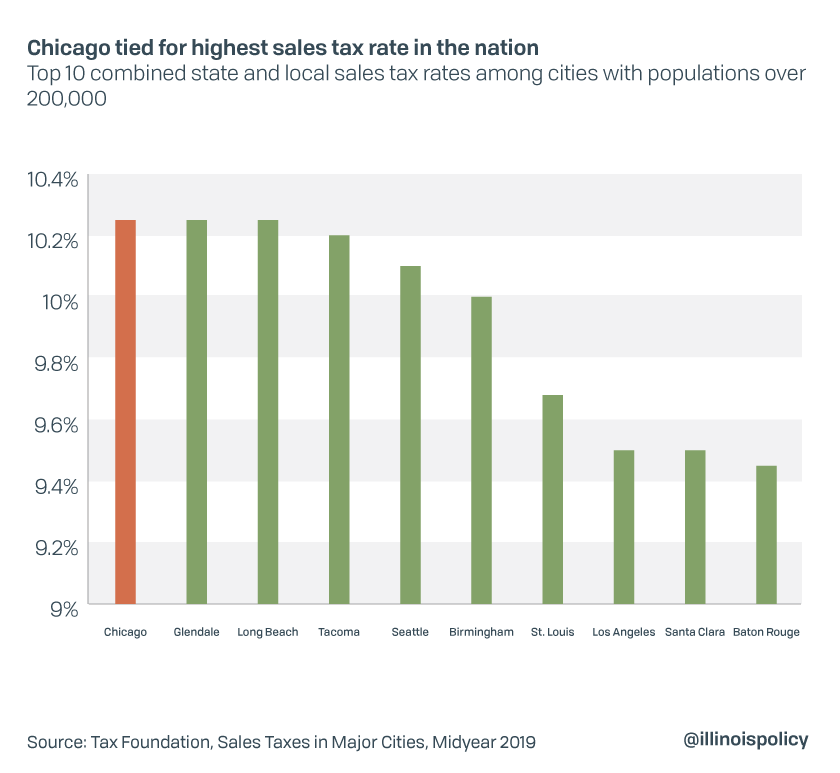
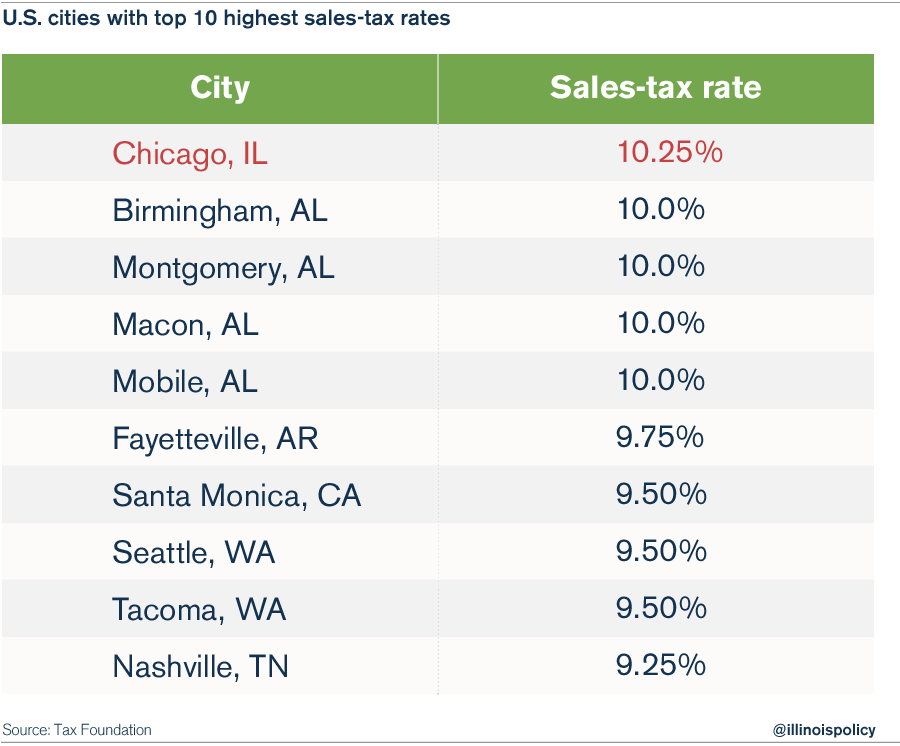
The sales tax in Chicago is not a single, flat rate but rather a complex accumulation of state, county, city, and transportation district taxes. This combined rate places Chicago among cities with some of the highest sales tax rates in the United States. For visitors, this means that virtually every retail purchase, from clothing to electronics, will incur an additional charge that can significantly inflate the total cost beyond the advertised price. Understanding these components is essential for any tourist looking to manage their spending effectively while enjoying all that the city has to offer, from browsing shops along the Magnificent Mile to picking up last-minute travel essentials.
The Cumulative Sales Tax Rate
The general sales tax rate in Chicago currently stands at a notable 10.25%. This rate is an aggregation of several governmental entities:
- Illinois State Sales Tax: The foundational layer, set at 6.25%. This portion contributes to statewide programs, infrastructure, and services, impacting everything from roads to public education across Illinois.
- Cook County Sales Tax: Adding another 1.75% to the total. As the most populous county in Illinois, Cook County utilizes these funds for its own expansive set of services, including public health, judicial systems, and forest preserve districts.
- City of Chicago Sales Tax: A direct contribution to the municipal coffers, this adds 1.25%. These funds are vital for local services such as police and fire departments, sanitation, public parks, and other city-specific initiatives that enhance the daily life of residents and the experience of tourists.
- Regional Transportation Authority (RTA) Sales Tax: A final 1.00% is levied to support the extensive public transportation network serving Chicago and its suburbs. This directly benefits visitors who rely on the Chicago Transit Authority (CTA) trains and buses, METRA commuter rail, and Pace suburban bus system to navigate the metropolitan area, ensuring a well-maintained and accessible transit system.
This 10.25% applies broadly to most tangible goods purchased within the city limits. Knowing this percentage upfront allows tourists to mentally adjust sticker prices and avoid surprises when reviewing their final bills.
How Sales Tax Applies to Tourist Purchases
While the 10.25% rate is general, its application can vary slightly depending on the type of purchase, particularly concerning food items:
- General Merchandise: Souvenirs from the Art Institute of Chicago, clothing from boutiques, electronics, and other non-food items are typically subject to the full 10.25% sales tax.
- Prepared Food and Beverages: Dining out at Chicago’s world-class restaurants, grabbing a hot dog from a street vendor, or enjoying a drink at a bar will generally incur the standard 10.25% sales tax. Additionally, Chicago imposes a separate 0.5% Prepared Food and Beverage Tax on most prepared food and alcoholic drinks sold for immediate consumption. This means your dining bill often comes with an effective sales tax rate closer to 10.75% or even higher, depending on other specific local levies.
- Unprepared Food (Groceries): An important distinction for budget-conscious travelers is that unprepared groceries purchased from supermarkets for at-home consumption (or in a hotel room with a kitchenette) are taxed at a significantly lower state-only rate of 1.00% in Illinois. This exemption encourages residents to purchase food for home preparation and offers a small relief for tourists who might opt for grocery shopping over dining out for some meals. Items like fresh produce, raw meat, and packaged dry goods fall into this category. However, pre-made salads from the deli, hot food from a grocery store buffet, or beverages purchased from a convenience store for immediate consumption will usually fall under the higher prepared food tax.
Beyond Standard Sales Tax: Other Levies Affecting Visitors
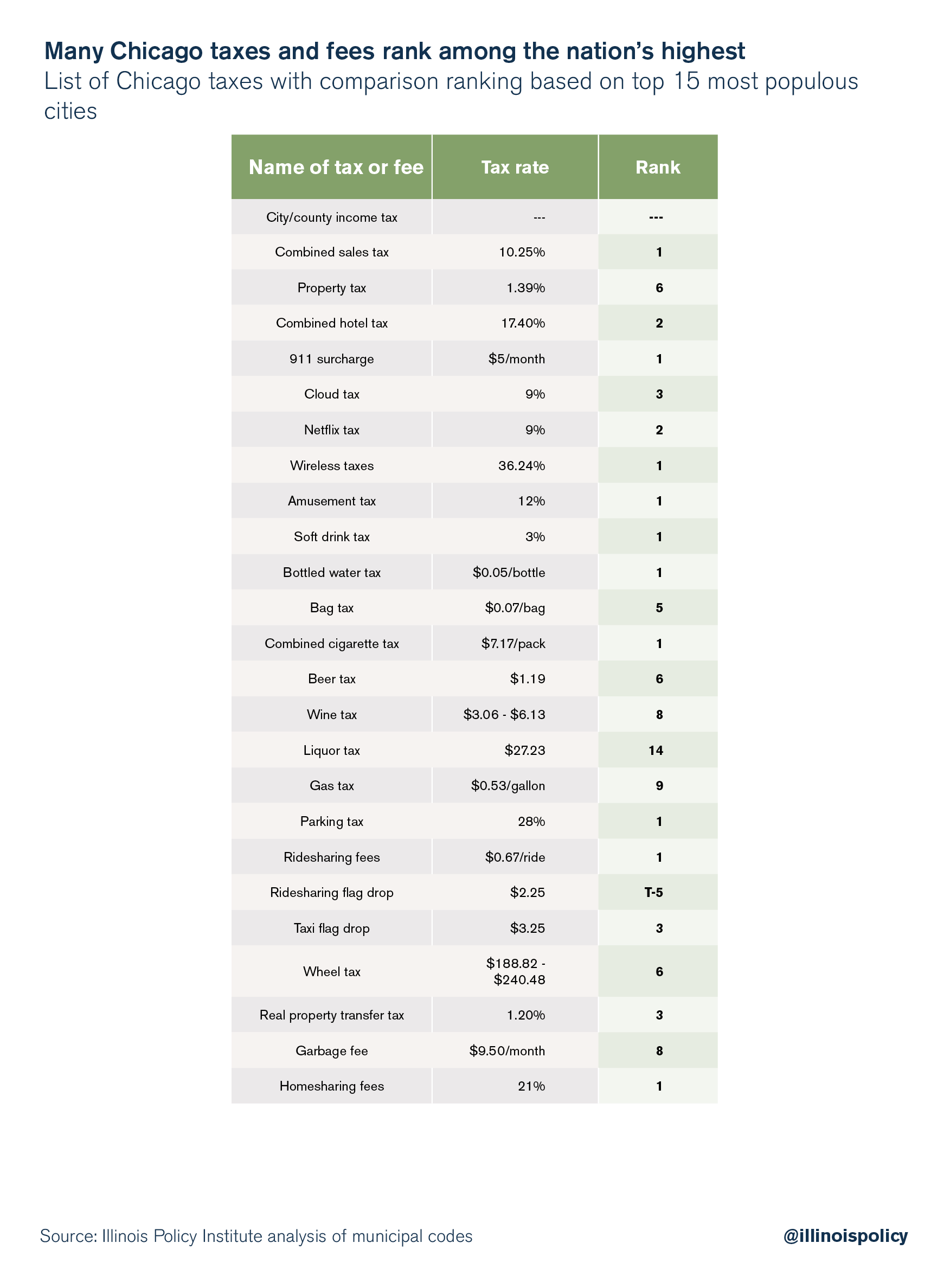
While sales tax is a significant component of pricing in Chicago, it is far from the only tax that tourists will encounter. The city, county, and state also impose various other taxes that specifically target services and goods frequently used by visitors. These additional levies can add a substantial amount to the overall cost of a trip, making it crucial for travelers to understand them for accurate budgeting. Overlooking these specific taxes can lead to unexpected expenses, particularly on major components of a trip like accommodation, transportation, and entertainment.
Hotel Occupancy Tax
Accommodation is often the largest expense for tourists, and Chicago’s hotel occupancy tax significantly contributes to this cost. This tax is completely separate from general sales tax and is applied to the nightly rate of rooms in hotels, motels, and other lodging establishments. The combined rate for hotel occupancy in Chicago is substantial, totaling 12.5%. This breaks down as:
- Illinois State Hotel Operators’ Occupation Tax: 6%
- City of Chicago Hotel Accommodations Tax: 4.5%
- Cook County Hotel Accommodations Tax: 1%
- METRA (Mass Transit Agency) Tax: 1%
This means a $200 per night hotel room will incur an additional $25 in taxes, pushing the actual cost to $225 before any resort fees or other charges. Factoring this into your Chicago hotels budget is imperative, especially for longer stays or during peak tourist seasons when rates are already elevated.
Amusement Tax
Exploring Chicago’s rich cultural scene and diverse entertainment options is a highlight for many visitors. However, most admissions to events, museums, concerts, and sporting events are subject to an amusement tax. The city of Chicago levies a 9% amusement tax on tickets for performances, exhibitions, tours, and other recreational activities. This tax applies to a wide array of popular tourist activities, including:
- Tickets to the Field Museum, Shedd Aquarium, or Museum of Science and Industry.
- Boat tours on the Chicago Riverwalk or Lake Michigan.
- Concerts at venues like the United Center or Northerly Island.
- Sporting events at Soldier Field or Wrigley Field.
- Observatory deck tickets for the Willis Tower Skydeck or 360 Chicago.
For example, a $30 museum admission ticket will cost you an additional $2.70 in amusement tax. These charges can add up, especially if you plan on attending multiple shows, visiting several attractions, or participating in various tours.
Vehicle Rental Tax
For tourists planning to rent a car to explore beyond the immediate downtown area or for convenience from O’Hare International Airport or Midway International Airport, vehicle rental taxes are another item to consider. In Illinois, there’s a 6% state tax on vehicle rentals. Additionally, certain local surcharges and taxes may apply, further increasing the cost. While not as universally applicable to all tourists as sales or hotel taxes, those opting for a rental car should factor these extra charges into their transportation budget. This is particularly relevant for families or business travelers who might prioritize the flexibility of a personal vehicle over public transportation.
Navigating Sales Tax as a Visitor: Practical Tips
Effective budgeting for a trip to Chicago goes beyond just estimating the cost of flights and hotels. The various taxes, particularly sales tax, can add a substantial amount to your expenses if not accounted for. By adopting a few practical strategies, tourists can better manage their spending, avoid unwelcome surprises, and ensure their financial plans align with their travel aspirations. Being tax-savvy allows for a more relaxed and enjoyable exploration of the city’s offerings, from its world-renowned museums to its vibrant dining scene.
Budgeting for the Unseen Costs
The most fundamental tip for navigating sales tax is to incorporate it into your budget from the outset. When you see a price tag for an item, remember that the actual cost at the register will be approximately 10.25% higher due to the general sales tax. For prepared food and drinks, it will be closer to 10.75%.
- Factor in a Buffer: Instead of budgeting for exactly the sticker price, add an extra 10-15% to your estimated spending for shopping, dining, and other activities subject to sales tax. This buffer can absorb the cumulative effect of these charges.
- Daily Spending Estimates: When planning your daily allowance for discretionary spending (souvenirs, snacks, spontaneous purchases), always consider the tax. For instance, if you plan to spend $50 on gifts, budget closer to $55 to cover the sales tax.
- Accommodation and Entertainment: Remember the higher specific taxes for hotels (12.5%) and amusements (9%). When booking tickets for a show or reserving a hotel room, factor in these percentages to get a true understanding of the total expense. Online booking platforms usually display the final price including taxes, but it’s always good to understand the components.
Key Exemptions and Variations
Being aware of what items are subject to different tax rates or are exempt can offer small savings, especially for longer stays:
- Groceries (Unprepared Food): As mentioned, most unprepared food items purchased at grocery stores are taxed at a reduced 1.00% state sales tax rate. This is a significant saving compared to prepared meals. If your accommodation has a kitchen or even just a mini-fridge, consider buying breakfast items, snacks, and some beverages from a supermarket like Jewel-Osco or Whole Foods Market to save on dining costs and associated taxes.
- Prescription Medications: Prescription drugs and certain medical devices are generally exempt from sales tax in Illinois. While hopefully not a primary concern for tourists, it’s a helpful exemption to know.
- Services: Generally, pure services (like haircuts, dry cleaning, or tour guide fees if separate from admission) are not subject to sales tax in Illinois. However, if a service involves the transfer of tangible personal property (e.g., a spa treatment that includes a product you take home), sales tax may apply to the product portion.
Checking Your Receipts
It’s always a good practice to briefly review your receipts, especially for larger purchases or dining bills. This helps ensure that the correct sales tax rate has been applied and that no additional, unwarranted charges have been included. On restaurant bills, you’ll typically see separate line items for sales tax, and potentially a prepared food and beverage tax. For hotels, the various occupancy taxes might be grouped or itemized differently. If something looks incorrect or unusually high, don’t hesitate to politely inquire with the staff. Most establishments are transparent about their pricing and tax structures.
Economic Impact and What Your Tax Dollars Support
While sales tax and other levies might initially seem like an additional burden on a tourist’s budget, it’s insightful to understand their broader economic impact. The revenue generated from these taxes plays a critical role in sustaining the infrastructure, public services, and cultural amenities that make Chicago such an attractive destination. Every dollar contributed through sales, hotel, and amusement taxes helps to maintain the city’s vibrant character and ensures that its resources remain accessible and enjoyable for both residents and visitors alike.
Funding Public Services and Infrastructure
A significant portion of the tax revenue collected in Chicago directly supports the foundational public services that contribute to a safe, clean, and well-functioning city. The state, county, and city sales tax components, alongside the specific hotel and amusement taxes, are channeled into various governmental funds:
- Public Safety: Funds are allocated to police and fire departments, ensuring emergency services are robust and responsive. This contributes to the overall safety that tourists experience while exploring Chicago’s neighborhoods and attractions.
- Infrastructure Maintenance: Tax dollars help maintain and improve roads, bridges, public buildings, and utilities. A well-kept urban environment enhances the visitor experience, making navigation smoother and the city more aesthetically pleasing.
- Public Education and Health: Revenue supports schools and public health initiatives, fostering a thriving community that indirectly benefits visitors through a stable and productive local population.
- Public Transportation: The RTA tax, in particular, is crucial for funding the maintenance and expansion of the Chicago Transit Authority (CTA) train and bus lines, METRA commuter rail, and Pace suburban buses. This robust transit system is indispensable for tourists navigating the city efficiently and affordably, connecting them to landmarks like Millennium Park, Navy Pier, and the Lincoln Park Zoo.
Contributing to the Tourist Infrastructure
Beyond basic services, tax revenue directly fuels the specific amenities and attractions that draw millions of tourists to Chicago each year.
- Cultural Institutions: A portion of the amusement tax and general sales tax contributes to the maintenance and programming of world-class museums, theaters, and cultural centers. These funds help preserve historical sites, support new exhibitions, and ensure these institutions remain dynamic and accessible.
- Parks and Recreation: The city’s expansive park system, including waterfront parks along Lake Michigan, is maintained and improved through tax contributions. These green spaces offer free recreation and relaxation opportunities for both locals and visitors, enhancing the overall quality of life and tourist experience.
- Promotional Efforts: Some funds are often directed towards tourism promotion and marketing, helping to attract more visitors to Chicago. This cycle of attraction and spending further stimulates the local economy, supporting jobs in the hospitality, retail, and entertainment sectors.
In essence, when you pay sales tax in Chicago, you’re not just covering an extra charge; you’re contributing to the upkeep and enhancement of the very city that you’ve chosen to visit. This shared investment ensures that Chicago remains a premier global destination, offering memorable experiences for future generations of travelers. Understanding this reciprocal relationship can transform the perception of taxes from a mere expense to a direct contribution to the city’s enduring appeal.
LifeOutOfTheBox is a participant in the Amazon Services LLC Associates Program, an affiliate advertising program designed to provide a means for sites to earn advertising fees by advertising and linking to Amazon.com. Amazon, the Amazon logo, AmazonSupply, and the AmazonSupply logo are trademarks of Amazon.com, Inc. or its affiliates. As an Amazon Associate we earn affiliate commissions from qualifying purchases.