
Los Angeles, California, a sprawling metropolis known for its vibrant culture, iconic landmarks, and endless entertainment options, beckons millions of travelers each year. From the glitz and glamour of Hollywood to the sun-kissed beaches of Malibu and Venice Beach, the city offers an unparalleled experience for every kind of visitor. Whether you’re planning a luxury escape, a budget-friendly adventure, a family vacation, or a crucial business stay, understanding the local financial landscape, particularly sales tax, is crucial for effective budgeting and a smooth travel experience. As you immerse yourself in the Golden State’s most populous city, you’ll find yourself indulging in retail therapy, savoring diverse cuisines, and exploring world-class attractions. Each of these activities, for the most part, will involve sales tax. This comprehensive guide aims to demystify sales tax in Los Angeles, helping you navigate your spending with confidence and ensuring no hidden costs catch you by surprise during your unforgettable LA adventure.
Understanding Sales Tax for Visitors to Los Angeles
Before diving into the specifics of sales tax in Los Angeles, it’s important to grasp the fundamental concept. Sales tax is a consumption tax imposed by state and local governments on the sale of goods and certain services. In the United States, there is no federal sales tax, meaning each state sets its own rates, and even within states, local jurisdictions can add their own district taxes. This creates a patchwork of rates that can vary significantly from one city or county to another.
The Current Sales Tax Rate in Los Angeles and California
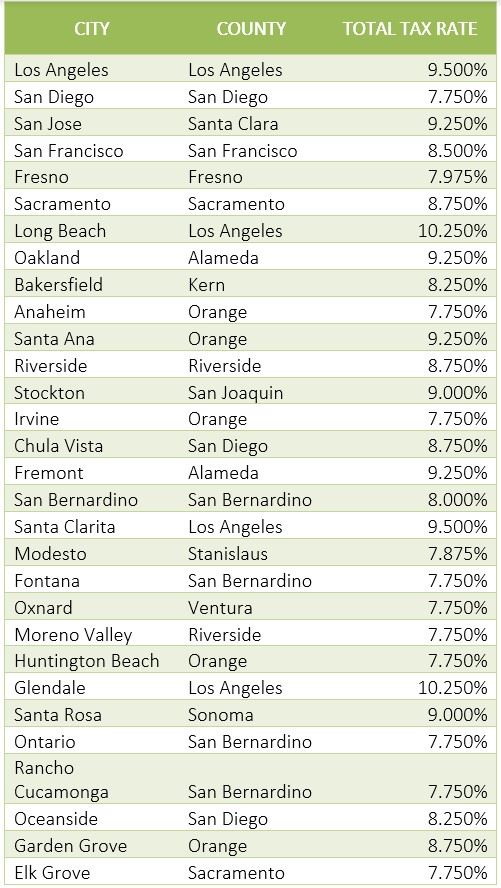
California boasts one of the highest base sales tax rates in the U.S.. As of the last update, the statewide base sales tax rate is 7.25%. However, almost all cities and counties in California levy additional district taxes. In Los Angeles County, the combined sales tax rate is significantly higher due to various district taxes. For example, within the City of Los Angeles itself, the sales tax rate typically stands at 9.5%. This rate applies to most retail sales of tangible personal property. It’s important to note that these rates can be subject to change based on voter-approved initiatives or legislative adjustments, so it’s always a good practice to check the most current rates, usually available through the California Department of Tax and Fee Administration (CDTFA) website.
How Sales Tax Impacts Your Travel Budget
For travelers, sales tax is a constant consideration that can subtly yet significantly inflate overall trip costs if not accounted for. Imagine you’ve budgeted a certain amount for souvenir shopping, dining out, or tickets to an attraction. The posted prices often do not include sales tax, which is added at the point of sale. A 9.5% sales tax means that for every $100 you spend on taxable items, you’ll actually pay $109.50. This can quickly add up, especially if you’re planning an extended stay or indulging in a luxurious lifestyle of shopping and fine dining. Factoring this additional percentage into your budget from the outset is a smart strategy, helping you avoid overspending and ensuring your financial planning aligns with your actual expenditures.
Where You’ll Encounter Sales Tax in Los Angeles
Understanding where and when sales tax applies is key to managing your finances in Los Angeles. While the general rule of thumb is that sales tax applies to tangible goods, there are specific nuances, especially concerning services and various types of purchases common for tourists.
Shopping & Retail Therapy
Los Angeles is a shopper’s paradise, offering everything from high-fashion boutiques to quirky independent stores. Whether you’re browsing the designer labels on Rodeo Drive in Beverly Hills, hunting for unique gifts at The Grove, or picking up movie memorabilia near the Hollywood Walk of Fame, almost all retail purchases of physical items will be subject to sales tax. This includes:
- Clothing and Accessories: From a new swimsuit for the beach to a designer handbag, these items are taxable.
- Souvenirs: T-shirts, keychains, postcards, and other mementos of your trip will have sales tax added.
- Electronics: New gadgets, cameras, or accessories purchased in LA will incur sales tax.
- Books and Media: Unless specifically exempt (which is rare for general retail), most books, magazines, and physical media are taxable.
- Home Goods and Decor: If you’re looking for unique pieces to take home, remember to factor in the tax.
Even if you’re exploring local markets like Grand Central Market for artisan crafts or specialty items, the sales tax will typically apply to the tangible goods you purchase.
Dining Experiences
Los Angeles is a culinary melting pot, boasting an incredible array of dining options, from Michelin-starred restaurants to casual food trucks. When it comes to food, the application of sales tax can sometimes be a bit confusing.
- Restaurants, Cafes, and Food Trucks: Generally, prepared food and beverages sold for consumption, whether dine-in, takeout, or delivery, are subject to sales tax. This includes meals at your hotel restaurant, a quick bite from a food truck, or coffee from a local cafe.
- Alcohol Purchases: Alcoholic beverages served at restaurants or bars are also subject to sales tax. It’s worth noting that some alcoholic beverages might have additional excise taxes levied on them, but sales tax is a separate charge applied at the retail level.
- Grocery Stores (Unprepared Food): This is a significant exemption. Unprepared food items purchased from grocery stores for consumption at home are generally exempt from sales tax. So, if you’re buying fresh produce, meats, packaged goods, or ingredients to cook yourself, you won’t pay sales tax on these essentials. However, ready-to-eat items like a hot deli sandwich, a rotisserie chicken, or pre-made salads from the grocery store are usually taxable. This distinction is important for those on a budget or staying in accommodations with kitchen facilities.
Services and Entertainment
While tangible goods are typically taxed, most pure services are exempt from sales tax in California. However, services that involve the creation or transfer of tangible personal property can sometimes be taxable. More importantly, many popular tourist activities involve tickets or rentals, which fall under different tax rules or have their own specific fees.
- Theme Parks & Attractions: Tickets to major attractions like Disneyland Resort in Anaheim or Universal Studios Hollywood generally do not have sales tax applied to the admission price. However, any merchandise or prepared food you purchase inside the park will be subject to sales tax.
- Concert Tickets, Sports Events: Similar to theme park admissions, tickets for concerts at venues like Crypto.com Arena (formerly Staples Center) or sporting events at Dodger Stadium are typically exempt from sales tax on the ticket price itself. Service fees or facility fees might be added, but not sales tax.
- Rental Cars: Rental cars are a staple for many Los Angeles travelers. While the rental fee itself is generally not subject to sales tax, you will encounter various other taxes and fees, such as a “tourism surcharge,” “vehicle license fee,” or “airport concession recovery fee,” depending on where you rent the car. These can significantly increase the total cost, so always get a full quote.
- Hotel Stays and Short-Term Rentals: This is a critical distinction. While sales tax generally applies to tangible goods, it does not apply to the room rate for hotel stays or short-term rentals in California. Instead, these accommodations are subject to a Transient Occupancy Tax (TOT), also known as a lodging tax or hotel tax. This is an entirely separate tax levied by cities and counties, often at a higher rate than sales tax, specifically to fund local services and promote tourism. We will delve deeper into TOT shortly.
Sales Tax Exemptions and Special Cases
While sales tax is pervasive, certain categories of goods and services are exempt, which can be helpful for savvy travelers.

- Groceries (Unprepared Food): As mentioned, most unprepared food items purchased from grocery stores for home consumption are exempt. This is a significant cost-saving opportunity for travelers staying in apartments or villas with kitchen access.
- Prescription Medication: Prescription drugs and certain medical devices are exempt from sales tax.
- Certain Services: Pure services, such as professional advice (legal, medical), haircuts, dry cleaning, or personal training, are typically not subject to sales tax in California. However, if a service involves the transfer of a tangible product (e.g., custom framing at an art shop), sales tax might apply to the product portion.
- Online Purchases: With the rise of e-commerce, the rules for online sales tax have evolved. Following the Wayfair Supreme Court ruling, out-of-state retailers are generally required to collect California sales tax if they meet certain sales thresholds in the state (economic nexus). This means that most online purchases shipped to Los Angeles from major retailers will likely include sales tax, just as if you bought them in a physical store.
Smart Budgeting and Tax Planning for Your Los Angeles Trip
Effective financial planning is paramount for any successful trip, especially when visiting a major metropolitan area like Los Angeles. Beyond simply knowing the sales tax rate, integrating this knowledge into your budgeting strategy can lead to a more enjoyable and stress-free experience.
Factor Sales Tax into Your Spending Estimates
When you’re researching potential purchases – be it a meal at a highly-rated restaurant, a fashionable item from West Hollywood, or a souvenir from Third Street Promenade in Santa Monica – always add 9.5% (or the specific local rate) to the advertised price. For instance, if a menu item costs $20, plan on paying closer to $21.90 after sales tax. This proactive approach prevents you from hitting your budget limits prematurely. Create separate categories for your budget, such as “Dining (including tax),” “Shopping (including tax),” and “Activities (with specific fees/taxes noted).”
Track Your Expenses
Using a budgeting app or a simple spreadsheet to track your expenses throughout your trip can be incredibly helpful. Not only does it keep you aware of your spending, but it also provides a clear picture of how much you’re actually paying in taxes and fees. This insight can help you adjust your spending habits in real-time.
Tips for Saving Money in LA
While sales tax is unavoidable for many purchases, you can implement other strategies to save money on your Los Angeles tourism adventure:
- Embrace Free Attractions: Los Angeles offers numerous free landmarks and activities. Explore the Griffith Observatory (though parking may have a fee), stroll along the Hollywood Walk of Fame, hike Runyon Canyon Park, or visit Getty Center (parking fee applies). These offer rich experiences without sales tax on admission.
- Utilize Public Transportation: LA’s Metro system can be a cost-effective way to get around, especially in dense areas like Downtown LA, Hollywood, and Long Beach. This avoids sales tax on gas and often expensive parking fees.
- Take Advantage of Happy Hours: Many restaurants offer discounted food and drinks during happy hour, which can be a great way to sample local cuisine at a lower price point. Remember, sales tax will still apply to these discounted items.
- Cook Your Own Meals: For budget travelers or long-term stays, utilizing kitchen facilities in your accommodation and purchasing unprepared groceries (which are tax-exempt) can lead to significant savings on dining costs.
Beyond Sales Tax: Other Important Taxes for Travelers
As a visitor to Los Angeles, sales tax is just one piece of the puzzle. Other taxes and fees, particularly those related to accommodation and travel services, can have an even greater impact on your overall budget.
Transient Occupancy Tax (TOT)
The Transient Occupancy Tax (TOT), often referred to as hotel tax or lodging tax, is a local tax levied on guests staying in hotels, motels, and short-term rentals (including many Airbnb bookings) for a period of 30 days or less. Unlike sales tax, which goes to the state and local governments for general funds, TOT is specifically collected by cities and counties to fund local services, infrastructure, and tourism promotion.
- Rates in Los Angeles County and Specific Cities: The TOT rate varies significantly by city within Los Angeles County. For example, the City of Los Angeles typically has a TOT rate of around 14%. Other cities might have different rates: Santa Monica can be around 15%, and Beverly Hills might be similar. This tax is applied to the gross rental receipts of the room.
- Impact on Hotel and Short-Term Rental Bookings: The TOT can add a substantial percentage to your accommodation costs. When booking a hotel room or short-term rental, always look for the “total price” that includes all taxes and fees. A night advertised at $200 in Los Angeles could easily cost $228 after a 14% TOT. This is particularly important for planning the overall budget for your stay, especially for longer trips or bookings at luxury properties like the Beverly Wilshire, A Four Seasons Hotel.
Tourism-Related Fees and Surcharges
Beyond sales tax and TOT, travelers might encounter various other fees and surcharges, particularly for rental cars and certain resorts.
- Rental Car Surcharges: As previously mentioned, renting a car often comes with a host of additional charges beyond the daily rate. These can include vehicle license recovery fees, energy surcharges, airport concession fees, and various local taxes that are not strictly sales tax but add to the total cost.
- Resort Fees: Some hotels and resorts, especially those offering extensive amenities like pools, gyms, or internet access, charge mandatory “resort fees” per night. These fees are usually not included in the advertised room rate and are added upon check-out. While not a tax, they operate similarly to an unavoidable additional cost.
- Parking Fees: While not a tax, parking fees in Los Angeles can be exorbitant, especially in popular areas or at hotels. Factor these into your budget if you plan on driving or renting a car.

Conclusion
Navigating the tax landscape in Los Angeles, California, requires a keen eye and a bit of foresight, but it’s entirely manageable with the right information. The city’s 9.5% sales tax on most tangible goods and prepared food, coupled with the Transient Occupancy Tax on accommodations and various other fees, collectively shape the true cost of your travel experience.
By understanding where sales tax applies – from your shopping sprees on Rodeo Drive to your meals at Grand Central Market – and distinguishing it from other crucial taxes like the TOT on your hotel stay, you can budget more effectively. Remember to factor in these additional percentages when estimating costs for everything from tickets to Universal Studios Hollywood to a casual coffee in Pasadena.
Los Angeles offers an incredible tapestry of destinations, attractions, and lifestyle choices. While sales tax is an unavoidable part of the economic fabric, being prepared for it means you can focus more on enjoying the iconic Hollywood Sign, exploring the Academy Museum of Motion Pictures, riding Angels Flight Railway, or discovering the wonders at the California Science Center, Natural History Museum of Los Angeles County, or Petersen Automotive Museum, without any unwelcome financial surprises. With smart planning, your Los Angeles adventure will be as seamless as it is memorable. Enjoy your journey through the City of Angels!
LifeOutOfTheBox is a participant in the Amazon Services LLC Associates Program, an affiliate advertising program designed to provide a means for sites to earn advertising fees by advertising and linking to Amazon.com. Amazon, the Amazon logo, AmazonSupply, and the AmazonSupply logo are trademarks of Amazon.com, Inc. or its affiliates. As an Amazon Associate we earn affiliate commissions from qualifying purchases.