
Understanding the nuances of sales tax in Texas is crucial for any visitor or resident looking to navigate the Lone Star State’s economic landscape. Far from being a simple percentage added to every purchase, Texas sales tax is a complex system that impacts everything from your hotel stay to your souvenir shopping. This guide aims to demystify the Texas sales tax for travelers, shedding light on its rates, what it applies to, and how it affects your journey through this vast and diverse state.
Understanding the Basics of Texas Sales Tax
Sales tax in Texas is a state-imposed tax on the retail sale of tangible personal property and certain services. It’s primarily a consumption tax, meaning those who spend more on goods and services generally pay more in sales tax. The revenue generated from sales tax is a significant funding source for the state, supporting public education, infrastructure, and other vital services.
State vs. Local Rates
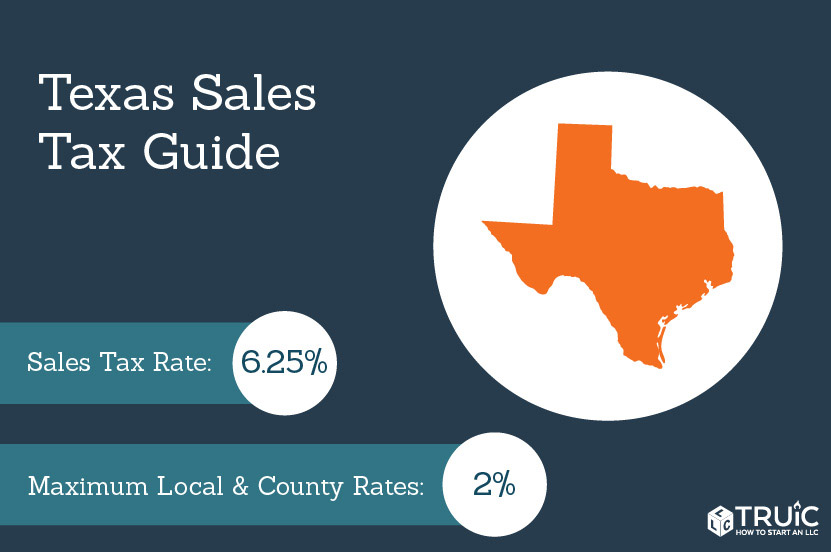
The total sales tax rate in Texas is a combination of the state sales tax rate and any applicable local sales tax rates.
- State Sales Tax: The state of Texas imposes a statewide sales tax rate. This rate is consistent across the entire state, forming the base of the total sales tax you will encounter.
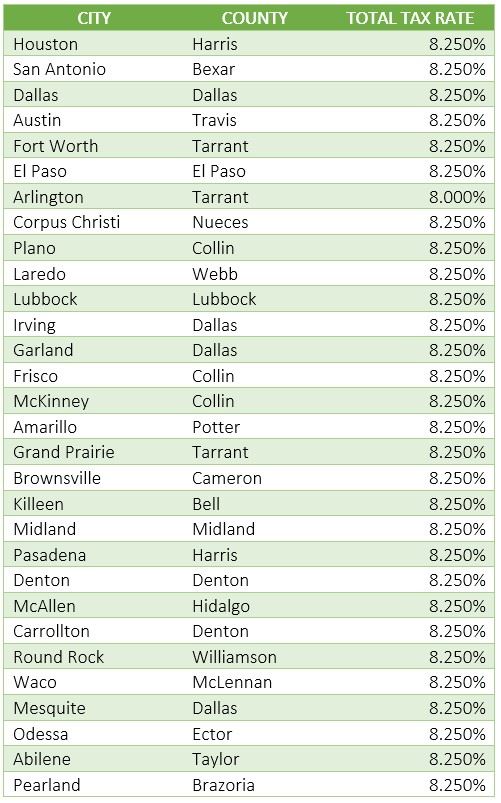
- Local Sales Tax: Cities, counties, and special districts within Texas can levy their own local sales taxes. These can vary significantly from one locality to another, making it essential to be aware of where you are shopping or staying. For example, a bustling metropolis like Houston will likely have a higher combined rate than a small, unincorporated town in West Texas.
The combined rate is the sum of the state rate and all applicable local rates at the point of sale. This means that while the state rate remains constant, your final sales tax bill can fluctuate depending on your geographical location within Texas.
How Rates Are Determined
The Texas Comptroller of Public Accounts is responsible for administering the state’s tax laws, including sales tax. The state sets the base rate, and local governments have the authority to implement their own rates up to a certain statutory limit. These local rates are often voted on by residents and can be influenced by the need to fund local services such as schools, roads, and public safety initiatives.
For travelers, this means that a souvenir purchased in San Antonio might have a slightly different tax applied than the same item bought in Dallas. Understanding this variability is key to budgeting for your trip effectively.
What Does Texas Sales Tax Apply To?
The scope of Texas sales tax is broad, encompassing a wide range of goods and services that are relevant to travelers.
Tangible Personal Property
This is the most common category subject to sales tax. It includes virtually any physical item you can touch and feel, from clothing and electronics to restaurant meals and souvenirs.
- Souvenirs and Gifts: When you’re browsing the shops along the San Antonio Riverwalk or picking up a memento from a Texas Rangers game, expect to pay sales tax on your purchases.
- Clothing and Accessories: Whether you’re outfitting yourself for a trip to Big Bend National Park or simply buying a new hat, clothing and accessories are subject to sales tax.
- Groceries and Food: While prepared foods from restaurants, delis, and snack bars are typically taxed, many basic grocery items are exempt. This distinction can be important for those on longer stays or who prefer to self-cater.
- Electronics and Gadgets: Any electronics you purchase for your travels, from a new camera to a portable charger, will include sales tax.
Taxable Services
In addition to tangible goods, certain services in Texas are also subject to sales tax. This is an area that can sometimes surprise visitors.
- Hotel Stays: This is a significant area for travelers. Hotel rooms, motel accommodations, and short-term rentals are subject to both state and local hotel occupancy taxes, which function similarly to sales tax. These taxes are levied on the price of your accommodation and can add a notable amount to your bill, especially in popular tourist destinations.
- Admissions and Entertainment: Tickets to theme parks like Six Flags Fiesta Texas, movie theaters, concert venues, and sporting events are generally subject to sales tax.
- Repair and Maintenance Services: Services performed on tangible personal property, such as car repairs or electronics repair, are often taxable.
- Certain Professional Services: While many professional services are exempt, some, like those related to computer programming or data processing, may be taxed.
What Is Exempt from Texas Sales Tax?
Understanding what is not taxed can be just as important for travelers looking to manage their expenses. Texas has specific exemptions designed to encourage certain economic activities or provide relief on essential goods.
Exempt Goods
- Most Food for Home Consumption: As mentioned, basic grocery items intended for preparation and consumption at home are typically exempt from sales tax. This includes items like bread, milk, eggs, and produce.
- Prescription Drugs and Medical Supplies: Essential medical items are generally not subject to sales tax.
Exempt Services
- Certain Financial Transactions: Services provided by banks and other financial institutions are usually exempt.
- Services for Religious, Charitable, and Educational Organizations: Organizations that meet specific criteria may be exempt from paying sales tax on services they receive.
- Newspaper Subscriptions: While individual copies of newspapers may be taxed, ongoing subscriptions often fall under an exemption.
Exemptions for Travelers
While direct exemptions for tourists are rare, understanding the nature of taxable services can help. For instance, if you’re on an extended stay and opt for a vacation rental where you can cook most of your meals, you’ll save on sales tax compared to eating out frequently.
Navigating Sales Tax When You Travel in Texas
For visitors, the most common encounters with Texas sales tax will be at retail establishments and for your accommodation.
Hotel Occupancy Tax
This is a critical component of sales tax for travelers. When you book a room at a hotel, resort, or even many vacation rentals, you will be charged a Hotel Occupancy Tax (HOT). This tax is levied by the state and can also include additional city and county portions. The rates can vary significantly. For example, a luxury resort in Austin might have a higher HOT than a motel in a smaller town. It’s always wise to check the total cost of your accommodation, including all taxes and fees, before booking.
Shopping and Dining
When you’re exploring Texas cities like Fort Worth or visiting attractions like the Space Center Houston, sales tax will be applied to most of your purchases. Keep this in mind when budgeting for shopping sprees or meals out. The sales tax is usually calculated at the point of sale and added to your bill.
Special Considerations for Businesses and Events
For travelers attending conferences or business events in Texas, understanding sales tax is also important. Services provided to businesses, such as event planning, catering, and equipment rentals, can be subject to sales tax. Attendees purchasing promotional materials or other goods for the event should also anticipate sales tax.

Key Takeaways for Travelers
- Be Aware of Local Rates: While the state rate is fixed, local rates can vary. Always check the total sales tax rate for the specific city or county you are visiting.
- Factor in Hotel Taxes: Hotel Occupancy Taxes are a significant part of your travel budget. Factor these into your accommodation costs.
- Understand Service Taxability: Some services you might use as a traveler, such as car rentals or amusement park tickets, are taxable.
- Groceries vs. Prepared Food: If you have the option to prepare your own meals, buying groceries can be more tax-efficient than dining out frequently.
By understanding the fundamental principles of Texas sales tax, travelers can better plan their budgets, avoid unexpected costs, and enjoy their experience in the Lone Star State with confidence. The economic engine of Texas is partly fueled by this tax, and a little knowledge goes a long way in navigating its impact on your travels.
LifeOutOfTheBox is a participant in the Amazon Services LLC Associates Program, an affiliate advertising program designed to provide a means for sites to earn advertising fees by advertising and linking to Amazon.com. Amazon, the Amazon logo, AmazonSupply, and the AmazonSupply logo are trademarks of Amazon.com, Inc. or its affiliates. As an Amazon Associate we earn affiliate commissions from qualifying purchases.