
Venturing to the sprawling metropolis of Los Angeles promises an unforgettable experience, whether you’re drawn by the allure of Hollywood glamour, the pristine beaches of Santa Monica, or the vibrant arts scene of Downtown Los Angeles. As you plan your itinerary, secure your accommodation, and dream of the culinary delights, one often-overlooked aspect can significantly impact your travel budget: sales tax. Understanding the nuances of sales tax in the City of Angels is crucial for smart spending, helping you navigate everything from souvenir shopping to dining experiences without unexpected surprises. This comprehensive guide is tailored for travelers, offering insights into Los Angeles sales tax, how it applies to various purchases, and practical tips to factor it into your travel and lifestyle planning.
Understanding Sales Tax in the City of Angels
Sales tax, at its core, is a consumption tax levied by state and local governments on the sale of goods and services. Its primary purpose is to fund public services and infrastructure, ranging from roads and schools to emergency services, all of which contribute to the quality of life for residents and the experience for visitors. For anyone exploring Los Angeles, recognizing how this tax functions is the first step toward effective budgeting. Unlike some countries where value-added tax (VAT) is often included in the sticker price, sales tax in the United States is typically added at the point of sale, meaning the price you see on the shelf or menu is often not the final price you pay. This distinction is vital for travelers accustomed to all-inclusive pricing elsewhere.
The Basic Breakdown: How It Works
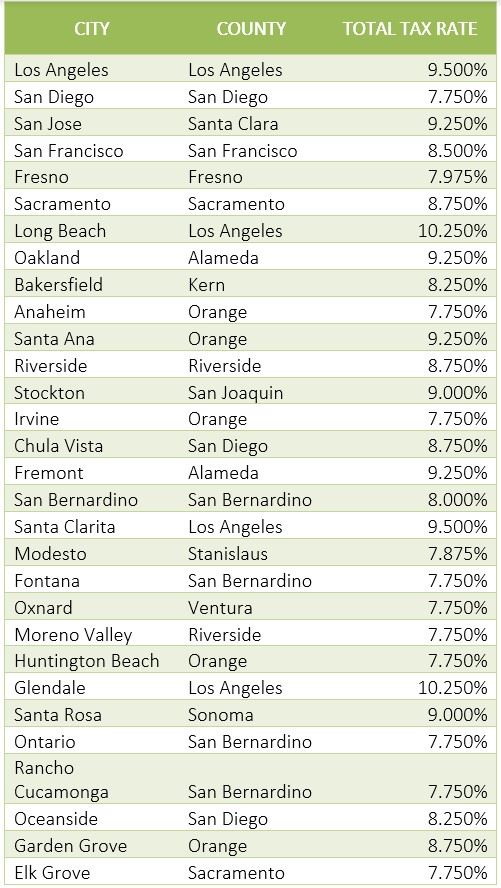
The sales tax structure in California is a multi-layered system. It begins with a statewide base rate, to which various local district taxes are added. These district taxes can vary by county and even by specific cities within a county, resulting in different total sales tax rates across different locations. For travelers, this means that while the base rate is consistent across California, your purchases in Los Angeles will carry a specific local surcharge that might differ from a purchase made in, say, San Francisco or San Diego. It’s a complex system designed to allow local jurisdictions to generate revenue for their specific needs, directly impacting the cost of almost every tangible item you buy and many services you utilize during your Los Angeles travel.
Current Rates: What to Expect
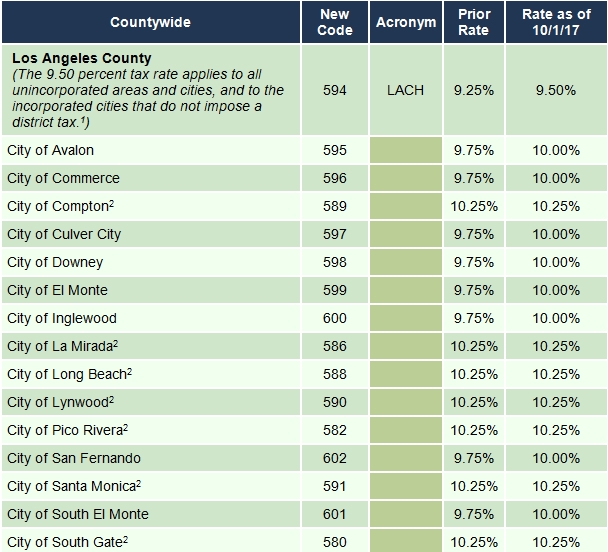
As of the most recent data, the combined sales tax rate in the City of Los Angeles is 9.5%. This rate is composed of the statewide California sales tax rate of 7.25% plus additional local district taxes. This 9.5% applies to the vast majority of taxable goods and services purchased within the city limits. It’s important to note that tax rates can be subject to change due to legislative action or voter-approved measures, so it’s always wise to check for the most current information if you’re planning a trip far in advance or concerned about very specific budgeting. For instance, if you purchase a $100 item, you will pay an additional $9.50 in sales tax, bringing your total to $109.50. This percentage can quickly add up, especially on larger purchases or when factored into your overall budget for tourism-related expenses.
Navigating Sales Tax: What’s Taxed and What’s Not for Visitors
One of the most common questions for visitors is: what exactly is subject to sales tax in Los Angeles? The general rule of thumb is that tangible personal property is taxable. However, there are significant exceptions, particularly concerning food, and specific services that travelers frequently encounter. Understanding these distinctions can help you make informed choices, whether you’re stocking up on snacks for a day trip to the Griffith Observatory or indulging in a gourmet meal in Beverly Hills.
Goods and Gastronomy: The Taxable Spectrum
For the typical Los Angeles visitor, sales tax will apply to a wide array of purchases. This includes everything from the latest fashion trends on Rodeo Drive to souvenirs commemorating your visit to Universal Studios Hollywood or the Walk of Fame. Clothing, electronics, gifts, books, artwork, and any other physical item you buy will incur the 9.5% sales tax.
When it comes to food, the rules are a bit more nuanced. Prepared food is generally taxable. This means if you’re dining out at a restaurant, grabbing a coffee and pastry from a café, ordering takeout, or purchasing hot food from a deli counter, sales tax will be added to your bill. This also includes beverages, whether alcoholic (though often subject to additional excise taxes) or non-alcoholic, when purchased as part of a prepared meal. The convenience of a quick bite at a food truck, a celebratory dinner at a high-end eatery, or a casual lunch near your hotel will all include this additional charge, which should be factored into your food budget.

Essential Exemptions: Saving on Necessities
Fortunately, not everything you purchase in Los Angeles is subject to sales tax. The most significant exemption for travelers revolves around unprepared food, commonly referred to as groceries. If you buy ingredients from a supermarket or grocery store – fresh produce, meat, dairy, packaged snacks, and cold beverages – that you intend to prepare yourself (perhaps if you’re staying in an apartment or villa with kitchen amenities), these items are generally exempt from sales tax. This can be a significant saving, especially for longer stays or for families looking to manage their expenses. Stocking up on breakfast items, picnic supplies for a day at the beach, or ingredients for a home-cooked meal can help stretch your travel dollars further.
Other notable exemptions include certain medical devices and prescription medications. While less common for the average tourist, it’s good to know that essential health-related purchases are typically not subject to sales tax. Services, in general, are also largely exempt from sales tax in California, unless they are specifically tied to the sale of tangible personal property (e.g., installation services for a taxable item you just purchased).
Beyond the Retail Shelf: Services and Experiences
While tangible goods are typically taxed, many services and experiences that form the core of Los Angeles tourism are generally not. For example, tickets to attractions like Disneyland Resort, The Getty Center (though parking might have a fee), or a concert venue are usually not subject to sales tax, though they may have their own separate fees or entertainment taxes. Similarly, services such as tours, spa treatments, or professional guides typically do not have sales tax applied to them.
However, there are exceptions. If a service results in a tangible product, or is inextricably linked to one, sales tax may apply. For instance, if you get a custom piece of jewelry designed, the final product (the jewelry) would be taxed, even if the service of designing it was a component of the cost. The key takeaway for travelers is to understand that the focus of sales tax is primarily on physical goods. Most pure services or entry fees for attractions fall outside its scope, offering some relief when planning your experiences.
Budgeting for Los Angeles: Sales Tax and Your Travel Expenses
Effective budgeting is a cornerstone of enjoyable travel, and accurately accounting for sales tax in Los Angeles is a critical component. For many visitors, the cumulative effect of sales tax on daily purchases can add a significant percentage to their overall spending, particularly when considering shopping, dining, and other activities. Ignoring it can lead to overspending or cutting short other planned activities due to unforeseen costs.
Accommodation and Rental Cars: Beyond Sales Tax
While sales tax applies to tangible goods, it’s important to distinguish it from other taxes that travelers frequently encounter. For instance, hotel stays in Los Angeles are not subject to sales tax but are instead subject to a Transient Occupancy Tax (TOT), often referred to as a hotel tax. This rate is separate from sales tax and can be substantial, often around 10-15% of your room rate, varying slightly by specific city within Los Angeles County. When booking a suite at a Ritz-Carlton or a cozy room at a boutique hotel, remember to factor in this additional percentage, as it can significantly increase the total cost of your accommodation. Similarly, rental cars are subject to various fees and taxes, including a tourism assessment and county surcharges, but not the standard sales tax. Always read the fine print when booking hotels or vehicles to understand the full cost.
Shopping Sprees and Souvenirs: Factoring in the Cost
For those planning to indulge in a shopping spree or simply pick up a few cherished souvenirs, sales tax can quickly become a noticeable addition. A luxury item purchased in Beverly Hills or a bundle of Hollywood memorabilia will have 9.5% added to its sticker price. If you have a specific budget for shopping, mentally (or literally) add 9.5% to every item’s listed price to get a more accurate total. For example, a $50 souvenir will actually cost you $54.75. For high-value items, this can mean hundreds of dollars in additional cost. This is particularly relevant if you’re accustomed to traveling in states with no sales tax, such as Oregon or Delaware, where the sticker price is often the final price.
Dining Out: Restaurant Bills and Sales Tax
Dining is an integral part of the Los Angeles experience, from casual food trucks to Michelin-starred restaurants. Every meal purchased as prepared food will include sales tax. A $30 dinner will effectively cost $32.85 before tip. Over the course of a week-long trip with multiple meals out, these small additions can accumulate to a substantial sum. This is especially important for budget travel where every dollar counts. When planning your food budget for daily meals, remember to include both the sales tax and the customary gratuity (typically 15-20%) to avoid any surprises when the check arrives.
Smart Spending in Los Angeles: Tips for Travelers
Equipped with a solid understanding of Los Angeles sales tax, travelers can implement several strategies to optimize their spending and ensure a smooth, financially predictable trip. From pre-trip planning to on-the-ground purchasing decisions, being mindful of tax implications can enhance your overall lifestyle during your stay.
Planning Your Purchases
Before you even step foot in Los Angeles, incorporate sales tax into your financial planning. When setting a budget for shopping, souvenirs, or dining, always add an extra 10% to your anticipated costs to account for sales tax. This buffer will prevent you from feeling short-changed or unexpectedly over budget. If you’re comparing prices for a major purchase that you might make in Los Angeles versus another city or state, consider the varying sales tax rates. Sometimes, a seemingly higher initial price in a lower-tax area might result in a lower final cost. For instance, if you are flying to a no-sales-tax state after your Los Angeles visit, it might be more cost-effective to make larger purchases there.
Exploring Tax-Free Alternatives
Maximizing tax-free purchases is an intelligent way to save money. If you have accommodation with kitchen amenities, make use of grocery stores for breakfast, snacks, and some meals. This not only exempts you from sales tax but also often saves money compared to dining out. Many hotels or resorts offer refrigerators, which can be invaluable for storing tax-exempt groceries.
Furthermore, focus on experiences that are generally tax-free. Enjoy the stunning views from Runyon Canyon or a leisurely stroll through Griffith Park. Explore the many free museums and landmarks that Los Angeles boasts, such as the initial entry to The Getty Center or the captivating street art in Downtown Los Angeles. These activities offer rich cultural experiences without the added burden of sales tax on entry fees. When planning your daily activities and seeking out destinations, think creatively about how you can enjoy the city’s vibrant offerings while being fiscally smart.
In conclusion, understanding what sales tax is in Los Angeles and how it applies to various purchases is not just about financial prudence; it’s about enhancing your overall travel experience. By factoring the 9.5% sales tax into your budget for goods and prepared foods, distinguishing it from other hotel and rental car taxes, and leveraging tax-exempt options like groceries, you can navigate Los Angeles with confidence, ensuring your focus remains on enjoying all the incredible attractions and experiences this iconic city has to offer without any unexpected financial bumps along the way. Safe travels to the Golden State!
LifeOutOfTheBox is a participant in the Amazon Services LLC Associates Program, an affiliate advertising program designed to provide a means for sites to earn advertising fees by advertising and linking to Amazon.com. Amazon, the Amazon logo, AmazonSupply, and the AmazonSupply logo are trademarks of Amazon.com, Inc. or its affiliates. As an Amazon Associate we earn affiliate commissions from qualifying purchases.