
Embarking on a journey to the Lone Star State promises an unforgettable experience, whether you’re drawn to the vibrant city life of Dallas, the rich history of San Antonio, the live music scene in Austin, or the expansive natural beauty of Big Bend National Park. Texas is a land of vast landscapes, diverse cultures, and endless adventures. From opulent resorts and charming boutique hotels to exhilarating theme parks and serene natural wonders, there’s something for every traveler. However, like any travel destination, understanding the local financial landscape, particularly sales tax, is crucial for effective budgeting and a smooth, stress-free trip.
For both visitors and residents, navigating the intricacies of sales tax in Texas can sometimes be a little confusing. While the base rate is straightforward, various local additions mean that the final percentage you pay can differ significantly depending on where you are within the state. This comprehensive guide will demystify the sales tax rates across Texas, providing clarity on what to expect when paying for everything from a gourmet meal to a memorable souvenir or a luxurious hotel stay. By understanding these figures, you can better plan your expenditures, ensure your travel budget stretches further, and fully immerse yourself in all the incredible experiences Texas has to offer.
Understanding Texas Sales Tax for Travelers and Residents
When planning a trip or considering a move to Texas, one of the first questions that often comes to mind regarding expenses is, “What is the sales tax rate?” The answer, while seemingly simple at first glance, has several layers, especially when factoring in local levies. Understanding these nuances is essential for anyone looking to manage their finances effectively in the state, whether you’re a tourist indulging in local cuisine and attractions or a resident making everyday purchases. The sales tax structure in Texas is a combination of a statewide rate and additional local taxes, which collectively determine the final amount you pay at the register.
The Statewide Sales Tax Base
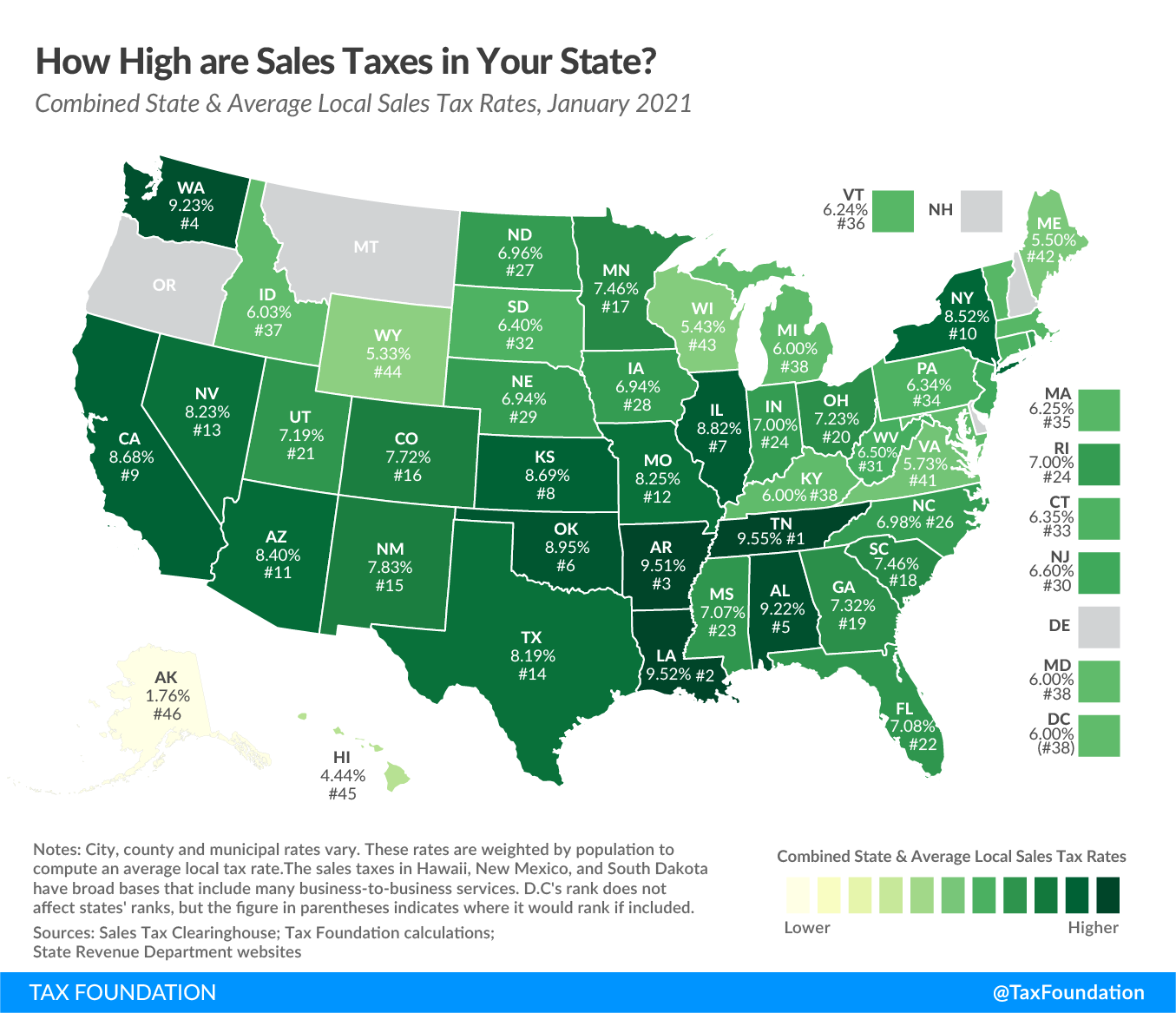
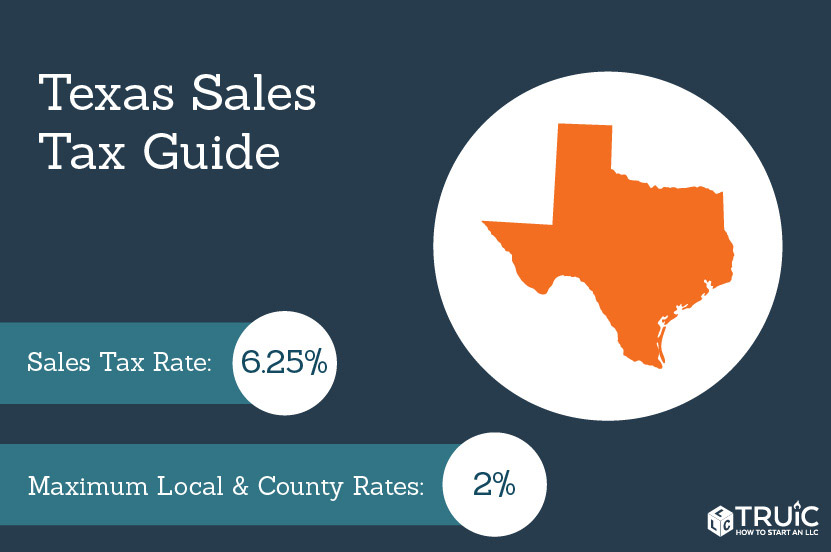
At its core, Texas imposes a statewide sales and use tax rate of 6.25%. This rate is mandated by the state government and applies uniformly across all transactions for taxable goods and services unless otherwise specified by law. This 6.25% serves as the foundation for all sales tax calculations in Texas. It’s the minimum sales tax you can expect to pay on taxable items, regardless of whether you’re shopping in a bustling urban center like Houston or a quaint rural town. For travelers, this means that a significant portion of their purchases, from gifts and apparel to restaurant meals, will be subject to at least this 6.25% charge. For example, if you purchase a souvenir from a gift shop for $100, the state sales tax alone would add $6.25 to your bill before any local taxes are applied.
Local Additions: City, County, and Special District Taxes
While the 6.25% state rate is consistent, the total sales tax rate can vary significantly due to local taxing jurisdictions. Cities, counties, and various special purpose districts (such as metropolitan transit authorities or economic development corporations) have the authority to impose additional sales taxes. These local taxes can add up to an extra 2% to the statewide rate, bringing the maximum combined sales tax rate in some areas of Texas to 8.25%.
For instance, many major cities in Texas, including Dallas, Houston, San Antonio, and Austin, levy additional sales taxes to fund local services and infrastructure. These local taxes are typically broken down into specific categories:
- City Sales Tax: Many cities add 1% or 1.5% to the state rate.
- County Sales Tax: Some counties also impose a sales tax, though this is less common for all areas within a county that have a city sales tax.
- Special Purpose District (SPD) Sales Tax: These can include Metropolitan Transit Authority (MTA) taxes in large metropolitan areas, or other districts for economic development, crime control, or emergency services. These can add another 0.5% or 1%.
The specific combination of these local taxes determines the final rate. For example, in a city with a 1.5% city sales tax and a 0.5% MTA sales tax, the total would be 6.25% (state) + 1.5% (city) + 0.5% (MTA) = 8.25%. This maximum rate is prevalent in many of Texas’s most visited urban centers. It’s crucial for travelers and residents alike to be aware of these localized rates, as they directly impact the final cost of goods and services, influencing everything from the price of a souvenir to the total bill at a restaurant. Always check the receipt or local government websites for the exact rate in a specific location to avoid any surprises.
Key Taxable Items and Services for Visitors
When exploring Texas, tourists encounter a myriad of opportunities to spend, from indulging in delicious local cuisine to finding the perfect memento. Understanding which of these expenditures are subject to sales tax is vital for accurate budget planning. While the general rule is that most tangible personal property and certain services are taxable, there are specific categories that commonly impact travelers the most, especially concerning accommodation, dining, and shopping.
Lodging and the Texas Hotel Occupancy Tax
One of the most significant expenses for travelers is accommodation. In Texas, hotel stays are subject to a special levy known as the Hotel Occupancy Tax (HOT), which is separate from the general sales tax. This tax is imposed on the rental of a room or space in a hotel, motel, bed and breakfast, or other lodging facility that costs $15 or more per day. The HOT is collected at both the state and local levels.
- State Hotel Occupancy Tax: The state of Texas imposes a HOT rate of 6% on the cost of your room.
- Local Hotel Occupancy Tax: Cities and counties also have the authority to impose their own HOT, which can vary widely. For example, many large cities like Austin, Houston, and San Antonio levy significant local HOT rates, often reaching as high as 7% to 9%. When combined with the state HOT, the total tax on your hotel room can easily be anywhere from 13% to 17%. This means that a $150 hotel room could incur an additional $19.50 to $25.50 in taxes per night, depending on the location.
It’s important to note that the HOT revenue is primarily used to fund tourism and convention activities, promoting local attractions, and enhancing the overall visitor experience. This tax applies to short-term stays, typically those under 30 consecutive days. Long-term residents (30 days or more) may be exempt from the HOT if they establish residency. Always factor in this substantial additional cost when booking your accommodations in Texas, especially if you’re staying in popular tourist destinations such as Galveston or near iconic landmarks like The Alamo.
Dining Out: Prepared Food vs. Groceries
Texas boasts a legendary culinary scene, from authentic Tex-Mex and mouth-watering barbecue to upscale international dining. Most travelers will undoubtedly spend a significant portion of their budget on food. When it comes to sales tax on food, there’s a crucial distinction:
- Prepared Food: Meals and drinks purchased from restaurants, cafes, food trucks, bars, or any establishment where the food is prepared for immediate consumption are generally subject to the full combined state and local sales tax rate (up to 8.25%). This includes everything from a coffee at a local Austin cafe, a barbecue platter in Lockhart, or a fine dining experience in the Dallas Arts District. Even items like fountain drinks, hot deli foods, and pre-packaged sandwiches sold by convenience stores are typically considered prepared food.
- Groceries: Most unprepared food items purchased at grocery stores for consumption at home are exempt from sales tax. This means staples like fresh produce, meats, dairy, and packaged goods that require further preparation are not taxed. This exemption is a significant relief for travelers who opt to cook some of their meals, especially those staying in apartments or villas with kitchen facilities. However, if a grocery store sells prepared meals, or if you purchase items like hot rotisserie chicken or a salad from a salad bar, those specific items will be taxed.
Understanding this distinction can help you save money, especially on longer trips. Stocking up on untaxed groceries for breakfast or packed lunches can make a noticeable difference in your overall food budget.
Shopping, Souvenirs, and Experiences
Beyond food and lodging, almost all other purchases made by travelers in Texas are subject to sales tax. This includes:
- Retail Goods: Clothing, electronics, books, jewelry, sporting goods, and, of course, souvenirs are all subject to the combined state and local sales tax rate. Whether you’re browsing the shops along Houston’s Galleria, searching for cowboy boots in Fort Worth, or picking up a gift at the NASA Johnson Space Center, be prepared to pay the applicable sales tax.
- Entertainment and Attractions: Tickets to amusement parks, concerts, sporting events (like a Dallas Cowboys game or a Texas Rangers baseball game), museum admissions, movie tickets, and other similar entertainment services are generally taxable. Planning to visit Six Flags Over Texas or explore the San Antonio Riverwalk’s attractions? Factor in the sales tax on your ticket prices.
- Car Rentals: If you plan to rent a car to explore the vastness of Texas, the rental charges are subject to sales tax, in addition to other specific fees and surcharges that may apply to vehicle rentals.
- Certain Services: While most services are not taxable in Texas, some specific services are. For example, local telecommunications services, data processing, and security services can be taxed. However, for the average traveler, these are less likely to impact daily expenditures compared to the tangible goods and common travel services mentioned above.
When making significant purchases or budgeting for multiple attractions, remembering the combined sales tax rate (up to 8.25%) is crucial. A simple $100 souvenir could cost $108.25 in total, which adds up over a multi-day trip.
Planning Your Budget: Practical Tips for a Texas Trip
Effectively managing your finances is a cornerstone of any successful travel experience. In Texas, where sales tax rates can vary and add up quickly, proactive budgeting is particularly important. By understanding where and how taxes apply, travelers can make informed decisions, stretch their budgets further, and avoid unwelcome financial surprises, allowing them to focus more on enjoying the diverse offerings of the Lone Star State.
Factoring in Hidden Costs
Beyond the obvious expenses like flights and accommodations, “hidden costs” such as sales tax and hotel occupancy tax can significantly inflate your overall travel budget. It’s a common mistake for travelers to only budget for the sticker price of items or services, overlooking these additional percentages.
- Estimate with the Maximum Rate: When setting your budget, especially for shopping and dining, consider using the maximum combined sales tax rate of 8.25% for urban areas. While you might pay less in some rural locations, overestimating provides a safer buffer. For example, if you allocate $500 for shopping and dining in Houston or Dallas, factor in an additional $41.25 for sales tax.
- Calculate Hotel Tax Separately: Remember that the Hotel Occupancy Tax (HOT) is a distinct and often higher tax. If your daily hotel budget is $150, and you’re staying in a city with a 15% combined HOT, that’s an extra $22.50 per night. Over a week-long trip, this amounts to an additional $157.50, which could otherwise cover a nice meal or an attraction ticket. Always look for the “total price” when booking online to see the full cost including all taxes and fees.
- Attraction Ticket Prices: When purchasing tickets for attractions like Schlitterbahn Waterpark or the Fort Worth Stockyards National Historic District, assume the sales tax will be added unless explicitly stated that taxes are included in the listed price. This foresight prevents unexpected increases at checkout.
Exemptions and Savings Opportunities
While many items are taxed, Texas does offer some exemptions that smart travelers can leverage to save money:
- Groceries: As mentioned, most unprepared food items purchased at grocery stores are exempt from sales tax. If your accommodation has a kitchen, consider buying groceries for breakfast, snacks, and perhaps a few simple dinners. This not only reduces your sales tax burden but can also be significantly cheaper than dining out for every meal. Popular grocery chains like H-E-B or Kroger are excellent places to find these untaxed items.
- Prescription Medications: Prescription drugs, including over-the-counter medications dispensed under a prescription, are exempt from sales tax. Medical services are generally not subject to sales tax either.
- Services (Generally): Unlike goods, most services in Texas are not subject to sales tax. This includes services like haircuts, dry cleaning, medical treatments, legal advice, and most repair services. While travelers might not use all of these, it’s good to know that the service portion of certain transactions won’t incur sales tax.
- Texas Tax-Free Weekend: For those visiting in August, Texas typically holds an annual Sales Tax Holiday (often referred to as Tax-Free Weekend) just before the school year begins. During this weekend, certain apparel, footwear, school supplies, and backpacks priced under a specific amount (usually $100) are exempt from sales tax. While primarily aimed at residents, travelers can certainly take advantage of this to purchase clothing or other eligible items tax-free. Check the Texas Comptroller’s website for exact dates and eligible items each year.
By being mindful of these exemptions and planning your purchases strategically, you can mitigate the impact of sales tax on your travel budget and free up funds for more experiences, like exploring the State Capitol in Austin or visiting the beaches of South Padre Island.
The Economic Ripple Effect of Sales Tax in the Lone Star State
Beyond the immediate financial impact on consumers, the sales tax collected in Texas plays a pivotal role in the state’s economic landscape and public services. This revenue stream is a critical component of how Texas funds its infrastructure, education, public safety, and, notably, its thriving tourism industry. Understanding this broader context can offer a deeper appreciation for why these taxes are in place and how they contribute to the very experiences that attract millions of visitors each year.
The significant revenue generated from the statewide 6.25% sales tax directly contributes to the Texas General Revenue Fund. This fund supports a wide array of state government operations, including public education, healthcare services, highway construction and maintenance, and various state agencies. Without this consistent influx of sales tax revenue, the state would be challenged to provide essential services to its growing population.
Local sales taxes (the additional 2% maximum) are equally vital for cities, counties, and special purpose districts. These funds empower local governments to invest in projects that directly enhance the quality of life for residents and the experience for tourists. For example, sales tax revenue often funds:
- Municipal Services: Police and fire departments, street repairs, parks and recreation facilities, libraries, and public transportation systems like METRO in Houston or Capital Metro in Austin.
- Economic Development: Funds can be allocated to attract new businesses, create jobs, and revitalize urban areas, leading to more vibrant communities for both residents and visitors.
- Tourism Infrastructure: Crucially for travelers, a significant portion of local sales tax, especially the Hotel Occupancy Tax, is often earmarked specifically for tourism promotion and infrastructure. This means the taxes you pay on your hotel room might directly support the marketing campaigns that drew you to Texas in the first place, or contribute to the upkeep of convention centers, visitor bureaus, and even local cultural events and festivals. For instance, the revitalization of the San Antonio Riverwalk or the development of new museums in Dallas can often be traced back to these dedicated tourism funds.
In essence, every dollar collected through sales tax and Hotel Occupancy Tax in Texas creates a ripple effect, contributing to a robust economy and improving the very amenities and attractions that make the state a desirable destination. While paying taxes might not be the most exciting part of any trip, recognizing their role in sustaining the vibrant communities and experiences you enjoy can offer a new perspective. From maintaining scenic highways that lead to Enchanted Rock State Natural Area to funding local arts initiatives in Grapevine, sales tax revenue helps build and maintain the infrastructure that supports both daily life and unforgettable adventures across the Lone Star State.
Navigating Sales Tax Across Popular Texas Destinations
Understanding the general sales tax structure is one thing, but knowing how it specifically applies to the state’s most popular destinations can further refine your travel budgeting. While the statewide 6.25% rate is constant, the variations in local taxes mean that your final bill for taxable items and services will differ slightly depending on whether you’re in a bustling metropolis or a charming coastal town. Here’s a quick look at how sales tax commonly plays out in some key Texas locales:
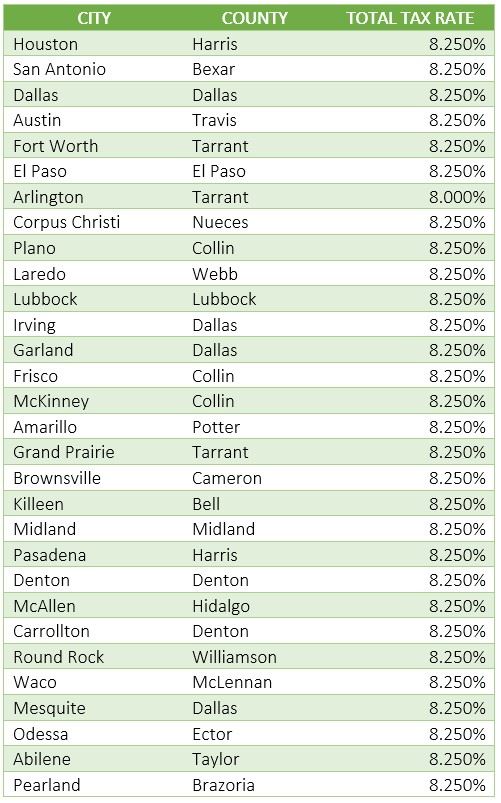
- Dallas and Houston: As Texas’ two largest metropolitan areas, both Dallas and Houston typically levy the maximum combined sales tax rate of 8.25%. This includes the state rate plus city sales tax and metropolitan transit authority (MTA) taxes. When you’re shopping in The Galleria in Houston, dining in Uptown Dallas, or catching a game, prepare for this higher rate on your purchases. Hotel occupancy taxes in these cities are also on the higher end, often totaling around 17% combined state and local.
- San Antonio: Famous for the Alamo and the Riverwalk, San Antonio also generally imposes the maximum combined sales tax rate of 8.25%. This rate applies to everything from souvenirs bought near the historic missions to meals enjoyed in a restaurant along the Riverwalk. The Hotel Occupancy Tax here is also significant, contributing to the city’s robust tourism infrastructure.
- Austin: The capital city and live music hub, Austin, like its major counterparts, typically has a combined sales tax rate of 8.25%. Whether you’re exploring Sixth Street, visiting the Texas State Capitol, or enjoying the city’s vibrant food truck scene, sales tax will be at this maximum rate. Hotel taxes in Austin are also notably high, reflecting its popularity as a destination for both leisure and business travelers.
- Fort Worth: Often considered Dallas’ more cowboy-centric neighbor, Fort Worth also sees a combined sales tax rate of 8.25%. This applies to purchases in the Stockyards National Historic District, museum tickets in the Cultural District, and dining experiences throughout the city.
- Galveston and Corpus Christi (Coastal Areas): These popular coastal destinations, like Galveston and Corpus Christi, also usually have the 8.25% combined sales tax rate due to city and special district levies. Given their reliance on tourism, the Hotel Occupancy Tax in these areas is also a significant factor, supporting beach maintenance, convention centers, and other visitor amenities.
- Smaller Towns and Rural Areas: In smaller towns or unincorporated areas without extensive city or special district taxes, you might encounter a lower combined sales tax rate, potentially closer to the statewide 6.25% or perhaps 7% to 7.5%. However, it’s always best to verify, as even small communities can have specific local tax authorities. For example, a purchase in a town like Fredericksburg (known for its wineries) might have a slightly different local add-on than a purchase in El Paso on the far western edge of the state.
Regardless of your destination within Texas, the key takeaway is to anticipate additional costs beyond the listed price for most goods and services. A quick search for the local sales tax rate or a glance at your receipt upon arrival can help you stay on budget and fully enjoy your Texas adventure.
In conclusion, the sales tax rate in Texas is fundamentally 6.25% statewide, but local additions can increase it to a maximum of 8.25%. For travelers, understanding this nuanced system, especially concerning the separate and often higher Hotel Occupancy Tax, is crucial for effective budgeting. From luxurious hotel stays and memorable dining experiences to unique souvenirs and thrilling attractions, almost every expenditure will include a sales tax component. By factoring these rates into your financial planning, leveraging exemptions like those on groceries, and being aware of destination-specific variations, you can ensure a smoother and more enjoyable journey through the vast and vibrant landscapes of the Lone Star State. Texas awaits, and with a clear grasp of its sales tax policies, you’re well-equipped to experience all its wonders without any unwelcome financial surprises.
LifeOutOfTheBox is a participant in the Amazon Services LLC Associates Program, an affiliate advertising program designed to provide a means for sites to earn advertising fees by advertising and linking to Amazon.com. Amazon, the Amazon logo, AmazonSupply, and the AmazonSupply logo are trademarks of Amazon.com, Inc. or its affiliates. As an Amazon Associate we earn affiliate commissions from qualifying purchases.