
Navigating a city as vibrant and multifaceted as San Francisco can feel like charting a course through a constantly evolving landscape. While its iconic landmarks, diverse neighborhoods, and rich history are widely celebrated, understanding the foundational elements of its geography is crucial for any visitor or resident. Among these fundamental elements, the San Francisco zip code stands out as a key piece of information. Far more than just a sequence of numbers, zip codes in San Francisco serve as vital identifiers, influencing everything from mail delivery to navigation and even providing subtle clues about the character of the areas they represent.
Understanding the Role of Zip Codes in San Francisco
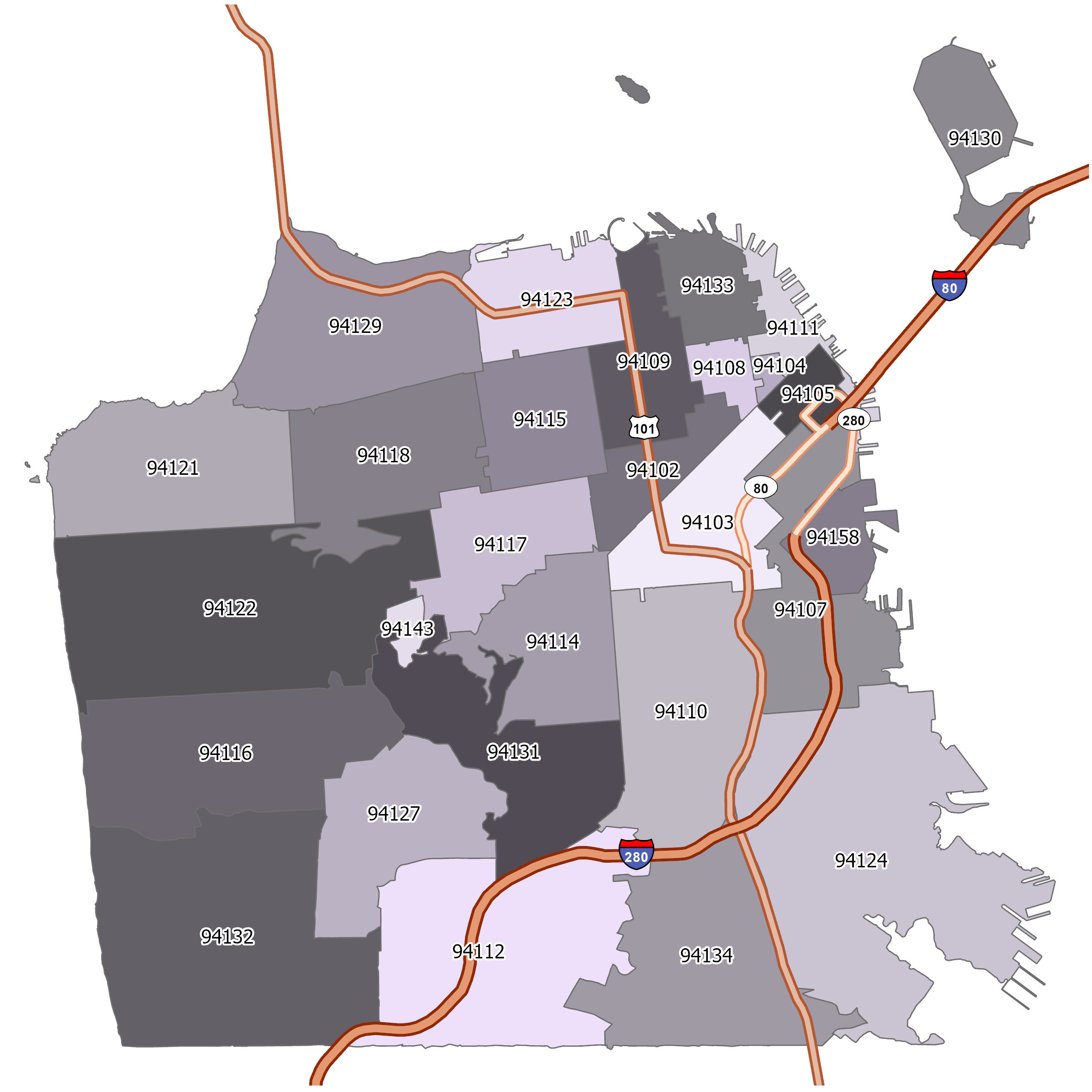
The United States Postal Service (USPS) introduced the Zone Improvement Plan (ZIP) Code system in 1963 to improve the efficiency of mail sorting and delivery. For a sprawling metropolis like San Francisco, a city renowned for its dense urban fabric and distinctive districts, zip codes provide a granular level of postal organization. Each five-digit number corresponds to a specific geographic area, ensuring that mail, packages, and deliveries reach their intended destinations accurately and swiftly.
Beyond their primary postal function, zip codes in San Francisco have become de facto descriptors of neighborhoods. Residents and visitors alike often refer to areas by their zip code, associating specific characteristics, demographics, and even a certain “vibe” with each numerical range. This phenomenon is particularly pronounced in a city with such distinct and often contrasting neighborhoods, from the bustling financial district to the bohemian streets of the Mission District or the affluent enclaves of Pacific Heights.
How Zip Codes Shape Navigation and Services
For travelers, understanding San Francisco zip codes can significantly enhance their experience. When booking accommodation, using ride-sharing services, or even planning walking routes, zip codes provide a precise location marker. Many GPS systems and mapping applications rely on zip codes for pinpoint accuracy, especially in areas with complex street layouts or a high density of businesses and residences.
Furthermore, zip codes can offer insights into local services and amenities. Businesses often target their marketing efforts and tailor their offerings based on the zip codes they serve. Knowing a zip code can help you locate specific types of shops, restaurants, or cultural institutions that are prevalent in that particular area of San Francisco. For instance, a zip code in the Sunset District might indicate a more residential feel with local family-owned businesses, while a zip code in the SoMa (South of Market) area might point towards tech companies, modern apartments, and trendy nightlife.
Key San Francisco Zip Codes and Their Characteristics
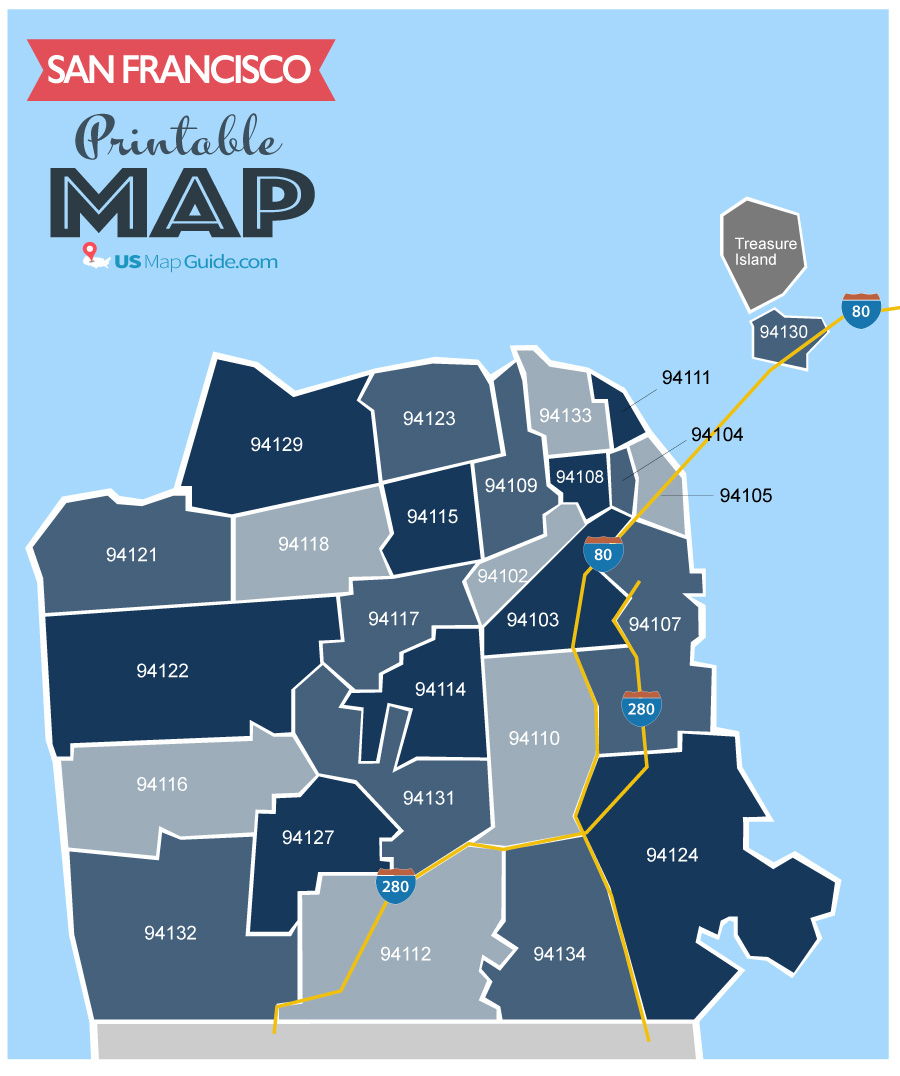
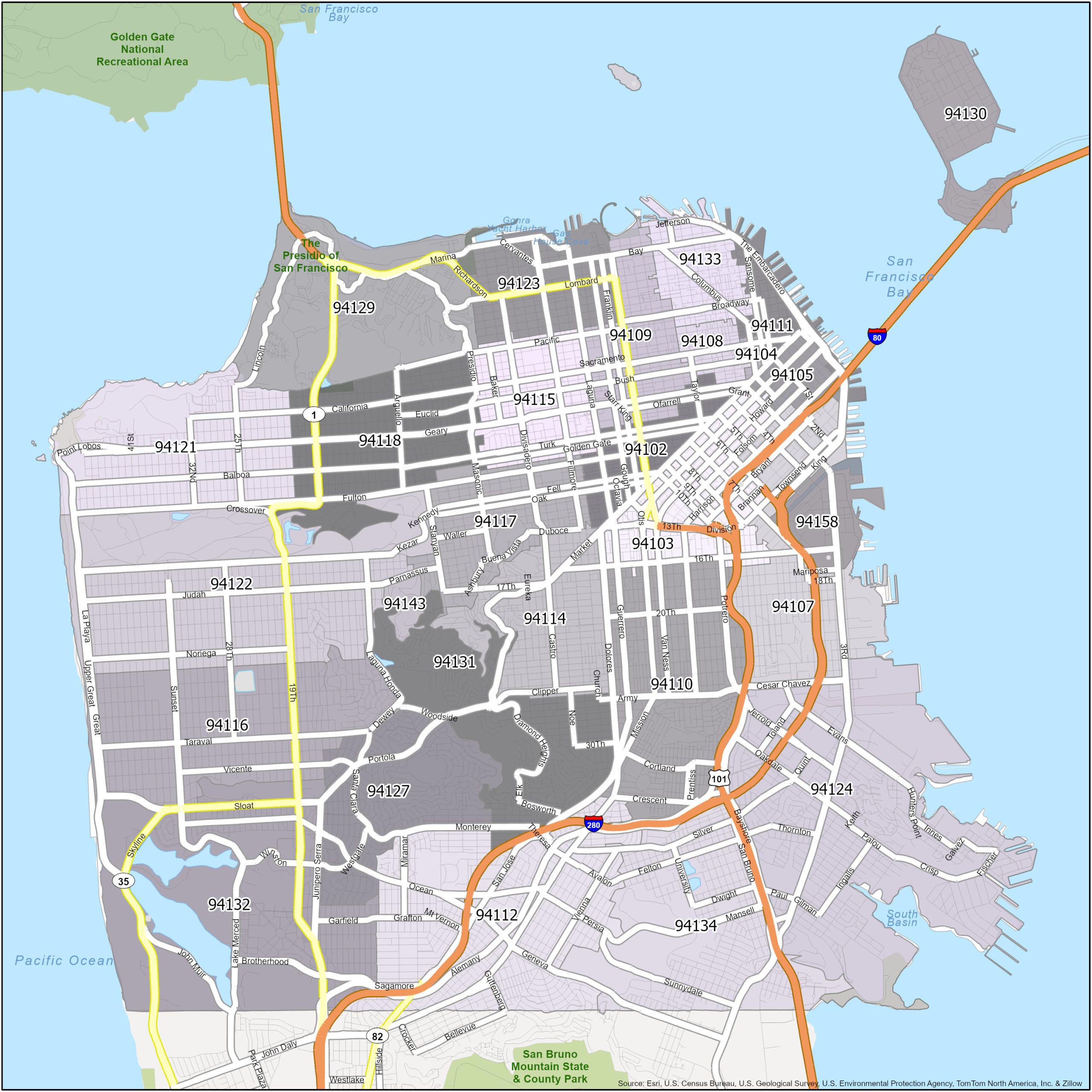
San Francisco is comprised of numerous zip codes, each covering distinct parts of the city. While a comprehensive list would be extensive, highlighting some of the most prominent and frequently encountered zip codes can provide a useful overview. These codes often correspond to well-known neighborhoods and areas that attract tourists and new residents alike.
Downtown and Financial District (94104, 94105, 94111)
These central zip codes are the heart of San Francisco’s commercial and financial activity. Here, you’ll find towering skyscrapers, bustling office buildings, and a constant flow of business professionals. This area is home to major financial institutions, numerous corporate headquarters, and a growing number of upscale residences and boutique hotels. For the visitor, it offers proximity to world-class dining, high-end shopping along Market Street, and easy access to public transportation hubs like the Ferry Building.
Union Square and SoMa (94108, 94103, 94107)
Adjacent to the Financial District, these zip codes encompass the renowned Union Square shopping district, a mecca for fashionistas and bargain hunters, and the vibrant SoMa neighborhood. Union Square is famous for its department stores, luxury boutiques, and the historic St. Francis Hotel. SoMa, on the other hand, has transformed from an industrial area into a hub for technology companies, startups, museums such as the San Francisco Museum of Modern Art, and a lively nightlife scene. This area also features many modern apartment buildings and loft conversions, attracting a younger demographic.
Chinatown and North Beach (94109, 94133)
These iconic zip codes represent two of San Francisco’s most culturally significant and historically rich neighborhoods. 94109 covers parts of Chinatown, the oldest in North America, and extends into parts of North Beach and Russian Hill. 94133 is more specifically associated with North Beach, the city’s historic Italian and Beat Generation quarter, and the waterfront areas. Chinatown is a sensory explosion of vibrant colors, exotic aromas, and bustling markets, offering authentic cuisine and unique shopping experiences. North Beach, with its bohemian past, remains a charming district filled with classic Italian restaurants, historic cafes, bookstores, and live music venues, including the legendary City Lights Booksellers.
Fisherman’s Wharf and Russian Hill (94133, 94109, 94123, 94108)
While portions of these areas overlap with other zip codes, the general vicinity of Fisherman’s Wharf and the picturesque streets of Russian Hill are often associated with 94133 and surrounding codes. Fisherman’s Wharf is a major tourist attraction, famous for its seafood restaurants, street performers, and the playful sea lions at Pier 39. Nearby, Russian Hill offers some of the city’s most breathtaking views and the famously winding Lombard Street. The charm of these areas lies in their blend of tourist activity and residential beauty.
The Richmond and Sunset Districts (94121, 94122, 94116, 94127)
These expansive zip codes cover the western and southwestern parts of San Francisco, offering a more residential and diverse experience compared to the downtown core. The Richmond and Sunset Districts are characterized by their grid-like street patterns, Victorian and Edwardian homes, and a significant presence of Asian-American communities. These areas boast excellent public parks, including Golden Gate Park, and a wide array of ethnic restaurants, from authentic Chinese and Vietnamese to Russian and Salvadoran eateries. They provide a glimpse into the everyday life of San Francisco residents, away from the immediate tourist bustle.
The Haight-Ashbury and The Castro (94117, 94114)
These zip codes are synonymous with counterculture and LGBTQ+ history. The 94117 zip code is largely defined by the Haight-Ashbury district, the epicenter of the 1960s hippie movement. Today, it retains its bohemian spirit with vintage clothing stores, record shops, and colorful Victorian houses. The 94114 zip code encompasses the vibrant Castro District, a historically significant center for the LGBTQ+ community, known for its lively atmosphere, diverse businesses, and the historic Castro Theatre. Both areas offer unique cultural experiences and a strong sense of community identity.
Beyond the Numbers: Zip Codes as Neighborhood Identifiers
In San Francisco, zip codes have transcended their purely utilitarian purpose to become powerful identifiers of neighborhood character and social fabric. While not official designations, they are widely used and understood as shorthand for specific communities, their atmospheres, and their prevailing demographics. This informal categorization is a testament to the city’s diverse and often sharply defined districts.
For instance, referencing a particular zip code can evoke immediate associations. Mentioning the 94109 might bring to mind the cultural richness of Chinatown and the bohemian allure of North Beach. Conversely, pointing to a zip code within the Richmond or Sunset districts suggests a more suburban, family-oriented feel with abundant green spaces. This intuitive understanding of zip codes is a product of San Francisco’s unique urban planning and its long history of distinct immigrant and cultural enclaves developing their own identities.
The Impact on Real Estate and Community Identity
The perceived value and desirability of different zip codes significantly influence San Francisco’s real estate market. Certain zip codes are consistently associated with higher property values due to factors like desirable amenities, excellent school districts, proximity to employment centers, or simply a strong neighborhood brand. This can lead to distinct socioeconomic landscapes within relatively small geographic areas, further solidifying the association between zip codes and community identity.
Newcomers to San Francisco, whether for a visit or a permanent move, often find themselves navigating these zip code associations. Understanding which zip code corresponds to which neighborhood can provide valuable context, helping them to gauge the general atmosphere, find appropriate accommodation, and explore areas that align with their interests. It’s a subtle yet effective way to begin to decipher the city’s intricate tapestry.
Using San Francisco Zip Codes Effectively
For anyone interacting with San Francisco, whether as a tourist, a business owner, or a resident, understanding and utilizing zip codes is essential for practical purposes. They are the silent architects of our urban experience, guiding our deliveries, our routes, and our perceptions of the city.
Practical Applications for Travelers
When planning a trip to San Francisco, using zip codes can refine your search for accommodation. Instead of just looking for hotels in a general area like “downtown,” specifying a zip code such as 94104 or 94105 will narrow down your options to the core business and financial district, providing a more precise understanding of your lodging’s location. Similarly, when booking airport transfers or ride-shares, having the correct zip code ensures a smooth and efficient pick-up and drop-off. For those interested in exploring specific cultural enclaves, knowing the zip codes for areas like Chinatown (around 94109) or the Castro (94114) allows for targeted exploration.
For Businesses and Services
Local businesses rely heavily on zip codes for everything from marketing and delivery zones to understanding their customer base. A restaurant located in the 94117 zip code will likely tailor its offerings and promotions to the residents and visitors of the Haight-Ashbury area. Similarly, a service provider might define its service area by a set of contiguous zip codes, ensuring efficient operations. For new businesses, choosing a location based on its zip code can be a strategic decision, tapping into established community demographics and consumer patterns.
Navigating the Digital Age
In the digital age, zip codes remain a fundamental piece of data used by numerous online platforms. They are integral to search engine optimization (SEO) for local businesses, ensuring that individuals searching for services in a particular area can find relevant results. Online retailers use zip codes to calculate shipping costs and delivery times. Furthermore, many community-focused websites and apps use zip codes to aggregate local news, events, and services, further embedding them into the digital fabric of San Francisco.
In conclusion, while the question “What is San Francisco zip code?” might seem simple, the answer delves into the practical, geographical, and even cultural underpinnings of this dynamic city. These numerical identifiers are more than just postal codes; they are keys to understanding the diverse neighborhoods, facilitating navigation, and appreciating the unique identity of each corner of San Francisco.
LifeOutOfTheBox is a participant in the Amazon Services LLC Associates Program, an affiliate advertising program designed to provide a means for sites to earn advertising fees by advertising and linking to Amazon.com. Amazon, the Amazon logo, AmazonSupply, and the AmazonSupply logo are trademarks of Amazon.com, Inc. or its affiliates. As an Amazon Associate we earn affiliate commissions from qualifying purchases.