
San Francisco stands as a beacon of progressive policies and innovation, a city renowned for its stunning landscapes, vibrant culture, and a distinct economic climate. One of the fundamental aspects defining its unique lifestyle, particularly for residents, businesses, and even visitors planning their budgets, is its minimum wage. Far from a simple figure, San Francisco’s minimum wage is a dynamic policy shaped by local advocacy, economic realities, and a commitment to social equity. Understanding this crucial element is key to grasping the city’s cost of living, its service economy, and how it impacts daily life and travel experiences within the Bay Area. This article delves into the specifics of San Francisco’s minimum wage, exploring its historical context, current figures, and the broader implications it holds for budget travelers and those looking to understand the unique economic rhythm of this iconic California metropolis.
Understanding San Francisco’s Unique Economic Landscape
San Francisco’s economic identity is defined by a blend of booming tech industries, a robust tourism sector, and a deeply entrenched progressive political ethos. This combination creates an environment where wages are often higher than national averages, yet the cost of living remains extraordinarily high. The minimum wage, therefore, isn’t just a baseline; it’s a critical component in the ongoing effort to ensure that residents can afford to live in the city where they work. For anyone considering a visit, especially those focused on budget travel within the broader “Lifestyle” category, comprehending this economic backdrop is essential. It influences everything from the price of a coffee to the cost of local transportation and the standard of service you might expect.
The High Cost of Living in the Bay Area
The Bay Area, and San Francisco in particular, consistently ranks among the most expensive places to live in the world. Housing costs, driven by limited supply and high demand from a thriving job market, are staggering. This ripples through the entire economy, impacting the cost of goods, services, and ultimately, the wages required for individuals to maintain a reasonable standard of living. Businesses face high operating costs, which are often offset by higher pricing for consumers. For visitors, this translates into a generally pricier experience compared to many other US Cities. The minimum wage is a direct response to this economic pressure, an attempt to provide workers with a living wage in an otherwise challenging financial environment. It reflects a societal decision to prioritize worker compensation as a means to combat inequality and sustain a diverse urban population amidst rapid economic growth.
How Minimum Wage Shapes Local Livelihoods
For many individuals working in the service, retail, and hospitality sectors, the minimum wage forms the bedrock of their income. In a city where even basic necessities come at a premium, a robust minimum wage is seen by many as a vital tool for ensuring economic stability for a significant portion of the workforce. It directly influences their ability to afford rent, groceries, and other daily expenses. Moreover, a higher minimum wage can reduce employee turnover, increase worker morale, and potentially boost productivity, benefiting both employees and employers in the long run. It also contributes to the local economy by ensuring that more money circulates within the community, as low-income earners are more likely to spend their earnings locally. This economic circulation is a key aspect of San Francisco’s lifestyle, where local businesses thrive on the patronage of residents and tourists alike.
The Current State of San Francisco’s Minimum Wage
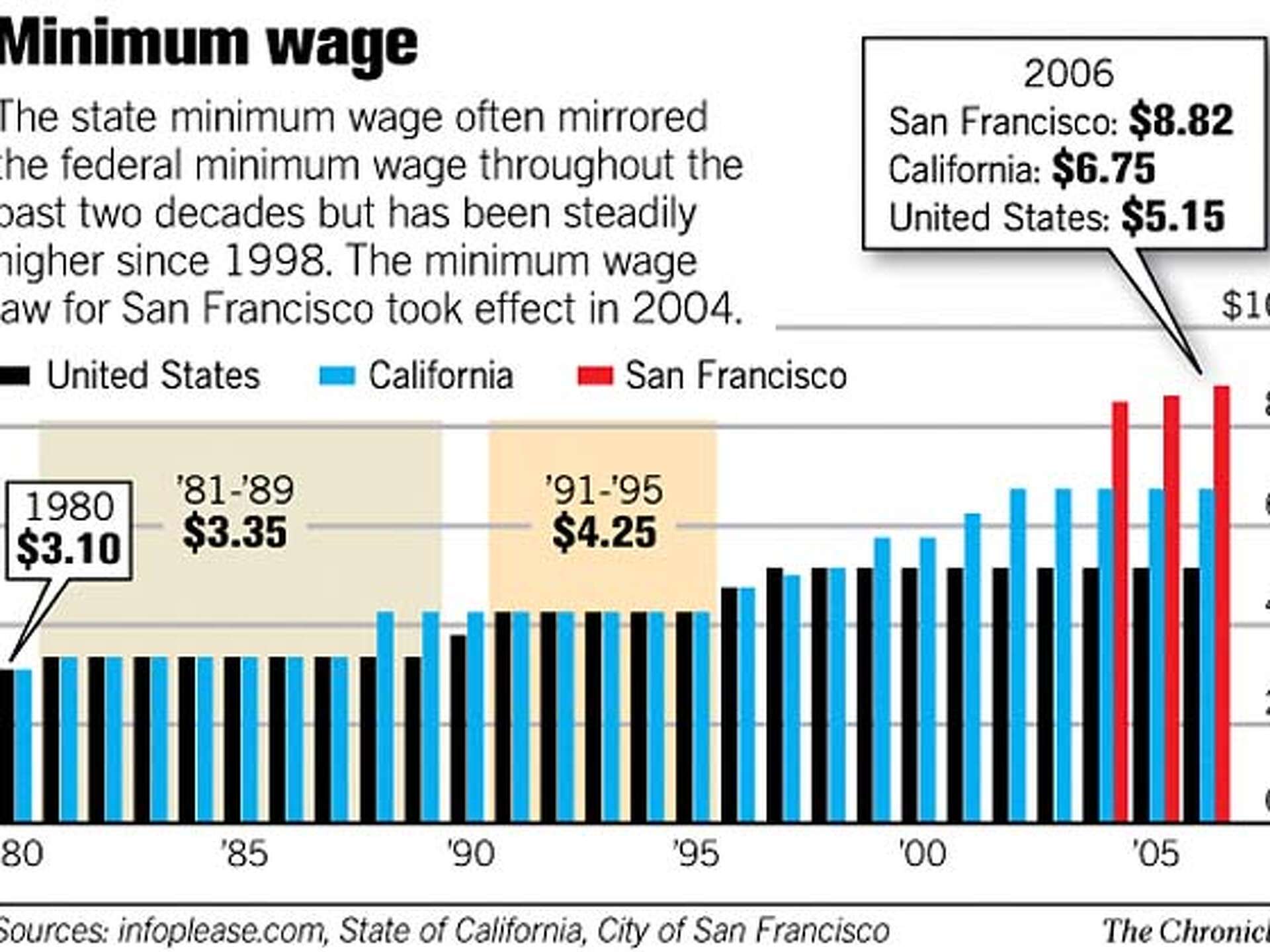
San Francisco has a history of being at the forefront of minimum wage legislation in the United States. It was one of the first cities to implement a minimum wage significantly above federal and state levels, demonstrating a clear commitment to its workforce. This proactive stance reflects the city’s progressive values and its understanding of the unique economic challenges faced by its residents. The minimum wage is not static; it undergoes regular adjustments to keep pace with inflation and the evolving cost of living. These changes are often the result of ballot initiatives, city ordinances, and ongoing public debate, showcasing the democratic process at play in shaping the city’s economic future.
Key Figures and Recent Increases
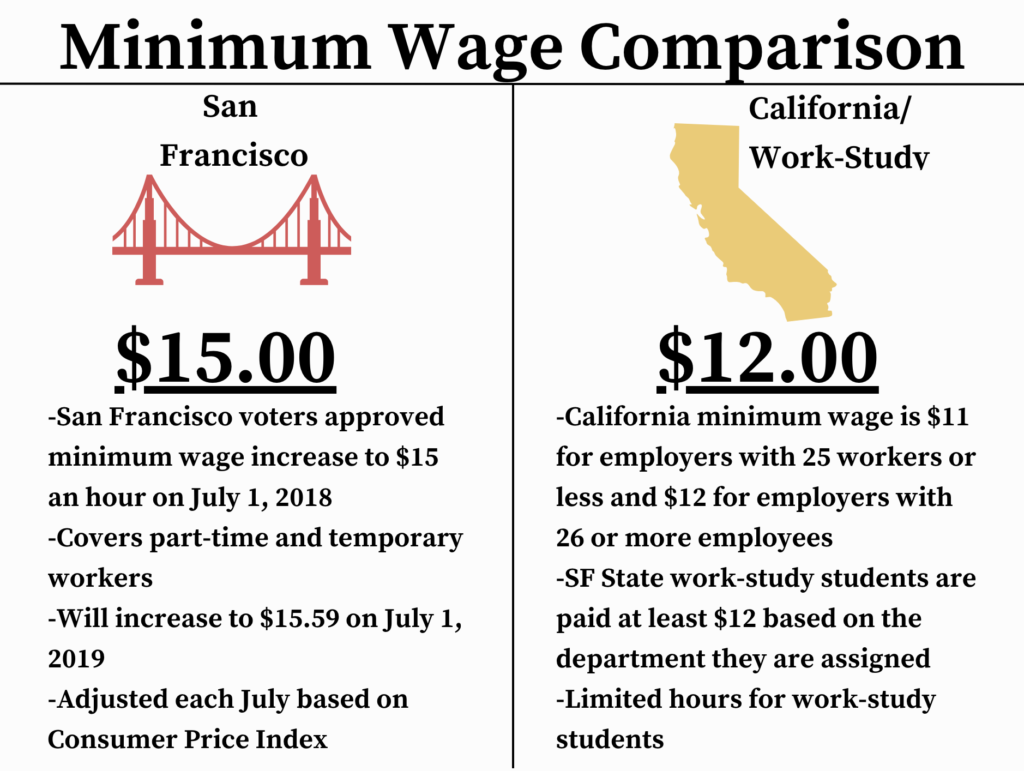
As of July 1, 2023, the minimum wage in San Francisco is $18.07 per hour. This figure applies to all employees working within the geographic boundaries of the city and county of San Francisco, regardless of the size of the employer. This rate is subject to annual adjustments based on the Consumer Price Index (CPI), which typically occurs on July 1st of each year. The city’s ordinance ensures that the minimum wage incrementally increases, reflecting the rising cost of living and maintaining its purchasing power over time. This consistent adjustment mechanism provides a degree of predictability for both employers and employees, allowing for better financial planning and budgeting within the city’s demanding economic environment. Such an elevated minimum wage is a defining characteristic of San Francisco’s economic lifestyle.
Federal, State, and City Ordinances
Understanding San Francisco’s minimum wage requires appreciating the layered legal framework. At the highest level, there’s the Federal Minimum Wage, which is currently $7.25 per hour. States can set their own minimum wages higher than the federal standard. California’s state minimum wage is also higher than the federal rate and applies statewide. However, cities and counties within California have the authority to establish their own local minimum wages, provided they are equal to or higher than both the federal and state rates. San Francisco has exercised this right vigorously, consistently setting its minimum wage significantly above both federal and state levels. This hierarchy means that employers in San Francisco must pay their employees at least the San Francisco minimum wage, as it is the highest applicable rate. This robust local control is a hallmark of the city’s progressive governance and its commitment to shaping its own economic destiny.
Comparison with Other US Cities
When compared to other major US Cities, San Francisco’s minimum wage consistently ranks among the highest. Cities like Seattle, New York City, and Washington D.C. also have minimum wages significantly above federal and state standards, reflecting similar high costs of living and progressive political climates. However, San Francisco often leads or is among the very top tier. This distinction is not merely an economic statistic; it shapes the entire lifestyle of the city. It means that while basic services might seem more expensive to visitors from areas with lower minimum wages, it also means that service sector employees generally earn more, which can influence everything from service quality to the overall economic vibe of the city. This high wage environment contributes to the unique social and economic fabric that defines life in this vibrant urban center.
Implications for Visitors and Budget Travelers
For those planning a trip to San Francisco, particularly budget-conscious travelers or those simply keen to understand the local economic “lifestyle,” the minimum wage has tangible implications. It influences the cost of virtually everything you will encounter, from dining out to booking accommodations and participating in local activities. While the city’s allure remains undeniable, acknowledging these economic realities helps in planning a more enjoyable and financially sustainable visit. Understanding the minimum wage context can also provide insights into local customs, such as tipping, and help travelers appreciate the economic pressures faced by the city’s workforce.
Navigating Service Costs and Tipping Etiquette
Given San Francisco’s high minimum wage, visitors might observe slightly higher prices for services compared to cities with lower wage floors. This is often an intentional strategy by businesses to absorb increased labor costs without solely relying on tips to ensure a living wage for their employees. While tipping is still customary and appreciated in service industries like restaurants, bars, and salons, some establishments have adopted “service charges” or slightly higher menu prices to build these costs directly into their offerings. It’s always advisable to check your bill for any automatic service charges before adding an additional tip. Understanding that a significant portion of service workers are already earning a higher base wage can subtly shift your perspective on tipping, encouraging a more informed and appreciative approach to local service culture. This forms part of the unique social contract within San Francisco’s lifestyle.
Impact on Everyday Expenses: Food, Transport, and Activities
The higher minimum wage directly contributes to the overall cost of living and visiting San Francisco. Dining out, for instance, can be considerably more expensive than in other US Cities. Even casual eateries and cafes often reflect the higher labor costs in their pricing. Public transportation, while extensive and efficient, also operates within this high-cost environment, though passes and multi-day options can offer value. Entrance fees for museums and attractions, while sometimes offering free days or discounts, are also set with these economic factors in mind. For budget travelers, this means being more strategic with spending: opting for self-catering where possible, utilizing public transport extensively, and seeking out free attractions like strolling across the Golden Gate Bridge or exploring Golden Gate Park. This mindful approach to expenses is a key part of embracing a budget travel lifestyle in a high-wage city.
Finding Affordable Experiences in a High-Wage City
Despite the high minimum wage and corresponding costs, San Francisco offers a wealth of affordable and even free experiences that cater to a budget-conscious lifestyle. Many of the city’s most iconic attractions, like walking the Golden Gate Bridge, exploring diverse neighborhoods such as the Mission District or Chinatown, or enjoying the panoramic views from Twin Peaks, cost nothing. Picnics in Golden Gate Park or on Baker Beach provide scenic and economical dining options. Utilizing apps for happy hour deals, seeking out ethnic eateries, and taking advantage of free museum days are excellent strategies. Public markets like the Ferry Building Marketplace offer opportunities to sample local produce and gourmet treats, though careful budgeting is still key. Embracing these local hacks allows visitors to experience the vibrant culture and beauty of San Francisco without breaking the bank, truly living the “budget lifestyle” even in a high-cost environment.
The Ripple Effect: Beyond Just Wages
San Francisco’s minimum wage is more than just a number on a paycheck; it’s a policy with far-reaching economic, social, and political implications that shape the very fabric of the city’s lifestyle. It influences the business landscape, contributes to ongoing debates about social equity, and reflects the city’s unique progressive identity. Understanding these broader ripple effects provides a more complete picture of what it means to live, work, and visit this dynamic urban center.
Small Businesses and Economic Sustainability
The high minimum wage presents both challenges and opportunities for San Francisco’s small businesses. While it undoubtedly increases labor costs, leading some to automate tasks or raise prices, it also fosters a workforce with greater purchasing power, potentially boosting local consumer spending. Many small business owners in San Francisco are deeply committed to paying fair wages, seeing it as part of their community responsibility and a way to attract and retain skilled employees in a competitive market. The city often provides resources and support for small businesses to navigate these economic realities, recognizing their vital role in maintaining the diverse character and economic health of its neighborhoods. The interplay between wage policy and small business viability is a constant conversation, reflecting the complex economic lifestyle of the city.
Social Equity and San Francisco’s Progressive Policies
At its core, San Francisco’s elevated minimum wage is a direct reflection of its commitment to social equity. It’s a progressive policy aimed at reducing income inequality and ensuring that even the lowest-paid workers can afford to participate in the city’s economy. This commitment extends to various other social programs and worker protections, painting a picture of a city actively striving to create a more just and equitable society. This ethos permeates the city’s lifestyle, influencing public discourse, community activism, and the overall social contract between residents, businesses, and government. It positions San Francisco not just as a global economic hub, but also as a leader in advocating for worker rights and social welfare, aspects that define its unique identity.

Future Outlook and Ongoing Debates
The debate around minimum wage in San Francisco is ongoing and dynamic. Advocates for higher wages continue to push for increases that keep pace with the ever-rising cost of living, while some business groups express concerns about the impact on competitiveness and job creation, especially for industries that cannot easily pass on costs to consumers. As the city continues to grapple with housing affordability and economic shifts, the minimum wage will remain a central point of discussion. The annual adjustments linked to the Consumer Price Index provide a stable framework, but broader discussions about additional worker benefits, affordable housing initiatives, and support for small businesses will continue to shape the city’s economic future and, by extension, its unique lifestyle. For those interested in the socio-economic dynamics of major US Cities, San Francisco’s approach to the minimum wage offers a compelling case study in progressive urban policy.
LifeOutOfTheBox is a participant in the Amazon Services LLC Associates Program, an affiliate advertising program designed to provide a means for sites to earn advertising fees by advertising and linking to Amazon.com. Amazon, the Amazon logo, AmazonSupply, and the AmazonSupply logo are trademarks of Amazon.com, Inc. or its affiliates. As an Amazon Associate we earn affiliate commissions from qualifying purchases.