
When planning a trip, connecting with loved ones, or conducting business across continents, understanding local time zones is often the first crucial step. For those looking towards the vibrant Emerald City in the Pacific Northwest, the question “What is Seattle time now?” is more than just a momentary curiosity—it’s the key to unlocking seamless travel, efficient scheduling, and truly immersive experiences. Seattle, the largest city in Washington State, operates on a time zone that fluctuates with the seasons, impacting everything from flight arrivals to sunset views over Puget Sound.
This comprehensive guide will not only pinpoint the current time in Seattle but also delve into the implications of its time zone for travelers and locals alike. From navigating Daylight Saving Time to optimizing your itinerary around sunrise and sunset, we’ll equip you with the knowledge to make the most of every moment in this dynamic city. Beyond the clock, we’ll explore Seattle’s rich tapestry of attractions, diverse accommodation options, and unique lifestyle offerings, all framed by the rhythm of its daily schedule.
Understanding Seattle’s Time Zone: Navigating the Pacific Standard and Daylight Divide
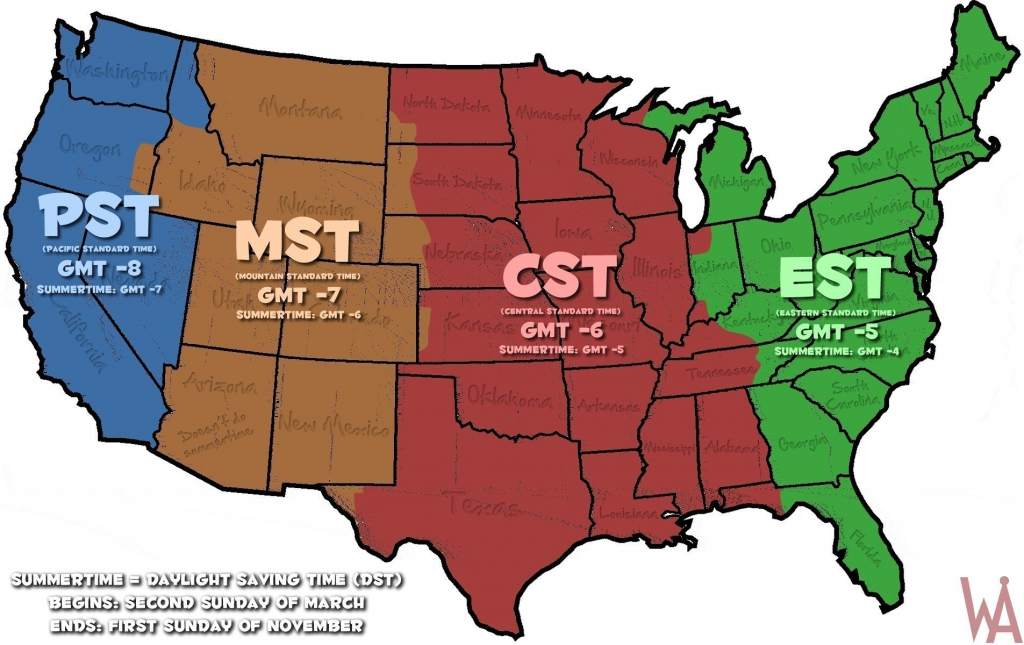
At its core, understanding Seattle time begins with recognizing its geographical position. Seattle falls within the Pacific Time Zone, which is observed across the western states of the United States and parts of Canada. However, the specific designation within this zone shifts twice a year, thanks to the widely adopted practice of Daylight Saving Time.
Pacific Standard Time vs. Daylight Saving
For approximately five months of the year, typically from early November to mid-March, Seattle adheres to Pacific Standard Time (PST). During this period, Seattle is 8 hours behind Coordinated Universal Time (UTC-8). This means if it’s noon UTC, it would be 4:00 AM in Seattle under PST. This winter period brings shorter daylight hours, painting the city with a cozy, often misty, atmosphere that is quintessential Seattle.
However, for the majority of the year—from mid-March to early November—Seattle switches to Pacific Daylight Time (PDT). During PDT, clocks are advanced by one hour, making Seattle 7 hours behind Coordinated Universal Time (UTC-7). This “spring forward” gives residents and visitors the benefit of longer evenings, with sunsets often stretching past 8:00 PM in the height of summer. These extended daylight hours are a cherished aspect of Seattle’s warmer months, ideal for outdoor activities and evening explorations.
As of [Today’s Date], Seattle operates on Pacific Daylight Time (PDT). Therefore, if you are asking “What is Seattle time now?” consider that it is [Current Time] in PDT, 7 hours behind UTC.
Impact on Travel Planning
Understanding this time shift is paramount for any traveler. For international visitors, especially those from Europe or Asia, the time difference can be substantial, necessitating careful planning to combat jet lag. Similarly, for domestic travelers from the East Coast or Midwest, the 3-hour or 2-hour difference respectively can impact flight schedules, meeting times, and even simply communicating with friends and family back home.
When booking flights, double-check the arrival and departure times in local time. Confirm hotel check-in times and restaurant reservations with the local Seattle time in mind. If you’re attending a business conference or a concert, make sure your internal clock is aligned with the local schedule to avoid missing out. Many smartphones and computers automatically adjust for Daylight Saving Time, but a manual check or a quick search for “Seattle time now” upon arrival can provide peace of mind.
Making the Most of Your Time in Seattle: Top Attractions & Experiences
With the clock understood, it’s time to explore how to fill those precious Seattle hours. This city offers a diverse array of attractions and experiences, catering to every type of traveler. Whether you have just a few hours or several days, strategic planning based on local time can enhance your visit.
Iconic Landmarks and Cultural Gems
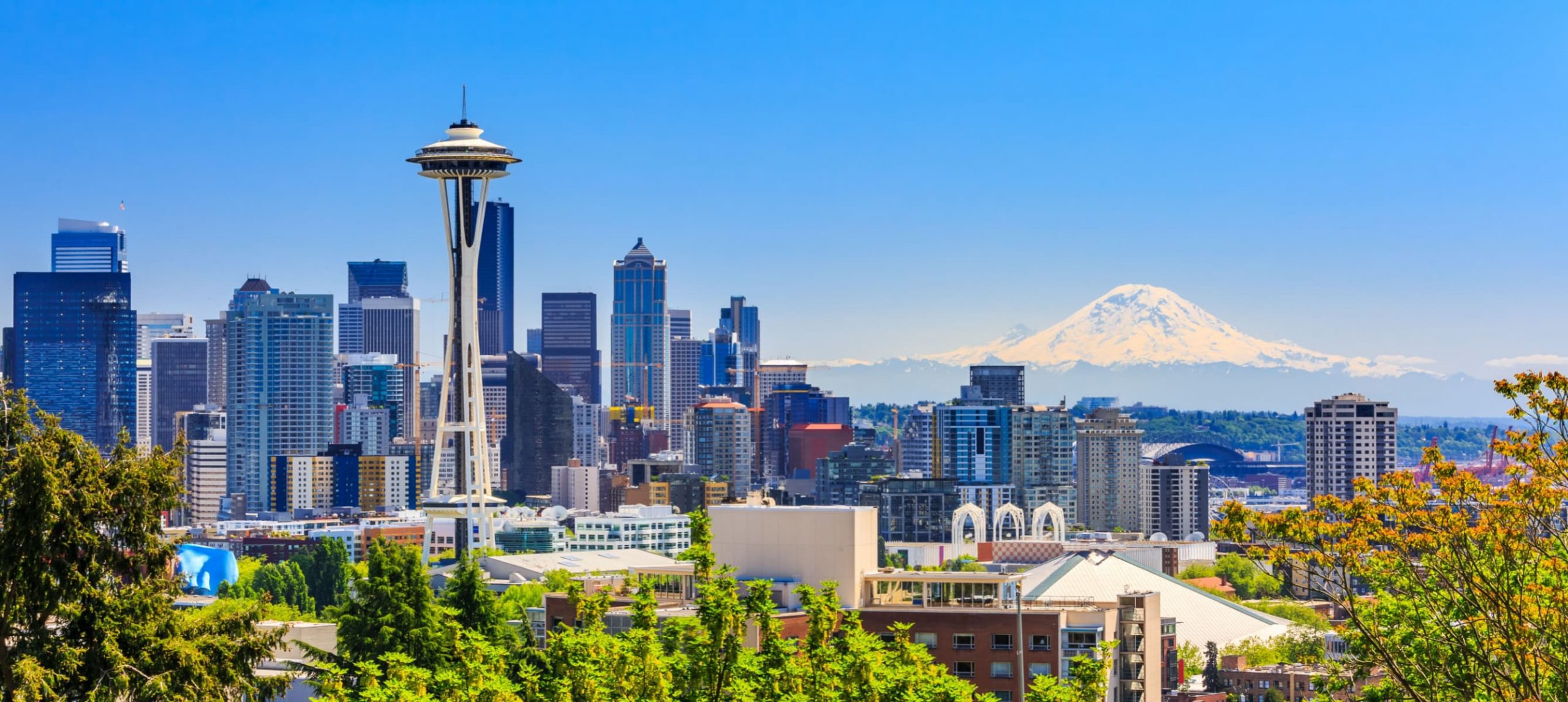
Seattle’s most recognizable landmark, the Space Needle, offers panoramic views of the city, Mount Rainier, and the surrounding waters. Visiting early in the morning can help avoid crowds, especially during peak tourist seasons, allowing you to capture stunning sunrise photos if you’re an early riser. Adjacent to the Space Needle at the Seattle Center are other must-see attractions like the vibrant Chihuly Garden and Glass and the eclectic Museum of Pop Culture (MoPOP), home to exhibits on music, science fiction, and video games. Allocate a few hours for each, keeping an eye on their respective closing times.
No trip to Seattle is complete without a visit to Pike Place Market. This historic market, founded in 1907, comes alive in the morning as vendors set up their stalls with fresh seafood, produce, and artisan crafts. Watching the fishmongers throw salmon is a timeless Seattle experience. The market is also home to the original Starbucks location, though be prepared for a queue. Exploring Pike Place Market can easily fill a morning or afternoon, blending culinary exploration with souvenir hunting.
For art enthusiasts, the Seattle Art Museum (SAM) in Downtown Seattle and the Olympic Sculpture Park offer diverse collections and stunning outdoor installations overlooking the bay. History buffs can delve into the city’s past at the Museum of History & Industry (MOHAI) near Lake Union or take an underground tour to discover the original Seattle buried beneath today’s streets. Remember to check operating hours for each attraction, as they can vary seasonally and on holidays. Evening visits to the Space Needle or a sunset ferry ride across Puget Sound offer magical nighttime views of the illuminated cityscape.
Culinary Adventures and Local Flavor
Seattle’s culinary scene is as dynamic as its tech industry. From fresh seafood to innovative farm-to-table dining, there’s something to satisfy every palate. Given the time difference for many travelers, a leisurely brunch is often a perfect way to start the day. Explore the vibrant neighborhoods of Capitol Hill or Fremont for trendy cafes and eateries. Seattle’s coffee culture is legendary, with independent coffee shops dotting every corner alongside the ubiquity of Starbucks. A visit to the Starbucks Reserve Roastery offers a more upscale and immersive coffee experience.
For lunch, grab a bowl of clam chowder at Ivar’s Acres of Clams on the waterfront or enjoy diverse international cuisine at one of the many food stalls in Pike Place Market. Dinner in Seattle is an event. The city boasts numerous award-winning restaurants specializing in Pacific Northwest cuisine, often featuring locally sourced ingredients and fresh catches from the ocean. Consider making reservations, especially for popular spots, and be mindful of Seattle’s typical dinner rush, which often starts around 6:00 PM or 7:00 PM.
After dark, Seattle’s nightlife comes alive. From craft breweries in Ballard and Fremont to intimate cocktail bars in Belltown and Capitol Hill, there are options for every mood. Don’t forget to sample local beers from breweries like Rainier Beer or enjoy a glass of Washington State wine.
Where to Stay: Accommodation Options for Every Traveler
Matching your accommodation to your travel style and budget is crucial for a comfortable and enjoyable trip. Seattle offers a vast spectrum of lodging, from luxurious hotels with stunning bay views to cozy boutique stays and budget-friendly options. Location is key, and understanding the city’s neighborhoods will help you decide where to anchor your Seattle experience.
Luxury Stays and Boutique Hotels
For those seeking an indulgent experience, Downtown Seattle and the waterfront areas host several high-end hotels. The Four Seasons Hotel Seattle, with its prime location near Pike Place Market, offers opulent rooms, a rooftop infinity pool, and impeccable service, often boasting incredible views of Puget Sound and the Olympic Mountains. The Hyatt Regency Seattle provides modern luxury with vast conference facilities, ideal for business travelers, and is conveniently located near the Washington State Convention Center.
Boutique hotels offer a more personalized and often uniquely themed experience. The Inn at the Market, nestled right within Pike Place Market, offers charming rooms and unparalleled access to the market’s hustle and bustle. For a rock-and-roll vibe, Hotel Max in Downtown Seattle features art from local artists and collaborations with Sub Pop Records. The historic Edgewater Hotel offers a distinctive experience, allowing guests to stay directly over Puget Sound, complete with fishing from your room (though perhaps more for novelty than actual sustenance). These hotels often provide exceptional amenities like spa services, fine dining restaurants, and concierge services to help you navigate your Seattle itinerary.
Budget-Friendly and Family Accommodations
Seattle also caters to budget-conscious travelers and families. Many reputable hotel chains offer comfortable stays outside the immediate downtown core, often providing better value and easy access to public transport. Areas like South Lake Union are popular, especially for those visiting tech companies like Amazon, offering a mix of modern hotels and apartment-style accommodations. Queen Anne and Capitol Hill also feature a range of guesthouses and smaller hotels that can be more affordable.
For families, properties with amenities like indoor pools, larger suites, or kitchens can be particularly appealing. Consider hotels in the University District or Green Lake for a quieter experience, often with proximity to parks and family-friendly dining. When booking, always check for “kids stay free” policies or family package deals. For longer stays or those preferring self-catering, platforms offering apartments or vacation rentals in neighborhoods like Ballard or Fremont can provide a more local and cost-effective option. Regardless of your budget, booking well in advance, especially during peak season (summer) or major event dates, is always advisable to secure the best rates and availability.
Planning Beyond the Clock: Day Trips and Extended Stays
While Seattle itself is a treasure trove of activities, its surrounding region, known as Cascadia, offers incredible opportunities for day trips and extended explorations. Understanding the time it takes to travel to these destinations, and factoring in potential traffic, is crucial for effective planning.
Exploring the Greater Seattle Area
Just a short drive or ferry ride from Downtown Seattle, you’ll find a wealth of natural beauty and charming towns. A ferry trip to Bainbridge Island is a quintessential Seattle experience, offering stunning views of the city skyline and the opportunity to explore a quaint island community. The crossing itself takes about 35 minutes each way, making it a perfect half-day excursion.
For wine lovers, Woodinville Wine Country is less than an hour’s drive northeast, home to over 100 wineries, including tasting rooms for renowned Washington State labels. Allocate a full afternoon to explore several wineries and perhaps enjoy a gourmet meal. Nature enthusiasts can head east to the Cascade Mountains, with popular hiking trails and scenic drives like the North Bend area offering a refreshing escape.
Further afield, but certainly worth the journey, are the majestic national parks. Mount Rainier National Park is about a 2-hour drive south, offering breathtaking alpine landscapes and opportunities for hiking and wildlife viewing. To the west, across Puget Sound, lies Olympic National Park, a UNESCO World Heritage Site with diverse ecosystems ranging from temperate rainforests to rugged coastline and glaciated peaks. A day trip here is ambitious; an overnight stay is recommended to truly appreciate its vastness. Always factor in travel time, especially during peak season, and check park opening hours and road conditions.
Practical Tips for a Seamless Seattle Visit
To ensure your Seattle adventure runs smoothly, consider these practical tips:
- Public Transportation: Seattle’s public transportation system, including buses, the Link Light Rail, and the South Lake Union Streetcar, is efficient and can save you from traffic and parking hassles. An ORCA card simplifies fares across different modes.
- Weather: Seattle is known for its rain, especially from October to April. Pack layers and a waterproof jacket, even if visiting in summer, as weather can change quickly.
- Reservations: For popular restaurants, attractions, or ferry crossings, making reservations or booking tickets in advance, especially during peak times, can save you time and guarantee entry.
- Time Management Apps: Utilize time zone converter apps on your phone to easily compare Seattle time with your home time zone, helping with communication and scheduling.
- Flexibility: While planning is key, allow for some spontaneity. Seattle’s charm often lies in its unexpected discoveries, from a hidden coffee shop to a local street fair.
Conclusion
Understanding “What is Seattle time now?” is more than just checking a clock; it’s the foundation for a well-orchestrated and deeply rewarding travel experience in one of the United States’ most captivating cities. By grasping the nuances of Pacific Standard Time and Daylight Saving Time, you can seamlessly navigate flight schedules, maximize your time at iconic landmarks like the Space Needle and Pike Place Market, and truly immerse yourself in the local culinary and cultural scene.
From luxurious hotel stays to budget-friendly accommodations, and from thrilling city explorations to serene day trips into Washington State’s natural wonders, Seattle offers an adventure for every traveler. With careful planning and an awareness of the local rhythm, your visit to the Emerald City is sure to be unforgettable, filled with timely moments and cherished memories. So, set your watch, embrace the Pacific Time Zone, and prepare to discover all that Seattle has to offer.
LifeOutOfTheBox is a participant in the Amazon Services LLC Associates Program, an affiliate advertising program designed to provide a means for sites to earn advertising fees by advertising and linking to Amazon.com. Amazon, the Amazon logo, AmazonSupply, and the AmazonSupply logo are trademarks of Amazon.com, Inc. or its affiliates. As an Amazon Associate we earn affiliate commissions from qualifying purchases.