
Understanding the demographic pulse of a city is crucial for anyone planning a visit, considering a move, or simply seeking to grasp its essence. Seattle, Washington, a vibrant metropolis nestled between Puget Sound and Lake Washington, is a city that continually draws attention for its innovation, natural beauty, and dynamic culture. While its iconic landmarks like the Space Needle and its thriving tech industry are widely known, the question of “What Is Seattle’s Population?” delves deeper into the human landscape that shapes this Pacific Northwest gem. The population of a city isn’t just a number; it’s a reflection of its economic vitality, cultural diversity, and the ongoing evolution of its urban fabric.

The Ever-Growing Emerald City: Current Population Trends
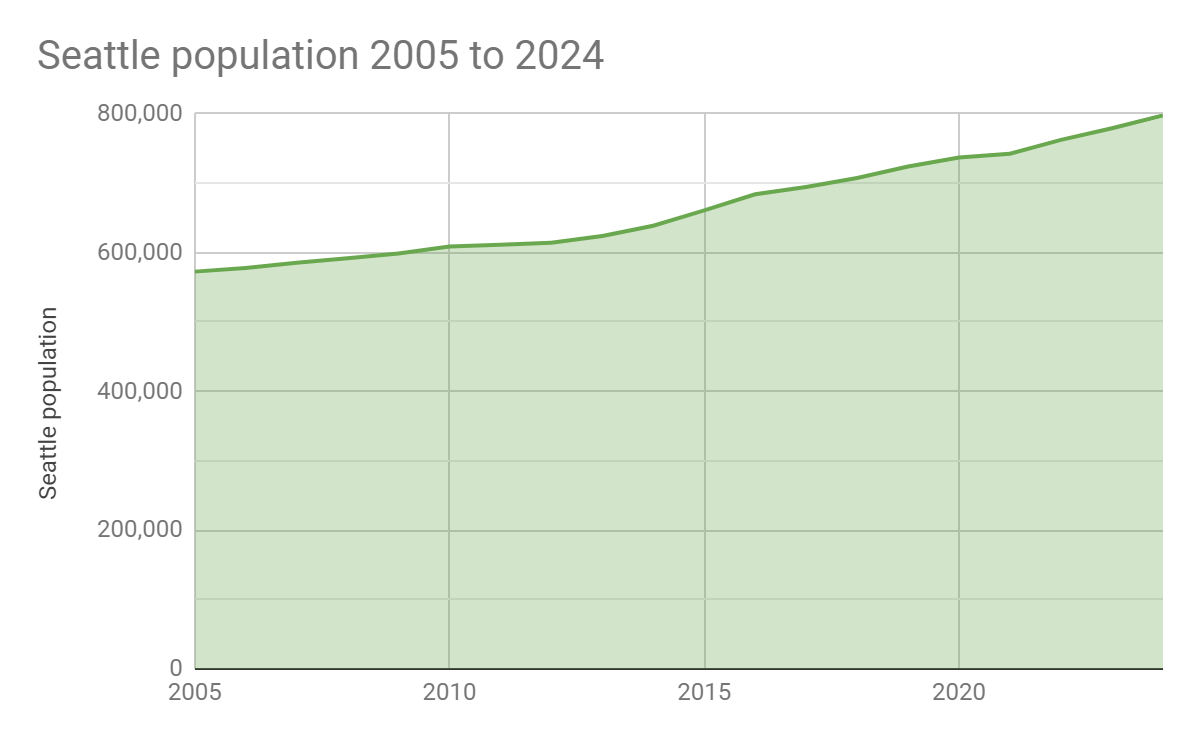
As of the most recent estimates, the population of the city of Seattle stands at approximately 733,919 residents. This figure, while substantial, represents only a fraction of the broader metropolitan area. The Seattle metropolitan area, officially known as the Seattle–Tacoma–Bellevue metropolitan statistical area, encompasses a much larger population, often exceeding 4 million individuals. This distinction is important for grasping the full scope of the region’s influence and its economic reach. The city’s population has seen consistent growth over the past few decades, driven by a robust economy, particularly in the technology sector, and its appeal as a desirable place to live.
City Proper vs. Metropolitan Influence
The distinction between the city proper and the wider metropolitan area is a key factor in understanding Seattle‘s demographic makeup. The city itself, as defined by its administrative boundaries, is a hub of activity with a dense urban core. However, the economic and social influence of Seattle extends far beyond these lines. Many residents who work in Seattle choose to live in surrounding suburbs and satellite cities, contributing to the overall population of the metropolitan region. This phenomenon, common in major urban centers, means that the daily influx of commuters and the economic activity generated by the broader region are essential considerations when discussing Seattle‘s true demographic impact.
Factors Driving Population Growth
The significant growth in Seattle‘s population is not accidental. It is fueled by several powerful engines. The city has long been a leader in the aerospace industry, being the birthplace of Boeing. More recently, it has become a global epicenter for technology, with giants like Amazon and Microsoft having substantial presences and driving job creation. These high-paying jobs attract talent from across the United States and around the world, leading to an influx of new residents. Beyond the tech boom, Seattle also offers a high quality of life, with stunning natural surroundings, a vibrant arts and culture scene, and a progressive social outlook, all of which contribute to its allure as a place to settle down.
Demographics of Seattle: A Diverse and Evolving Tapestry
The population of Seattle is as diverse as its landscape, reflecting a rich tapestry of ethnicities, ages, and backgrounds. This diversity is a defining characteristic of the city, contributing to its unique cultural vibrancy and innovative spirit. Understanding these demographic trends offers valuable insights into the social dynamics and future trajectory of Seattle.
Ethnic and Racial Composition
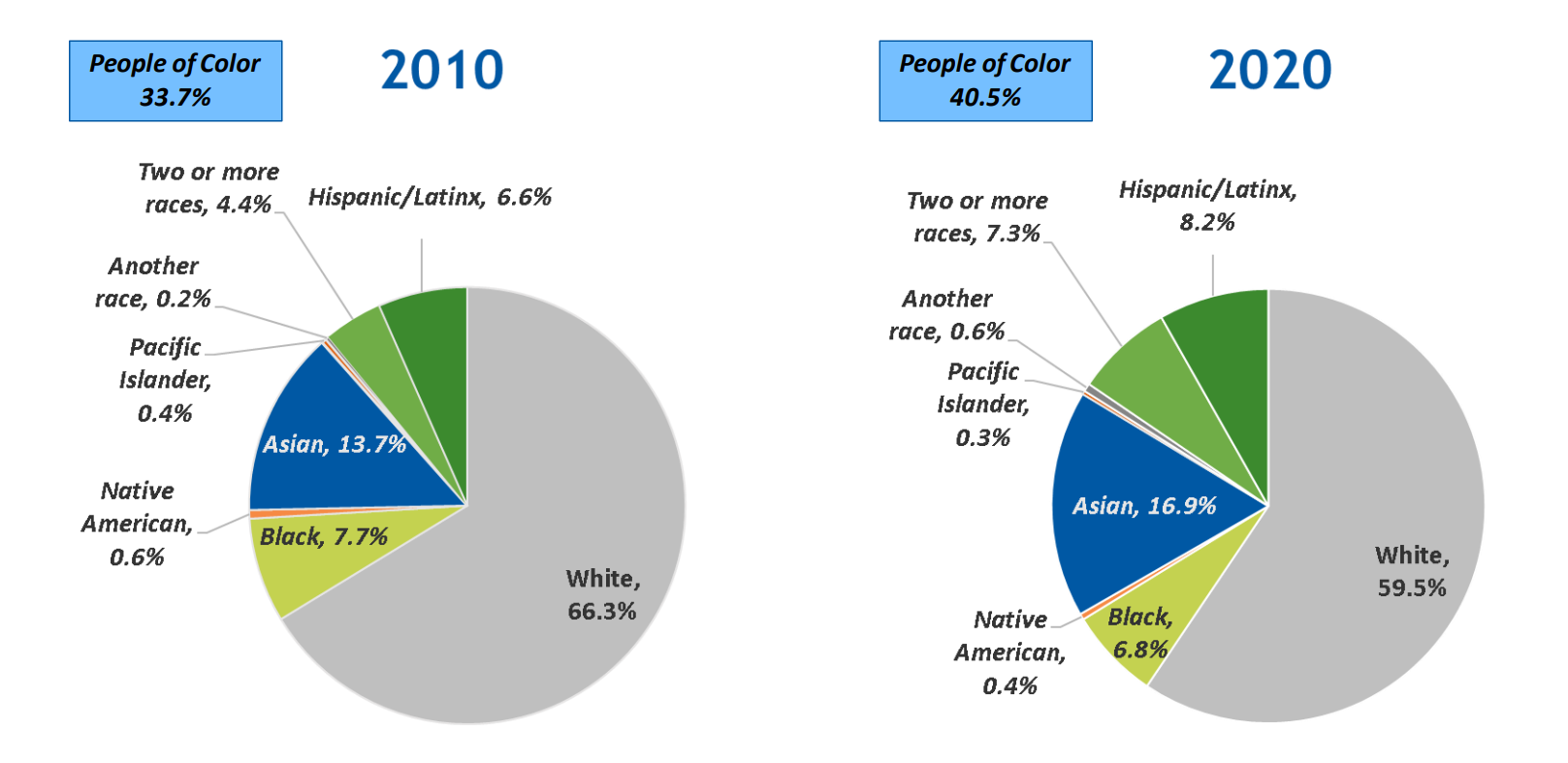
Seattle is increasingly becoming a multicultural hub. While historically a predominantly White population, the city has seen a significant rise in its Asian, Hispanic, and African American communities. The Asian population, in particular, has grown substantially, reflecting migration patterns and the city’s global connections. This demographic shift is transforming the city’s cultural landscape, enriching its culinary scene, artistic expressions, and community life. Efforts to promote inclusivity and celebrate diversity are ongoing, aiming to ensure that Seattle remains a welcoming city for all its residents.
Age Distribution and Generational Trends
The age distribution in Seattle leans towards a younger demographic, largely influenced by the influx of young professionals drawn to its booming industries. This has resulted in a vibrant younger population, contributing to the city’s energetic atmosphere and its embrace of innovation and new trends. However, like many major cities, Seattle also has a growing population of older adults, necessitating a focus on services and infrastructure that cater to all age groups. The city’s appeal extends across generations, from young families starting out to established professionals and retirees drawn to its lifestyle offerings.
Household Size and Composition
The average household size in Seattle tends to be smaller than the national average, reflecting a trend towards smaller families and a higher proportion of single-person households, particularly in urban centers. This is often associated with the high cost of living and a preference for urban living among young professionals. As the city continues to grow, understanding household composition is important for urban planning, housing development, and the provision of community services.
Implications of Seattle’s Population for Visitors and Residents
The population of Seattle, both within the city limits and the broader metropolitan area, has a tangible impact on the experiences of visitors and the daily lives of its residents. From the bustling streets of downtown to the serene neighborhoods, the demographic characteristics shape the city’s atmosphere and its opportunities.
Impact on Urban Planning and Infrastructure
A growing and diverse population places considerable demands on urban infrastructure. Seattle has been grappling with issues related to transportation, housing affordability, and public services as its population expands. The city’s infrastructure, including its public transit system like Sound Transit, roads, and utilities, must continuously adapt to accommodate the increasing number of people. Housing development, particularly the construction of affordable housing, remains a critical challenge, as the demand often outstrips supply, driving up rental and purchase prices.
Economic Opportunities and Challenges
The robust economic growth, a key driver of population increase, presents numerous job opportunities, especially in sectors like technology, aerospace, and biotechnology. This attracts skilled workers and entrepreneurs, fostering innovation and economic dynamism. However, this rapid growth also brings challenges, notably the increasing cost of living. Seattle consistently ranks among the most expensive cities in the United States, making it difficult for some long-term residents and lower-income individuals to afford to live there. This economic disparity is a significant consideration for both current and prospective residents.
Cultural Vibrancy and Community Life
The diverse population of Seattle is a major contributor to its rich cultural tapestry. From the numerous festivals and cultural events celebrating different heritages to the variety of restaurants and shops representing global cuisines and crafts, the city’s multiculturalism is a source of pride and a draw for many. The presence of a young, educated, and often progressive population also influences the city’s social and political landscape, fostering a spirit of innovation and community engagement. Residents actively participate in shaping their neighborhoods, contributing to a dynamic and evolving sense of community.
Understanding Seattle’s Population in Context
When discussing “What Is Seattle’s Population?”, it’s essential to look beyond just the raw numbers and consider the broader implications for the city and its inhabitants. The population is not static; it is a dynamic entity constantly shaped by economic forces, migration patterns, and lifestyle choices.
The Influence of the Tech Industry
The overwhelming influence of the tech industry on Seattle‘s population cannot be overstated. Companies like Microsoft in nearby Redmond and Amazon headquartered in Seattle have created thousands of high-paying jobs, drawing a highly skilled workforce from across the globe. This influx has not only increased the city’s population but has also contributed to its demographic profile, skewing towards a younger, educated, and often affluent population. The presence of these tech giants has a ripple effect, influencing the demand for housing, services, and infrastructure.
Proximity to Natural Beauty and Outdoor Activities
Seattle‘s unparalleled access to natural beauty is another significant factor influencing its population. Nestled between the Cascade Mountains and the Olympic Mountains, and surrounded by water, the city offers a wealth of outdoor recreational opportunities. This natural allure attracts individuals and families who value an active lifestyle and appreciate the proximity to hiking, skiing, sailing, and exploring the great outdoors. The appeal of this environment contributes to Seattle‘s desirability as a place to live, attracting people who seek a balance between urban amenities and natural exploration.
The Seattle-Tacoma-Bellevue Metropolitan Area
To truly understand the population of Seattle, one must also consider the broader Seattle-Tacoma-Bellevue metropolitan area. This vast region is home to millions of people and is a significant economic powerhouse in the Pacific Northwest. The interconnectedness of the core city with its surrounding suburbs and satellite cities means that the economic, social, and cultural trends observed in Seattle often extend throughout the entire metropolitan area. Commuter patterns, housing markets, and labor forces are all intertwined, making the metropolitan perspective crucial for a comprehensive demographic understanding. This larger regional population signifies a considerable concentration of economic activity and a diverse range of communities within the greater Seattle urban sprawl.
LifeOutOfTheBox is a participant in the Amazon Services LLC Associates Program, an affiliate advertising program designed to provide a means for sites to earn advertising fees by advertising and linking to Amazon.com. Amazon, the Amazon logo, AmazonSupply, and the AmazonSupply logo are trademarks of Amazon.com, Inc. or its affiliates. As an Amazon Associate we earn affiliate commissions from qualifying purchases.