
Los Angeles, a city synonymous with glitz, glamour, and the pursuit of dreams, harbors a stark counter-narrative within its sprawling urban fabric: Skid Row. Far from the sun-drenched beaches of Santa Monica or the celebrity-studded streets of Beverly Hills, Skid Row represents one of the most concentrated populations of unhoused individuals in the United States. It is a complex and often misunderstood area, a poignant landmark of social challenge and human resilience. For those interested in truly understanding the multifaceted character of Los Angeles, exploring the history, socio-economic realities, and ongoing efforts within Skid Row offers a profound, if sobering, perspective on urban life and its many disparities. This isn’t a typical travel destination, but rather a critical area of study for anyone delving into the heart of Southern California.
A Historical Overview: The Genesis and Evolution of Skid Row
The origins of Skid Row in Los Angeles are deeply rooted in the city’s early development and economic shifts. The term “skid row” itself originates from the logging industry, referring to the path logs “skidded” down hills to a sawmill or river. Lumberjacks would congregate in these areas, often spending their wages on alcohol and temporary lodging, giving rise to districts characterized by cheap hotels, saloons, and a transient population.
In Los Angeles, the area that would become Skid Row began to take shape in the late 19th and early 20th centuries. It was initially a bustling industrial and commercial district, strategically located near the city’s railroad lines, including what would eventually become Union Station. This proximity to transportation hubs made it a natural gathering point for migrant workers, day laborers, and transient men seeking employment. As the city grew, the district became a haven for those on the margins of society—veterans, immigrants, and individuals struggling with economic hardship.
The Great Depression in the 1930s significantly exacerbated the situation, driving countless individuals into poverty and homelessness, many of whom found themselves drawn to the cheap flophouses and missions of Skid Row. After World War II, the area continued to serve as a magnet for a disenfranchised population, including those struggling with mental health issues or substance abuse, particularly as institutional care declined with deinstitutionalization movements in the mid-20th century. Over decades, Skid Row solidified its reputation as the epicenter of homelessness in Los Angeles, a concentrated zone designed, almost inadvertently, to contain and manage social problems. It’s a profound example of urban planning’s unintended consequences and the powerful impact of socio-economic forces on a community’s lifestyle.
The Geographical and Socio-Economic Landscape
Skid Row is nestled within Downtown Los Angeles, a mere stone’s throw from gleaming high-rises, cultural institutions like the Walt Disney Concert Hall, and vibrant commercial districts. Its unofficial boundaries are typically defined as 3rd Street to the north, 7th Street to the south, Alameda Street to the east, and Main Street to the west. This approximately 50-block area is also known officially as Central City East.
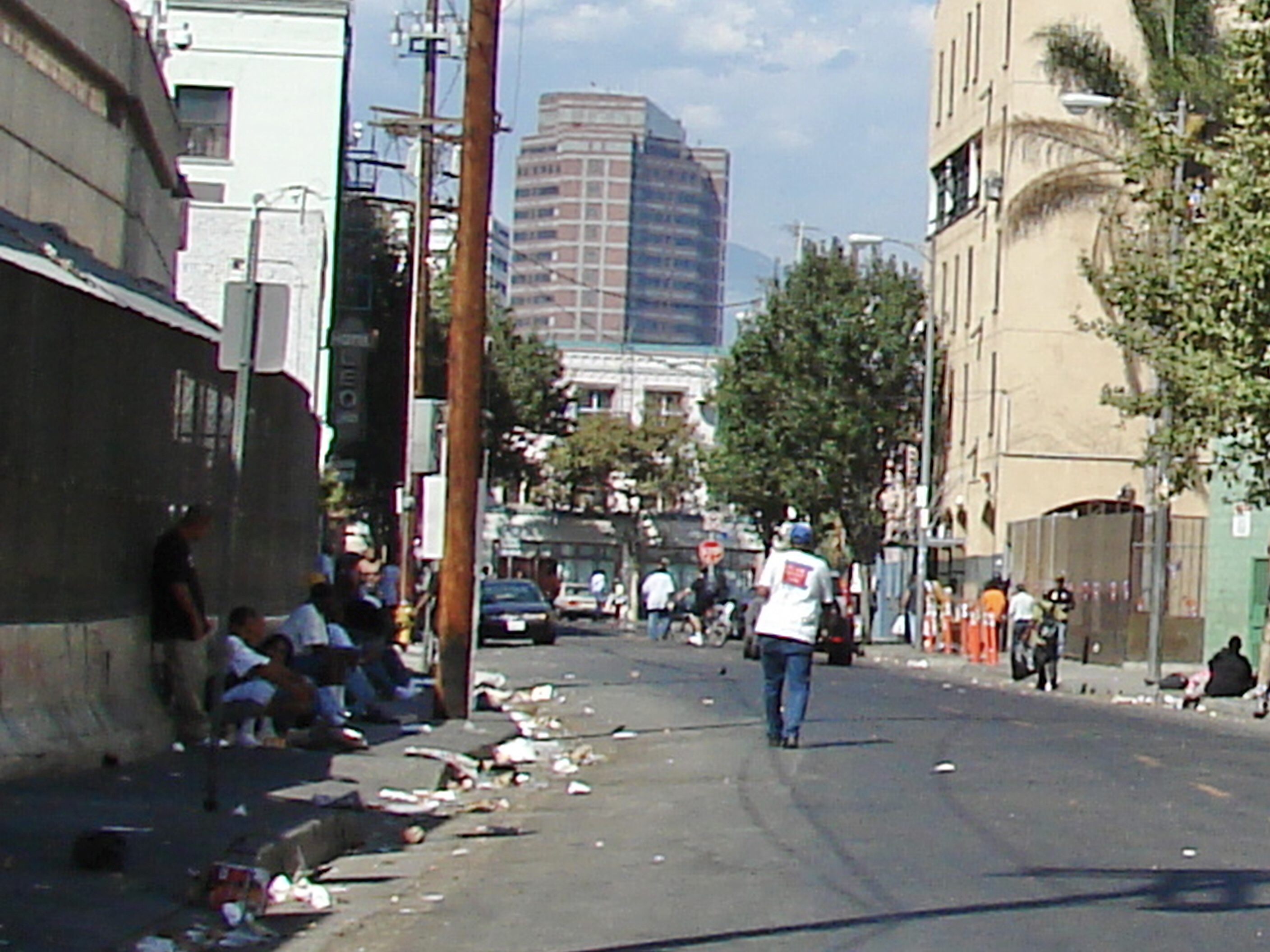
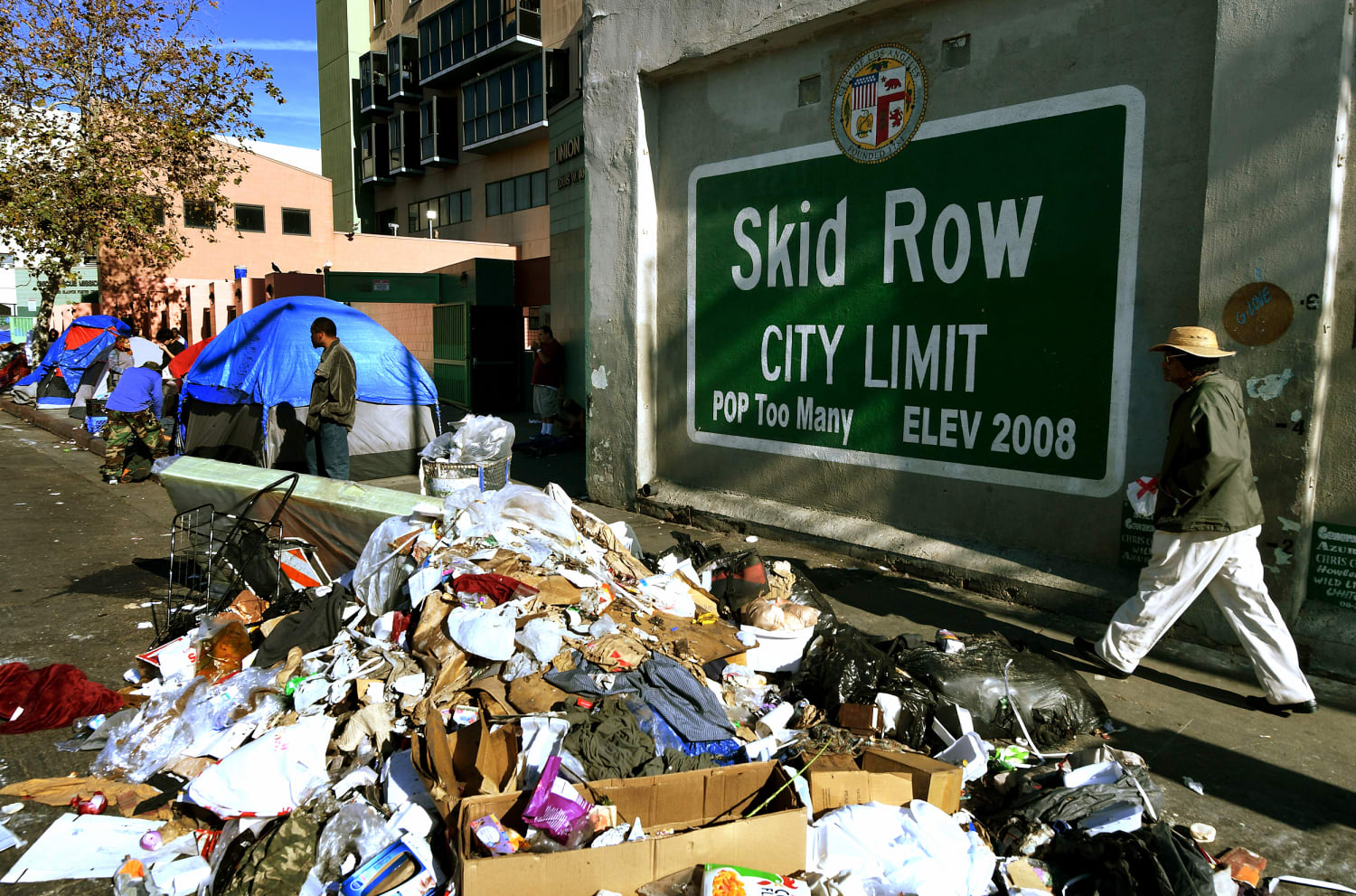
Within these boundaries, the socio-economic landscape is profoundly challenging. It is characterized by an exceptionally high concentration of individuals experiencing homelessness, many of whom suffer from mental illness, substance use disorders, or chronic health conditions. Tents, makeshift shelters, and scattered belongings line the sidewalks, creating a visible testament to the housing crisis facing Los Angeles and the nation. The streets are busy with the daily rhythms of survival, commerce, and community.
Services and Support Systems
Despite the pervasive challenges, Skid Row is not merely a place of destitution; it is also a hub of extensive social services. Numerous non-profit organizations, charities, and government agencies operate within the area, providing a lifeline for thousands. These include:
- Shelters and Housing Programs: Organizations like the Midnight Mission, Union Rescue Mission, and Downtown Women’s Center offer emergency shelter, transitional housing, and long-term supportive accommodation solutions. These facilities are crucial in providing safety, meals, and a path towards stability.
- Healthcare Services: Various clinics and outreach programs provide medical, dental, and mental health services to a population with significant unmet healthcare needs. These services are vital for managing chronic illnesses and addressing the complex health issues that often accompany homelessness.
- Food Programs: Soup kitchens and food banks operate daily, ensuring that thousands of individuals receive nutritious meals.
- Job Training and Rehabilitation: Efforts are also made to offer job training, addiction recovery programs, and legal aid, aiming to help individuals regain self-sufficiency and reintegrate into society.
- Community Advocacy: Groups like the Los Angeles Community Action Network (LA CAN) advocate for the rights of Skid Row residents, pushing for policy changes and humane treatment.
The sheer volume and dedication of these service providers highlight a side of Skid Row often overlooked: a resilient community of caregivers and advocates working tirelessly to alleviate suffering and promote dignity. For individuals seeking to understand Los Angeles’s commitment to social welfare, these organizations offer invaluable insight.
The Complexities of Life in Skid Row and Its Wider Implications
The lifestyle within Skid Row is defined by a daily struggle for survival, yet it also exhibits unique forms of community and resilience. Residents navigate a landscape of shared hardship, often forming bonds and support networks amongst themselves. The constant presence of outreach workers, social workers, and volunteers also contributes to a unique form of local culture, where compassion and crisis intervention are daily realities.
However, the district’s reputation and its visible challenges present a significant dilemma for Los Angeles as a whole, particularly in terms of tourism and urban development. While areas like the Arts District, Little Tokyo, and the Fashion District—all bordering or near Skid Row—have experienced significant gentrification and investment, Skid Row remains largely unchanged in its core challenges. This juxtaposition highlights the profound economic disparities that exist even within Downtown Los Angeles.
Efforts Towards Change and Redevelopment
Addressing the multifaceted issues of Skid Row is an ongoing, complex endeavor. Various initiatives, both governmental and private, seek to provide long-term solutions rather than just temporary relief.
- “Housing First” Initiatives: A major shift in strategy has been the adoption of “Housing First” models, which prioritize providing stable housing as the initial step to addressing other issues like addiction and mental health. This approach recognizes that without a safe and stable home, individuals cannot effectively engage with services or achieve lasting change. Projects funded by initiatives such as Measure HHH, a bond measure passed by Los Angeles voters, aim to build thousands of units of permanent supportive housing across the city, including within and around Skid Row.
- Integrated Care Models: Many service providers, like St. Vincent de Paul and the Los Angeles Homeless Services Authority (LAHSA), are implementing integrated care models that combine housing, healthcare, mental health support, and substance abuse treatment. The goal is to provide comprehensive support tailored to individual needs.
- Community Partnerships: Collaborations between city agencies, non-profits, philanthropic organizations, and local businesses are crucial. These partnerships aim to pool resources, coordinate efforts, and create a more holistic approach to ending homelessness. The Home For Good campaign, for instance, united diverse stakeholders to address the crisis.
Despite these concerted efforts, the scale of the problem remains immense. Factors such as affordable housing shortages, stagnant wages, and an inadequate social safety net continue to fuel the crisis, making Skid Row a persistent challenge for urban planners and humanitarian organizations alike.
Visiting and Understanding Skid Row: A Responsible Approach
For travelers and curious individuals seeking to understand every facet of Los Angeles, Skid Row offers a powerful lesson in urban sociology and human dignity. It is not a conventional attraction in the sense of Universal Studios or the Hollywood Walk of Fame, and definitely not a place to seek out hotels or luxury experiences. However, its historical significance and ongoing social realities make it an important, if sobering, destination for responsible observation and learning.
If you are compelled to visit the periphery of Skid Row or engage with its issues, it is imperative to do so with respect, sensitivity, and safety in mind.

Practical Tips for Awareness and Engagement:
- Prioritize Safety: The area can be unpredictable. It is advisable to visit during daylight hours, preferably in a group, and to be aware of your surroundings at all times. Avoid walking alone at night.
- Maintain Respect and Empathy: Remember that you are observing real people experiencing profound hardship. Avoid staring, taking photos without permission, or treating residents as spectacles. Acknowledge their humanity and privacy.
- Engage with Organizations, Not Directly: The most impactful way to engage is often through volunteering or donating to the reputable service organizations operating in the area. Many offer guided tours or informational sessions that provide valuable context and a safe way to learn. This allows for informed interaction without inadvertently disrupting the lives of residents.
- Educate Yourself: Before visiting, research the history and current issues of homelessness in Los Angeles. Understanding the root causes and the efforts being made can provide a richer, more nuanced perspective.
- Consider the Broader Context: Remember that Skid Row exists within a larger urban landscape. Explore nearby rejuvenated areas like Grand Central Market or ride the historic Angels Flight railway in Downtown Los Angeles. The contrast can be illuminating, highlighting the city’s complex layers.
In conclusion, Skid Row Los Angeles is more than just a place; it’s a critical social phenomenon, a historical artifact, and a living testament to both profound challenges and tireless human effort. While it may not fit the conventional mold of a travel guide recommendation, understanding Skid Row is essential for anyone seeking a comprehensive grasp of Los Angeles’s identity, its struggles, and its ongoing journey towards a more equitable future. It’s a powerful reminder that every major city has its unseen corners, each with its own story, its own local culture, and its own profound lessons to teach.
LifeOutOfTheBox is a participant in the Amazon Services LLC Associates Program, an affiliate advertising program designed to provide a means for sites to earn advertising fees by advertising and linking to Amazon.com. Amazon, the Amazon logo, AmazonSupply, and the AmazonSupply logo are trademarks of Amazon.com, Inc. or its affiliates. As an Amazon Associate we earn affiliate commissions from qualifying purchases.