
Nestled in the vibrant heart of Lower Manhattan, SoHo stands as one of New York City‘s most iconic and sought-after neighborhoods. Its very name, a charming acronym for “South of Houston Street,” immediately hints at its geographical place, but it barely scratches the surface of the rich history, architectural marvels, and undeniable cultural cachet that define this unique district. For travelers, history buffs, fashion enthusiasts, and foodies alike, SoHo offers a multifaceted experience that captures the quintessential spirit of New York City.
Originally an industrial zone characterized by its sturdy manufacturing buildings, SoHo has undergone several dramatic transformations, evolving from a bustling commercial hub to a derelict wasteland, then to a haven for struggling artists, and finally into the glamorous, high-end destination it is today. This evolution has left an indelible mark on the neighborhood, particularly in its breathtaking architecture and its enduring reputation as a epicenter of style, art, and innovation. Today, visitors flock to its cobblestone streets to explore world-class boutiques, dine at trendsetting restaurants, immerse themselves in contemporary art, and simply soak in the dynamic atmosphere that pulses through its every block. Whether you’re planning a luxurious getaway, a budget-friendly adventure, or a family trip, understanding what makes SoHo tick is key to unlocking an unforgettable New York City experience.

The Allure of SoHo: A Historical and Architectural Tapestry
To truly appreciate SoHo today, one must first delve into its fascinating past and the architectural legacy that defines its character. This journey reveals a narrative of resilience, reinvention, and the enduring power of artistic vision.
From Farmland to Fashion Hub: SoHo’s Evolution
The story of SoHo begins far from its current bustling persona. In the 17th century, the area was largely farmland, part of the extensive estates of early Dutch settlers. As New York City expanded northward in the 19th century, SoHo rapidly industrialized. Its strategic location, close to the port and major transportation routes, made it ideal for manufacturing and warehousing, particularly for textiles. This era saw the construction of the grand, multi-story buildings that still define the neighborhood’s streetscape, designed to house factories, showrooms, and storage facilities.
However, by the mid-20th century, as manufacturing shifted away from urban centers, SoHo faced a period of decline. Many buildings became vacant, and the area was dubbed “Hell’s Hundred Acres” due to its dilapidation and high crime rates. It was during this time that a new wave of pioneers, struggling artists seeking large, affordable spaces for studios and living, discovered the vast lofts of SoHo. These artists, living illegally in former industrial spaces, created a vibrant bohemian community. Their presence ignited a cultural renaissance, laying the groundwork for the neighborhood’s eventual revitalization. The fight to preserve these historic buildings from demolition, spearheaded by activists and artists, ultimately led to the designation of the Cast-Iron Historic District, securing SoHo’s architectural heritage.
The 1980s and 90s saw SoHo’s continued gentrification, as galleries and upscale boutiques began to replace artist studios. The raw, industrial aesthetic, once a sign of decay, became chic and desirable. Today, SoHo is globally recognized as a premier retail and residential destination, a testament to its remarkable transformation from industrial grit to sophisticated glamour.
The Iconic Cast-Iron Architecture
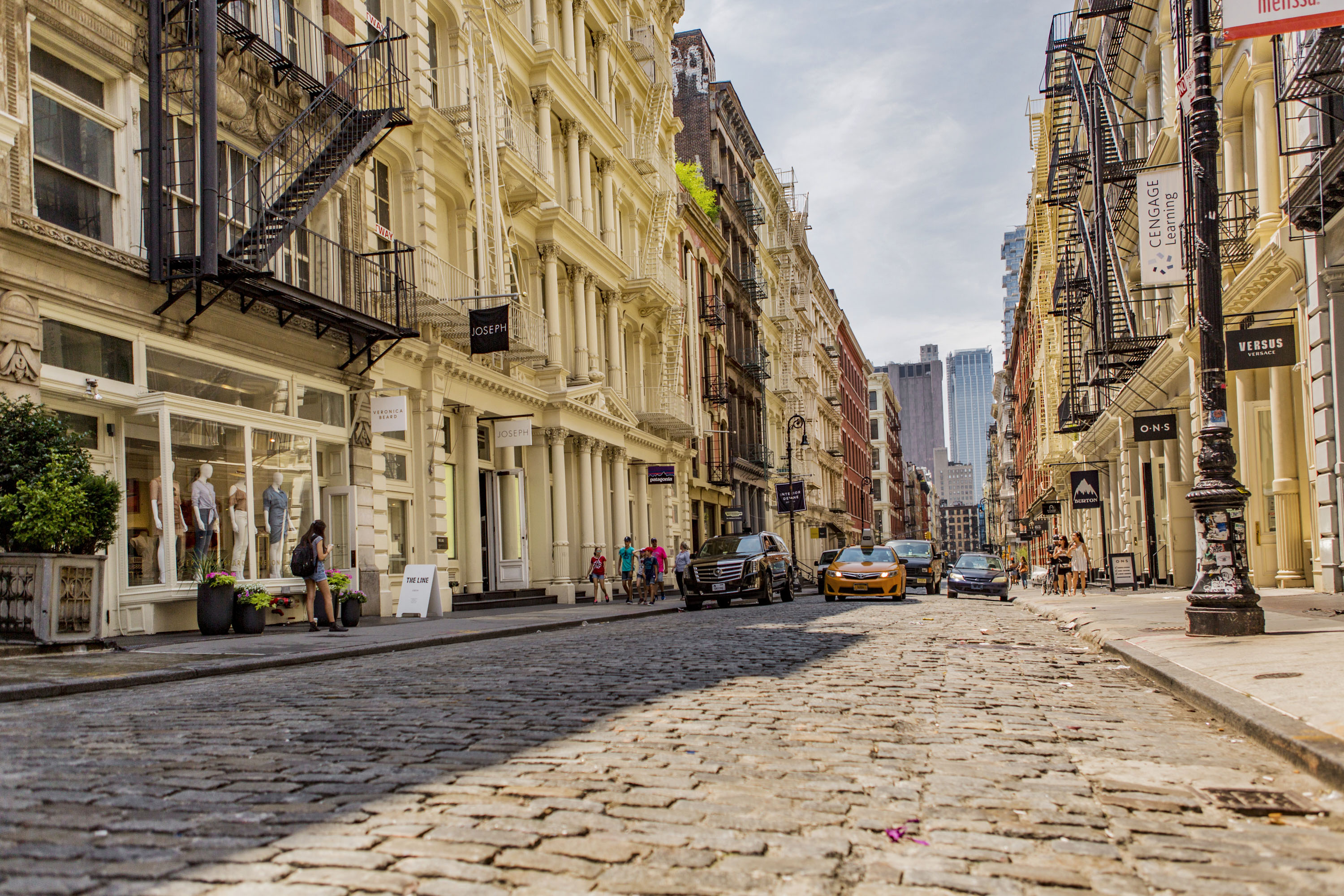
The defining characteristic of SoHo’s visual identity is undoubtedly its unparalleled collection of cast-iron buildings. This architectural style, prevalent from the mid-19th century, allowed for intricate, decorative facades to be mass-produced and bolted onto buildings, mimicking more expensive stone masonry like granite and marble. Walking through SoHo is akin to stepping into an open-air museum, with rows of these magnificent structures lining streets like Greene Street, Mercer Street, and Broadway.
These buildings are not just aesthetically pleasing; they tell a story of innovation and economic boom. Their large windows, characteristic of industrial lofts, allowed ample natural light for factory workers and later, for artists. Today, these expansive windows illuminate high-end retail spaces and luxurious residential apartments, offering a distinct blend of historical charm and modern sophistication. The intricate columns, cornices, and detailed ornamentation transform otherwise utilitarian structures into works of art. The Cast-Iron Historic District, established in 1973, protects over 250 of these architectural gems, ensuring that SoHo retains its unique character for generations to come. This architectural grandeur makes SoHo a significant landmark and a must-visit destination for anyone interested in urban design and history.
SoHo as a Premier Lifestyle and Retail Destination
Beyond its historical facade, SoHo thrives as a vibrant center of contemporary lifestyle, offering unparalleled shopping, diverse dining, and an energetic nightlife scene that caters to every taste. This neighborhood truly embodies the essence of modern urban living and luxury travel.
A Shopper’s Paradise: Boutiques, Flagships, and Galleries
SoHo’s reputation as a shopping mecca is well-deserved. Its grid of charming streets, including Broadway, Spring Street, and Prince Street, is home to an impressive array of retail establishments, from global luxury brands to independent boutiques and concept stores. Fashionistas will find flagship stores for renowned designers like Louis Vuitton, Chanel, and Prada, showcasing the latest collections. Meanwhile, major brands such as Adidas, Nike, and the iconic Apple Store on Prince Street draw in crowds with their innovative retail experiences.
What makes SoHo unique, however, is not just the big names but also the proliferation of smaller, unique shops. These often occupy the ground floors of the historic cast-iron buildings, offering everything from vintage clothing and artisanal crafts to specialized homewares and cutting-edge streetwear. The shopping experience in SoHo is less about mindless consumption and more about discovery and curatorial delight. Many stores feature meticulously designed interiors that reflect their brand’s aesthetic, making browsing an experience in itself. This concentration of high-quality retail makes SoHo a key destination for tourism focused on lifestyle and fashion.
Furthermore, remnants of SoHo’s artistic past can still be found in its numerous art galleries. While many larger galleries have migrated to other neighborhoods, smaller, independent spaces continue to thrive, particularly along West Broadway and its side streets. These galleries offer a chance to view contemporary art, often from emerging artists, adding a cultural dimension to the shopping excursion. Whether you’re on a luxury shopping spree or seeking unique souvenirs, SoHo provides an unparalleled retail landscape.
Culinary Delights: Dining and Nightlife in SoHo
SoHo’s culinary scene is as diverse and dynamic as its retail offerings, making it a prime destination for food tourism. The neighborhood boasts an impressive array of dining establishments, from Michelin-starred restaurants to cozy cafes and bustling bistros. Whatever your craving, SoHo likely has an exceptional option.
For a classic New York City experience, establishments like Balthazar on Spring Street offer a quintessential French brasserie atmosphere, serving up delicious meals from breakfast to late-night supper. Trendy spots like Jack’s Wife Freda are beloved for their vibrant brunch scene and Mediterranean-inspired dishes, while Blue Ribbon Brasserie remains a go-to for late-night gourmet comfort food. For those with a sweet tooth, a visit to Dominique Ansel Bakery, home of the famous Cronut, is practically mandatory.
Beyond these well-known names, SoHo is dotted with countless hidden gems, from authentic Italian trattorias to innovative fusion restaurants and charming coffee shops perfect for people-watching. The diversity of cuisines reflects New York City’s melting pot culture, ensuring there’s something to satisfy every palate and budget.
As day turns into night, SoHo’s energy shifts but never wanes. The neighborhood’s bars and lounges come alive, offering a sophisticated nightlife experience. From chic cocktail bars nestled in boutique hotels to lively pubs, there are plenty of options for an evening out. Many restaurants also feature bustling bar areas, providing a seamless transition from dinner to drinks. The vibrant culinary and nightlife scene makes SoHo an exciting destination for both locals and tourists seeking memorable dining and entertainment experiences.
Experiencing SoHo: Culture, Accommodation, and Practical Tips
To fully embrace the SoHo experience, it’s essential to understand its cultural offerings, where to stay, and how to navigate this bustling neighborhood efficiently.
Art, Culture, and Entertainment
While SoHo may be more famous for shopping today, its artistic roots run deep, and cultural experiences remain an integral part of its identity. Beyond the commercial galleries, visitors can still find institutions dedicated to contemporary art. Spaces like Artists Space, which played a crucial role in the neighborhood’s artistic renaissance, continue to showcase experimental works and foster emerging talent.
The very streets of SoHo serve as a canvas, with street art, public installations, and the architectural grandeur itself providing a constant visual feast. The Puck Building, a magnificent Romanesque Revival structure on Lafayette Street, is another landmark worthy of admiration, housing event spaces and offices.
Moreover, SoHo’s central location in Lower Manhattan places it within easy reach of other culturally rich neighborhoods. A short stroll will take you to the historic streets of Greenwich Village, the bustling markets of Chinatown, or the charming eateries of Little Italy. Nearby, you can also explore the vibrant contemporary art scene in the Bowery, home to the New Museum. This proximity to diverse cultural landmarks makes SoHo an excellent base for broader New York City explorations, appealing to those seeking rich travel experiences and local culture.
Staying in Style: SoHo’s Accommodation Options
For travelers seeking to immerse themselves in the heart of SoHo’s vibrant atmosphere, the neighborhood offers a selection of luxurious and boutique accommodation options. These hotels are renowned for their sophisticated design, impeccable service, and prime locations, catering to a lifestyle of comfort and elegance.
The SoHo Grand Hotel was a pioneer in bringing luxury hotels to the neighborhood, known for its industrial-chic aesthetic and pet-friendly policies. Its lobby bar is a popular spot for both guests and locals. Another iconic choice is The Mercer Hotel, a discreet and exclusive boutique hotel celebrated for its celebrity clientele, minimalist design, and an excellent restaurant. More recently, NoMo SoHo has emerged as a favorite, offering a fairytale-inspired aesthetic, stunning skyline views, and stylish rooms.
Beyond these well-known establishments, visitors can also find smaller boutique hotels and serviced apartments that provide a more intimate and localized experience. These accommodations often blend seamlessly into the neighborhood’s historic fabric while offering modern amenities and personalized service. Choosing to stay in SoHo means waking up in the heart of the action, with world-class shopping, dining, and cultural attractions just steps away. This makes it an ideal choice for travelers prioritizing convenience, luxury, and an authentic New York City lifestyle, ensuring that every aspect of your trip, from booking to long-term stay, is catered for.

Navigating SoHo: Tips for Visitors
Visiting SoHo is generally a delightful experience, but a few practical tips can enhance your trip:
- Best Time to Visit: Weekdays offer a less crowded experience for shopping and dining. Weekends, especially Saturdays, are bustling with locals and tourists, creating a lively but sometimes overwhelming atmosphere. Mornings are generally quieter for exploring the architecture.
- Getting There: SoHo is easily accessible via several subway lines (A, C, E to Canal Street or Spring Street; N, R, W to Prince Street; 4, 6 to Spring Street). Walking is the best way to explore the neighborhood itself.
- Walking Shoes are a Must: With its cobblestone streets and extensive blocks of shops and galleries, you’ll be doing a lot of walking. Comfortable footwear is essential.
- Explore Side Streets: While Broadway is the main artery, many of SoHo’s hidden gems, from charming cafes to unique boutiques, are tucked away on its quieter side streets like Greene Street and Mercer Street.
- Budgeting: SoHo can be an expensive neighborhood. Plan your budget accordingly, especially if indulging in high-end shopping or fine dining. However, there are also more affordable dining options and plenty of free architectural sightseeing opportunities.
- Combine with Nearby Neighborhoods: Given its proximity, consider combining your SoHo visit with explorations of Greenwich Village, Little Italy, Chinatown, or even a visit to Washington Square Park. This allows for a richer and more varied travel experience, showcasing the diverse tapestry of New York City.
In conclusion, SoHo is much more than just a fashionable address in New York City. It is a living testament to urban transformation, a vibrant cultural hub, and a premier destination for anyone seeking a sophisticated and dynamic travel experience. From its historic cast-iron facades to its cutting-edge boutiques and culinary scene, SoHo offers a rich tapestry of experiences that perfectly encapsulate the allure of the Big Apple. Whether you’re drawn by its history, its shopping, its food, or simply its unique ambiance, SoHo promises an unforgettable adventure for every kind of traveler.
LifeOutOfTheBox is a participant in the Amazon Services LLC Associates Program, an affiliate advertising program designed to provide a means for sites to earn advertising fees by advertising and linking to Amazon.com. Amazon, the Amazon logo, AmazonSupply, and the AmazonSupply logo are trademarks of Amazon.com, Inc. or its affiliates. As an Amazon Associate we earn affiliate commissions from qualifying purchases.