
The state of Maine occupies a unique corner of the United States. Tucked away in the far northeast, it is a land defined by its rugged coastline, dense interior forests, and a cultural identity that remains fiercely independent. For those who travel to New England, the experience is often defined by what is absent rather than what is present—a reprieve from the frantic pace of modern life. However, there are specific, tangible, and intangible treasures found only in this state that capture the soul of the region.
The Culinary Icon: The Genuine Maine Lobster Roll
When people ask what one can truly only get in Maine, the conversation almost invariably begins with the Atlantic lobster. While lobsters are harvested elsewhere, the experience of consuming a fresh lobster roll in the heart of Downeast Maine is a cultural ritual that cannot be replicated.

The Butter vs. Mayo Debate
The “Maine” way is distinct. While some regions favor a heavy, mayonnaise-laden preparation, the traditional Maine lobster roll is defined by its simplicity. The meat is chilled, tossed lightly in a thin layer of mayonnaise—or sometimes just melted butter—and served on a top-split, toasted hot dog bun. The bread is essential; it must be toasted to a golden crisp on the sides, providing a buttery crunch that yields to the sweet, succulent, and tender lobster meat.
Sourcing from the Source
Eating a lobster roll at a roadside shack in towns like Bar Harbor or Portland offers a degree of freshness that is impossible to find in inland cities. Because the supply chain is so short—often moving from the boat to the boiling pot within hours—the texture and natural sweetness of the shellfish remain unmatched. You are not just eating a sandwich; you are consuming the result of generations of maritime expertise.
The Unique Landscape: The Intersection of Ocean and Granite
Maine possesses a geography that is entirely its own. Unlike the sandy, sprawling beaches found further south in Massachusetts or Rhode Island, the Maine coastline is jagged, rocky, and profoundly dramatic.

Acadia National Park’s Coastal Granite
Within Acadia National Park, one finds the unique geological phenomenon where the Atlantic Ocean crashes directly against massive, pink granite cliffs. This landscape is a hallmark of Mount Desert Island. Walking along the Ocean Path, you feel the spray of the cold North Atlantic mist, an experience that serves as a reminder of the raw power of nature. This particular interaction between high-latitude forests, mountainous granite, and the churning ocean is a signature of the Maine experience.
The Lighthouses of the Atlantic
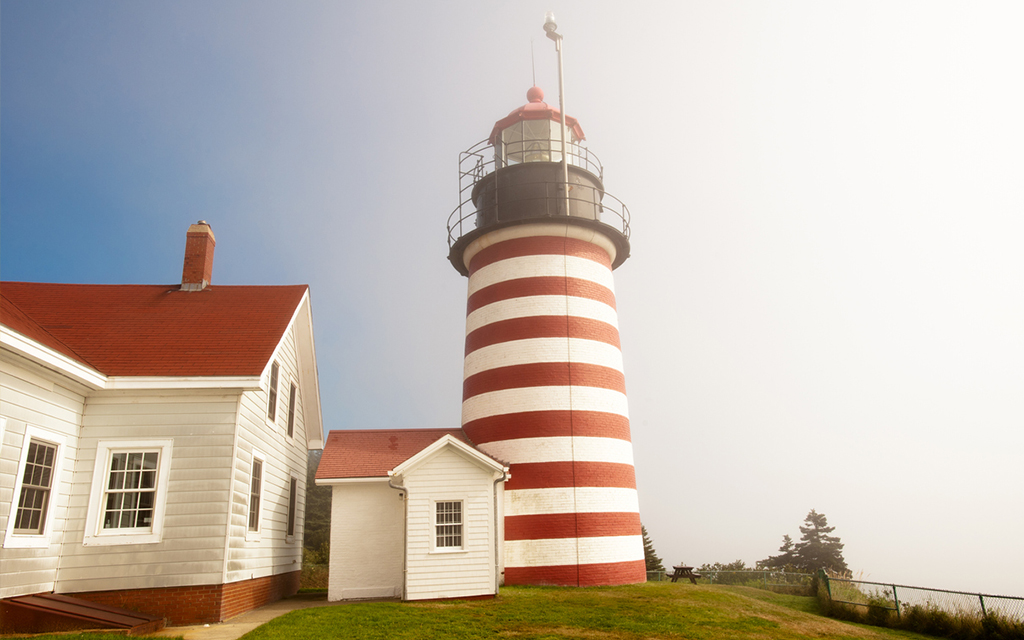
While lighthouses exist globally, the specific aesthetic of Maine lighthouses—often perched precariously on narrow, wave-swept peninsulas—is a defining visual motif. Places like Portland Head Light in Cape Elizabeth are iconic for a reason. These structures were built to survive the fierce nor’easters that define the local weather, and their stark, white silhouettes against the dark, moody Maine sky provide a visual contrast that is uniquely tied to this state’s history of seafaring and survival.
The Cultural Fabric: A Different Pace of Life
Beyond food and geography, Maine offers a lifestyle that has largely resisted the homogenization of modern culture. It is a place where “vacationland”—the official nickname of the state—is treated not as a marketing slogan, but as a genuine philosophy.
The Tradition of the ‘Camp’
In Maine, people do not go to a “cottage” or a “cabin”; they go to “camp.” This is a deeply held cultural distinction. A camp is often a rustic structure deep in the North Woods, perhaps on the shores of Moosehead Lake. This culture of “camps” emphasizes a disconnection from technology and a reconnection with the natural environment. You cannot get this specific version of rustic, low-key solitude anywhere else in the United States. It is a tradition rooted in Maine’s history as a place for sporting, logging, and hunting, where the luxury is found in silence and starlight rather than amenities.
The Resilience of Local Artisans
The Maine creative economy is tied to the landscape. From the handmade boat builders in Rockland to the pottery studios found in the tiny coastal villages of Midcoast Maine, there is an emphasis on craft that is inextricably linked to the materials available. You will find items made from local granite, repurposed lobster traps, and sustainably harvested timber. These goods are infused with the aesthetic of the region—utilitarian, durable, and understated. When you bring an object home from a local artisan in Kennebunkport, you are bringing home a piece of the local environment itself.
Why These Elements Remain Exclusive
Why is it that these experiences—the lobster, the granite cliffs, the “camp” culture—cannot be exported or fully replicated? It comes down to the synergy of climate, geography, and history. The cold waters of the Gulf of Maine are essential for the specific flavor profile of the seafood; the harsh winters dictate the architectural styles and the resilient spirit of the locals; and the massive, unpopulated tracts of forest in the northern part of the state provide the seclusion necessary for the specific brand of solitude that Maine offers.
Traveling to Maine is an exercise in seeking out the genuine. While the rest of the world rushes toward uniformity, Maine remains a stronghold of the unique. Whether you are watching the sunrise from the peak of Cadillac Mountain—the first place in the United States to see the dawn—or sitting on a weathered wooden pier waiting for the day’s catch, you are engaging with elements that exist solely because of the state’s distinct position on the map. It is this refusal to be anything other than itself that makes Maine a destination that provides something you truly cannot find anywhere else.
LifeOutOfTheBox is a participant in the Amazon Services LLC Associates Program, an affiliate advertising program designed to provide a means for sites to earn advertising fees by advertising and linking to Amazon.com. Amazon, the Amazon logo, AmazonSupply, and the AmazonSupply logo are trademarks of Amazon.com, Inc. or its affiliates. As an Amazon Associate we earn affiliate commissions from qualifying purchases.