
Nestled in the heart of the United States Midwest, South Dakota is a land of vast open prairies, majestic mountains, and a rich tapestry of history and culture. While often celebrated for its iconic landmarks and stunning natural beauty, the essence of a place is always intertwined with its people. Understanding the population of South Dakota offers more than just a statistical snapshot; it provides a profound insight into the state’s character, its appeal as a travel destination, and the unique lifestyle it offers both residents and visitors alike. From bustling urban centers to serene rural communities, the demographic landscape of South Dakota influences everything from the availability of luxury accommodations to the intimate feel of local attractions and the authenticity of its cultural experiences.

The relatively sparse population density of South Dakota is, in many ways, its defining feature. Unlike more densely populated states, South Dakota offers an expansive sense of freedom and untouched wilderness, a quality that profoundly shapes its tourism industry and the types of experiences travelers seek. Whether you’re drawn to the vibrant energy of its largest cities or the quiet solitude of its national parks, the human element – or lack thereof in certain areas – is a critical component of the South Dakota adventure. This exploration delves into the figures, trends, and implications of the South Dakota population, connecting them directly to the allure of travel, the diversity of hotels and accommodation, the richness of its tourism offerings, its celebrated landmarks, and the distinctive lifestyle that defines this captivating state.
Understanding South Dakota’s Demographic Landscape
The current population of South Dakota stands as a testament to a unique American narrative, often characterized by its blend of agricultural heritage, entrepreneurial spirit, and a deep connection to the land. As of recent estimates, the state’s population hovers around 900,000 residents. This figure, while significant, pales in comparison to many other states, positioning South Dakota among the less populated regions in the nation. This relatively small population base leads to a considerably low population density, with vast stretches of the state remaining wild, undeveloped, and pristine – a major draw for specific types of travelers.
The demographic trends in South Dakota reveal a dynamic picture of slow but steady growth, largely driven by natural increase and, in recent years, a modest influx of new residents seeking economic opportunities, a quieter pace of life, or a more direct connection to nature. The age distribution reflects a healthy mix, with a strong emphasis on family values and community. While the state is predominantly rural, there’s an ongoing urbanization trend, with its larger cities experiencing the most significant growth. This delicate balance between preserving its rural charm and fostering urban development is a constant theme, influencing everything from infrastructure projects to the types of businesses that thrive, including those within the hospitality sector. The state’s economy, traditionally reliant on agriculture, is diversifying, with increasing contributions from healthcare, manufacturing, and, critically for our interests, tourism. The relatively small population base means that each new resident or visitor has a more noticeable impact on the local economy and social fabric, creating a welcoming and often close-knit community atmosphere that is palpable to travelers.
Urban Centers vs. Rural Expanses: A Tale of Two South Dakotas
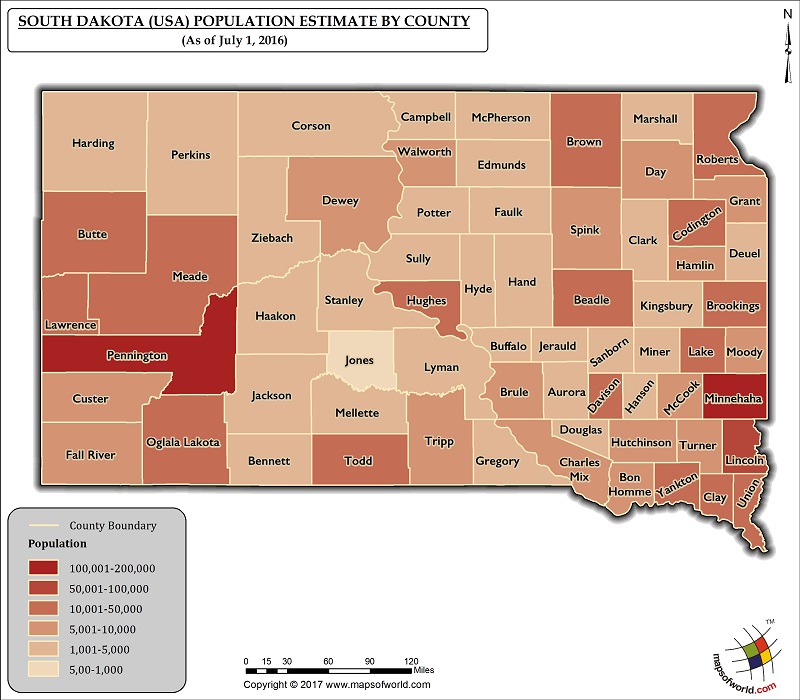
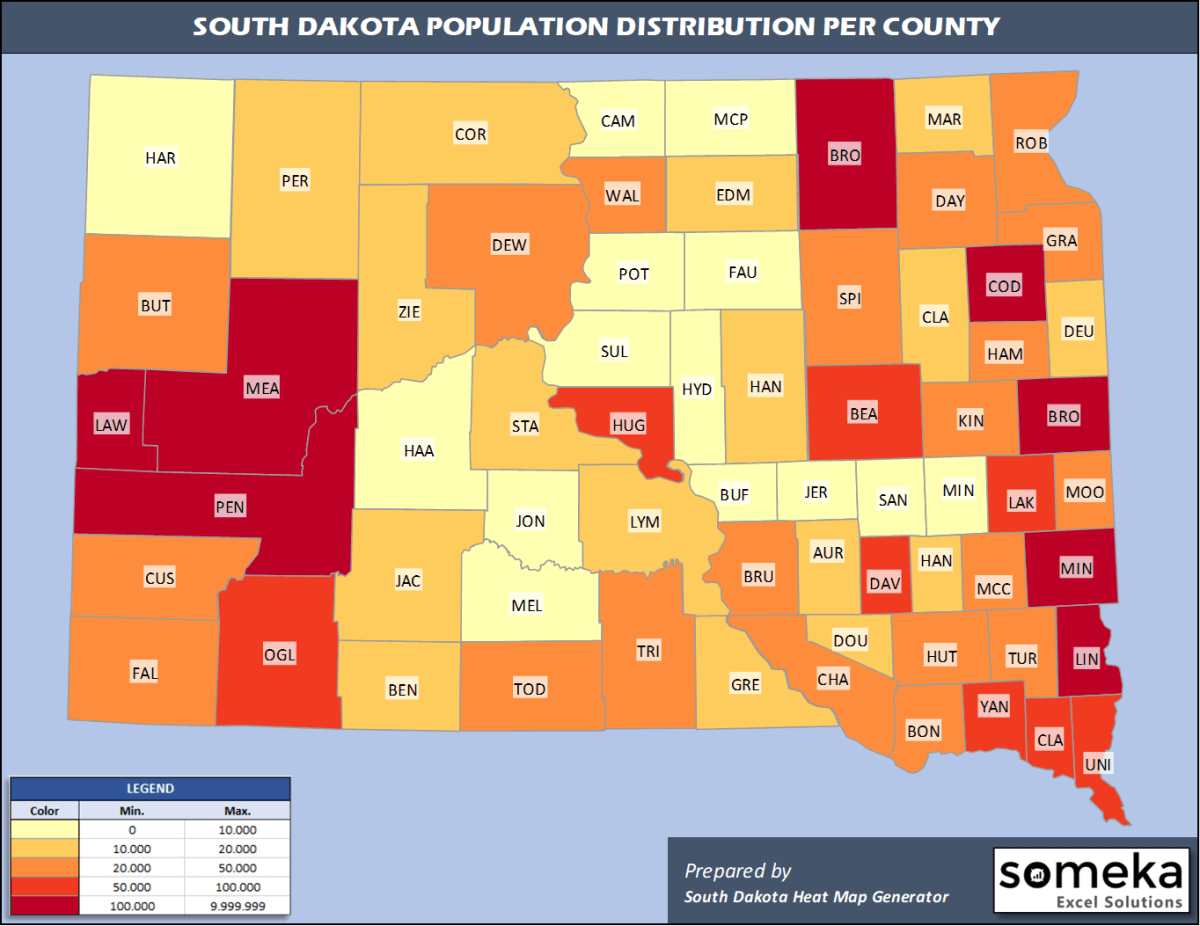
The population of South Dakota is not uniformly distributed; instead, it’s concentrated in a few key urban centers, leaving the majority of the state’s land area sparsely populated. This creates a fascinating dichotomy, offering diverse experiences for visitors.
The state’s largest city, Sioux Falls, serves as the economic engine and a vibrant hub of activity. With a population approaching 200,000, Sioux Falls boasts a dynamic downtown, a burgeoning culinary scene, modern amenities, and a wide array of hotels and accommodations catering to both business and leisure travelers. Here, you’ll find upscale suites, well-appointed resorts, and convenient chain hotels like the Hilton Garden Inn Sioux Falls Downtown. Its growing population supports a diverse economy and a rich cultural scene, making it an attractive destination for those seeking urban comforts and a lively atmosphere within South Dakota.
On the western side of the state, Rapid City acts as the gateway to the magnificent Black Hills region. While smaller than Sioux Falls, its population of around 80,000 makes it the second-largest city and a critical base for exploring national treasures. Rapid City’s economy is heavily influenced by tourism and nearby Ellsworth Air Force Base. Visitors can find numerous accommodation options, from cozy bed and breakfasts to family-friendly hotels like the Holiday Inn Express & Suites Rapid City, all strategically located to provide easy access to attractions. The city provides essential services and amenities for the millions of tourists who flock to the area each year.
Other notable population centers include Aberdeen in the northeast, known for its strong agricultural ties and Midwestern charm; Brookings, home to South Dakota State University and a vibrant university town atmosphere; and Pierre, the state capital, a smaller city located along the scenic Missouri River. These towns, while smaller, are vital hubs for their respective regions, offering local culture, unique dining experiences, and accommodation options that reflect their distinct characters.
Beyond these population centers, the vast majority of South Dakota remains sparsely populated, offering endless stretches of prairie, badlands, and forest. This rural expanse is precisely what attracts travelers seeking solitude, adventure, and an escape from the crowds. The low population density here means unadulterated nature, abundant wildlife, and unparalleled opportunities for outdoor activities, from hiking and fishing to hunting and stargazing. The absence of light pollution and the quietude found in areas like Badlands National Park or Custer State Park are direct consequences of South Dakota’s demographic makeup, offering experiences that are increasingly rare in a crowded world.
Population Dynamics and Their Influence on Travel & Tourism
The relatively modest population of South Dakota plays a pivotal role in shaping its travel and tourism industry. Unlike destinations that rely on massive visitor throughput, South Dakota often appeals to those seeking authentic, less commercialized experiences. This population dynamic directly impacts everything from the types of attractions developed to the availability and style of accommodation, and even the overall atmosphere visitors encounter.
The state’s commitment to preserving its natural beauty and historical sites is often strengthened by its low population density, as there is less pressure for urban sprawl or industrial development to encroach upon these treasures. This has allowed for the careful conservation of areas like Mount Rushmore National Memorial, Badlands National Park, and Wind Cave National Park, ensuring they remain pristine for future generations of visitors. The state’s residents, proud of their heritage and natural surroundings, often play an active role in supporting and promoting responsible tourism, further enhancing the visitor experience.
Crafting Unique Travel Experiences
South Dakota’s population profile significantly contributes to its ability to offer truly unique travel experiences. For many, the draw of South Dakota lies in its perceived “untouched” quality, a direct result of its sparse human footprint. This allows for immersive adventures that feel genuinely wild and open. Imagine driving through the vast expanse of the Dakota Badlands, where the geological formations stretch endlessly, with few signs of human habitation, or exploring the winding roads of Spearfish Canyon with a sense of peaceful solitude. These experiences are inherently tied to the state’s low population density.
The demographics of visitors to South Dakota often mirror this desire for nature, history, and authenticity. Families seeking educational trips, adventure travelers looking for hiking and wildlife viewing, and history buffs eager to explore the legacies of Lewis and Clark or the Old West in towns like Deadwood are common. The relatively small resident population means that local businesses and service providers often develop a more personal connection with tourists, offering a level of hospitality that feels genuinely warm and welcoming.
Major landmarks such as Mount Rushmore National Memorial, the still-developing Crazy Horse Memorial, and the thriving wildlife of Custer State Park are not just tourist attractions; they are integral parts of the state’s identity, cherished by its small but proud population. The relatively low population allows for a manageable flow of visitors, even to these iconic sites, ensuring that the experience remains enjoyable and not overwhelmingly crowded, a significant advantage for those seeking quality over sheer numbers. The lack of urban light pollution, a direct benefit of low population density, also makes South Dakota an exceptional destination for stargazing, particularly in its national parks, offering a unique nighttime travel experience.
Accommodation Trends and Hospitality Opportunities
The population dynamics also dictate the landscape of accommodation options across South Dakota. In urban centers like Sioux Falls and Rapid City, a growing population supports a robust hotel industry, offering a range of choices from luxury hotels and extended-stay apartments to budget-friendly options. The presence of significant businesses and a growing resident base means demand for diverse accommodation for both business travelers and visitors to friends and family. This includes modern amenities, conference facilities, and varied dining experiences.
However, as one ventures into the more rural and scenic areas, the accommodation scene shifts to reflect the sparse population and natural environment. Here, the emphasis is often on unique, immersive stays. Examples include historic lodges like Sylvan Lake Lodge within Custer State Park, rustic cabins, charming bed and breakfasts, and increasing numbers of vacation rentals that offer solitude and direct access to nature. The demand for these types of stays is driven by tourists seeking an escape from urban environments, which is precisely what South Dakota’s low population density allows it to provide in abundance.
Glamping sites, farm stays, and small, family-run motels are also prevalent, offering a personal touch that larger, more populated areas might struggle to replicate. These establishments thrive on providing authentic South Dakota experiences, often run by locals deeply connected to their communities. The low population ensures that these unique accommodation types remain viable, catering to a niche of travelers who prioritize experience and tranquility over typical city hotels. The growth in specialized accommodation reflects a strategic approach to tourism, leveraging the state’s inherent characteristics.
Lifestyle, Local Culture, and the Population Fabric
The lifestyle and local culture of South Dakota are profoundly shaped by its population, creating an environment that is both genuinely American and uniquely Dakotan. The relatively small and widely dispersed population fosters a strong sense of community, self-reliance, and an appreciation for the natural world. This cultural fabric is an intrinsic part of the visitor experience, offering a glimpse into a way of life that values hard work, neighborliness, and respect for tradition.
The presence of a significant Lakota Native American population within South Dakota adds another rich layer to the state’s cultural mosaic. Their history, traditions, and contemporary communities contribute to the state’s unique identity, offering opportunities for cultural exchange and education for visitors interested in learning about indigenous heritage. The small towns across the state, with their Main Street businesses and community events, reflect a timeless American charm, a direct result of their stable, often multi-generational populations.
Embracing Local Culture and Cuisine
The local culture in South Dakota is a captivating blend of pioneering spirit, agricultural traditions, and Native American heritage. The state’s population, though small, is fiercely proud of its roots, and this pride is evident in its cuisine, arts, and community gatherings. Visitors will find that the smaller population density encourages a stronger emphasis on locally sourced food, particularly in agricultural areas. Bison, a staple of the prairie, features prominently on menus, alongside farm-fresh produce and regional specialties. The absence of overwhelming competition from large restaurant chains in many areas allows local eateries to flourish, offering authentic flavors and a taste of South Dakota’s culinary identity.
In cities like Sioux Falls and Rapid City, the growing populations have fostered a more diverse dining scene, with international cuisines and contemporary culinary trends emerging. Yet, even here, there’s a strong appreciation for the local and the homegrown. Community events, such as farmers’ markets, county fairs, and cultural festivals, are crucial aspects of South Dakota life, bringing together residents and offering visitors an authentic immersion into the local culture. These events are often more intimate and accessible due to the smaller population base, allowing for genuine interactions and a deeper understanding of the South Dakota way of life.
The South Dakota Way of Life for Residents and Visitors
For residents, the South Dakota way of life is often characterized by a slower pace, strong community bonds, and an abundance of outdoor recreation. The low population density means less traffic, more open space, and easy access to natural wonders. This quality of life is not just for residents; it directly translates into the visitor experience. Travelers to South Dakota can escape the hurried pace of urban living and immerse themselves in activities that leverage the state’s natural assets.
Outdoor pursuits are central to the South Dakota lifestyle. Hunting and fishing are incredibly popular, drawing enthusiasts from across the country. Hiking and biking trails are abundant, particularly in the Black Hills, offering breathtaking scenery. Winter sports, like skiing at Terry Peak Ski Area, are also cherished activities. These recreational opportunities are enhanced by the relatively small population, which ensures less crowded trails and a more pristine environment.
The strong sense of community, a hallmark of South Dakota’s population, also creates a very safe and welcoming environment for visitors. Local businesses, from the iconic Wall Drug Store to small-town diners, often reflect this friendly and hospitable ethos. The overall ease of travel, combined with the genuine warmth of its people, makes South Dakota an appealing destination for those seeking relaxation, adventure, and a taste of authentic American spirit. The state’s economic stability, buoyed by tourism, agriculture, and an emerging tech sector, contributes to a thriving, if understated, prosperity that supports the unique lifestyle and hospitality offerings found throughout the state.
In conclusion, the population of South Dakota, while modest in number, is a powerful determinant of the state’s identity and its appeal as a destination. It shapes the urban vibrancy of Sioux Falls, the adventurous spirit of Rapid City, the unspoiled wilderness of its national parks, and the warm, community-driven culture felt in every town. For travelers seeking a unique blend of natural beauty, rich history, and genuine hospitality, understanding the human element of South Dakota population is key to unlocking the full potential of their visit, promising experiences that are as expansive and memorable as the landscapes themselves.
LifeOutOfTheBox is a participant in the Amazon Services LLC Associates Program, an affiliate advertising program designed to provide a means for sites to earn advertising fees by advertising and linking to Amazon.com. Amazon, the Amazon logo, AmazonSupply, and the AmazonSupply logo are trademarks of Amazon.com, Inc. or its affiliates. As an Amazon Associate we earn affiliate commissions from qualifying purchases.