
Venturing through the scenic landscapes and vibrant towns of South Dakota offers an unforgettable experience, from the majestic Mount Rushmore National Memorial to the rugged beauty of Badlands National Park. As you plan your itinerary, understanding the local sales tax is a crucial tip for any traveler looking to manage their budget effectively. Unlike some states that exempt certain necessities, South Dakota’s sales tax structure is broad, encompassing many goods and services that tourists commonly purchase. This guide aims to demystify the sales tax system, ensuring you can explore the Rushmore State without any financial surprises.

Understanding the South Dakota Sales Tax Landscape for Tourists
The sales tax in South Dakota is more than just a single percentage; it’s a combination of state and local rates that can vary depending on where you are in the state. For tourists, this means that the final price tag on a souvenir, a restaurant meal, or even a night’s stay can differ significantly from one city to another. Knowing these nuances helps in budgeting and appreciating the local economic contributions your spending supports.
The Statewide Rate
At the heart of the sales tax system is the statewide sales tax rate. As of recent updates, South Dakota imposes a state sales tax rate of 4.2%. This rate applies to the vast majority of retail sales, tangible personal property, and many services consumed within the state. Unlike many other states, South Dakota includes food, including most groceries, as subject to this sales tax. This is a key distinction for travelers accustomed to grocery tax exemptions elsewhere and can impact daily spending significantly.
Local Additions and Special Taxes
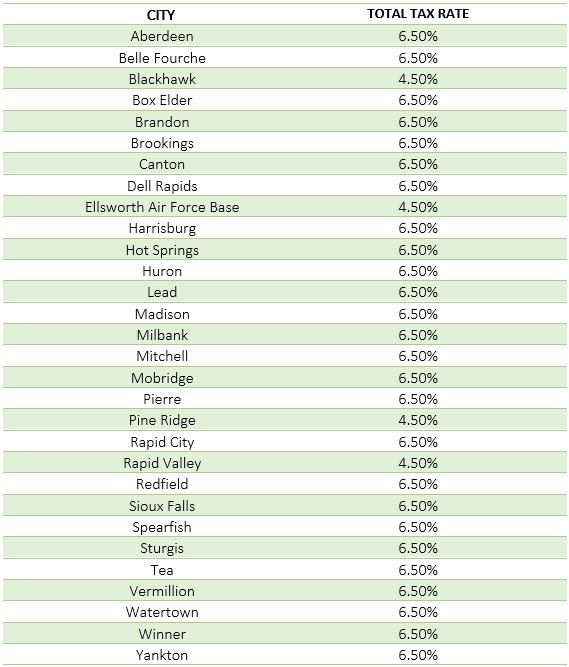
Beyond the state rate, many cities and counties in South Dakota levy their own local sales taxes. These local additions can range from 1% to 2% or even higher, pushing the combined sales tax rate into the 6% or even 8% range in some areas. For instance, popular tourist hubs like Rapid City and Sioux Falls have additional municipal sales taxes that apply to transactions within their city limits.
Furthermore, South Dakota has a specific tourism tax or municipal lodging tax that applies to accommodation. The state levies a 1.5% tourism tax on gross receipts from visitor-related businesses, which often includes lodging, admissions to attractions, and even some tour packages. Localities can also impose their own lodging taxes on top of this. For example, a city might have a 4% or 5% municipal lodging tax, bringing the total tax on your hotel room to a substantial percentage when combined with state sales tax and the state tourism tax. This multi-layered tax structure is particularly important for tourists to consider when planning their overnight stays.
What Tourists Can Expect to Pay Sales Tax On
The broad applicability of South Dakota’s sales tax means that most purchases and services you might engage with as a tourist will incur this additional charge. Understanding these common taxable items can help you mentally prepare for the total cost of your trip.
Retail Purchases and Souvenirs
Whether you’re picking up a t-shirt emblazoned with Mount Rushmore, a local artisan craft from Deadwood, or simply restocking on personal items at a convenience store, retail purchases are subject to sales tax. This includes everything from clothing and gifts to electronics and packaged snacks. Always factor in the additional percentage when eyeing that perfect memento of your South Dakota adventure.
Dining and Restaurants
Enjoying the local cuisine is a highlight of any trip, and South Dakota offers everything from hearty buffalo burgers to delicious local pies. However, every meal purchased at a restaurant, café, or fast-food establishment will have sales tax applied. This includes both dine-in and take-out orders. The combined state and local rates can make a noticeable difference in your total dining budget, especially if you plan to eat out frequently.
Accommodation (Hotel and Lodging Tax)
As previously mentioned, lodging in South Dakota is subject to a combination of taxes. This includes the statewide sales tax, the state tourism tax, and any applicable local lodging taxes. Whether you’re staying in a cozy bed-and-breakfast in the Black Hills, a modern hotel in Sioux Falls, or a rustic cabin near Custer State Park, expect these additional percentages to be added to your room rate. It’s wise to clarify the total price, including all taxes, when booking your stays to avoid any surprises at checkout.
Activities and Attractions
Admission fees for many of South Dakota’s incredible attractions are also subject to sales tax. This can include tickets to museums, historical sites, amusement parks, wildlife parks, and even certain guided tours. For example, a ticket to explore the caves at Jewel Cave National Monument or to experience a living history demonstration may incur sales tax. Always account for this when budgeting for your entertainment and experiential activities.
Exemptions and Surprises for Visitors
While South Dakota’s sales tax is broad, there are specific areas where exemptions apply or where the tax structure differs, which can be useful for visitors to understand.
Services vs. Goods
Generally, tangible personal property is taxable, and many services are also taxable in South Dakota. However, the definition of taxable services can sometimes be nuanced. While services like vehicle repair, dry cleaning, and even some professional services are typically taxed, other services might be exempt. As a tourist, common taxable services you’ll encounter include salon services, admission to entertainment venues, and often the labor portion of certain repairs if you happen to need them on the road. When in doubt, it’s always best to ask if a particular service includes sales tax.
Common Tourist Exemptions
One of the most notable exemptions in South Dakota that benefits tourists is the exemption for motor fuel. When you fill up your rental car or RV, you won’t pay the standard sales tax on gasoline or diesel, as these fuels are subject to separate excise taxes already built into the price at the pump. This can be a small but welcome saving for travelers covering long distances across the state.
Another important point, as mentioned earlier, is that most groceries are taxed in South Dakota. This is a departure from many states where unprepared food items are exempt. So, if you plan to save money by cooking some meals yourself at an Airbnb or campsite, remember that your grocery bill will still include sales tax. This can be a surprise for many first-time visitors to the state.
Budgeting for Sales Tax on Your South Dakota Trip
Smart budgeting is key to an enjoyable and stress-free vacation. Accounting for sales tax from the outset can prevent unexpected overspending and ensure you have enough funds for everything you want to do and see.
Planning Ahead
When estimating your expenses for a South Dakota trip, don’t just look at the advertised prices. Add an extra 6-8% (or even more for lodging in certain areas) to your estimated costs for retail, dining, and activities. If you know which cities you’ll be spending the most time in, research their specific local sales and lodging tax rates to get a more precise estimate. Resources from the South Dakota Department of Revenue can provide current tax rates by municipality. For example, if you anticipate spending $1,000 on shopping and dining in a city with an average 7% combined sales tax, budget an extra $70 for taxes.
Tools and Tips for Smart Spending
- Round Up: When estimating costs for individual items, mentally round up to the nearest dollar or consider adding a quick 5-10% to the price to get a rough idea of the final cost including tax.
- Use Budgeting Apps: Many travel budgeting apps allow you to factor in a general sales tax rate, which can help track your spending in real-time.
- Ask for Clarification: When making larger purchases or booking tours, don’t hesitate to ask if the quoted price includes all applicable taxes. This is especially useful for accommodation and multi-day packages.
- Consider Cash vs. Card: While the payment method doesn’t change the tax, some travelers find managing a cash budget easier for tracking smaller, everyday expenses where sales tax might otherwise be overlooked.
Economic Impact and Tourist Contributions
Every dollar you spend in South Dakota, including the sales tax portion, plays a vital role in the state’s economy and the communities you visit.
Funding Local Services
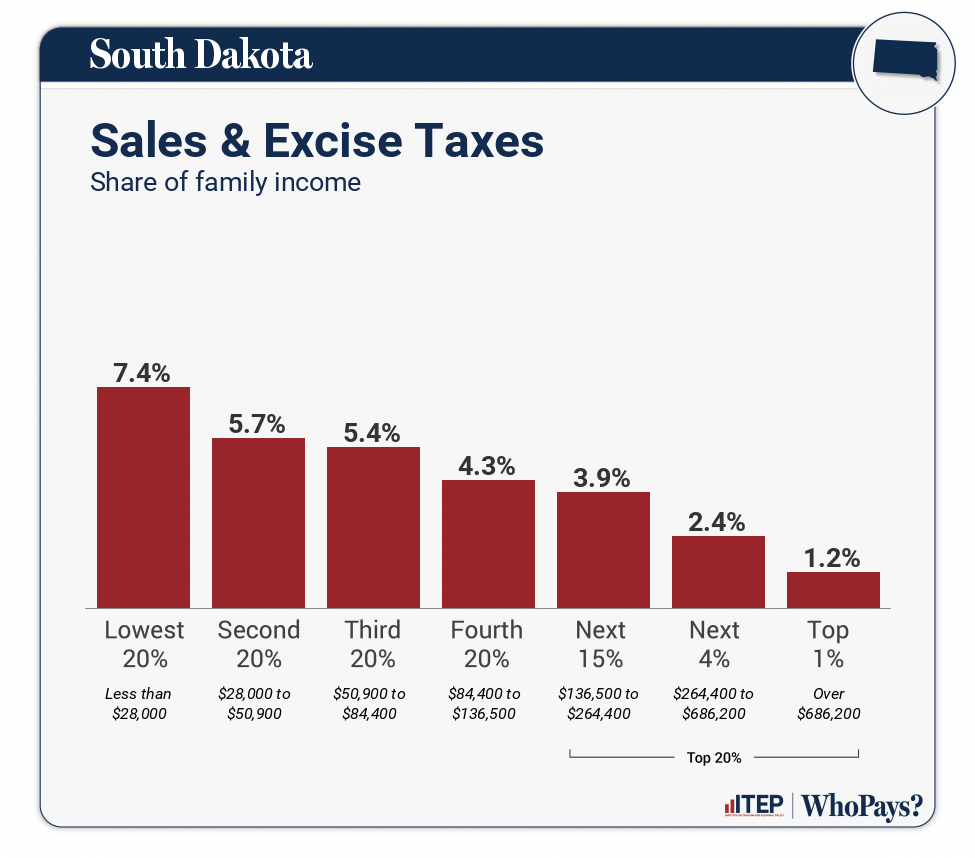
The sales tax collected by the state and its municipalities goes towards funding essential public services. This includes maintaining infrastructure like roads and parks, supporting public education, and providing emergency services. For tourists, this means that your contributions indirectly help maintain the very environment and amenities that make South Dakota an attractive destination.
Supporting Tourism Infrastructure
A significant portion of the tourism tax specifically funnels back into promoting South Dakota as a travel destination and enhancing the visitor experience. This can include funding for visitor centers, marketing campaigns, and improvements to popular tourist sites. By paying the sales and tourism taxes, you’re directly contributing to the continued appeal and development of the state’s vibrant tourism industry, ensuring that future travelers can enjoy the same, if not better, experiences.
Understanding the “What Is South Dakota Sales Tax?” question is more than just a financial exercise; it’s about appreciating the broader economic ecosystem that supports your travel adventures. By being informed, you can plan a more enjoyable, stress-free, and fiscally responsible trip through the heartland of America.
LifeOutOfTheBox is a participant in the Amazon Services LLC Associates Program, an affiliate advertising program designed to provide a means for sites to earn advertising fees by advertising and linking to Amazon.com. Amazon, the Amazon logo, AmazonSupply, and the AmazonSupply logo are trademarks of Amazon.com, Inc. or its affiliates. As an Amazon Associate we earn affiliate commissions from qualifying purchases.