
St. Augustine, Florida, often hailed as the “Oldest City in the United States,” is a captivating destination that whispers tales of centuries past. Its allure lies not in towering skyscrapers or bustling metropolises, but in its rich tapestry of history, its charming colonial architecture, and its unique blend of Spanish, British, and American influences. This northeastern Florida city, nestled along the Atlantic coast, is a living museum, inviting visitors to step back in time and experience a bygone era.
A Journey Through History: The Foundation and Evolution of St. Augustine
The story of St. Augustine is inextricably linked to its founding in 1565 by the Spanish explorer Don Pedro Menéndez de Avilés. This act marked the establishment of the first permanent European settlement in what is now the continental United States, predating even Jamestown by over four decades. The city’s strategic location, commanding views of the Matanzas Bay, made it a crucial stronghold for Spain in its efforts to control Florida and defend its vast New World empire.

The Spanish Colonial Era
Under Spanish rule, St. Augustine flourished as a military outpost and administrative center. The construction of the formidable Castillo de San Marcos began in the late 17th century, a testament to the city’s strategic importance. This iconic fortress, built from coquina, a shell-stone material, has withstood centuries of sieges and remains one of the most significant surviving Spanish colonial structures in the country. The city’s layout, with its narrow, winding streets and central plaza, reflects its Spanish heritage, a charming contrast to the grid-like planning of many American cities.
British and Re-Spanish Rule
Florida, and thus St. Augustine, changed hands several times. The British acquired Florida from Spain in 1763 through the Treaty of Paris, and St. Augustine served as the capital of British East Florida. During this period, several significant buildings were constructed, many of which still stand today. However, Spain regained control of Florida in 1783, and St. Augustine remained under Spanish dominion until the United States acquired the territory in 1821. Each period left an indelible mark on the city’s architecture, culture, and historical narrative.
Architectural Charm and Historical Landmarks
The architectural landscape of St. Augustine is a key element of its identity, offering a tangible connection to its diverse past. The city’s historical district is a picturesque labyrinth of cobblestone streets, vibrant Spanish-style homes, and venerable public buildings.
The Castillo de San Marcos National Monument
As mentioned, the Castillo de San Marcos is the undisputed crown jewel of St. Augustine’s historical sites. This star-shaped masonry fortress, a National Monument, is a UNESCO World Heritage Site candidate and a must-visit for any history enthusiast. Its imposing walls, moats, and gun decks transport visitors back to the days of muskets, cannons, and naval battles. Exploring its casemates and bastions offers a profound understanding of colonial defense strategies and the daily lives of soldiers stationed there.
St. George Street and the Colonial Quarter
St. George Street is the vibrant heart of St. Augustine’s historic district. This pedestrian-only thoroughfare is lined with a delightful array of shops, restaurants, galleries, and historical interpreters. It’s here that visitors can truly immerse themselves in the city’s ambiance. Adjacent to St. George Street is the Colonial Quarter, an interactive living history museum that brings the 16th, 17th, and 18th centuries to life. Costumed interpreters demonstrate colonial crafts, historical reenactments, and offer insights into the daily lives of early settlers.
The Oldest Wooden School House
Another significant landmark is the Oldest Wooden School House, a charming and humble structure dating back to the early 18th century. It offers a glimpse into the educational practices of the colonial era, showcasing period artifacts and wax figures depicting students and their teacher. Its unassuming presence belies its historical importance as a site of early education in the fledgling colony.
Lightner Museum and Flagler College
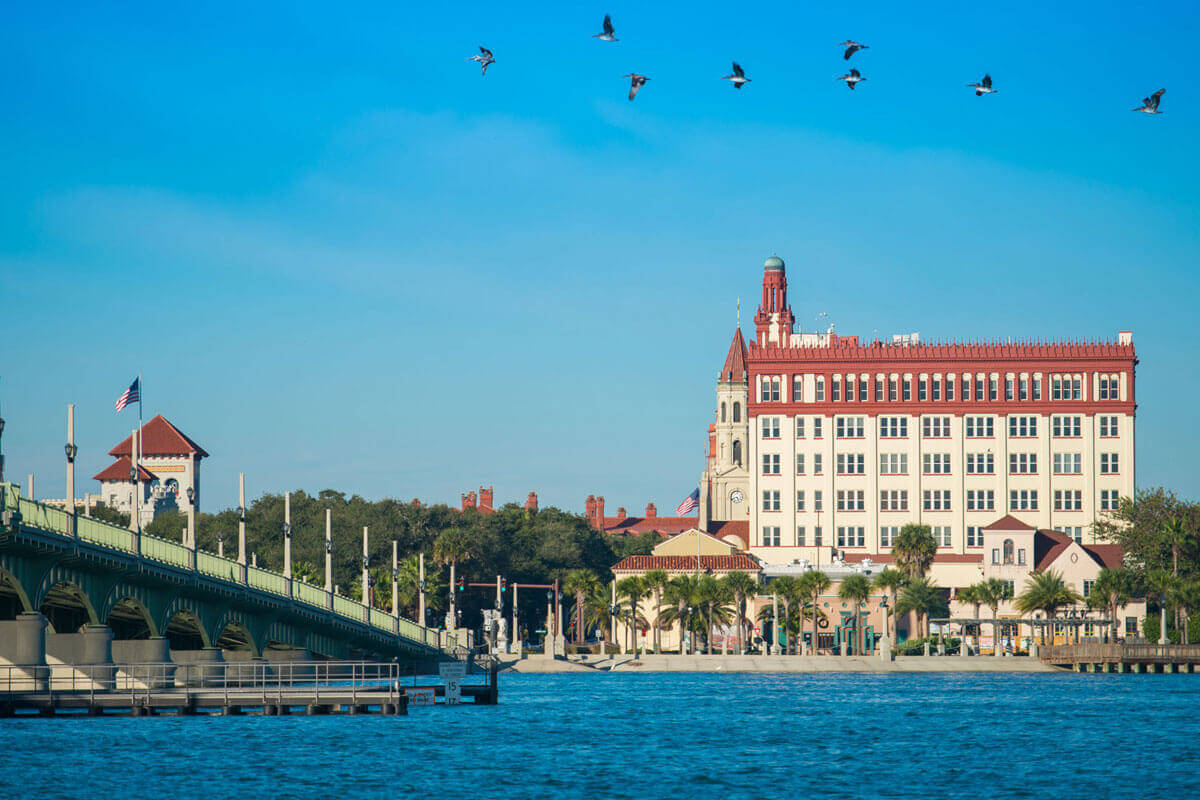
Beyond the purely military and residential, St. Augustine boasts cultural institutions that enrich its historical narrative. The Lightner Museum, housed in the opulent former Alcazar Hotel built by Henry Flagler, showcases an eclectic collection of Gilded Age treasures, including stained glass, decorative arts, and an impressive array of Victorian-era memorabilia. Across the street, Flagler College, itself a historic landmark, was originally the Ponce de Leon Hotel, another of Flagler’s grand vision projects. The stunning Spanish Renaissance architecture, intricate tilework, and Tiffany stained-glass windows of the college’s historic buildings are a visual feast.
Unique Attractions and Experiences
St. Augustine offers more than just historical sites; it provides a range of unique attractions and experiences that contribute to its distinctive character.
The Fountain of Youth Archaeological Park
The legend of the Fountain of Youth has long been associated with Juan Ponce de León‘s arrival in Florida in 1513. While the actual existence of a magical fountain remains a matter of myth, the Fountain of Youth Archaeological Park offers a fascinating historical and archaeological exploration. Visitors can see native Timucua burial grounds, a planetarium, and exhibits detailing the early settlement of the area, all while enjoying the scenic waterfront setting.
The Old Jail and St. Augustine History Museum
For a slightly darker, yet equally fascinating, historical perspective, the Old Jail provides a glimpse into the penal system of the late 19th and early 20th centuries. Tours are led by costumed interpreters who recount tales of infamous inmates and prison life. Adjacent to the jail, the St. Augustine History Museum delves deeper into the city’s past with a diverse collection of artifacts and exhibits.
Ghost Tours and Haunted History
St. Augustine is renowned for its vibrant ghost stories and purported hauntings, earning it the title of one of the most haunted cities in America. Numerous ghost tours operate nightly, guiding visitors through dimly lit streets and historic buildings, sharing chilling tales of spirits and spectral encounters. This supernatural element adds another layer to the city’s mystique and attracts those intrigued by the paranormal.
The Alligator Farm Zoological Park
While not strictly historical, the Alligator Farm Zoological Park is a long-standing St. Augustine attraction, established in 1893. It provides an opportunity to see a wide variety of alligators, crocodiles, and other reptiles, as well as exotic birds and mammals. It’s a unique addition to the city’s offerings, reflecting a more recent, yet established, aspect of its appeal.
Culinary Delights and Local Flavors
The culinary scene in St. Augustine reflects its rich history and coastal location. From fresh seafood to traditional Spanish-inspired dishes, the city offers a diverse gastronomic experience.
Spanish and Mediterranean Influences
Given its Spanish heritage, it’s no surprise that many restaurants feature Spanish and Mediterranean cuisine. Dishes like paella, tapas, and freshly caught seafood prepared with olive oil, garlic, and local herbs are common. The emphasis is often on fresh, seasonal ingredients, with a particular focus on the bounty of the Atlantic Ocean.
Southern Charm and American Staples
Alongside its European influences, St. Augustine also embraces classic Southern fare. Expect to find delightful shrimp and grits, barbecue, and other regional specialties. The city’s culinary landscape is a harmonious blend of its various historical periods and its geographic setting.

Conclusion: A Timeless Destination
St. Augustine, Florida, is far more than just a collection of old buildings; it’s a destination that offers an immersive journey into the past. Its continuous habitation for over 450 years makes it a unique living history lesson. From the imposing ramparts of the Castillo de San Marcos to the charming streets of the historic district, the city captivates with its enduring legacy. Its architectural beauty, rich cultural tapestry, and unique attractions combine to create an unforgettable travel experience, solidifying its reputation as a cornerstone of American history and a truly timeless destination.
LifeOutOfTheBox is a participant in the Amazon Services LLC Associates Program, an affiliate advertising program designed to provide a means for sites to earn advertising fees by advertising and linking to Amazon.com. Amazon, the Amazon logo, AmazonSupply, and the AmazonSupply logo are trademarks of Amazon.com, Inc. or its affiliates. As an Amazon Associate we earn affiliate commissions from qualifying purchases.