
The Sunshine State is renowned for its vibrant landscapes, iconic theme parks, and stretches of sun-drenched coastline. But beyond the buzzing energy of Orlando and the pristine beaches of the Florida Keys, Florida holds a distinct symbol of its natural beauty and heritage: its state flower. This delicate bloom represents not just the state’s botanical richness but also a piece of its history and identity. So, what is the state flower of Florida?
The Cherished Blossom: Orange Blossom
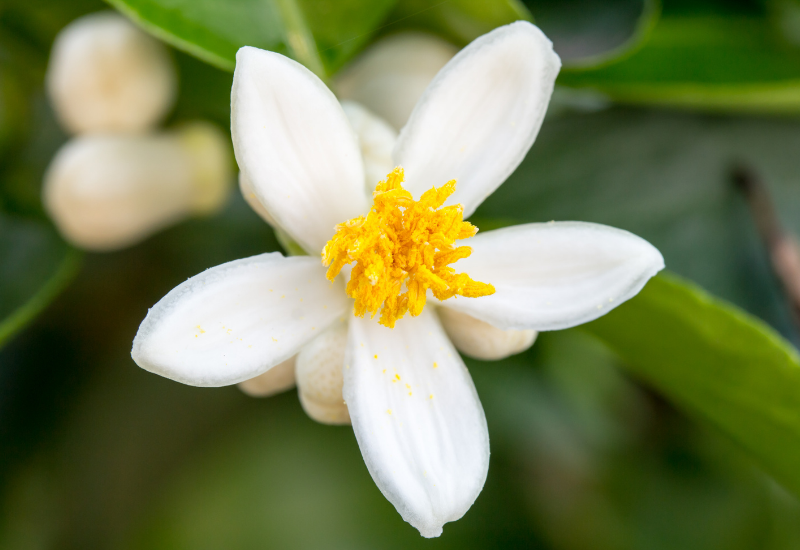
The official state flower of Florida is the Orange Blossom. This fragrant white flower, native to Asia, was adopted as the state flower in 1909. Its selection speaks volumes about Florida‘s historical and economic significance as a major producer of citrus fruits, particularly oranges. The sweet, intoxicating scent of the Orange Blossom is inextricably linked to the state’s identity, evoking images of sprawling citrus groves that once defined much of its landscape.
A Symbol of Abundance and Sweetness
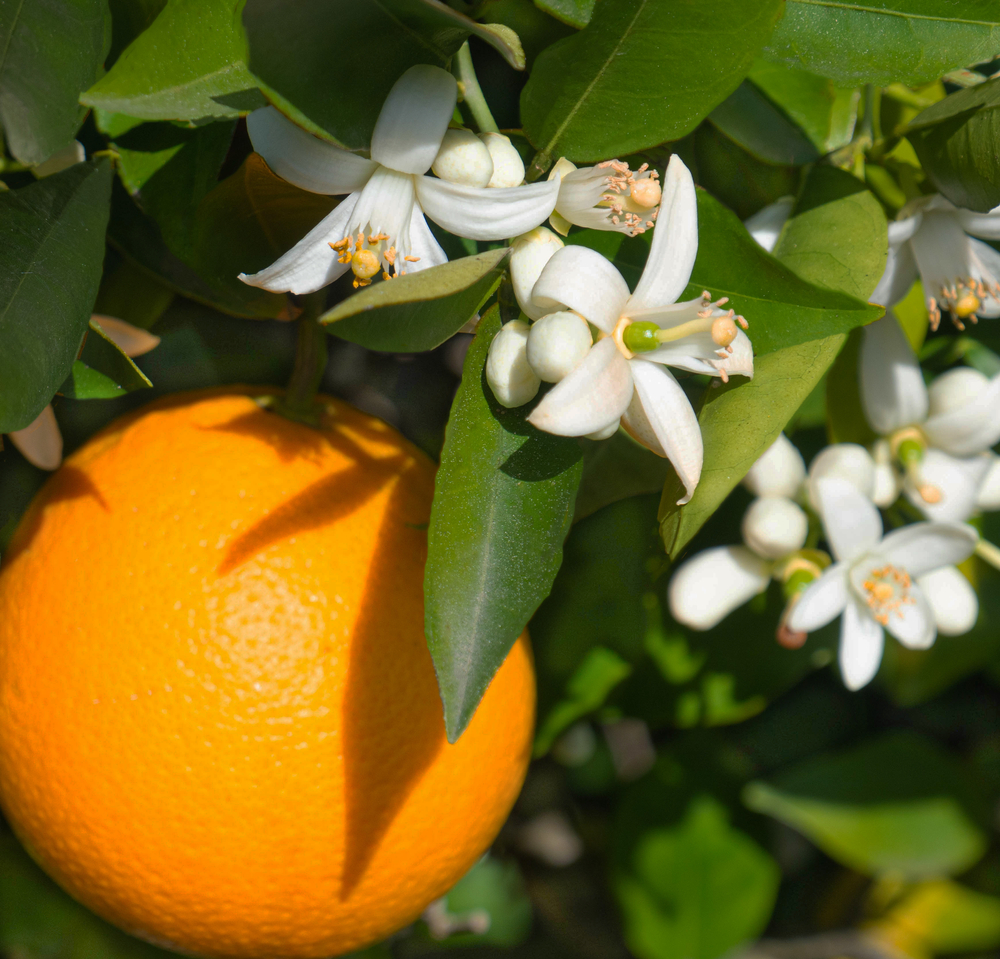
The Orange Blossom is more than just a pretty flower; it is a symbol of Florida‘s agricultural prowess and the sweet bounty it has historically provided. For decades, Florida was a leading global supplier of oranges, and the blossoms that preceded these fruits were a constant, fragrant reminder of this prosperity. The visual of vast fields of orange trees adorned with these white, star-shaped flowers is a classic Florida scene, deeply embedded in the collective memory of the state and its visitors.
The bloom itself is a marvel of nature. Typically appearing in clusters, the Orange Blossom is small, with five waxy white petals. Its most striking feature, however, is its powerful and distinctive fragrance. This aromatic quality has made it a popular ingredient in perfumes, essential oils, and even in culinary applications, adding a touch of Florida‘s essence to a variety of products. The scent is often described as sweet, delicate, and slightly spicy, a truly unique olfactory experience.
Historical Significance and Adoption
The journey to the Orange Blossom becoming Florida‘s state flower was rooted in its agricultural prominence. As Florida developed its citrus industry, the Orange Blossom became an emblem of this success. While other flowers might have been considered, the deep-seated connection between the Orange Blossom and the state’s economy and identity made it the natural choice. The legislative act of 1909 officially designated it as the state flower, solidifying its place in Florida‘s symbols.
This designation wasn’t merely an aesthetic choice; it was a recognition of the industry that shaped much of Florida‘s early development. The groves, the workers, and the economic impact of citrus all contributed to the decision. The Orange Blossom became a visual representation of this vital agricultural sector, its delicate beauty contrasting with the robust industry it represented.
Exploring the Citrus Heritage: Beyond the Blossom
While the Orange Blossom is the official flower, understanding its significance requires delving into Florida‘s rich citrus heritage. This heritage extends beyond the bloom to the fruits themselves and the landscapes they inhabit.
Citrus Groves: Then and Now
Historically, Florida was dotted with vast citrus groves, stretching for miles and contributing significantly to the state’s economy. These groves were not only agricultural powerhouses but also beautiful landscapes, especially during the spring when the Orange Blossoms were in full bloom. Travelers would often remark on the intoxicating scent that permeated the air.
Today, while the citrus industry continues, it has faced challenges from freezes, diseases like citrus greening, and land development. Nevertheless, pockets of these historic groves still exist, and dedicated efforts are underway to preserve and revitalize this crucial aspect of Florida‘s agricultural identity. Visiting some of these remaining groves, perhaps even taking a tour, offers a tangible connection to the origins of the state flower and the industry it represents.
Exploring Citrus-Themed Attractions and Experiences
The legacy of Florida‘s citrus industry can be experienced in various ways, offering travelers unique insights into this aspect of local culture and tourism.
- Florida Citrus Tower in Clermont: This iconic landmark, once overlooking acres of citrus groves, still offers panoramic views of the surrounding countryside, reminding visitors of the state’s agricultural past. While the groves might not be as expansive as they once were, the tower stands as a testament to the industry’s former glory.
- Harry P. Leu Gardens in Orlando: This botanical garden features a variety of citrus trees, allowing visitors to see different varieties and learn about their cultivation. It’s a peaceful retreat that connects to the natural beauty of Florida.
- Local Farmers Markets: Many of Florida‘s farmers markets offer fresh citrus directly from growers. Here, one can find a variety of oranges, grapefruits, tangerines, and other citrus fruits, along with potential Orange Blossom honey and other related products. It’s a great way to taste the sweetness that the Orange Blossom promises.
- Citrus-Themed Festivals: Throughout the year, various communities in Florida host festivals celebrating citrus. These events often feature local food, crafts, music, and, of course, an abundance of citrus fruits and products. They offer a lively immersion into Florida‘s agricultural traditions.
The Orange Blossom in Florida Tourism and Lifestyle
The Orange Blossom‘s influence extends into Florida‘s tourism and lifestyle, subtly weaving its fragrant charm into the visitor experience.
Aromatic Allure: Perfumes and Souvenirs
The distinct scent of the Orange Blossom is often captured in local perfumes, candles, and soaps, becoming a sought-after souvenir for those wishing to take a piece of Florida‘s aroma home. These products allow visitors to relive the fragrant experience of walking through citrus groves or simply enjoying the pleasant Florida air. Many hotels and gift shops across the state offer these scented items, making them easily accessible.
Culinary Delights: From Marmalade to Cocktails
The Orange Blossom‘s essence also finds its way into Florida‘s culinary scene. While the fruit is more commonly used, the floral notes can be subtly incorporated into desserts, jams, marmalades, and even cocktails. Orange Blossom honey, produced by bees that forage on Orange Blossoms, is a particularly prized local delicacy, offering a unique floral sweetness. Exploring the local cuisine in Florida might reveal these subtle yet delightful uses of the state flower’s essence.
The Orange Blossom Trail: A Journey Through History and Nature
While not an official, marked trail in the same way as national parks, the concept of an “Orange Blossom Trail” often refers to the historic areas of Florida that were once dominated by citrus groves. Travelers interested in this aspect of Florida‘s history can explore regions like Central Florida, where remnants of these groves and related agricultural history can still be found. This might involve visiting smaller towns with a strong agricultural past, exploring local museums, or simply driving through areas that still retain a connection to citrus cultivation.
For those planning a trip, seeking out accommodations in areas with a strong agricultural background can offer a more immersive experience. While major cities like Miami and Tampa offer world-class entertainment and luxury resorts, venturing into smaller towns and rural areas can provide a more intimate glimpse into Florida‘s natural and cultural heritage, often including its citrus legacy.

Beyond the Bloom: Other Notable Florida Flora
While the Orange Blossom proudly holds the title of state flower, Florida is home to an extraordinary diversity of plant life, much of which is equally captivating and significant to its natural beauty. Exploring Florida‘s natural landmarks and parks reveals a vibrant tapestry of native flora.
- The Sabal Palm: While not the state flower, the Sabal Palm is Florida‘s state tree, a stately and iconic symbol of the Sunshine State. It’s a common sight along Florida‘s coastlines and inland, contributing to the characteristic tropical feel of many landscapes.
- Wild Orchids: Florida boasts a surprising number of native wild orchid species, many of which are delicate and rare. These can be found in shaded, humid environments, particularly in areas like the Everglades.
- Mangroves: These salt-tolerant trees are crucial to Florida‘s coastal ecosystems, forming vital nurseries for marine life and protecting shorelines. They are a defining feature of much of Florida‘s coastline, particularly in the southern parts of the state.
- Water Lilies and Cypress Trees: In Florida‘s freshwater ecosystems, water lilies add splashes of color, while the iconic cypress trees, often draped in Spanish moss, create a unique and mystical atmosphere in swamps and along riverbanks.
Understanding the Orange Blossom as Florida‘s state flower is an invitation to explore a deeper layer of the state’s identity, one that is deeply rooted in its natural resources, agricultural history, and the enduring sweetness of its most fragrant bloom. Whether you’re visiting for the theme parks, the beaches, or a taste of local culture, the Orange Blossom serves as a fragrant reminder of the Sunshine State‘s unique charm.
LifeOutOfTheBox is a participant in the Amazon Services LLC Associates Program, an affiliate advertising program designed to provide a means for sites to earn advertising fees by advertising and linking to Amazon.com. Amazon, the Amazon logo, AmazonSupply, and the AmazonSupply logo are trademarks of Amazon.com, Inc. or its affiliates. As an Amazon Associate we earn affiliate commissions from qualifying purchases.