
For anyone considering making Colorado their home, establishing a business, or even embarking on an extended stay for work or leisure, understanding the state’s income tax structure is a fundamental aspect of sound financial planning. This isn’t just a bureaucratic detail; it’s a critical component that shapes your overall budget, influences lifestyle choices, and impacts everything from the feasibility of a long-term “budget travel” plan to the financial viability of “business stays” in the Centennial State. Navigating the specifics of state income tax allows individuals to make informed decisions about residency, remote work arrangements, and the overall cost of living. Colorado stands out with its distinct approach to income taxation, differentiating it from many other states. This article will delve into the intricacies of Colorado state income tax, providing insights crucial for anyone whose lifestyle or business interests intersect with the state’s financial landscape.
Understanding Colorado’s Flat Tax System
One of the most defining characteristics of Colorado’s state income tax system is its flat tax rate. Unlike many states that employ a progressive tax structure—where higher earners pay a larger percentage of their income in taxes—Colorado maintains a uniform rate for all taxable income, regardless of the amount. This simplifies the tax calculation for residents and non-residents alike, offering a predictable financial outlook that can be beneficial for lifestyle planning.
The Uniform Rate
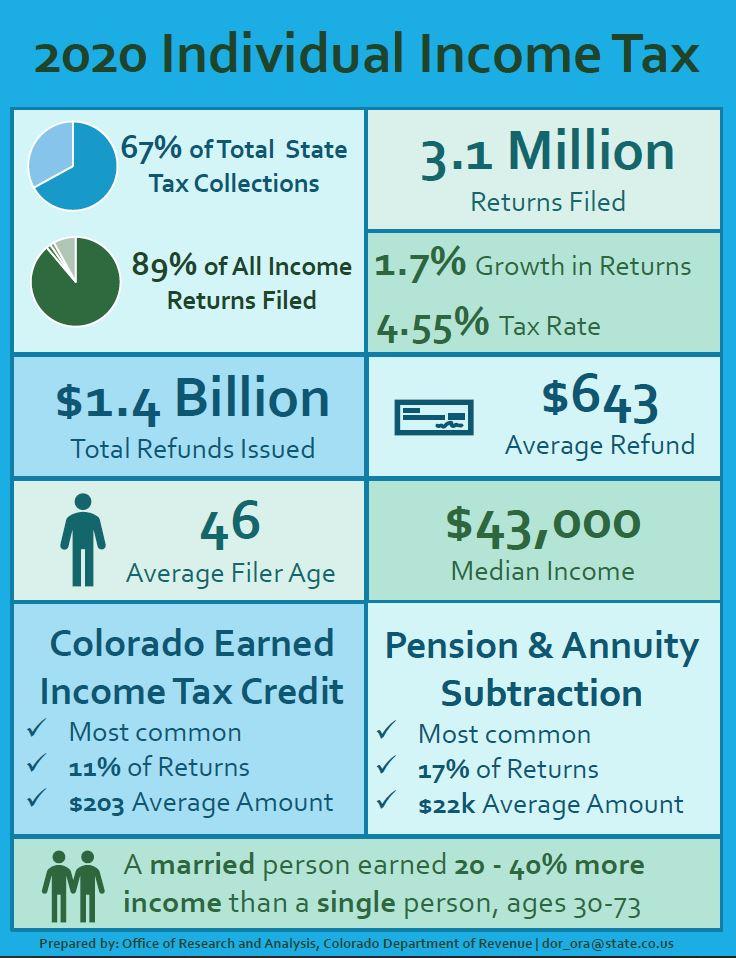
As of recent legislative adjustments, Colorado’s state income tax rate has typically hovered around 4.4% to 4.55%. It’s a flat percentage applied to an individual’s federal taxable income, with specific state adjustments. This means whether you earn $50,000 or $500,000, the same percentage of your adjusted gross income will be directed towards state income tax. This consistency can be a significant factor for individuals engaged in “luxury travel” or high-income earners considering relocation, as it provides a clear, predictable ceiling on their state tax burden compared to states with steeply progressive brackets. For “budget travel” enthusiasts or those planning modest “family trips” with an eye on future relocation, this flat rate helps in projecting disposable income more accurately.
Who Pays Income Tax in Colorado?
The obligation to pay Colorado state income tax hinges primarily on your residency status and the source of your income. Understanding these distinctions is paramount for anyone spending significant time in the state, whether for a temporary “business stay” or a permanent move.
- Residents: If you consider Colorado your permanent home, you are generally considered a resident and must pay Colorado income tax on all your income, regardless of where it was earned. This includes wages, investment income, and any other taxable income.
- Non-Residents: Individuals who do not reside in Colorado but earn income from Colorado sources (e.g., income from property located in Colorado, business conducted within the state, or wages for work performed in Colorado) are required to pay Colorado income tax only on that [Colorado]-sourced income. This is especially relevant for remote workers who might be physically present in Colorado for an extended period, or for those managing properties in the state while living elsewhere.
- Part-Year Residents: If you move into or out of Colorado during the tax year, you are a part-year resident. You will typically pay Colorado income tax on all income earned while you were a Colorado resident, plus any [Colorado]-sourced income earned during the non-resident portion of the year.
The rise of remote work has particularly highlighted the importance of these distinctions. A digital nomad on an extended “business stay” in Denver might unexpectedly incur Colorado tax obligations if their stay extends beyond certain thresholds, even if their employer is based out-of-state. This makes understanding residency rules crucial for managing one’s “lifestyle” effectively.
Key Deductions, Exemptions, and Credits for Colorado Taxpayers
While Colorado boasts a flat tax rate, it also provides various mechanisms—deductions, exemptions, and credits—that can reduce your taxable income and, consequently, your overall tax liability. Leveraging these can significantly impact your disposable income, making a noticeable difference for your “budget travel” plans, daily expenses, or even major “family trips” within the state.
Standard and Itemized Deductions
Similar to federal income tax, Colorado allows taxpayers to reduce their taxable income through deductions.
- Standard Deduction: Colorado offers its own standard deduction, which is a fixed amount that taxpayers can subtract from their adjusted gross income (AGI). This amount varies based on filing status (single, married filing jointly, etc.). For many taxpayers, especially those with simpler financial situations, claiming the standard deduction is the most straightforward and often most beneficial option.
- Itemized Deductions: While Colorado no longer allows taxpayers to itemize deductions on their state return if they claim the standard deduction on their federal return, there are specific circumstances and older provisions where federal itemized deductions might have influenced the state return. It’s essential to consult the latest Colorado Department of Revenue guidelines or a tax professional to understand how federal itemization impacts your Colorado tax situation today. Generally, Colorado’s current system aims for simpler alignment with federal AGI before state-specific adjustments.
Understanding which deduction strategy best suits your financial lifestyle—whether you’re managing a tight “budget travel” fund or a more expansive “luxury travel” portfolio—is vital for optimizing your tax outcome.
Common State-Specific Credits
Beyond deductions, Colorado offers several tax credits designed to benefit specific groups of taxpayers or incentivize certain behaviors. Credits directly reduce the amount of tax you owe, dollar for dollar, making them particularly valuable.

- Colorado Earned Income Tax Credit (EITC): Mirroring the federal EITC, Colorado provides its own version to assist low-to-moderate-income working individuals and families. This credit can be refundable, meaning if the credit amount exceeds your tax liability, you could receive the difference as a refund, which is a substantial boost for managing a tight “budget travel” or daily living budget.
- Property Tax/Rent/Heat Credit (PTC): This credit is available to eligible senior citizens, disabled persons, and surviving spouses who meet certain income requirements. It helps offset a portion of property taxes paid, rent paid, or heat expenses, directly supporting the living expenses of vulnerable populations and impacting their financial “lifestyle.”
- Child Care Expenses Credit: Colorado also offers a credit for child care expenses, providing relief for families, which is a significant factor for those planning “family trips” or managing household budgets.
- Enterprise Zone Credits: While primarily aimed at businesses, certain enterprise zone credits can apply to individuals who work within designated economically distressed areas, providing an incentive for local employment and potentially influencing where one chooses to live or work.
These credits are not merely tax breaks; they are integral to the financial landscape of [Colorado](https://lifeoutofthebox.com/colorado], influencing economic decisions and supporting various “lifestyles” from family-oriented households to seniors managing fixed incomes.
How Colorado’s Income Tax Impacts Your Lifestyle and Financial Planning
The state income tax system in Colorado plays a significant role in shaping personal finance and overall lifestyle choices within the state. Its flat rate and specific credits contribute to a distinct financial environment that can either attract or deter individuals based on their financial goals and living preferences.
Budgeting and Cost of Living
For individuals and families considering a move to Colorado or evaluating the financial implications of a long-term “lifestyle” there, understanding the state income tax is crucial for accurate budgeting. The flat tax rate can be a double-edged sword:
- Predictability: It offers a clear picture of your state tax burden, making it easier to forecast disposable income compared to states with complex progressive systems. This predictability is valuable for all “lifestyle” categories, from managing “budget travel” to planning for significant investments.
- Impact on Different Income Levels: While the flat rate simplifies calculations, its impact can feel different across income brackets. Lower-income individuals might find the EITC and other credits essential to mitigate the impact of the flat tax, helping them maintain a viable “budget travel” or daily living standard. Higher earners, on the other hand, might appreciate the absence of higher marginal tax rates common in other states, potentially making [Colorado](https://lifeoutofthebox.com/colorado] more attractive for “luxury travel” and investment-focused lifestyles.
When assessing the overall cost of living in Colorado, state income tax must be considered alongside housing costs, property taxes, and sales taxes. A lower income tax rate can partially offset other expenses, making the state financially feasible for a broader range of “lifestyles.”
Remote Work and Business Stays
The landscape of work has evolved dramatically, with remote work and extended “business stays” becoming increasingly common. Colorado’s income tax rules have significant implications for individuals pursuing these “lifestyle” options.
- Nexus for Remote Workers: If you work remotely for an out-of-state employer but reside in Colorado, your wages are typically subject to Colorado income tax. Conversely, if you live outside Colorado but perform work physically within the state (even temporarily), you might incur a Colorado tax liability on the income earned for the work performed in Colorado. This is a critical consideration for digital nomads or those on extended “business stays” in Colorado cities like Boulder or Colorado Springs.
- Multi-State Taxation: Individuals who live in one state but work in another (including remote work scenarios) often face complex multi-state taxation issues. Colorado typically allows residents to claim a credit for taxes paid to other states on income also taxed by Colorado, preventing double taxation. However, navigating these rules requires careful attention to detail and often professional advice, especially for those whose “lifestyle” involves frequent travel or cross-state employment.
- Employer Obligations: Employers with remote workers in Colorado may also face obligations to withhold Colorado income tax, even if the company itself is not physically located in the state. This highlights the intertwined nature of individual and business tax compliance, crucial for both “business stays” and broader economic “lifestyle” considerations.
For anyone adopting a flexible work “lifestyle,” understanding these tax implications is not just about compliance but also about optimizing personal finances and avoiding unexpected tax burdens that could disrupt “budget travel” plans or impact the profitability of “business stays.”
Filing Your Colorado State Income Tax Return
The final step in managing your Colorado state income tax obligations is the accurate and timely filing of your tax return. This process, while seemingly routine, is essential for maintaining good standing with the state and ensuring your financial “lifestyle” remains unburdened by penalties or missed opportunities for refunds.
Required Forms and Deadlines
Most individual taxpayers in Colorado will file Form DR 0104, the Colorado Individual Income Tax Return. This form allows you to report your income, claim deductions and credits, and calculate your final tax liability or refund.
- Typical Deadline: The filing deadline for Colorado state income tax returns generally aligns with the federal deadline, which is April 15th of each year for income earned in the previous calendar year. If April 15th falls on a weekend or holiday, the deadline is typically extended to the next business day.
- Extensions: If you need more time, you can typically file an extension with the Colorado Department of Revenue. While an extension grants you more time to file, it does not extend the time to pay any taxes owed. It’s crucial to estimate and pay any outstanding tax by the original deadline to avoid interest and penalties.
Timely filing and payment are non-negotiable for anyone whose “lifestyle” or “business stays” bring them within [Colorado](https://lifeoutofthebox.com/colorado]’s tax jurisdiction.

Resources for Taxpayers
Navigating state tax laws can be complex, especially for newcomers or those with multi-state tax situations. Fortunately, several resources are available to assist [Colorado](https://lifeoutofthebox.com/colorado] taxpayers:
- Colorado Department of Revenue: The official website of the Colorado Department of Revenue (CDOR) is an invaluable resource, offering forms, instructions, FAQs, and publications detailing current tax laws.
- Tax Software: Most major tax preparation software (e.g., TurboTax, H&R Block, TaxAct) support [Colorado](https://lifeoutofthebox.com/colorado] state tax returns, making the filing process more streamlined for individuals.
- Professional Tax Advisors: For complex situations—such as those involving self-employment income, significant investment gains, multi-state residency, or substantial “business stays”—consulting with a qualified tax professional is highly recommended. A Certified Public Accountant (CPA) specializing in [Colorado](https://lifeoutofthebox.com/colorado] tax law can provide personalized advice, ensure compliance, and help optimize your tax strategy to support your “lifestyle” and financial goals.
Understanding and fulfilling your state income tax obligations is a fundamental aspect of responsible financial management in Colorado. Whether you’re planning a lifetime in the state, a seasonal “budget travel” adventure, or an essential “business stay,” a clear grasp of these tax principles is vital for sustained financial well-being and a hassle-free “lifestyle.”
LifeOutOfTheBox is a participant in the Amazon Services LLC Associates Program, an affiliate advertising program designed to provide a means for sites to earn advertising fees by advertising and linking to Amazon.com. Amazon, the Amazon logo, AmazonSupply, and the AmazonSupply logo are trademarks of Amazon.com, Inc. or its affiliates. As an Amazon Associate we earn affiliate commissions from qualifying purchases.