
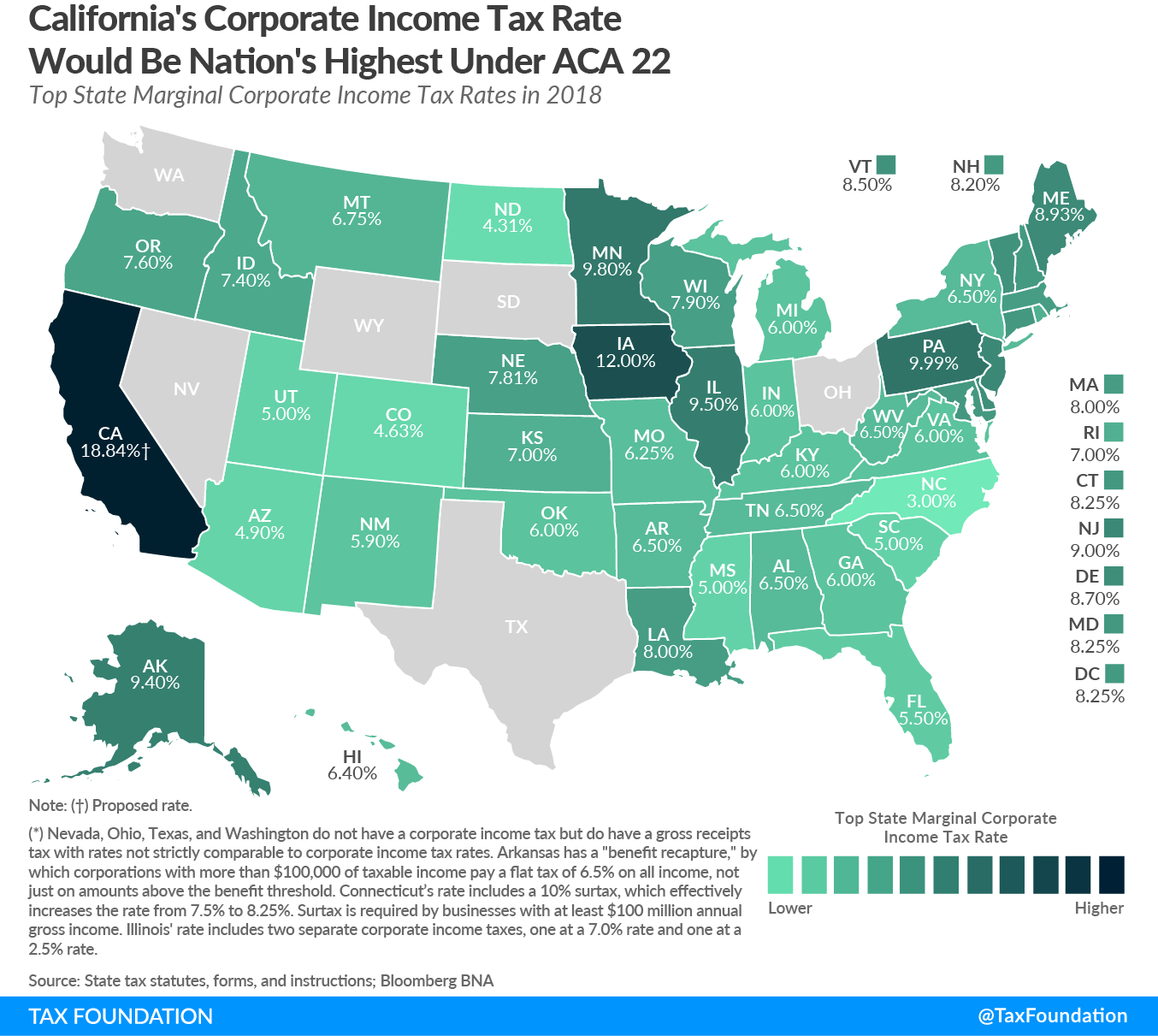
While the allure of the Golden State often conjures images of sun-drenched beaches, world-class theme parks, and breathtaking natural wonders, a practical aspect of visiting or residing in California that often prompts inquiry is its tax structure, specifically the state sales tax rate. Understanding this rate is crucial for budgeting, whether you’re planning a leisurely vacation exploring Disneyland or considering a longer-term accommodation in a vibrant city like Los Angeles or San Francisco. This article delves into California’s state tax rate, exploring its implications for travelers, residents, and businesses alike, and how it intersects with the myriad experiences offered within this diverse state.
Understanding the California State Sales Tax Rate
At its core, the state sales tax rate in California is a percentage levied on the retail sale of tangible personal property. This tax is then remitted to the state by the seller. It’s important to note that the state sales tax is just one component of the total sales tax burden; local jurisdictions within California can, and frequently do, impose additional district taxes. This means the actual sales tax you pay at the register will often be higher than the base state rate.
The Base State Sales Tax Rate
As of the most recent information available, the statewide base sales tax rate in California stands at 7.25%. This rate applies to most purchases of tangible goods and some services. For instance, when you purchase souvenirs in Hollywood, dine at a restaurant in Napa Valley, or book a hotel room in San Diego, the 7.25% state rate will be applied. This fundamental understanding is the starting point for anyone trying to calculate the final cost of their transactions in the Golden State.
The Impact of Local and District Taxes
The true complexity of California’s sales tax arises from the overlay of local and district taxes. These additional taxes are established by various city and county governments to fund local services, infrastructure projects, or special districts, such as public transportation or improvement areas. As a result, the combined sales tax rate can vary significantly from one locality to another.
For example, a purchase made in downtown Los Angeles might be subject to a higher total sales tax than a purchase in a more rural part of the state. The California Department of Tax and Fee Administration (CDTFA) is responsible for administering these taxes and provides resources to help taxpayers understand the specific rates applicable to different areas. Travelers planning an itinerary that spans multiple cities, perhaps including a visit to the majestic Yosemite National Park and then a trip to the tech-centric hub of San Jose, should be aware that the sales tax applied to their purchases might differ. This is especially relevant when considering the purchase of larger items, where even a small percentage difference can translate into a notable sum.
What is Taxed and What is Exempt?
Generally, most tangible personal property is subject to sales tax. This includes items like clothing, electronics, furniture, and vehicles. However, there are notable exceptions and exemptions that are important for consumers and businesses to understand.
Common Taxable Items
When you’re exploring the diverse offerings of California, from the bustling streets of San Francisco to the serene landscapes of the Big Sur, many of your purchases will incur sales tax. This includes:
- Retail Goods: Clothing, accessories, electronics, books, toys, home goods, and most general merchandise.
- Vehicles: The purchase of new or used cars, motorcycles, and recreational vehicles is subject to sales tax.
- Prepared Food: Food purchased from restaurants, cafes, and food trucks is generally taxed. This contrasts with most grocery store items, which are often exempt.
- Tangible Personal Property Leased or Rented: When you rent a car for a road trip along the Pacific Coast Highway or rent equipment for an outdoor adventure, sales tax typically applies.
- Services Incorporated into Tangible Personal Property: If a service involves the creation or modification of a tangible item, the cost of the service may be taxed as part of the final product.
Common Exemptions
Understanding what is not taxed can be as important as knowing what is. California offers several key exemptions to help alleviate tax burdens on essential items or to encourage specific economic activities.
- Most Grocery Items: Basic food items intended for home consumption, such as fruits, vegetables, bread, milk, and meat, are generally exempt from state sales tax. This exemption is a significant relief for households stocking up on groceries.
- Prescription Drugs and Medical Supplies: Medications prescribed by a doctor and certain medical supplies are typically exempt from sales tax.
- Certain Agricultural Products: Unprocessed agricultural products sold by the producer may be exempt.
- Occasional Sales: Sales made by individuals who are not in the business of selling certain items (e.g., selling a used bicycle at a garage sale) may be exempt under specific conditions.
- Interstate Commerce: Sales of tangible personal property shipped out of California to another state or country are generally exempt from California sales tax, provided the seller does not have a taxable presence (nexus) in the destination state.
- Certain Services: Many professional and personal services are not subject to sales tax in California, though this can be a complex area with specific rules. For example, many professional services rendered to businesses, such as legal or accounting services, are not taxed.
How the State Tax Rate Affects Travel and Lifestyle Choices
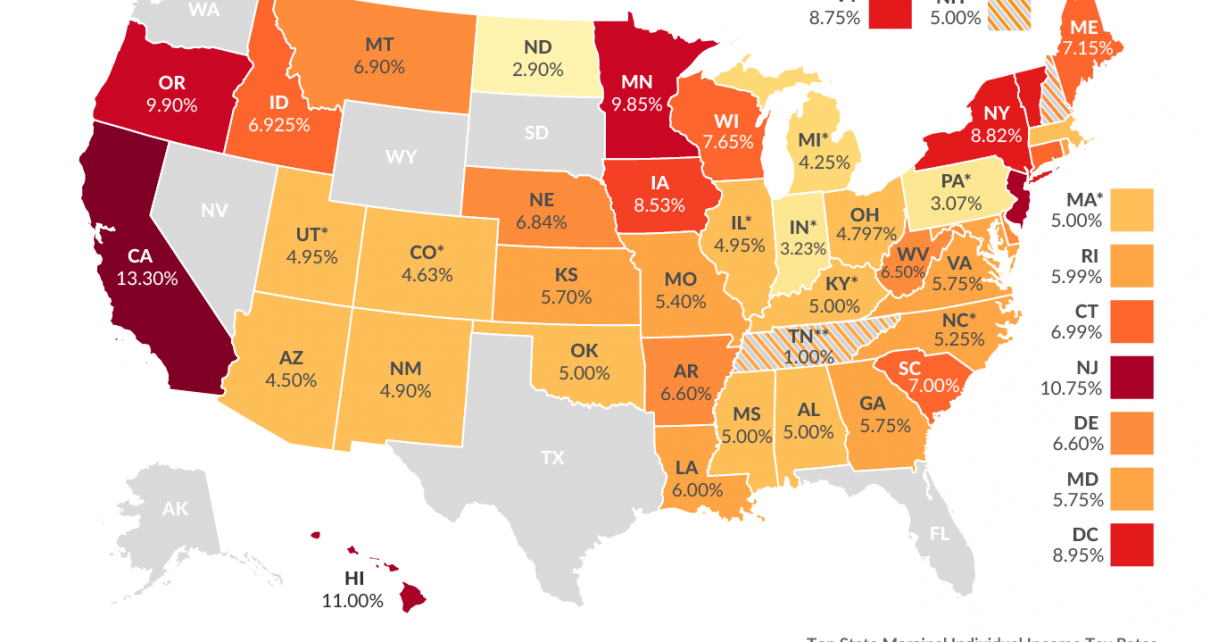
The state tax rate in California undeniably plays a role in shaping both travel experiences and lifestyle decisions. For those planning a budget travel adventure, understanding where the highest and lowest combined sales tax rates exist can influence shopping decisions and even the choice of lodging. For instance, a traveler looking to purchase souvenirs in cities with higher district taxes might reconsider their spending habits or opt for online purchases from retailers located in areas with lower rates, if shipping allows.
Impact on Tourist Spending
When visiting iconic landmarks like the Golden Gate Bridge or enjoying the theme park thrills at Knott’s Berry Farm, tourists are exposed to California’s sales tax on a wide array of purchases, from meals and apparel to hotel stays and attraction tickets. The cumulative effect of the state and local taxes can add a noticeable percentage to the overall cost of a trip. For a family on a family trip, managing these expenses is often a priority. Many travelers utilize travel blogs and guides that might offer tips on areas with lower sales tax for certain types of purchases, or highlight destinations where tax-exemptions are more prevalent.
Influence on Accommodation and Long-Term Stays
For individuals considering a long-term stay in California, whether for business or personal reasons, the sales tax on goods and services becomes a more significant consideration over time. While rent for residential properties is generally not subject to sales tax, the purchase of furniture, electronics, and daily necessities will be. Similarly, for those choosing apartments or villas as their temporary homes, the sales tax on utilities and household goods can add up.
Hotels and resorts in California also collect sales tax on room charges, which varies by location. For business travelers, understanding these costs is part of managing corporate travel budgets. The choice between staying in a hotel in a high-tax area versus one in a neighboring, lower-tax jurisdiction might even influence booking decisions for extended business trips.
Lifestyle and Luxury Travel Considerations
The state sales tax rate in California can also be a factor for those who enjoy luxury travel or are contemplating major purchases of high-value items. The purchase of luxury vehicles, designer clothing, or high-end electronics will result in a more substantial sales tax payment. Some consumers might opt to make such significant purchases in states with no or lower sales tax rates if feasible, or strategically time their purchases to coincide with sales events that might partially offset the tax burden.
Navigating California’s Sales Tax for Businesses
Beyond the consumer perspective, understanding California’s sales tax is paramount for businesses operating within the state. Businesses are responsible for collecting sales tax from customers and remitting it to the CDTFA. This involves accurately determining the applicable tax rate for each sale based on the location of the transaction.
Registration and Compliance
Any business selling tangible personal property or taxable services in California must obtain a seller’s permit from the CDTFA. This permit allows the business to legally collect and remit sales tax. Compliance involves keeping accurate records of all sales, calculating the correct sales tax, and filing regular tax returns. Failure to comply can result in penalties and interest.
Nexus and Online Sales
The concept of “nexus” is critical for businesses engaged in online sales. If a business has sufficient physical or economic presence in California, it is generally required to collect and remit sales tax on sales made to California customers, regardless of where the business is physically located. This has had significant implications for e-commerce businesses and marketplaces, as California has enforced rules that require out-of-state sellers to collect sales tax based on economic nexus thresholds.
Staying Updated on Tax Rates
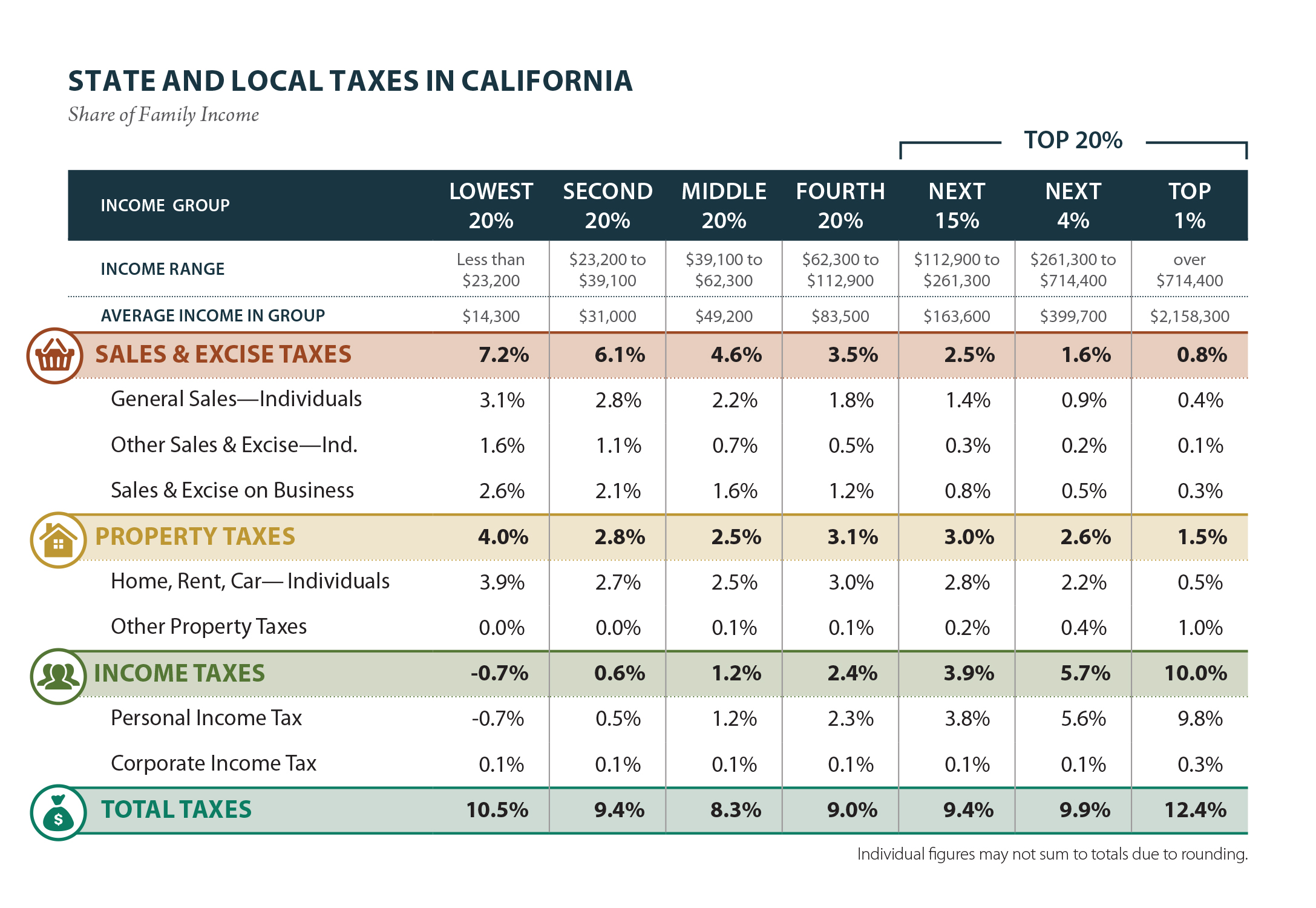
Sales tax rates in California, especially local and district taxes, can change periodically due to local ordinances or legislative actions. It is essential for both consumers and businesses to stay informed about any updates. The CDTFA website serves as the official source for current sales tax rates across the state. Regularly checking the CDTFA’s tools, such as their “State and Local Sales and Use Tax Rate Lookup” feature, can help ensure accurate tax calculations for any given transaction within California.
In conclusion, while the headline question “What Is State Tax Rate In California?” points to a single base rate, the reality of sales taxation in the Golden State is a layered system that includes significant local contributions. Understanding this intricate structure is vital for navigating the economic landscape, whether you are a tourist eager to explore landmarks like Alcatraz Island, a resident planning daily expenses, or a business owner ensuring compliance. This knowledge empowers informed decisions, allowing for a more seamless and predictable experience of living, traveling, and conducting business in the diverse and dynamic state of California.
LifeOutOfTheBox is a participant in the Amazon Services LLC Associates Program, an affiliate advertising program designed to provide a means for sites to earn advertising fees by advertising and linking to Amazon.com. Amazon, the Amazon logo, AmazonSupply, and the AmazonSupply logo are trademarks of Amazon.com, Inc. or its affiliates. As an Amazon Associate we earn affiliate commissions from qualifying purchases.