
Florida, often dubbed the Sunshine State, is a magnet for tourists, retirees, and entrepreneurs alike, thanks to its vibrant culture, diverse landscapes, and favorable economic environment. Understanding the tax landscape in Florida is crucial for anyone considering a visit, a long-term stay, or even establishing a business. While the absence of a state income tax is a widely known allure, the broader tax structure is nuanced and affects various aspects of daily life and financial planning. This comprehensive guide delves into the specifics of taxation in Florida, providing insights for a professional, insightful, and engaging understanding of how taxes impact different lifestyles within the state.
Understanding Florida’s Tax Landscape for Residents and Visitors
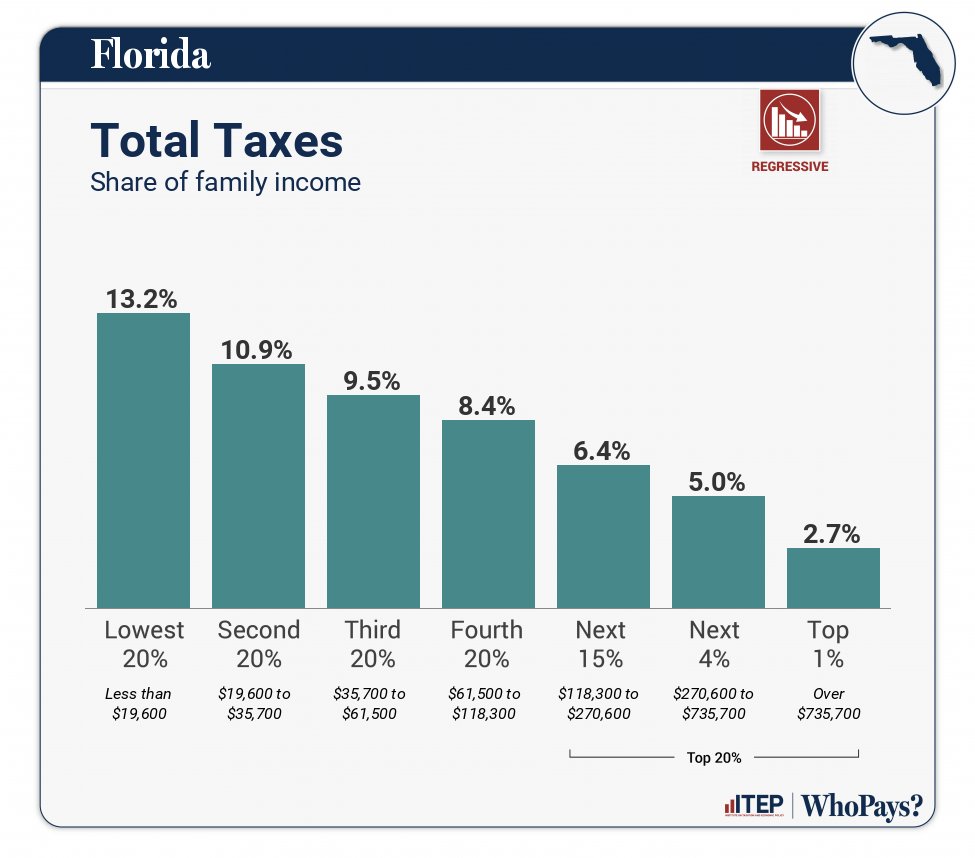
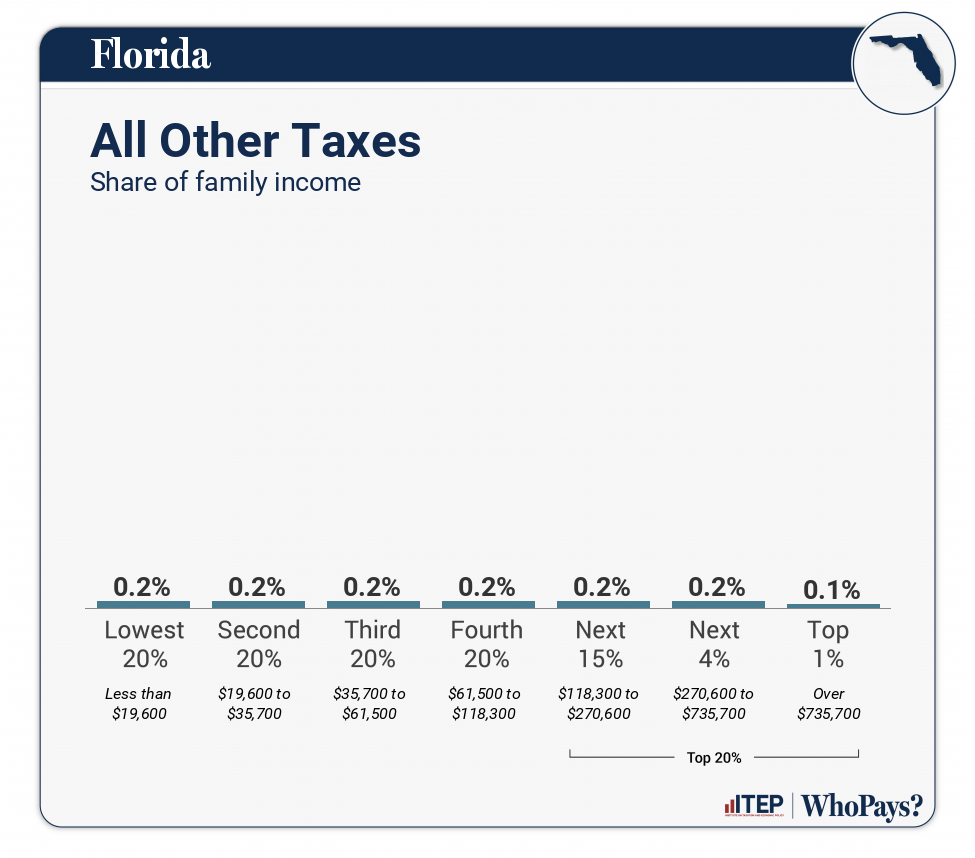
Florida’s tax system is structured to primarily rely on consumption taxes rather than income taxes, making it an attractive destination for many. This fundamental approach shapes the financial experience for virtually everyone in the state, from a casual tourist purchasing souvenirs to a long-term resident managing household budgets.
The Allure of No State Income Tax
One of Florida’s most significant draws is the absence of a state individual income tax. This means that wages, salaries, and other forms of personal income earned in Florida are not subject to a separate state-level tax, though federal income taxes still apply. This policy is a considerable advantage for residents, retirees living on pensions or investment income, and those looking to maximize their take-home pay or retirement savings. For many, this translates into a higher disposable income compared to states with high income tax rates, significantly enhancing the “lifestyle” aspect of living in Florida. This tax benefit is a cornerstone of financial planning for those who choose to make Florida their home, allowing for potentially greater wealth accumulation and a more comfortable retirement. The lack of a state income tax also makes Florida a popular choice for business owners and executives who can benefit from not having to pay state income tax on their personal earnings.
Sales Tax: A Daily Consideration
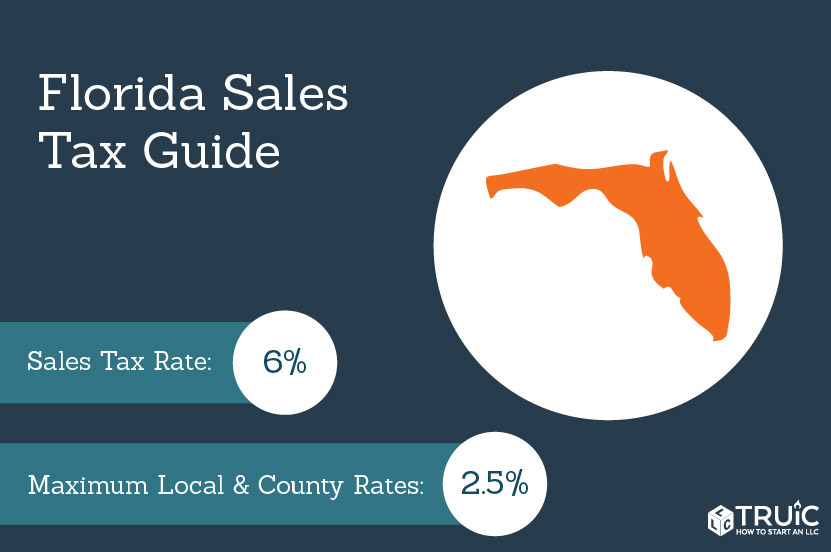
While Florida doesn’t levy an income tax, it generates a significant portion of its revenue through sales tax. The statewide sales tax rate is 6%. This tax applies to the sale or rental of most goods, including merchandise, clothing, electronics, and even many services. When you purchase an item at a store, eat at a restaurant, or pay for certain services, this 6% is typically added to your bill. It’s important to note that many counties also impose a discretionary sales surtax, also known as a “county tax,” which can add an additional 0.5% to 2.5% to the statewide rate. For instance, in Miami-Dade County, the sales tax rate can be 7%, while in some other areas, it might reach 7.5%. This means that the actual sales tax rate you pay can vary depending on your specific location within the state. Understanding these variations is crucial for budgeting, especially for larger purchases or frequent transactions. Items exempt from sales tax generally include groceries (unprepared food), certain medical services, and prescription medications.
Beyond the Basics: Other Transactional Taxes
Beyond general sales tax, Florida also imposes various other transactional taxes that impact everyday life and specific sectors. These include taxes on motor fuel, rental car surcharges, and gross receipts taxes on utilities. For example, when you fill up your car at a gas station, a significant portion of the price per gallon goes towards state and federal fuel taxes. Similarly, if you rent a car for your visit, you’ll encounter specific surcharges and taxes related to that transaction. These additional taxes, while often embedded in the price, contribute to the overall cost of living and traveling in Florida and are important to consider for comprehensive financial planning, whether you’re relocating, visiting for an extended period, or just passing through. They are part of the broader consumption-based tax model that underpins Florida’s fiscal strategy.
Navigating Taxes for Florida’s Tourism and Hospitality Sector
Given Florida’s status as a premier tourist destination, taxes related to tourism and hospitality play a substantial role in the state’s economy. These taxes directly impact visitors and businesses operating within the tourism industry, forming a crucial part of the “lifestyle” experience for those enjoying Florida’s attractions.
Tourist Development Tax (TDT): The “Hotel Tax”
One of the most prominent taxes affecting visitors is the Tourist Development Tax (TDT), often referred to as the “hotel tax” or “resort tax.” This is a local option tax levied by counties on short-term rentals, specifically for accommodations rented for six months or less. The TDT rate varies by county, typically ranging from 2% to 6% of the rental amount, and is applied in addition to the state sales tax. For example, staying at a hotel in Orlando or Miami Beach means you will pay the 6% state sales tax plus the county’s TDT. The revenue generated from the TDT is specifically earmarked for tourism-related expenditures, such as promoting tourism, funding convention centers, supporting sports facilities, and maintaining beaches. This tax is a direct contribution from visitors to enhance the very infrastructure and marketing that attracts them to Florida, influencing their overall travel budget and understanding of local investment.
The Impact on Short-Term Rentals and Vacation Homes
The rise of platforms like Airbnb and Vrbo has significantly broadened the scope of the TDT. Owners of short-term rental properties, including vacation homes and condos, are generally required to collect and remit both the state sales tax and the county-specific TDT from their guests. This applies whether the property is a lavish villa in Kissimmee or a charming bungalow in Key West. For individuals considering purchasing a vacation home in Florida or renting out their property on a short-term basis, understanding these tax obligations is paramount. It’s not just about the rental income; it’s also about the compliance burden, which includes registering with the Florida Department of Revenue and the respective county tax collector. These taxes are essential for the financial viability of tourism-dependent regions and directly influence the profitability and operational considerations for property owners participating in the short-term rental market.
Sales Tax on Services and Amusements
Beyond accommodations, many services and entertainment options popular with tourists are also subject to Florida’s sales tax. This includes admission tickets to theme parks like Walt Disney World Resort or Universal Studios Florida, boat tours, museum entry fees, and even services like massages or guided excursions. While some professional services may be exempt, consumers should generally expect to pay sales tax on most recreational and personal services consumed in the state. For those planning a leisure-focused lifestyle or a memorable vacation in Florida, factoring these taxes into activity budgets is a practical step to avoid surprises and ensure accurate financial planning for their experiences. This comprehensive application of sales tax reinforces Florida’s consumption-based tax model.
Property Taxes: A Key Factor for Homeowners and Long-Term Stays
For those choosing a more permanent or extended “lifestyle” in Florida, property taxes become a significant financial consideration. Unlike state-level income or sales taxes, property taxes are levied at the local level by counties, municipalities, and special districts to fund essential services such as schools, police, fire departments, and local infrastructure.
How Property Taxes Are Assessed in Florida
Property taxes in Florida are ad valorem taxes, meaning they are based on the assessed value of the property. Each county’s property appraiser determines the fair market value of land and improvements annually. This assessed value, however, can be limited by Florida’s “Save Our Homes” amendment, which caps the annual increase in assessed value for homesteaded properties at 3% or the Consumer Price Index, whichever is lower. Non-homesteaded properties (such as investment properties or vacation homes) have a 10% cap. Once the value is assessed, various taxing authorities (county, city, school board, water management districts, etc.) apply their respective “millage rates” (dollars per $1,000 of assessed value) to calculate the total property tax bill. These rates vary significantly by location, meaning a property of similar value in Sarasota might have a different tax bill than one in Tampa. Understanding this assessment process is vital for potential homeowners and real estate investors.
Homestead Exemption: A Benefit for Primary Residents
Florida offers a significant benefit to residents who make a property their permanent home: the Homestead Exemption. This exemption allows eligible homeowners to reduce their property’s assessed value by up to $50,000 for tax purposes, thereby lowering their property tax bill. To qualify, the property must be the owner’s permanent residence as of January 1st of the tax year. This exemption is a major incentive for individuals and families considering making Florida their permanent residence, as it directly reduces the ongoing cost of homeownership and supports a more affordable lifestyle. Beyond the base exemption, additional exemptions are available for seniors, veterans, and individuals with disabilities, further enhancing Florida’s appeal as a place to retire or settle down.
Considerations for Vacation Home Owners and Investors
For those who own vacation homes or investment properties in Florida, the property tax implications are different. These properties do not qualify for the Homestead Exemption, meaning they are taxed on their full assessed value. While they benefit from the 10% cap on assessment increases (compared to the homesteaded 3% cap), the initial tax burden is higher. Furthermore, property taxes are a continuous expense, regardless of whether the property is rented out or vacant, making them a critical factor in cash flow analysis for real estate investors. Understanding these nuances is essential for anyone purchasing property in Florida, whether for personal use, rental income, or long-term investment, as it directly impacts the financial feasibility and profitability of their real estate ventures within the state’s lifestyle landscape.
Business Taxes and the Entrepreneurial Lifestyle in Florida
Florida’s business-friendly environment is often cited as a reason for its economic growth, and the state’s tax policies for businesses play a significant role in this appeal. For entrepreneurs, small business owners, and large corporations, understanding these taxes is key to successful operation and financial planning within the state.
Corporate Income Tax (or lack thereof for many)
While Florida does not have an individual income tax, it does impose a corporate income tax on businesses that generate income in the state. However, many small businesses and sole proprietorships, structured as pass-through entities (such as S corporations, partnerships, and LLCs taxed as sole proprietorships), do not pay corporate income tax at the entity level. Instead, the profits and losses are “passed through” to the owners’ personal income, which is then exempt from state income tax in Florida. For C corporations, Florida imposes a corporate income tax rate of 5.5% on net income. This rate is relatively competitive compared to many other states and further contributes to Florida’s attractive business environment. For aspiring entrepreneurs and existing businesses, this structure influences decisions regarding entity formation and profit distribution, directly impacting their business lifestyle and financial health.
Sales Tax Collection for Businesses
Businesses that sell taxable goods or services in Florida are responsible for collecting sales tax from their customers and remitting it to the Florida Department of Revenue. This includes retailers, restaurants, hotels, and various service providers. Businesses must register for a sales tax permit and regularly file sales tax returns, typically monthly, quarterly, or annually, depending on their sales volume. Non-compliance can lead to penalties and interest. For e-commerce businesses, Florida also applies sales tax to remote sales, meaning out-of-state online retailers with significant sales into Florida are also required to collect and remit sales tax. This obligation places an administrative burden on businesses but is a fundamental part of Florida’s consumption-based revenue strategy, affecting inventory pricing, customer billing, and overall operational complexity.
Licensing and Regulatory Fees
Beyond income and sales taxes, businesses operating in Florida are also subject to various licensing and regulatory fees. These fees can be imposed by state agencies, counties, and municipalities, depending on the type of business and its location. Common examples include occupational licenses, professional licenses for specific trades (e.g., real estate agents, doctors, contractors), and permits for certain activities (e.g., food service, construction). These fees are not taxes in the traditional sense but are mandatory costs of doing business that contribute to the regulatory oversight and public safety. Entrepreneurs planning to establish a business in Jacksonville, Fort Lauderdale, or any other Florida city must research and budget for these fees, as they are an integral part of setting up and maintaining a compliant business operation and a vital aspect of their entrepreneurial lifestyle.
Strategic Financial Planning in Florida: Maximizing Your Lifestyle
Navigating Florida’s tax structure effectively requires strategic financial planning, whether you are a short-term visitor or a long-term resident. Understanding how these various taxes apply to your specific situation can help you optimize your spending, save for the future, and enjoy the full benefits of a Florida lifestyle.
Budgeting for Sales and Tourist Taxes
For visitors and short-term residents, meticulous budgeting for sales tax and the Tourist Development Tax is essential. When planning a trip, remember that the price tags on goods, restaurant menus, and attraction tickets do not always include these taxes. Add an additional 6% to 7.5% for sales tax on most purchases and an extra 2% to 6% on accommodations. Factoring these percentages into your daily spending and accommodation costs prevents surprises and ensures your travel budget aligns with your expectations. Awareness of these taxes can significantly impact your perceived affordability of a Florida vacation or an extended business stay.
The Long-Term View: Property and Estate Planning
For long-term residents and those considering relocation, the absence of a state income tax presents significant opportunities for retirement and estate planning. High earners can potentially save substantial amounts over their working careers, and retirees can stretch their pensions and investment income further. However, the importance of property taxes cannot be overstated. When considering homeownership, research the specific millage rates and potential for assessed value increases in your desired county. The Homestead Exemption can be a powerful tool for reducing property tax burdens, but understanding its application and requirements is critical. Additionally, Florida has no state estate or inheritance tax, which is another attractive feature for estate planning, allowing more of one’s assets to pass directly to heirs.
Seeking Professional Tax Guidance
Given the complexities and variations in Florida’s tax system, especially concerning county-specific rates and business regulations, seeking professional tax guidance is often a wise investment. A qualified tax advisor specializing in Florida tax law can provide personalized advice on property tax exemptions, sales tax obligations for businesses, and comprehensive financial planning strategies. Whether you are buying a home, starting a business, or simply looking to optimize your financial well-being in the Sunshine State, expert advice can ensure compliance, minimize liabilities, and help you maximize the benefits of Florida’s unique tax environment, ultimately enriching your lifestyle experience.
LifeOutOfTheBox is a participant in the Amazon Services LLC Associates Program, an affiliate advertising program designed to provide a means for sites to earn advertising fees by advertising and linking to Amazon.com. Amazon, the Amazon logo, AmazonSupply, and the AmazonSupply logo are trademarks of Amazon.com, Inc. or its affiliates. As an Amazon Associate we earn affiliate commissions from qualifying purchases.