
Navigating the financial landscape of any destination is a crucial aspect of planning a trip, whether for leisure or business. When your travels bring you to the vibrant and dynamic state of New York, understanding its tax rates becomes paramount. This isn’t just about booking a luxury hotel or planning a day exploring iconic landmarks; it’s about grasping the underlying costs that can influence your budget and overall experience. From sales tax on your souvenirs to accommodation taxes on your stay at a charming boutique hotel, taxes in New York are a multifaceted topic that impacts both residents and visitors.
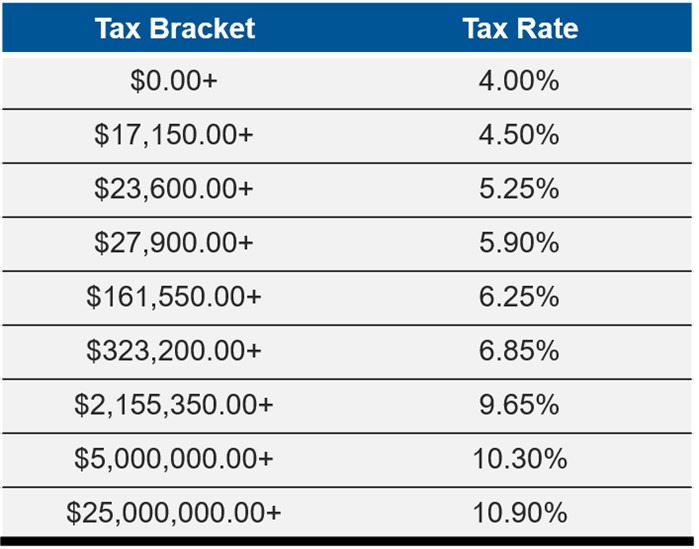
This guide aims to demystify the various tax rates you’re likely to encounter in New York, providing clarity on what to expect and how these charges are applied. We’ll delve into the sales tax, delve into the specifics of hotel occupancy taxes, and touch upon other relevant tax considerations that might affect your travel experiences or lifestyle choices within the state. Whether you’re considering a budget travel adventure through the Adirondacks or a sophisticated stay in a Manhattan penthouse, knowledge of New York tax rates will empower you to plan more effectively and make informed decisions.
Understanding the Core: Sales Tax in New York
The most ubiquitous tax you’ll encounter as a visitor to New York is the sales tax. This tax is levied on the sale of tangible personal property and certain services. It’s a significant revenue source for the state and its local governments, funding essential public services that contribute to the overall quality of life and the upkeep of its renowned attractions, from the majestic Niagara Falls to the bustling streets of New York City.
State Sales Tax
The New York State sales tax rate is a foundational component. Currently, this rate stands at 4%. This percentage is applied uniformly across the state on taxable goods and services. When you purchase a souvenir in Saratoga Springs, dine at a farm-to-table restaurant in the Hudson Valley, or rent a car for a road trip to the Finger Lakes, this 4% state sales tax will be factored into the final price.
Local Sales Tax
What makes the sales tax in New York particularly complex is the addition of local sales taxes. These are imposed by counties and, in some cases, cities. This means the total sales tax rate can vary significantly depending on your exact location within the state. For instance, a purchase made in New York City will have a higher combined sales tax rate than one made in a more rural county.
The combined state and local sales tax rate is the sum of the state rate (4%) plus the local rates. In New York City, the combined rate is currently 8.875%. This breaks down as 4% state tax, 4.5% city tax, and 0.375% Metropolitan Transportation Authority (MTA) tax. This significantly higher rate in New York City is a common point of awareness for visitors to the metropolis, impacting everything from a ticket to a Broadway show to a meal at a Michelin-starred restaurant.
Other counties and cities have their own unique local sales tax rates, which can range from less than 1% to over 3%. For example, a purchase in Buffalo will have a different combined sales tax rate than one in Albany. It’s essential to be aware that the sales tax rate can even differ within the same county if a city within it has opted to impose its own additional sales tax. This variability underscores the importance of checking the specific rate for the jurisdiction you are visiting. Websites like the New York State Department of Taxation and Finance provide resources to look up these rates by county and city.
Exemptions and Considerations
While the sales tax applies broadly, there are certain exemptions. Generally, most groceries purchased for off-premises consumption, prescription medicines, and certain essential services are exempt from sales tax. However, prepared foods, snacks, and beverages are often taxable. For tourists, understanding these exemptions can lead to savings, especially on longer stays where grocery shopping might be part of the plan, perhaps in a rented apartment or villa. It’s always advisable to check with the vendor or the New York State Department of Taxation and Finance for definitive information on taxability.
Hotel Occupancy Taxes: Your Stay in New York
Beyond the general sales tax, a significant tax that directly impacts travelers is the hotel occupancy tax, often referred to as a lodging tax or room tax. This tax is levied on the rental of hotel rooms, motels, and other forms of temporary lodging. It’s a crucial revenue stream for many municipalities, often earmarked for tourism promotion, infrastructure development, or general city services. When you book a stay at a renowned establishment like the Plaza Hotel or a more modest motel outside the city, these occupancy taxes will be added to your bill.
State and Local Occupancy Tax Components

Similar to sales tax, hotel occupancy taxes in New York are a combination of state and local components. The state imposes a statewide occupancy tax, which is typically 5% of the rent for hotel rooms. However, this rate can be higher in specific regions, such as the 5.75% rate for rooms in the Thousand Islands region.
On top of the state tax, counties and cities can impose their own additional occupancy taxes. The rates for these local taxes vary widely and can significantly increase the overall tax burden on your accommodation. In New York City, for example, the combined occupancy tax rate can reach as high as 14.75% or more, depending on the specific hotel and its location. This includes the state tax, the city tax, and often an additional tax for the New York State Convention Center Authority.
Impact on Accommodation Costs
The cumulative effect of these state and local occupancy taxes can be substantial, particularly for longer stays or when booking more expensive accommodations. For a family on a family trip staying in a suite at a resort for a week, these taxes can add hundreds of dollars to the total cost. Budget-conscious travelers might find that these taxes influence their choice of accommodation, perhaps opting for a hotel further from prime tourist areas or considering long-term stay apartments that might have different tax structures.
It’s important for travelers to factor these occupancy taxes into their accommodation budget from the outset. When comparing prices between different hotels or booking platforms, always look for the final estimated cost, which should include all applicable taxes and fees. Websites that offer detailed breakdowns of costs, including taxes, are invaluable for transparent booking. Understanding these rates allows for better financial planning for your tourism activities, ensuring that unexpected charges don’t disrupt your itinerary.
Other Tax Considerations for Visitors and Residents
While sales and occupancy taxes are the most common taxes that directly affect travelers in New York, there are other tax considerations that might be relevant, especially for those planning extended stays, business ventures, or those with a keen interest in the lifestyle aspects of the state.
Car Rental Taxes
If you plan to explore New York by car, you’ll encounter taxes on car rentals. These typically include the state sales tax, plus any applicable local sales taxes and specific car rental surcharges. These surcharges can vary by county and are often used to fund transportation infrastructure or tourism initiatives. When renting a car, budget an additional percentage on top of the base rental rate to account for these taxes and fees. This is particularly important for road trips exploring the natural beauty of Upstate New York or visiting landmarks like the Statue of Liberty.
Alcohol and Tobacco Taxes
New York also imposes excise taxes on alcohol and tobacco products. These are in addition to the state and local sales taxes. These taxes are designed to discourage consumption and generate revenue. You’ll notice higher prices for alcoholic beverages and tobacco products in New York compared to many other states.
Vehicle and Fuel Taxes
For those who own or rent vehicles for an extended period, New York has taxes on motor fuel and vehicle registrations. While less relevant for short-term tourists, these are important considerations for residents or long-term visitors. The state sales tax applies to gasoline and diesel fuel, in addition to federal and state excise taxes.
Income Tax (Primarily for Residents and Business Stays)
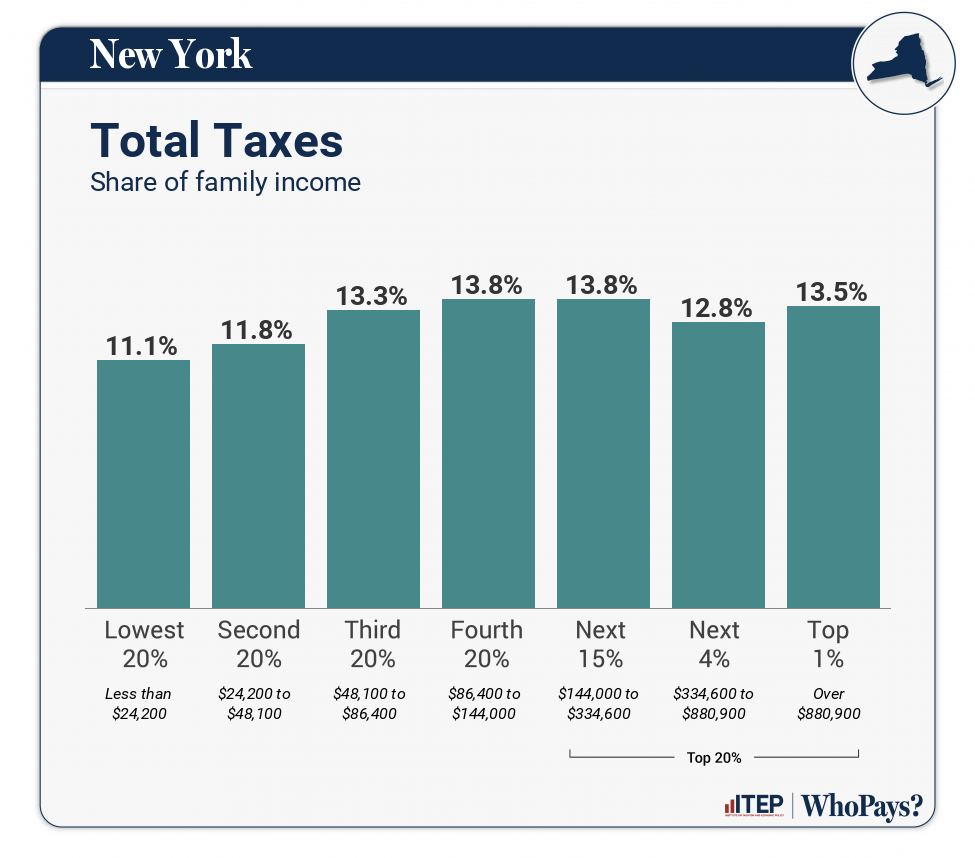
While most visitors on short trips won’t encounter income tax, it’s a critical component of New York’s tax system for its residents and those who conduct business or earn income within the state. New York has a progressive income tax system, with rates varying based on income level. For those engaging in business stays or planning to work remotely from New York for an extended period, understanding potential income tax obligations is crucial. This can involve consulting with tax professionals to ensure compliance with state and federal regulations.
Understanding the full spectrum of taxes in New York can significantly enhance your travel planning and financial management. From the point of purchase for a souvenir to the final bill for your hotel stay, taxes are an integral part of the New York experience. By being informed, you can better budget for your trip, avoid unexpected costs, and fully enjoy all that the Empire State has to offer, from its world-class attractions to its diverse local culture.
LifeOutOfTheBox is a participant in the Amazon Services LLC Associates Program, an affiliate advertising program designed to provide a means for sites to earn advertising fees by advertising and linking to Amazon.com. Amazon, the Amazon logo, AmazonSupply, and the AmazonSupply logo are trademarks of Amazon.com, Inc. or its affiliates. As an Amazon Associate we earn affiliate commissions from qualifying purchases.