
Understanding the temperature in New Orleans is a crucial element for any visitor planning a trip to this vibrant Louisiana city. The weather significantly influences the kinds of activities one can enjoy, the wardrobe to pack, and even the overall experience of exploring its unique culture and attractions. New Orleans experiences a humid subtropical climate, characterized by hot, humid summers and mild, pleasant winters, with spring and fall offering transitional periods that are often the most appealing for travelers. This fluctuation in temperature dictates the rhythm of the city, from its lively outdoor festivals to its cozy indoor music venues.
Understanding New Orleans’ Climate Patterns
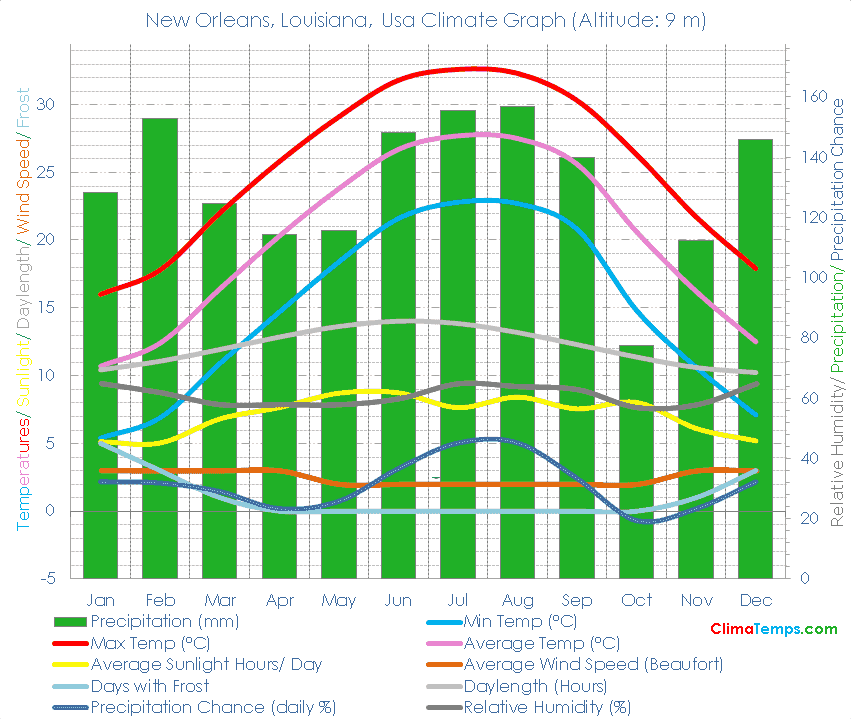
The climate of New Orleans is predominantly shaped by its geographical location on the Gulf Coast and its proximity to the Mississippi River. This combination results in high humidity year-round, which can make even moderate temperatures feel warmer. The city experiences distinct seasons, each with its own temperature profile and associated weather phenomena.
Summer: The Reign of Heat and Humidity
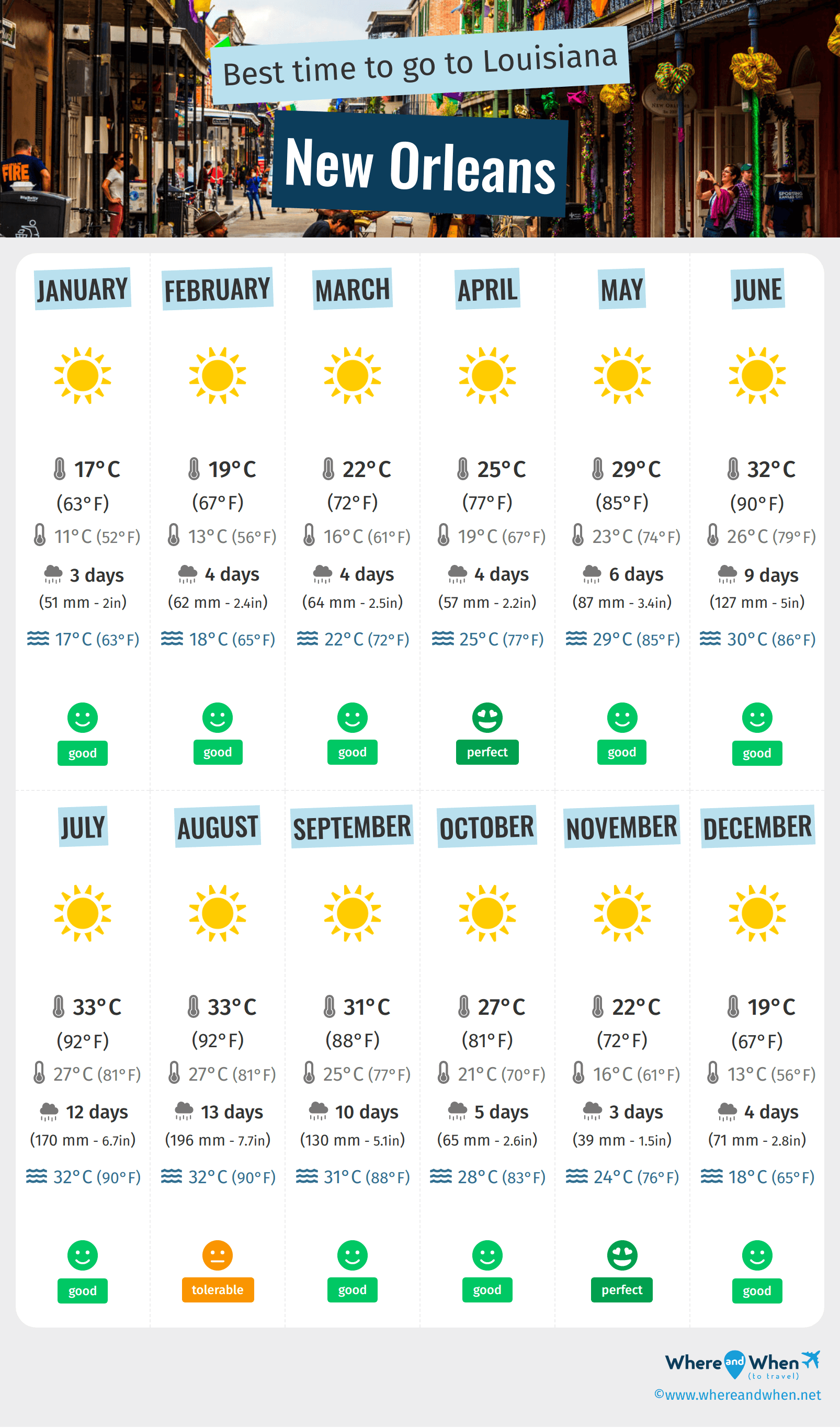
From June through August, New Orleans endures its hottest and most humid months. Daytime temperatures frequently climb into the high 80s and low 90s Fahrenheit (around 30-35 degrees Celsius), with the oppressive humidity pushing the heat index even higher. Nights offer little respite, often remaining in the high 70s Fahrenheit (around 25-27 degrees Celsius). This period is also marked by frequent afternoon thunderstorms, which can bring brief but intense downpours, often accompanied by lightning. While these storms can be dramatic, they also provide temporary relief from the heat. Visitors during the summer should be prepared for these conditions by staying hydrated, seeking air-conditioned indoor spaces, and planning outdoor activities for the cooler mornings or evenings. Despite the heat, summer is a time of abundant festivals and a lively atmosphere in the city.
Winter: A Mild and Pleasant Interlude
The winter months in New Orleans, from December to February, are remarkably mild and pleasant, making it an attractive time to visit for those seeking to escape colder climates. Average daytime temperatures typically range from the mid-50s to the low 70s Fahrenheit (approximately 13-22 degrees Celsius). Freezing temperatures are rare, and snow is an even rarer phenomenon, with most winter days being sunny and comfortable for exploring. Evenings can become cooler, dropping into the 40s Fahrenheit (around 4-9 degrees Celsius), so packing a light jacket or sweater is advisable. This season is ideal for leisurely strolls through the historic neighborhoods like the French Quarter or along the Mississippi River. The lower humidity and comfortable temperatures make it an excellent time to enjoy the city’s renowned culinary scene and its rich musical heritage without the discomfort of extreme heat.
Spring and Fall: The Golden Seasons
The transitional seasons of spring (March to May) and fall (September to November) are widely considered the most enjoyable times to experience New Orleans.
Spring: A Bloom of Warmth
Spring begins with cooler temperatures in March, gradually warming up as the months progress. April and May typically see average daytime temperatures in the 70s and 80s Fahrenheit (approximately 21-30 degrees Celsius), with comfortable humidity levels compared to the summer months. The city comes alive with blooming flora, making it a visually stunning period. This is prime time for outdoor events, including the famous New Orleans Jazz & Heritage Festival. The weather is generally conducive to exploring the city’s many parks, gardens, and outdoor attractions. While occasional spring showers can occur, they are typically short-lived.
Fall: Crisp Air and Cultural Delights
Autumn brings a refreshing crispness to the air, with daytime temperatures typically ranging from the 60s to the 70s Fahrenheit (around 16-26 degrees Celsius) in September and October, and slightly cooler in November. The humidity begins to decrease, offering a welcome relief from the summer’s intensity. Fall is a popular time for both locals and tourists, offering a perfect climate for enjoying outdoor dining, riverboat cruises on the Mississippi River, and exploring the unique cemeteries and architecture that New Orleans is famous for. The city often hosts a variety of cultural events and parades during this period, taking full advantage of the pleasant weather.
Planning Your Visit Based on Temperature
The temperature in New Orleans is a key factor in planning a successful and enjoyable trip. Understanding the typical weather patterns for each season allows for better preparation regarding clothing, activities, and potential weather-related considerations.
Seasonal Packing Essentials
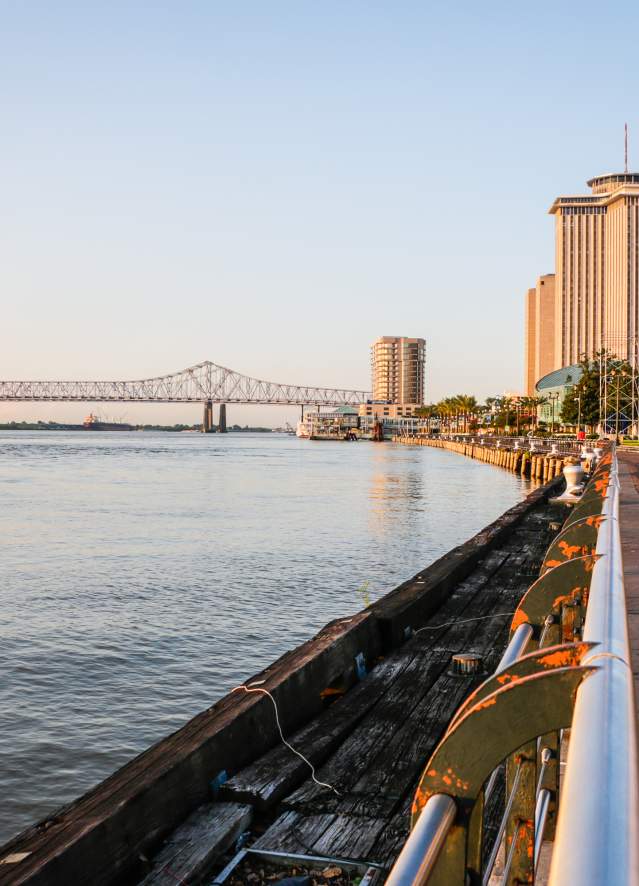
Regardless of the season, comfortable walking shoes are a must for exploring the cobblestone streets and vibrant neighborhoods.
- Summer: Lightweight, breathable fabrics like cotton and linen are essential. Pack shorts, t-shirts, sundresses, and a wide-brimmed hat for sun protection. Don’t forget sunscreen and insect repellent, as mosquitoes can be prevalent in humid conditions. A light, waterproof jacket or poncho is advisable for the frequent rain showers.
- Winter: Layers are key. Pack long-sleeved shirts, sweaters, and a medium-weight jacket. Comfortable trousers or jeans are suitable. Evenings can be cool, so a scarf and hat might be useful.
- Spring and Fall: This is often the sweet spot for packing. A mix of lightweight clothing for warmer days and a light jacket or cardigan for cooler mornings and evenings is recommended. An umbrella is always a good idea, as unpredictable showers can occur during these transitional periods.
Weather Considerations for Activities
The temperature directly influences the types of activities best suited for each time of year.
- Outdoor Exploration: Spring and fall offer the most comfortable conditions for extensive outdoor exploration, including walking tours of the French Quarter, visiting the historic Garden District, and enjoying the city’s numerous parks and public spaces.
- Festivals and Events: While many of New Orleans’ famous festivals, such as Mardi Gras, occur in late winter or early spring, others, like the New Orleans Jazz & Heritage Festival, take place in late spring, capitalizing on pleasant weather. Summer also sees its share of vibrant street parties and celebrations, though attendees must be prepared for the heat.
- Indoor Pursuits: During the hotter summer months or on rare cooler winter days, indoor activities become more appealing. This includes exploring the city’s world-class museums like the National WWII Museum, visiting historic houses, enjoying live music in intimate jazz clubs, and indulging in the diverse culinary landscape at restaurants and cafes.
Temperature Variations and Microclimates
While New Orleans generally adheres to its subtropical climate patterns, localized variations and specific weather phenomena can influence the perceived temperature. The presence of water bodies, urban density, and prevailing winds all play a role.
The Influence of Humidity
Humidity is a significant factor in how New Orleans’ temperatures are experienced. High humidity levels mean that the air holds more moisture, which inhibits the body’s natural cooling process through perspiration. Consequently, a temperature of 85°F (29°C) can feel much hotter and more uncomfortable when the humidity is high, often exceeding 80%. This “feels like” temperature, or heat index, is a crucial consideration for planning outdoor activities, especially during the summer months. Visitors should always be mindful of the heat index and take precautions to avoid heat-related illnesses.
Coastal Breezes and Urban Heat Islands
The proximity to the Gulf of Mexico can provide a cooling sea breeze, particularly in coastal areas and along the waterfront, offering some relief from the inland heat. However, the dense urban environment of the city center, with its abundance of concrete and asphalt, can create an “urban heat island” effect. This means that temperatures in the downtown and surrounding built-up areas may be several degrees higher than in more vegetated or open spaces. Understanding these microclimates can help visitors choose the best areas to explore at different times of the day. For instance, seeking out shaded parks or waterfront areas might be more comfortable during peak heat hours in the summer.
Embracing the New Orleans Experience Through Its Weather
Ultimately, the temperature in New Orleans, while a significant factor, should not deter visitors from experiencing the city’s unique charm and captivating culture. Each season offers a distinct flavor, and with proper preparation, any time of year can be an extraordinary adventure.
Adapting to Seasonal Rhythms
New Orleans has a way of embracing its climate. Its architecture, with high ceilings, large windows, and ample verandas, is designed to facilitate airflow and encourage life to spill outdoors. The vibrant street life, the music spilling from open doorways, and the communal spirit are all influenced by and adapted to the prevailing weather. Whether it’s enjoying a snowball stand during a sweltering summer afternoon, seeking refuge in a cool, historic church during a midday downpour, or savoring a warm bowl of gumbo on a crisp autumn evening, the weather is an intrinsic part of the New Orleans experience.
Making the Most of Any Temperature
Visitors who meticulously plan their itineraries based on the expected temperatures will undoubtedly have a more comfortable and rewarding trip. However, there is also a certain magic in embracing spontaneity and adapting to the weather as it comes. A sudden summer shower can lead to discovering a hidden courtyard cafe, while a surprisingly cool winter day might be perfect for exploring the more remote cemeteries or taking a scenic drive outside the city. The key to enjoying New Orleans, regardless of the mercury, is a willingness to immerse oneself in its multifaceted allure, from its sun-drenched streets to its rain-slicked historic facades.
LifeOutOfTheBox is a participant in the Amazon Services LLC Associates Program, an affiliate advertising program designed to provide a means for sites to earn advertising fees by advertising and linking to Amazon.com. Amazon, the Amazon logo, AmazonSupply, and the AmazonSupply logo are trademarks of Amazon.com, Inc. or its affiliates. As an Amazon Associate we earn affiliate commissions from qualifying purchases.