
The allure of Fort Myers, Florida is undeniable, a vibrant city nestled on the banks of the Caloosahatchee River, offering a quintessential South Florida experience. For many travelers, understanding the local climate is paramount to planning a successful and enjoyable visit. The “temperature in [Fort Myers, Florida]” isn’t just a number; it’s an indicator of the experiences awaiting you, from sun-drenched beach days to cozy evenings exploring its cultural offerings. This guide delves into the nuances of Fort Myers’ climate, providing insights for travelers seeking to optimize their trip.
Understanding Fort Myers’ Subtropical Climate
Fort Myers, Florida enjoys a tropical monsoon climate, characterized by distinct wet and dry seasons, with temperatures that generally remain warm throughout the year. This subtropical environment is a significant draw for tourists, offering a welcome escape from colder climes and facilitating a wide array of outdoor activities.

Average Annual Temperatures and Seasonal Variations
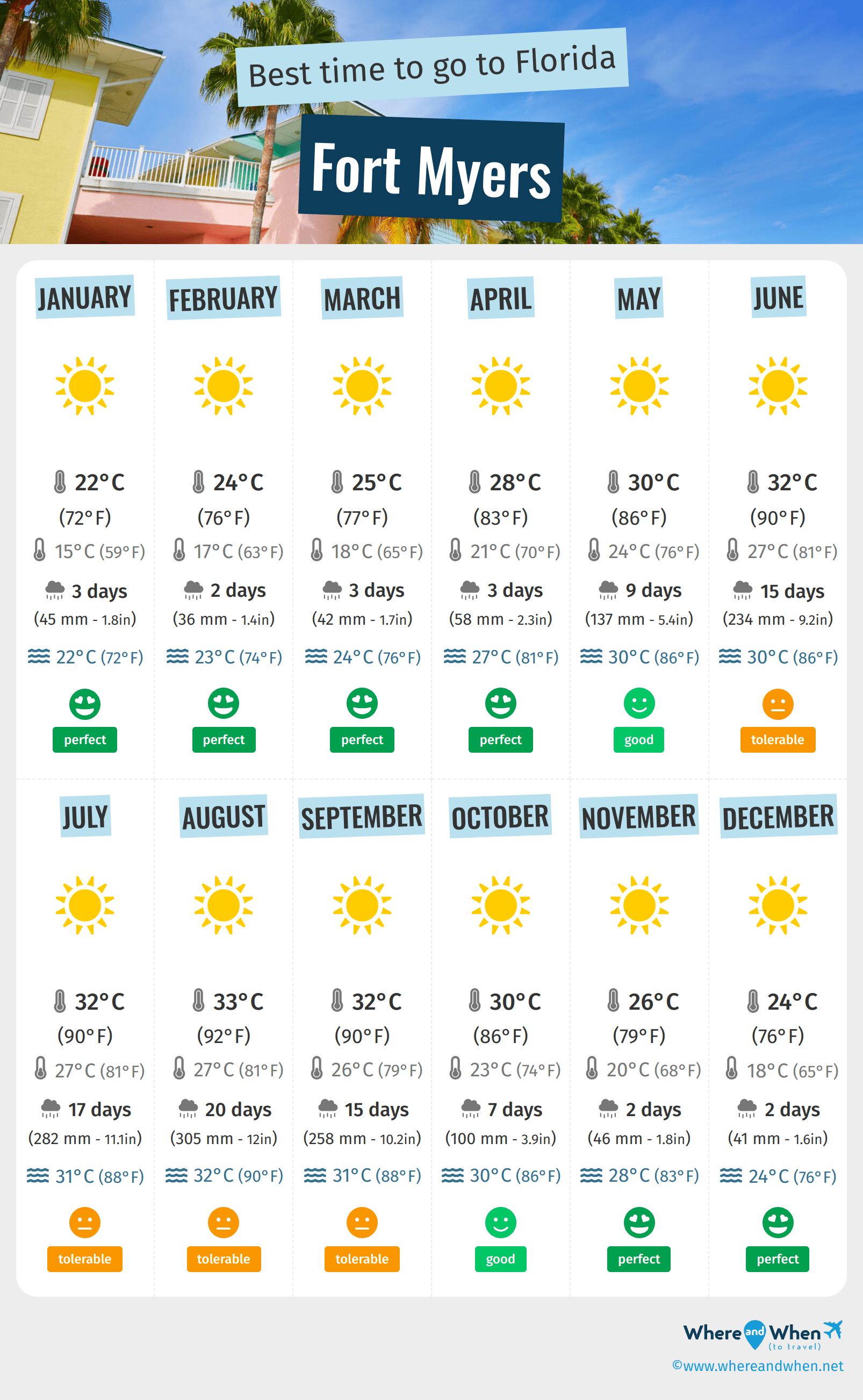
The average annual temperature in Fort Myers, Florida hovers around 75°F (24°C). However, this average masks the distinct seasonal shifts that define the year. The city experiences warm to hot summers and mild winters, making it a year-round destination, though some periods are more conducive to certain types of travel than others.
Summer (June – August)
Summers in Fort Myers, Florida are hot and humid, with average daily temperatures typically ranging from the mid-80s to low 90s Fahrenheit (29-33°C). Overnight lows rarely dip below the mid-70s Fahrenheit (24°C). The humidity can make the perceived temperature feel even higher, often creating a “feels like” temperature in the triple digits during the peak of the afternoon. This season is also marked by frequent, short-lived thunderstorms, often occurring in the late afternoon. These downpours, while intense, usually bring a brief respite from the heat before the sun returns. Despite the heat and humidity, summer is a popular time for families on vacation and for those who enjoy water-based activities. The ocean temperatures are at their warmest during these months, making swimming and other watersports incredibly inviting.
Fall (September – November)
As summer transitions into fall, [Fort Myers, Florida](https://lifeout Myers, Florida’s) climate begins to shift. September can still feel very much like summer, with temperatures in the high 80s Fahrenheit (31°C) and continued humidity. However, by October and November, the air begins to dry out, and temperatures become more moderate. Average daytime temperatures in the fall typically range from the mid-70s to low 80s Fahrenheit (24-28°C). Humidity levels decrease, and the frequency of afternoon thunderstorms diminishes. This period is often considered one of the most pleasant times to visit Fort Myers, Florida, offering a comfortable balance of warmth and lower humidity, perfect for exploring outdoor attractions.
Winter (December – February)
The winters in Fort Myers, Florida are remarkably mild, offering a significant contrast to the colder regions of the United States. Average daytime temperatures during the winter months usually range from the mid-60s to low 70s Fahrenheit (18-22°C). Frost is rare, and snow is virtually unheard of. Overnight lows can occasionally dip into the 40s or 50s Fahrenheit (4-15°C), especially in December and January, but these cooler periods are typically brief. The dry season generally coincides with winter, meaning less rainfall and abundant sunshine. This makes Fort Myers, Florida a prime destination for “snowbirds” seeking to escape the harsh winter conditions elsewhere. It’s an ideal time for outdoor activities such as golfing, cycling, and exploring the numerous parks and nature preserves.
Spring (March – May)
Spring in Fort Myers, Florida is a delightful season, characterized by warming temperatures and a gentle increase in humidity as the year progresses. Average daytime temperatures in March and April typically range from the low 70s to low 80s Fahrenheit (22-28°C). By May, temperatures can start to climb into the mid-80s Fahrenheit (29°C) and beyond. The rainfall begins to increase in May, signaling the transition towards the wet summer season. Spring offers a beautiful window of opportunity for visitors, with pleasant weather perfect for enjoying the city’s beaches, outdoor dining, and events. The landscape is often lush and vibrant during this time, adding to the overall aesthetic appeal.
The Impact of Humidity and “Feels Like” Temperature
While the thermometer may indicate a specific temperature, the humidity in Fort Myers, Florida plays a significant role in how that temperature is perceived. High humidity levels can make the air feel heavy and sticky, increasing the “feels like” temperature, particularly during the summer months. Conversely, during the drier seasons, lower humidity can make even warmer temperatures feel more comfortable. Travelers should always consider the humidity when planning their attire and outdoor activities, especially during the summer. Staying hydrated and seeking air-conditioned spaces during the hottest parts of the day are advisable strategies for managing the impact of humidity.
Planning Your Visit Based on Temperature
Understanding the temperature patterns in Fort Myers, Florida is crucial for optimizing your travel experience, whether you’re planning a romantic getaway, a family adventure, or a solo exploration. The “temperature in [Fort Myers, Florida]” can guide your choices regarding activities, accommodations, and even the types of experiences you seek.
Choosing the Right Time for Specific Activities
- Beach & Water Sports: For those who dream of spending their days basking on the sands of Fort Myers Beach or engaging in watersports like kayaking, paddleboarding, or jet-skiing, the warmer months of spring, summer, and early fall are ideal. The ocean temperatures are warmest during summer, providing perfect conditions for extended swims.
- Outdoor Exploration & Sightseeing: If your itinerary includes extensive exploration of attractions like the Edison and Ford Winter Estates, strolling through Downtown Fort Myers, or visiting nature preserves, the cooler, drier months of late fall, winter, and early spring offer the most comfortable temperatures. These periods are excellent for walking tours, bike rides, and exploring the charming streets without the intense heat and humidity of summer.
- Fishing & Boating: The waters around Fort Myers, Florida are renowned for their fishing opportunities. Whether you prefer deep-sea excursions or calmer river fishing, the mild winter and spring months often provide the most pleasant conditions for a day out on the water, with less risk of sudden storms.
- Cultural Events & Dining: Fort Myers, Florida hosts a variety of cultural events and boasts a thriving culinary scene. These activities are generally enjoyable year-round, but the milder temperatures of fall, winter, and spring make exploring the open-air markets and al fresco dining options particularly pleasant.
Packing Essentials Based on the Season
Your packing list will significantly depend on when you plan to visit Fort Myers, Florida.
- Summer (June – August): Lightweight, breathable clothing such as shorts, t-shirts, sundresses, and swimwear are essential. Don’t forget a wide-brimmed hat, sunglasses, and high-SPF sunscreen to protect against the strong sun. An umbrella or light rain jacket is advisable for the frequent afternoon showers.
- Fall (September – November): As temperatures become more moderate, you’ll want a mix of summer clothing and lighter layers. Long-sleeved shirts, light sweaters or cardigans, and comfortable walking shoes are good additions. The evenings can sometimes be cooler, so a light jacket is recommended.
- Winter (December – February): While still mild, packing for winter requires a few more layers. Think long pants, long-sleeved shirts, and a light to medium-weight jacket or sweater. Evenings can be cool enough for a coat. However, during the day, you may still find yourself in shorts and t-shirts.
- Spring (March – May): Similar to the fall, a versatile wardrobe is key. Pack light clothing for warm days and a few layers for cooler mornings and evenings. As May approaches, you’ll transition to more summer-appropriate attire.
Beyond the Thermometer: Experiencing Fort Myers’ Climate
The “temperature in Fort Myers, Florida” is more than just a meteorological data point; it’s an integral part of the city’s identity and a significant factor in shaping the visitor experience. From the gentle breezes off the Gulf of Mexico to the dramatic afternoon thunderstorms that punctuate the summer, the climate contributes to the unique charm of this Floridian gem.
The Influence of the Gulf of Mexico
The proximity to the Gulf of Mexico plays a vital role in moderating Fort Myers, Florida’s temperatures, particularly along the coast. The sea breeze often provides a refreshing coolness during the hot summer afternoons, making areas like Fort Myers Beach slightly more temperate than inland locations. This oceanic influence also contributes to the relatively mild winters, preventing the extreme cold that can affect continental interiors. The sound of the waves and the scent of the salt air are inextricably linked to the temperate climate that draws so many to its shores.

Embracing the Seasons: A Year-Round Destination
The diverse climatic seasons of Fort Myers, Florida ensure that there is something to appeal to every traveler, regardless of their preference for heat or cooler climes. Whether you seek the vibrant energy of summer, the serene beauty of a mild winter, or the perfect balance of spring and fall, Fort Myers, Florida offers a welcoming embrace. Understanding the temperature is the first step in unlocking the full potential of this captivating destination. From the historical charm of the Edison and Ford Winter Estates to the natural splendor of the nearby Everglades National Park, each experience is enhanced by the knowledge of what to expect from the local weather. As you plan your journey, let the “temperature in Fort Myers, Florida” be your guide to a truly memorable visit.
LifeOutOfTheBox is a participant in the Amazon Services LLC Associates Program, an affiliate advertising program designed to provide a means for sites to earn advertising fees by advertising and linking to Amazon.com. Amazon, the Amazon logo, AmazonSupply, and the AmazonSupply logo are trademarks of Amazon.com, Inc. or its affiliates. As an Amazon Associate we earn affiliate commissions from qualifying purchases.