
Hawaii, the archipelago paradise nestled in the heart of the Pacific Ocean, is renowned globally for its stunning natural beauty, vibrant Polynesian culture, and, perhaps most notably, its idyllic tropical climate. For travelers planning a getaway, understanding “What is temperature in Hawaii?” is paramount, as it directly influences everything from packing choices and daily activities to the type of accommodation one might seek. Unlike many other global destinations, Hawaii doesn’t experience the dramatic seasonal shifts common in temperate zones. Instead, its temperature profile is characterized by remarkable consistency, tempered by fascinating microclimates that offer a surprising diversity within a relatively small area.
Whether you dream of lounging on sun-drenched beaches, exploring lush rainforests, or hiking volcanic terrains, Hawaii’s climate generally promises warmth and sunshine. However, delving deeper reveals nuances that can significantly enhance your travel experience, helping you choose the best time to visit and how to prepare for the unique conditions of each island. From the bustling shores of Oahu to the volcanic heights of the Big Island, temperatures play a pivotal role in shaping the quintessential Hawaiian adventure.
Understanding Hawaii’s Tropical Climate
Hawaii’s geographical position, just south of the Tropic of Cancer, bestows upon it a consistently warm, tropical climate. The islands enjoy year-round temperatures that are remarkably stable, making them a perpetual draw for those seeking an escape from colder climes.
Year-Round Warmth: Averages and Extremes
On average, daytime temperatures in coastal areas across the Hawaiian Islands hover pleasantly between 75°F (24°C) and 85°F (29°C). Nights are equally mild, typically dipping into the mid-60s to low-70s F (18-23°C). This narrow range of variation is one of Hawaii’s most appealing attributes, ensuring comfort regardless of the specific month of your visit.
The “hottest” months tend to be July, August, and September, when daytime temperatures might occasionally touch the high 80s or even low 90s F (30-33°C), particularly in sheltered leeward areas. Conversely, the “coolest” months are usually January and February, but even then, daytime averages rarely fall below the mid-70s F (24°C). Extreme highs or lows are rare, and prolonged heatwaves or cold snaps are virtually unheard of in the populated coastal regions. This consistent warmth is a major factor in why many luxury resorts and budget apartments alike emphasize amenities like pools and air conditioning, ensuring guest comfort.
The Influence of Trade Winds and Ocean Currents
Two primary natural phenomena are responsible for Hawaii’s enviable climate: the northeastern trade winds and the warm Pacific Ocean currents.
The trade winds are steady, gentle breezes that blow predominantly from the northeast. They act as a natural air conditioning system, sweeping across the islands and providing a refreshing coolness that prevents temperatures from feeling oppressive, even on the warmest days. These winds are also responsible for the distinct wet (windward) and dry (leeward) sides of each island. The windward sides, facing the trades, receive more moisture and are typically lush and green, while the leeward sides, sheltered by the mountains, are drier, sunnier, and often warmer.
The surrounding Pacific Ocean maintains a consistently warm temperature, typically ranging from 75°F (24°C) in winter to 82°F (28°C) in summer. This vast body of warm water acts as a massive thermal regulator, moderating the air temperature across the islands. It prevents extreme temperature fluctuations, contributing to the mild, pleasant conditions enjoyed year-round. This makes water-based activities like swimming, snorkeling, and surfing enjoyable any time of year.
Microclimates: Diversity Across the Islands
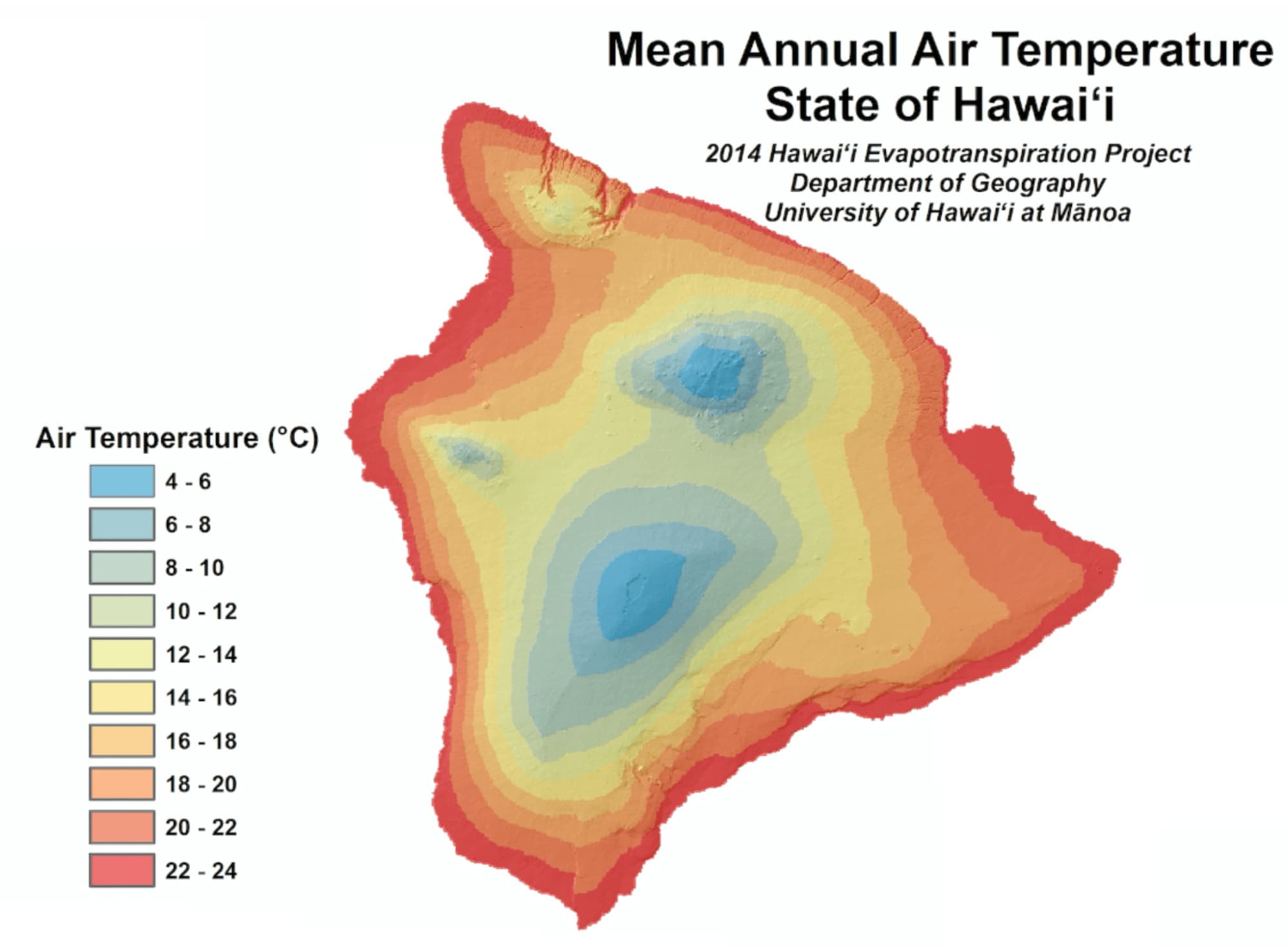
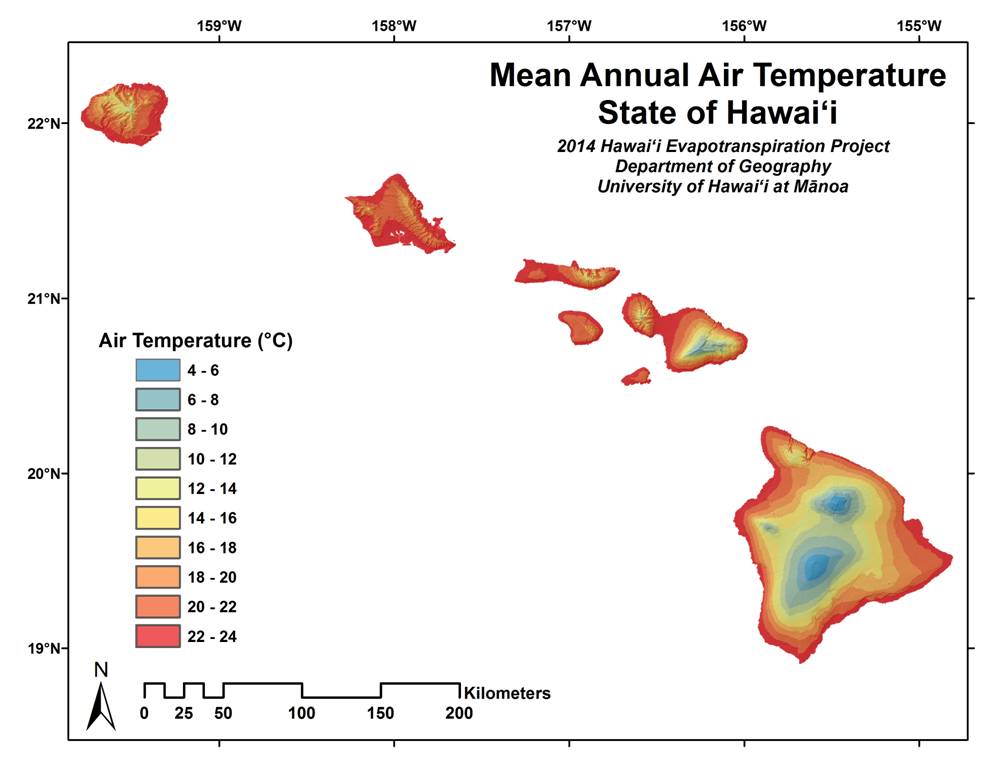
One of the most fascinating aspects of Hawaii’s climate is its incredible diversity of microclimates. Despite being a relatively small chain of islands, Hawaii boasts nearly all of the world’s major climate zones, largely due to its dramatic volcanic topography.
As elevation increases, temperatures drop significantly. For instance, while it might be a balmy 80°F (27°C) at Waikiki Beach on Oahu, just a few thousand feet up on Mount Ka’ala in the Waianae Range, the temperature could be a brisk 60°F (16°C). On the Big Island, the summits of Mauna Kea and Mauna Loa can experience freezing temperatures and even snow during winter months, offering a stark contrast to the tropical warmth of the coast. This remarkable variability means that visitors can experience vastly different weather patterns within a short drive, a crucial consideration for anyone planning comprehensive tours or outdoor activities.
Seasonal Variations and Best Times to Visit
While Hawaii technically has two main seasons, the differences in temperature are subtle compared to mainland United States or European climates.
The “Summer” and “Winter” Seasons
Hawaii’s “summer” season, generally from May to October, is characterized by slightly warmer temperatures, less rainfall, and calmer ocean conditions, particularly on the south shores. This period sees average daytime temperatures in the low to mid-80s F (27-29°C). The consistent sunshine makes it ideal for beach activities, snorkeling, and exploring attractions without the concern of frequent showers. This time aligns with school holidays, making it popular for family trips.
The “winter” season, from November to April, is slightly cooler, with average daytime temperatures in the mid to high 70s F (24-26°C). This period also experiences more frequent rainfall, especially on the windward sides of the islands. However, these are often brief, refreshing showers that give way to sunshine. Ocean swells on the north shores are larger during winter, drawing surfers from around the globe to famous spots like Waimea Bay and Banzai Pipeline on Oahu’s North Shore. Winter also coincides with whale watching season, particularly for humpback whales that migrate to Hawaii’s warm waters.
Navigating Peak and Off-Peak Travel
Understanding these subtle seasonal temperature shifts is key to planning your visit. The peak travel times in Hawaii generally coincide with major holidays and school breaks:
- Christmas/New Year’s: Late December through early January
- Spring Break: March to April
- Summer Vacation: June to August
During these periods, despite slightly varied temperatures, demand for flights and accommodations (from luxury suites to budget-friendly villas) skyrockets, leading to higher prices and more crowded attractions. If you prefer milder temperatures, fewer crowds, and potentially better deals on hotels and travel packages, consider visiting during the shoulder seasons (late April to early June or September to mid-December, excluding Thanksgiving week). Even during these times, the weather remains consistently pleasant, making it an ideal choice for a budget travel experience without compromising on the Hawaiian magic.
How Temperature Shapes Your Hawaiian Experience
The consistent warmth and varied microclimates of Hawaii profoundly influence every aspect of a visitor’s experience, from what you pack to the types of activities you’ll enjoy and even your choice of accommodation.
Essential Packing for Comfort

Given the mild temperatures, light and breathable clothing is the order of the day. Think shorts, t-shirts, sundresses, and swimwear. However, don’t be fooled by the coastal warmth. If you plan to explore higher elevations like Haleakala on Maui for a sunrise viewing, or Mauna Kea on the Big Island, packing layers, including a light jacket or sweater, is absolutely essential. Even evenings in coastal towns can sometimes warrant a light cover-up due to the refreshing trade winds. Rain gear, such as a lightweight rain jacket or umbrella, is also a wise addition, especially if you’re venturing to the lush windward sides of islands like Kauai or Hilo on the Big Island, where brief tropical showers are common. Comfortable walking shoes or hiking sandals are a must for exploring trails, while flip-flops are perfect for beach days.
Activities Tailored to the Weather
Hawaii’s temperatures are perfectly suited for a vast array of outdoor activities:
- Beach & Ocean Fun: The consistently warm water temperatures make swimming, snorkeling, surfing, paddleboarding, and scuba diving enjoyable year-round. From the famous shores of Waikiki to the pristine bays of Maui, beach life is central to the Hawaiian experience.
- Hiking & Nature Exploration: The pleasant daytime temperatures are ideal for exploring Hawaii’s diverse landscapes, from the volcanic trails of Hawaii Volcanoes National Park to the lush valleys of Kauai. Early mornings are particularly pleasant for hikes before the sun reaches its peak.
- Sightseeing & Cultural Immersion: Whether visiting historical landmarks like Pearl Harbor, strolling through Honolulu’s Chinatown, or attending a luau, the comfortable temperatures enhance these cultural activities.
- Waterfalls & Rainforests: The frequent, brief showers on the windward sides keep the rainforests vibrant and the waterfalls flowing, creating spectacular natural attractions that thrive in the warmer, wetter conditions.
Choosing Your Accommodation: From Beachfront to Mountain Retreats
Temperature considerations also play a role in choosing your ideal Hawaiian accommodation. Many visitors prioritize beachfront resorts or hotels with excellent pool amenities to maximize their enjoyment of the warm weather. Air conditioning is a standard feature in most modern hotels and villas across the islands, providing a cool sanctuary from the midday sun.
For those seeking a different experience, perhaps a cooler escape, consider accommodation in higher elevation towns, such as Volcano Village on the Big Island or upcountry Maui. Here, the temperatures are noticeably cooler, especially at night, offering a refreshing alternative to the coastal warmth. These locations might appeal to those on a long-term stay or business travel who prefer a quieter, cooler environment after a day of exploration. For luxury travel, private villas often offer personalized climate control and stunning views, regardless of their elevation.
Exploring Hawaii’s Diverse Islands and Their Unique Climates
While the overarching climate theme in Hawaii is warmth and consistency, each major island presents its own unique climatic nuances, influenced by its topography and exposure to the trade winds. Understanding these distinctions is key to selecting the perfect island for your desired experience.
Oahu: Bustling Beaches and City Comforts
Oahu, home to the capital city of Honolulu and iconic Waikiki Beach, offers a classic Hawaiian tropical climate. Coastal areas, particularly the popular south shore, maintain consistent temperatures in the low 80s F (27-28°C) year-round. The leeward side (west and south) is generally sunnier and drier, perfect for beach activities, while the windward side (east) like Kailua experiences more rain and lush vegetation. Even the famed Diamond Head summit trail offers comfortable hiking conditions most days, provided you go early. The mild temperatures are ideal for urban exploration, enjoying outdoor dining, or shopping at places like the Ala Moana Center.
Maui: Volcanic Peaks and Sunny Shores
Maui is often lauded for its diverse landscapes and climates. The popular resort areas of Lahaina, Ka’anapali, and Kihei on the leeward west and south coasts are consistently warm and dry, with temperatures often in the mid-80s F (29-30°C). However, venture up to Upcountry Maui around Makawao, and you’ll find cooler, often misty conditions. The most dramatic temperature shift occurs at Haleakala National Park, where the summit, at over 10,000 feet, can drop to near freezing, especially before sunrise. The lush Road to Hana on the windward east side is typically wetter and a few degrees cooler than the sunny west coast. This makes Maui a perfect destination for those who want to experience both tropical heat and crisp mountain air within a single trip.
Kauai: Lush Valleys and Rainy Retreats
Known as the “Garden Isle,” Kauai is the wettest of the main Hawaiian Islands, particularly in its interior. While coastal temperatures are similar to Oahu and Maui, hovering around the high 70s to low 80s F (26-28°C), rainfall is more frequent and contributes to the island’s incredible verdant beauty. The famous Na Pali Coast on the northwest receives ample rain, creating dramatic waterfalls that plunge into the ocean. Meanwhile, the Waimea Canyon area on the southwest side is much drier and sunnier. Visitors to Kauai should always be prepared for rain, even on sunny days, as brief showers can pass quickly.
Big Island (Hawaii Island): From Deserts to Snow-Capped Mountains
The Big Island (Hawaii Island) truly lives up to its name in terms of climatic diversity, boasting 10 of the world’s 14 climate zones. The leeward Kona coast is famously sunny and dry, with temperatures often in the mid-80s F (29-30°C) and minimal rainfall – perfect for coffee farms and beach activities. In stark contrast, the windward Hilo side is one of the wettest cities in the United States, characterized by frequent, heavy showers and slightly cooler temperatures in the mid-70s F (24-25°C).
But the most striking temperature variations occur at elevation. The slopes of Mauna Loa and Kilauea (within Hawaii Volcanoes National Park) are significantly cooler, requiring warm clothing. And at the summit of Mauna Kea, at nearly 14,000 feet, temperatures can easily dip below freezing, bringing snow during winter months. This incredible range means that on the Big Island, you can go from sunbathing at South Point, the southernmost tip of the United States, to seeing snow within the same day.
Staying Comfortable and Safe in Hawaii’s Warmth
While Hawaii’s temperatures are generally delightful, prolonged exposure to the tropical sun requires mindful preparation to ensure comfort and safety throughout your trip.
Hydration and Sun Protection
The consistent warmth and humidity, combined with the cooling trade winds, can make it easy to underestimate the rate of fluid loss. Staying hydrated is crucial. Always carry a reusable water bottle and drink plenty of water throughout the day, especially if you’re engaging in physical activities or spending time on the beach.
Sun protection is equally important. Hawaii is closer to the equator, meaning the sun’s UV rays are significantly stronger than what many visitors are accustomed to. Apply reef-safe sunscreen (required by Hawaiian law to protect its delicate marine ecosystems) liberally and frequently, wear a wide-brimmed hat, sunglasses, and protective clothing (like rash guards for swimming). Seek shade during the peak sun hours, typically between 10 AM and 4 PM. Many outdoor attractions and tours are best enjoyed in the cooler mornings or late afternoons.
Adapting to Different Environments
Given Hawaii’s diverse microclimates, it’s wise to check local forecasts for specific areas you plan to visit, rather than relying on a single island-wide prediction. What’s sunny and warm on one side of an island might be rainy and cooler on the other. Always be prepared to layer clothing, especially when transitioning from coastal areas to higher elevations or venturing into lush, often misty rainforests.
For those prone to feeling the heat, consider planning more strenuous activities like hiking in the early morning or late afternoon. Utilize the midday for water activities or indoor explorations such as museums, aquariums, or simply relaxing by the pool at your hotel or resort. When booking accommodation, verify that it offers air conditioning if you are sensitive to heat, as some older vacation rentals or more rustic villas might rely solely on ceiling fans and trade winds.
In conclusion, understanding “What is temperature in Hawaii?” is about appreciating a consistently warm, tropical paradise, nuanced by fascinating microclimates. While year-round warmth is a given, a little planning around seasonal variations and island-specific weather patterns will ensure your Hawaiian experience is as comfortable and enjoyable as the islands themselves. From sun-drenched beaches to cool mountain peaks, Hawaii’s climate is a fundamental part of its allure, inviting travelers to explore its incredible diversity at their own pace.
LifeOutOfTheBox is a participant in the Amazon Services LLC Associates Program, an affiliate advertising program designed to provide a means for sites to earn advertising fees by advertising and linking to Amazon.com. Amazon, the Amazon logo, AmazonSupply, and the AmazonSupply logo are trademarks of Amazon.com, Inc. or its affiliates. As an Amazon Associate we earn affiliate commissions from qualifying purchases.