
Understanding the climate of Las Vegas is crucial for any visitor planning a trip to this vibrant desert metropolis. Renowned for its scorching summers and mild winters, the temperature in Las Vegas dictates the best times to visit, the activities to prioritize, and the essential packing list. This guide delves into the nuances of Las Vegas’s climate, offering insights to ensure your journey is as comfortable and enjoyable as possible, regardless of when you choose to experience its unique blend of entertainment and desert allure.
The Desert Climate: Understanding Las Vegas’s Unique Temperature Profile
Las Vegas is situated in the Mojave Desert, a geographical setting that profoundly influences its weather patterns. This arid environment is characterized by extreme temperature fluctuations, high levels of sunshine, and very little precipitation. The desert climate means that while the days can be intensely hot, the nights often cool down significantly, a phenomenon that can be a pleasant surprise for many visitors. The lack of humidity is another defining feature; even on the hottest days, the air feels dry, which can make the heat more bearable than in humid regions. However, this dryness also necessitates a constant focus on hydration.
Seasonal Temperature Variations
The distinct seasons in Las Vegas each offer a unique experience, with temperatures playing a pivotal role.
Summer (June – August)
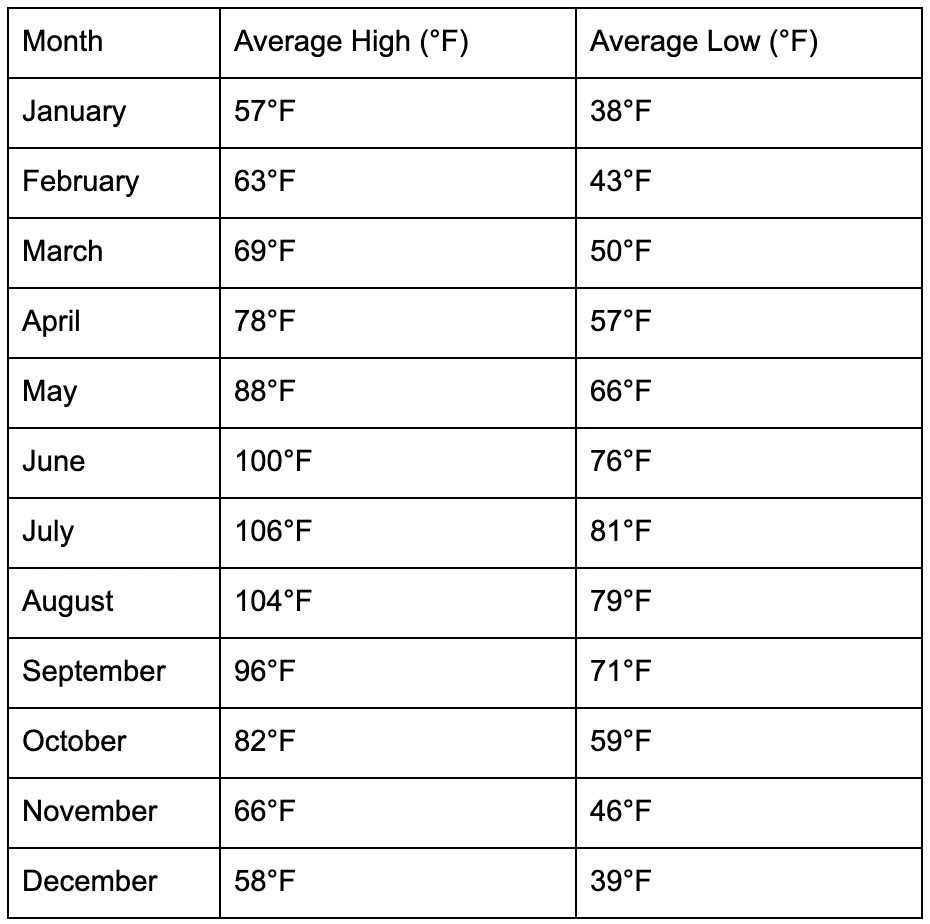
Summers in Las Vegas are notoriously hot. Average high temperatures frequently soar into the triple digits Fahrenheit (over 38°C), with daily highs often exceeding 100°F (37.8°C) for extended periods. Evenings offer little respite, with lows typically remaining in the mid-80s Fahrenheit (around 29-30°C). This is the peak of the “pool season,” where resorts like Bellagio and The Venetian become central hubs for cooling off. Outdoor activities during the day are best avoided between 10 AM and 6 PM. Planning indoor excursions to world-class shows, casinos, and dining establishments within the climate-controlled Las Vegas Strip is highly recommended during these months.
Autumn (September – November)
As summer heat begins to wane, autumn ushers in some of the most pleasant weather in Las Vegas. September still carries some residual summer heat, with average highs in the high 80s to low 90s Fahrenheit (31-35°C), but temperatures begin to moderate significantly by October and November. Average highs in October typically range from the mid-70s to low 80s Fahrenheit (24-28°C), while November sees highs in the 60s Fahrenheit (15-20°C). Nights become cooler, making evening strolls along the Strip or enjoying outdoor patios a delightful experience. This period is ideal for exploring attractions like the Neon Museum or taking day trips to nearby natural wonders such as Red Rock Canyon National Conservation Area without the oppressive heat.
Winter (December – February)
Winter in Las Vegas is mild and comfortable, a stark contrast to the desert’s summer intensity. Average daytime temperatures in December and January hover in the mid-50s Fahrenheit (around 13°C), with occasional dips into the 40s Fahrenheit (4-9°C). Nights can be chilly, often dropping into the 30s Fahrenheit (0-4°C). While snow is rare, frost is not uncommon, particularly in outlying areas. Despite the cooler temperatures, Las Vegas remains a popular winter destination due to its abundant sunshine and fewer crowds compared to peak seasons. It’s an excellent time for exploring the city’s indoor attractions, enjoying fine dining at establishments like Joël Robuchon Restaurant, or attending holiday events.
Spring (March – May)
Spring in Las Vegas is another highly sought-after period, marked by a gentle transition from cooler to warmer weather. March can still feel a bit cool, with average highs in the 60s Fahrenheit (15-20°C), but temperatures rapidly climb through April and May. By May, average highs are already in the 80s Fahrenheit (27-32°C), with the summer heat beginning to make its presence felt. Spring offers a perfect balance for outdoor exploration, with comfortable daytime temperatures ideal for visiting attractions like the Hoover Dam or exploring the Fremont Street Experience. The weather is generally sunny and pleasant, making it a prime time for visitors who want to enjoy Las Vegas without the extreme heat of summer or the chill of winter.
Factors Influencing Temperature Fluctuations
Several factors contribute to the dramatic temperature shifts experienced in Las Vegas.
Altitude
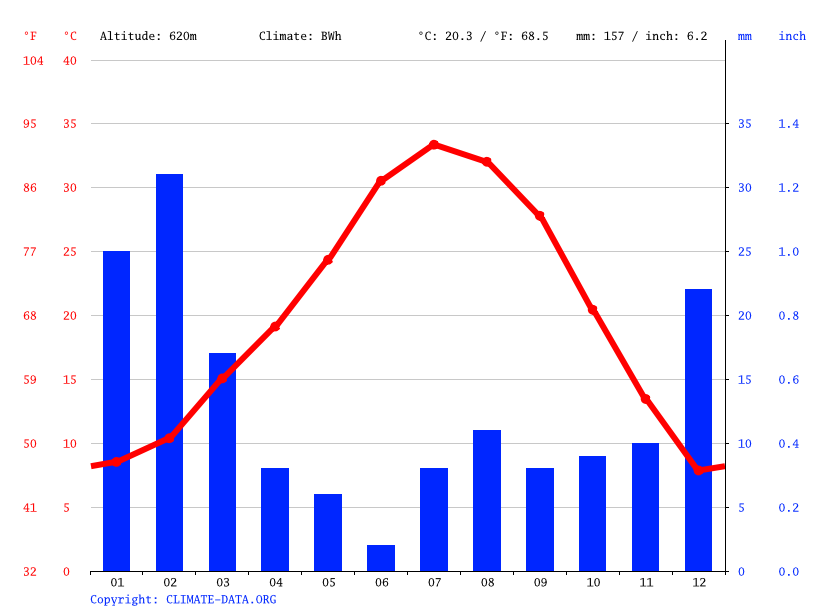
Las Vegas sits at an elevation of approximately 2,030 feet (619 meters) above sea level. While not a high-altitude city, this elevation does play a role in moderating temperatures compared to locations at much lower elevations. The thinner air at this altitude allows for more rapid cooling after the sun sets.
Proximity to Water Bodies
The absence of large, nearby bodies of water, such as oceans or significant lakes, means that Las Vegas experiences more extreme temperature variations. Water has a moderating effect on climate, absorbing heat during the day and releasing it slowly at night. Without this influence, the desert landscape heats up quickly under the sun and cools down just as rapidly once the sun is gone.

Solar Radiation and Lack of Cloud Cover
Las Vegas enjoys an abundance of sunshine year-round. The intense solar radiation directly heats the land and air. The typical lack of cloud cover, especially during summer months, means that the sun’s rays reach the surface unimpeded, leading to higher daytime temperatures. Conversely, during clear nights, heat radiates back into space quickly, contributing to cooler evenings.
Urban Heat Island Effect
The concentration of buildings, asphalt, and concrete in the urban core of Las Vegas creates an “urban heat island” effect. These materials absorb and retain more heat than natural landscapes, leading to slightly higher temperatures within the city compared to surrounding rural or desert areas, particularly at night. This effect can be noticeable as visitors move between the built-up Strip and the less developed outskirts.
Planning Your Las Vegas Trip Based on Temperature
When planning a visit to Las Vegas, aligning your trip with your tolerance for heat and your desired activities is essential.
Best Times to Visit for Optimal Weather
For visitors seeking pleasant, moderate temperatures ideal for outdoor exploration and comfortable sightseeing, spring (April-May) and autumn (October-November) are generally considered the best times to visit. During these shoulder seasons, daytime temperatures are warm enough for swimming and outdoor dining but cool enough for walking and exploring attractions without discomfort.
Navigating Extreme Temperatures
If your travel dates coincide with the peak summer months, be prepared for the heat. Prioritize indoor activities, stay hydrated, and utilize the extensive network of air-conditioned casinos, resorts like Aria Resort & Casino, and shopping centers. If you plan outdoor excursions, start them in the early morning or late evening. For winter visits, pack layers to adjust to cooler mornings and evenings, while still enjoying mild, sunny afternoons.
Essential Packing List for Las Vegas Weather
Your packing list should be heavily influenced by the season and the expected temperatures.
Summer Essentials
During summer, lightweight, breathable clothing is paramount. Think cotton shorts, t-shirts, and sundresses. A wide-brimmed hat, sunglasses, and high SPF sunscreen are non-negotiable for sun protection. Comfortable walking shoes are essential, even for short distances, as you’ll be doing a lot of walking between resorts and attractions. Don’t forget your swimwear for the numerous pools.
Spring and Autumn Essentials
These seasons call for versatile clothing. Pack a mix of lighter items for warmer days and a light jacket or sweater for cooler evenings. Comfortable walking shoes remain a priority. Layers are key, allowing you to easily adapt to changing temperatures throughout the day.
Winter Essentials
While Las Vegas winters are mild, evenings and early mornings can be quite cool. Pack sweaters, long-sleeved shirts, and a medium-weight jacket. Jeans or comfortable trousers are suitable for daytime exploration. Even in winter, sunglasses are useful due to the abundant sunshine.
Beyond the Numbers: Experiencing Las Vegas Regardless of Temperature
While temperature is a significant factor, Las Vegas offers a wealth of experiences year-round. The city’s infrastructure is designed to keep visitors comfortable regardless of the external climate. From the dazzling shows on the Strip and the culinary adventures in its world-class restaurants to the vibrant nightlife and the ever-present allure of the casinos, there’s always something to do. Understanding the temperature nuances of Las Vegas is not about avoiding certain times of the year, but about equipping yourself with the knowledge to plan a trip that maximizes enjoyment and comfort, allowing you to fully immerse yourself in the unparalleled excitement of this desert oasis. Whether you’re seeking the thrill of summer heat or the tranquility of a desert evening, Las Vegas promises an unforgettable experience, perfectly tailored to its dynamic climate.
LifeOutOfTheBox is a participant in the Amazon Services LLC Associates Program, an affiliate advertising program designed to provide a means for sites to earn advertising fees by advertising and linking to Amazon.com. Amazon, the Amazon logo, AmazonSupply, and the AmazonSupply logo are trademarks of Amazon.com, Inc. or its affiliates. As an Amazon Associate we earn affiliate commissions from qualifying purchases.