
The allure of Los Angeles is undeniable, a sprawling metropolis synonymous with sunshine, entertainment, and a vibrant lifestyle. When planning a visit to this iconic Californian city, one of the most crucial pieces of information for any traveler is the weather, and specifically, the temperature. Understanding the typical temperature in Los Angeles can significantly influence your packing, your itinerary, and your overall enjoyment of the City of Angels. This guide delves into the nuances of the Los Angeles climate, helping you make the most of your travel experience, whether you’re seeking luxury resorts, family-friendly activities, or a deep dive into local culture.
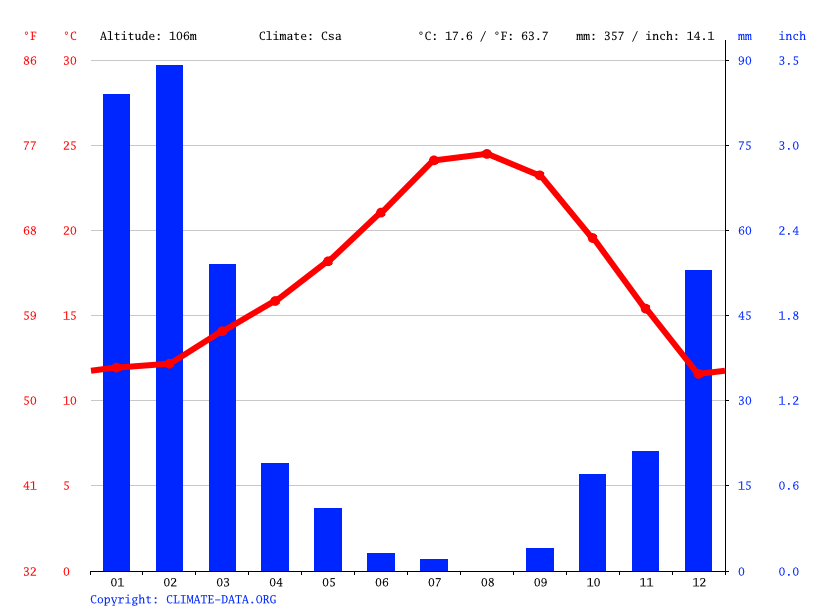
Understanding Los Angeles’ Mediterranean Climate
Los Angeles boasts a semi-arid climate with Mediterranean influences, characterized by mild, wet winters and warm to hot, dry summers. This translates to generally pleasant weather year-round, but with distinct seasonal variations that are important to consider. The city’s vast geographical spread also plays a role; temperatures can vary significantly between coastal areas, the inland valleys, and the mountainous regions surrounding the basin.
Coastal Influence: The Cooling Breeze of the Pacific
The proximity to the Pacific Ocean has a profound impact on the temperature in Los Angeles, particularly in coastal neighborhoods like Santa Monica, Venice Beach, and Malibu. The ocean acts as a natural air conditioner during the summer months, moderating extreme heat and often bringing a refreshing sea breeze, known locally as the “marine layer” or “coastal fog,” especially in the mornings. This marine layer can keep coastal temperatures cooler than inland areas, often by 10-15 degrees Fahrenheit. For instance, while inland Los Angeles might be sweltering, Santa Monica Pier could be enjoying a comfortable 75 degrees Fahrenheit. This phenomenon is most pronounced from late spring through early autumn.
Average Coastal Temperatures:
- Summer (June-August): Highs typically range from the mid-70s to low 80s Fahrenheit (around 24-28 degrees Celsius). Nights are cooler, often in the 60s Fahrenheit (16-20 degrees Celsius).
- Autumn (September-November): Still warm and sunny, with daytime highs in the 70s Fahrenheit (21-26 degrees Celsius). The marine layer becomes less frequent.
- Winter (December-February): Mild and pleasant, with daytime highs usually in the 60s Fahrenheit (16-20 degrees Celsius). Nights can dip into the 40s or low 50s Fahrenheit (5-12 degrees Celsius).
- Spring (March-May): Warming up, with temperatures steadily climbing. Daytime highs move from the 60s to the 70s Fahrenheit (16-26 degrees Celsius).
Inland Heat: The San Fernando Valley and Beyond
As you move away from the coast and into the inland valleys, such as the San Fernando Valley, the moderating effect of the ocean diminishes. Summers here are significantly hotter and drier, with temperatures frequently soaring into the 90s and even 100s Fahrenheit (32-38+ degrees Celsius). The lack of sea breezes means that heat can become more intense and prolonged. This is a crucial factor to consider if your accommodation or planned activities are situated further inland, perhaps near areas like Pasadena or Burbank.
Average Inland Temperatures:
- Summer (June-August): Highs commonly reach the 90s Fahrenheit (32-37 degrees Celsius), with heatwaves pushing temperatures even higher. Nights offer some relief but remain warm, often in the 70s Fahrenheit (21-26 degrees Celsius).
- Autumn (September-November): Transitioning from summer heat, with early autumn still experiencing warm days, though gradually cooling. Daytime highs can still be in the 80s Fahrenheit (27-31 degrees Celsius) in September and October.
- Winter (December-February): Similar to coastal areas, winters are mild, with daytime highs in the 60s Fahrenheit (16-20 degrees Celsius). Nights are cooler than the coast, often dropping into the high 30s or 40s Fahrenheit (4-9 degrees Celsius).
- Spring (March-May): Warming gradually, with temperatures in the 70s and sometimes low 80s Fahrenheit (21-28 degrees Celsius) by May.
Seasonal Temperature Variations and Planning Your Trip
Understanding the seasonal temperature fluctuations in Los Angeles is key to packing the right clothing and planning activities that align with comfortable weather conditions. Each season offers a unique appeal, and knowing the temperature helps you optimize your visit.
Summer: The Height of Sunshine and Warmth
Summer in Los Angeles (June through August) is synonymous with sunshine and warm weather. This is the peak tourist season, and for good reason. The skies are generally clear, and temperatures are consistently warm to hot. Coastal areas remain relatively pleasant thanks to the marine layer, making beach days a perfect option. However, for those exploring inland attractions like Griffith Observatory or attending events in downtown Los Angeles, be prepared for higher temperatures. Hydration is essential, and light, breathable clothing is a must. Evenings can be warm, so consider areas with air conditioning for comfortable accommodation. Many visitors opt for beach resorts or hotels in areas like Hollywood during this time.

Autumn: A Gentle Transition into Cooler Days
Autumn (September through November) is often considered one of the most pleasant times to visit Los Angeles. The intense heat of summer begins to subside, and the weather becomes wonderfully mild and sunny. The marine layer is less prevalent, offering more consistent sunshine across the city. September and October can still feel very summery, with daytime highs in the 70s and 80s Fahrenheit (21-31 degrees Celsius), while November brings cooler, more crisp air, with highs in the 70s Fahrenheit (21-26 degrees Celsius). This season is ideal for exploring Disneyland, visiting the Getty Center, or enjoying outdoor activities without the oppressive heat. It’s a great time for a more relaxed pace of travel.
Winter: Mild Temperatures and Occasional Rain
Winter in Los Angeles (December through February) is characterized by mild temperatures and is the city’s “rainy season,” although significant rainfall is not guaranteed and droughts are also common. Daytime temperatures are generally cool and comfortable, typically in the 60s Fahrenheit (16-20 degrees Celsius). This is a fantastic time for budget travelers or those seeking fewer crowds. You can still enjoy many outdoor attractions, though you might need a light jacket for the evenings or cooler days. If you’re visiting during the winter, pack layers, including a sweater or light coat, and an umbrella just in case. Attractions like Universal Studios Hollywood are still enjoyable, and the city’s culinary scene is always a draw.
Spring: A Blooming Period of Warming Weather
Spring in Los Angeles (March through May) is a time of renewal and warming weather. Temperatures steadily increase as the season progresses, moving from cool to pleasantly warm. March can still feel like a lingering winter with highs in the 60s Fahrenheit (16-20 degrees Celsius), but by May, temperatures are often in the 70s Fahrenheit (21-26 degrees Celsius), with some inland areas even touching the low 80s. The landscape comes alive with blooming flowers, making it a beautiful time to visit natural landmarks or explore the botanical gardens. This is an excellent period for enjoying outdoor dining, visiting museums, and taking advantage of the generally good weather before the summer heat fully arrives.
Beyond the Average: Microclimates and Weather Extremes
It’s important to remember that Los Angeles is a vast urban area with diverse topography, leading to significant microclimates. Beyond the coastal and inland distinctions, factors like elevation and proximity to mountains can influence temperature.
Mountainous Regions and Higher Elevations
Areas in the mountains surrounding Los Angeles, such as those near Mount Wilson or the San Gabriel Mountains, will experience cooler temperatures year-round compared to the basin. During summer, these higher elevations offer a welcome respite from the heat for hikers and nature enthusiasts. In winter, these same areas can even see snowfall, a stark contrast to the palm trees and beaches found elsewhere in the county.
The Santa Ana Winds: A Unique Phenomenon
A unique weather phenomenon that can significantly impact Los Angeles temperatures is the arrival of the Santa Ana winds. These are hot, dry, offshore winds that typically occur during the autumn and winter months. They can dramatically increase temperatures, often by 10-20 degrees Fahrenheit, and create extremely dry conditions, increasing the risk of wildfires. When the Santa Ana winds blow, inland temperatures can spike into the 80s and 90s Fahrenheit (27-38 degrees Celsius) even in cooler months. This is an important consideration for planning outdoor activities and understanding potential air quality changes.

Planning Your Stay: Accommodation and Activities
When booking your Los Angeles accommodation, whether it’s a luxury suite at the Beverly Wilshire, A Four Seasons Hotel, a family-friendly resort in Anaheim, or a charming villa in Malibu, consider its location in relation to the coast. This will provide valuable insight into the expected temperature range.
- Coastal Stays: Ideal for those who prefer cooler breezes and easy access to beaches. Packing might include swimwear, sundresses, and light layers.
- Inland Stays: Better for those who don’t mind warmer temperatures and want proximity to theme parks or specific cultural attractions. Think light clothing, hats, and plenty of sunscreen.
- Mountain Retreats: For those seeking cooler air and outdoor adventure, packing for cooler temperatures is key.
No matter when you visit Los Angeles, the city offers a captivating experience. By understanding the nuances of its temperature, from the cool ocean breezes to the warm valley heat, you can better prepare for your adventure and ensure a comfortable and memorable trip, filled with explorations of its world-famous landmarks, diverse culinary delights, and unparalleled lifestyle.
LifeOutOfTheBox is a participant in the Amazon Services LLC Associates Program, an affiliate advertising program designed to provide a means for sites to earn advertising fees by advertising and linking to Amazon.com. Amazon, the Amazon logo, AmazonSupply, and the AmazonSupply logo are trademarks of Amazon.com, Inc. or its affiliates. As an Amazon Associate we earn affiliate commissions from qualifying purchases.