
The allure of San Francisco is undeniable. Its iconic skyline, vibrant culture, and stunning natural beauty draw millions of visitors each year. Yet, for many planning a trip, a fundamental question arises: what is the temperature in [San Francisco]? Understanding the city’s climate is crucial for packing appropriately, planning outdoor activities, and truly experiencing all that this beloved destination has to offer. Unlike many cities that experience distinct and dramatic seasonal shifts, [San Francisco]’s temperature is remarkably consistent throughout the year, largely due to its unique geographical positioning and the moderating influence of the Pacific Ocean.
Understanding San Francisco’s Unique Microclimates
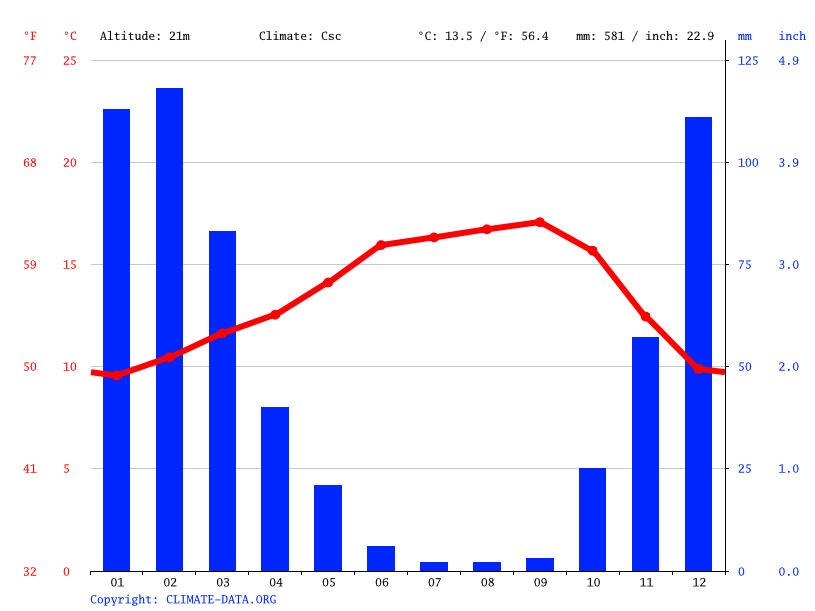
San Francisco is a city of hills, fog, and distinct neighborhoods, each possessing its own unique microclimate. This means that while the official temperature might read one number, stepping a few blocks in a different direction can reveal a noticeably different atmospheric condition. The pervasive “fog belt” originating from the Pacific Ocean plays a significant role, often keeping the western parts of the city cooler and foggier, especially during the summer months, while the eastern and southern neighborhoods tend to be warmer and sunnier. This phenomenon is a defining characteristic of the [San Francisco] experience and a key factor in understanding its temperature.
The Influence of the Pacific Ocean
The vast expanse of the Pacific Ocean acts as a natural thermostat for San Francisco. Its cool currents, particularly the California Current, significantly temper the city’s temperatures year-round. This oceanic influence prevents extreme heat from building up in the summer and keeps the winter temperatures from plummeting too drastically. The ocean’s moisture also fuels the famous San Francisco fog, which is a direct consequence of warm, moist air from the ocean moving over the colder coastal waters. This fog often rolls in during the late afternoon and evening, particularly in the summer, and can dramatically lower temperatures and visibility.
Navigating Neighborhood Temperature Variations
When considering the temperature in San Francisco, it’s essential to acknowledge the microclimates that exist within the city.
- Western Districts (e.g., Outer Sunset, Outer Richmond): These neighborhoods, closest to the Pacific Ocean, are the most susceptible to the cooling effects of the fog. Summers here are often cool and overcast, with average highs in the 60s Fahrenheit. Winters are mild, with temperatures rarely dropping below the 40s.
- Central and Eastern Districts (e.g., Downtown, South of Market, Mission District): As you move inland, the fog’s influence diminishes. These areas tend to be warmer and sunnier, especially during the day. Summers can reach into the 70s and sometimes 80s Fahrenheit. Winters remain mild, mirroring the western districts.
- Southern Districts (e.g., Sunset, Parkmerced): These areas often experience a blend, with some proximity to the ocean but also benefiting from inland warmth. Temperatures here can fluctuate but generally fall within the moderate range.
This variation means that packing layers is not just a suggestion but a necessity for any visitor wanting to explore different parts of San Francisco on any given day.
Seasonal Temperature Trends in San Francisco
While San Francisco is known for its mild climate, there are subtle shifts in temperature throughout the year that are worth noting for travelers. The seasons are less about extreme heat or cold and more about variations in sunshine, fog, and rainfall.
Spring (March – May): A Gradual Warming and Emerging Sunshine
Spring in San Francisco (March to May) is characterized by a gradual increase in temperatures and a noticeable return of sunshine, particularly in the latter half of the season. Average daily temperatures typically range from the mid-50s to the mid-60s Fahrenheit. While mornings and evenings can still be cool and foggy, the afternoons often bring pleasant warmth, especially in neighborhoods further from the coast. Rainfall decreases significantly after February, making spring a lovely time to explore the city’s parks and outdoor attractions.
Summer (June – August): The “Foggy Summer” Phenomenon
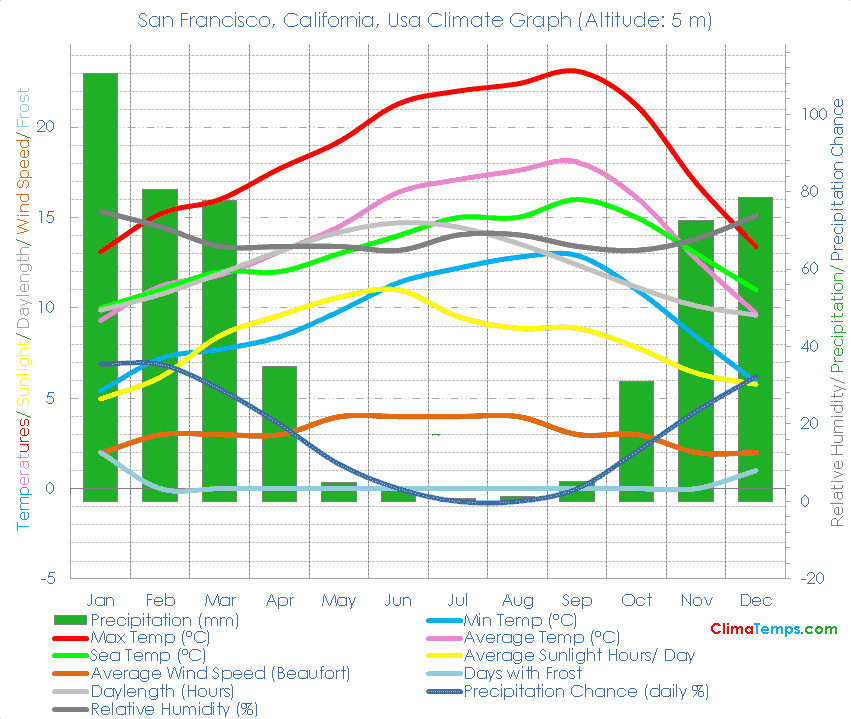
Contrary to what many expect from a summer season, San Francisco experiences its coolest weather during June, July, and August. This is due to the phenomenon known as the “foggy summer.” The cooler ocean currents become more pronounced, and the temperature difference between the land and sea encourages fog to roll in each afternoon, often shrouding the Golden Gate Bridge and the western neighborhoods. Average highs typically hover in the mid-60s Fahrenheit, but inland areas can still experience warmer days. Evenings are consistently cool, often dropping into the 50s, making a jacket essential.
Autumn (September – November): The Warmest and Clearest Months
For many locals and savvy visitors, autumn is considered the prime season for San Francisco. September and October, in particular, often bring the warmest temperatures and the clearest skies of the year. The strong marine layer that dominates the summer begins to recede, allowing for more sunshine and comfortable warmth, with average highs often reaching into the 70s Fahrenheit. November starts to see a slight dip in temperatures and a return of occasional rain showers, but it generally remains pleasant and less crowded than other times of the year.
Winter (December – February): Mild and Damp
San Francisco’s winters (December to February) are mild and generally wet. Temperatures are cool but rarely freezing, with average highs typically in the low to mid-50s Fahrenheit and overnight lows usually in the 40s. The city receives most of its annual rainfall during these months, contributing to its lush green hills. Despite the rain, there are often periods of clear, crisp days, perfect for exploring the city’s indoor attractions and enjoying a brisk walk along the Embarcadero. Snow is virtually unheard of in San Francisco.
Preparing for Your Visit: Packing and Activity Planning
Understanding San Francisco’s temperature patterns is key to a comfortable and enjoyable visit. The mantra for packing is always “layers.”
The Essential Layering Strategy
Regardless of the season, you will likely need layers.
- Base Layer: A t-shirt or light long-sleeved shirt is a good starting point.
- Mid Layer: A sweater, fleece jacket, or hoodie provides insulation.
- Outer Layer: A windproof and water-resistant jacket is indispensable. This will protect you from the infamous San Francisco fog and any unexpected rain showers.
Even on a seemingly warm summer day, the temperature can drop significantly once the fog rolls in or the sun sets. Conversely, a cool spring morning can quickly become pleasant as the day progresses.
Footwear and Accessories
Comfortable walking shoes are paramount, as San Francisco is a city best explored on foot. Consider waterproof options if visiting during the wetter months. A scarf can be a versatile accessory, offering warmth on cooler days and protection from the wind. A hat and sunglasses are useful for sunny days, though they may be tucked away during foggy periods.

Planning Activities Based on Temperature
- Foggy Days: Embrace the atmospheric charm. Visit indoor attractions like the California Academy of Sciences, the de Young Museum, or enjoy a cozy meal at a local cafe. A visit to Alcatraz Island can be a dramatic experience with fog swirling around.
- Sunny Days: Take advantage of the warmth and clear skies. Explore Golden Gate Park, walk across the Golden Gate Bridge, or enjoy a picnic at Dolores Park. The views from Twin Peaks are spectacular on clear days.
- Mild Days: These are perfect for exploring neighborhoods like North Beach, Chinatown, or the Ferry Building Marketplace. Enjoy a cable car ride or wander through the bustling streets.
By understanding the nuanced temperature patterns and microclimates of San Francisco, visitors can better prepare for their journey, ensuring that every moment spent in this captivating city is comfortable and memorable, regardless of what the thermometer reads.
LifeOutOfTheBox is a participant in the Amazon Services LLC Associates Program, an affiliate advertising program designed to provide a means for sites to earn advertising fees by advertising and linking to Amazon.com. Amazon, the Amazon logo, AmazonSupply, and the AmazonSupply logo are trademarks of Amazon.com, Inc. or its affiliates. As an Amazon Associate we earn affiliate commissions from qualifying purchases.