
Embarking on a journey to the Lone Star State promises a mosaic of vibrant cultures, breathtaking landscapes, and unforgettable experiences, from the bustling cityscapes of Houston and Dallas to the historic charm of San Antonio and the musical heart of Austin. Whether you’re planning a luxury escape, a budget-friendly family trip, or a crucial business stay, understanding the financial landscape is as important as mapping out your itinerary. One often-overlooked but crucial aspect of travel budgeting is sales tax. When you’re booking accommodations, dining out, shopping for souvenirs, or exploring world-class attractions, sales tax rates can subtly yet significantly impact your overall expenses.
This comprehensive guide aims to demystify the sales tax rates in Texas, providing travelers with the essential knowledge needed to budget effectively and explore confidently. We’ll delve into the state’s core sales tax, explain how local variations can affect your costs, and differentiate it from the equally important hotel occupancy tax. By the end, you’ll be equipped with the insights to navigate your Texan adventure like a seasoned local, ensuring your focus remains on creating cherished memories rather than grappling with unexpected charges. From understanding the nuances of how tax applies to your hotel amenities to recognizing its impact on a gourmet meal or a unique find at a local market, we’ve got you covered. Get ready to plan your trip to Texas with a clearer financial vision, ensuring every dollar is spent wisely on experiences that truly matter.
Decoding the Texas Sales Tax: A Traveler’s Essential Guide
Understanding the sales tax structure in Texas is foundational for any visitor looking to manage their travel budget effectively. It’s not just a single, static number; rather, it’s a dynamic system with a statewide base rate augmented by local levies. This layered approach means that the actual tax you pay can vary depending on where you are in the state and what you’re purchasing. For those planning stays in various hotels, exploring different tourist attractions, or indulging in diverse culinary experiences, grasping these distinctions is paramount.
The Core State Sales Tax Rate
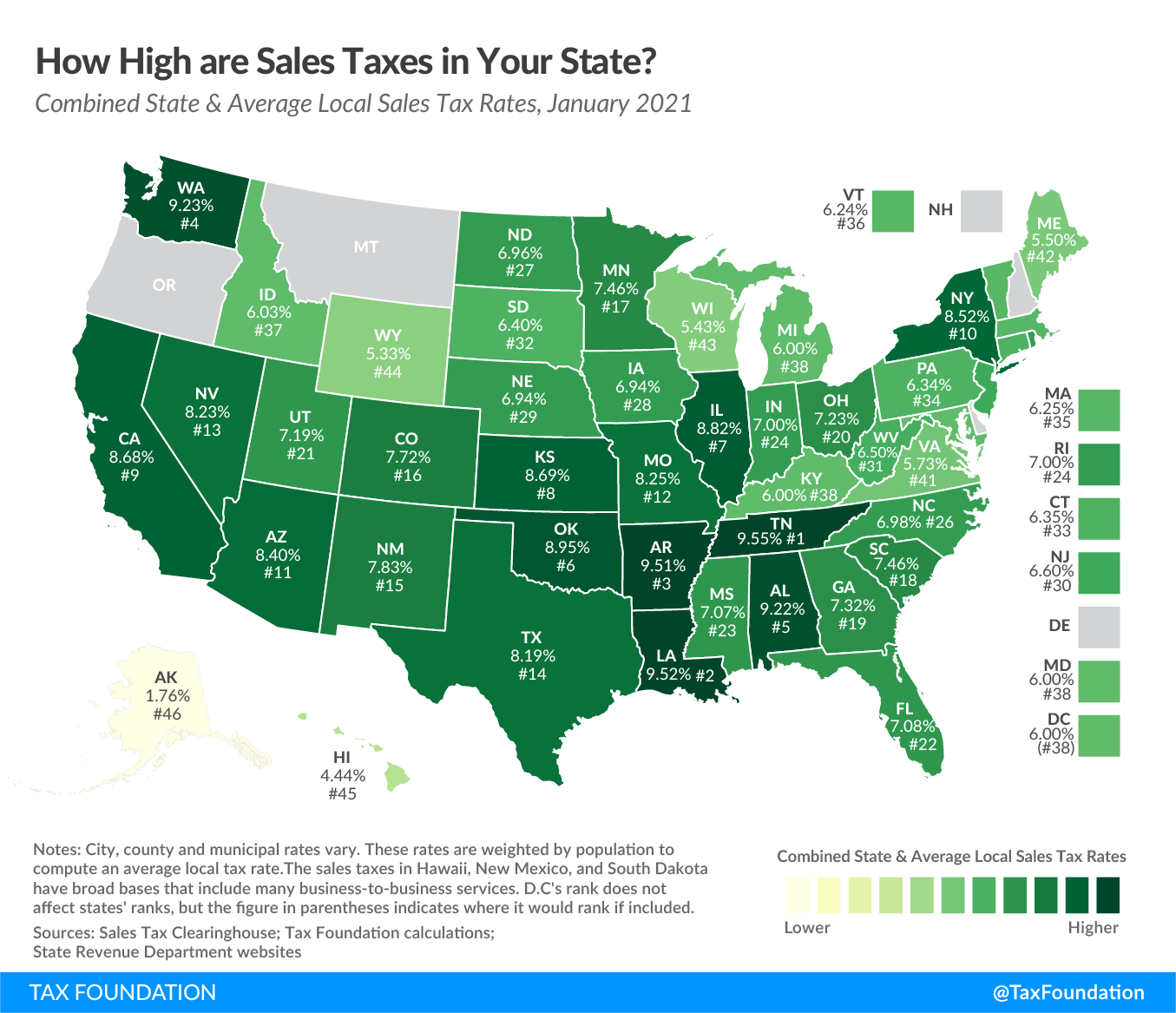
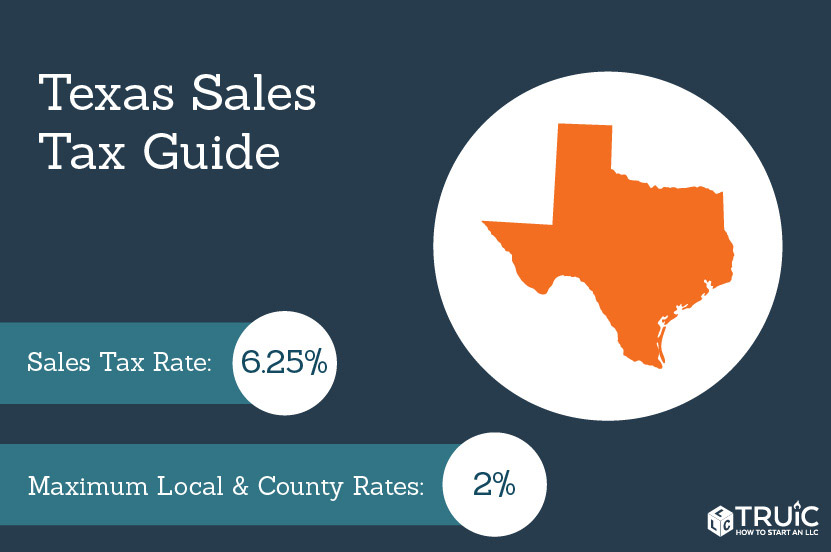
At the heart of the Texas sales tax system is the state’s baseline rate. The Texas state sales tax rate is 6.25%. This percentage is applied uniformly across the entire state to the retail sale of most tangible personal property and certain services. When you buy a souvenir t-shirt in Galveston, rent a car in Dallas, or purchase a handcrafted item at a market in Fredericksburg, this 6.25% state sales tax is the fundamental component of the tax you’ll pay.
Compared to other states, Texas’s state sales tax rate falls within a moderate range. It’s not among the highest, nor is it the lowest, making it a relatively predictable component of your spending. However, it’s crucial to remember that this is just the starting point. The real complexity, and where your travel budget might see greater fluctuations, comes into play with local additions.
Navigating Local Sales Taxes and Combined Rates
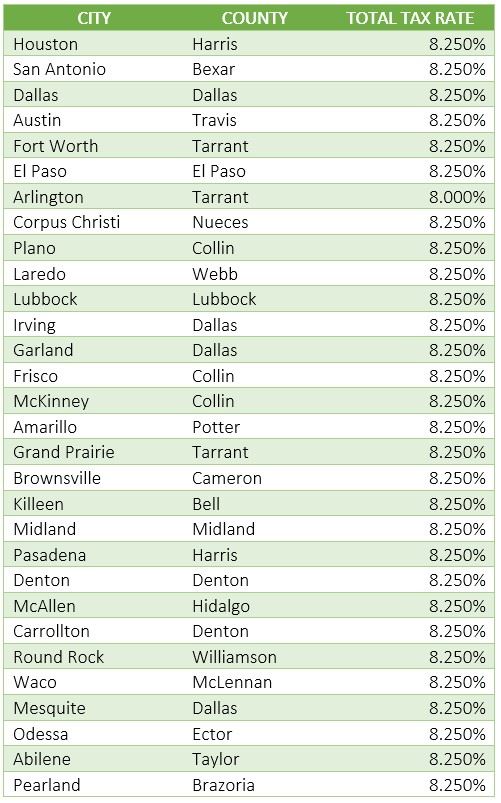
While the 6.25% state rate is consistent, nearly every city, county, and special purpose district in Texas has the authority to impose additional local sales taxes. These local taxes can add up to an extra 2% on top of the state rate. This means that the total sales tax rate you encounter as a traveler can range from the base 6.25% in very few, specific areas, up to a maximum combined rate of 8.25% (6.25% state + 2% local).
For instance, if you’re exploring the historic landmarks and vibrant nightlife of San Antonio, you might find the combined sales tax rate is typically around 8.25%. The same often holds true for the major metropolitan areas like Houston, Dallas, and Fort Worth. In contrast, some less populated counties or rural areas might have lower combined rates if they haven’t adopted the full 2% local option.
This variability underscores the importance of being aware of the specific location you’re visiting. When booking hotels or planning activities, a quick online search for the local sales tax rate of your destination city can provide a more accurate picture of your potential expenses. This foresight is especially valuable for long-term stays or extensive shopping trips, where even small percentage differences can accumulate.
The Distinct World of Texas Hotel Occupancy Tax (HOT)
Perhaps one of the most significant tax considerations for travelers focusing on hotels and accommodation is the Hotel Occupancy Tax (HOT). It’s vital to understand that HOT is separate and distinct from the general sales tax discussed above, although both will apply to different aspects of your hotel stay.
The Texas state Hotel Occupancy Tax is 6% of the cost of the room. This statewide tax is levied specifically on the rent paid for a hotel room, bed and breakfast, or any other lodging accommodation for fewer than 30 consecutive days. This tax directly impacts your booking costs for suites, resorts, apartments, and villas across the state.
Crucially, like general sales tax, cities and counties in Texas also have the authority to impose their own local HOT, in addition to the state’s 6%. Many popular tourist destinations leverage these local HOT funds to promote tourism and develop convention facilities. For example, major cities like Austin, San Antonio, and Houston often have combined state and local HOT rates that can reach 15-17% or even higher in some areas. This means that a significant portion of your daily room rate will go towards these occupancy taxes.
When you see a room rate advertised, remember that the Hotel Occupancy Tax will be added on top, sometimes significantly increasing the final price. This is a critical factor when comparing hotel prices or budgeting for your accommodation. Always look for the “total price including taxes and fees” when booking to avoid surprises. Understanding the difference between general sales tax on goods/services and the specific Hotel Occupancy Tax on your room is key to mastering your travel finances in Texas.
Where Sales Tax Touches Your Texas Travel Experience
For visitors exploring the vast and varied landscapes of Texas, sales tax isn’t just an abstract number; it’s a tangible component of almost every transaction. From the moment you check into your hotel to the final souvenir you purchase, understanding where and how sales tax applies can help you budget more effectively and enjoy your trip without financial surprises. The topics of Travel, Hotels, Tourism, Accommodation, Landmarks, and Lifestyle are all directly influenced by these tax considerations.
Accommodation Beyond the Room Rate
While the Hotel Occupancy Tax (HOT) is applied to your room rate, the general sales tax (the 6.25% state rate plus local additions) can still impact other aspects of your stay at a hotel, resort, or apartment. If you indulge in amenities like a spa treatment, purchase items from the hotel gift shop, opt for room service (for non-prepared food items or certain service charges), or utilize specific paid hotel services, these transactions will typically be subject to the standard sales tax. Even if you’ve booked an all-inclusive resort, some personal purchases or upgraded experiences might incur sales tax. When comparing booking options or reviewing hotel amenities, factoring in these potential extra costs can prevent any unexpected charges upon checkout, ensuring your accommodation experience aligns with your budget.
Dining, Drinks, and Culinary Adventures
Texas is a foodie paradise, offering everything from sizzling BBQ and authentic Tex-Mex to upscale dining experiences. Whether you’re enjoying a casual meal at a local eatery, sipping cocktails at a trendy bar in Austin, or dining at a fine restaurant in Dallas, you’ll encounter sales tax on prepared food and beverages. This includes alcoholic drinks, soft drinks, and all restaurant meals. The sales tax rate applied will be the combined state and local rate for that specific city or county. For travelers who plan to immerse themselves in the local culture through its diverse cuisine, remembering to factor in the 6.25% to 8.25% sales tax on top of menu prices is essential for accurate budgeting, especially for family trips or those on a budget.
Shopping for Souvenirs and Local Goods
No trip to Texas is complete without bringing home a piece of the Lone Star State. From unique cowboy boots in Fort Worth to artisan crafts in Gruene, shopping is a significant part of the tourism experience. The general sales tax applies to most tangible personal property, including clothing, gifts, electronics, books, and souvenirs. Whether you’re browsing the boutiques of Houston’s Galleria, exploring the shops along San Antonio’s Riverwalk, or picking up groceries for a long-term stay in a vacation rental (note: most unprepared groceries are exempt, but non-food items will be taxed), sales tax will be an added cost. This is particularly relevant for luxury travel shoppers or those looking to stock up on unique local items.
Attractions, Entertainment, and Services
Texas boasts an incredible array of attractions, from historical landmarks like The Alamo to thrilling theme parks, world-class museums, and vibrant live music venues. Sales tax can apply to admission tickets for many of these tourist attractions and entertainment events. For instance, tickets to a concert, a movie, a guided tour of a famous place, or entry to a natural park might all include sales tax. Additionally, certain services popular with travelers, such as car rentals (excluding specific insurance or waiver fees, but generally on the rental itself) and some repair or maintenance services you might unexpectedly need, will also be subject to sales tax. Always clarify if tax is included in the advertised price for tickets or services to avoid surprises, especially when planning a packed itinerary of experiences.
Budgeting Smart for Your Texas Journey: Tips and Exemptions
Planning a memorable trip to Texas involves more than just selecting destinations and booking hotels; it also requires a savvy approach to budgeting, especially when it comes to understanding and accounting for sales tax. With careful planning, you can navigate these financial aspects smoothly, ensuring your focus remains on enjoying the rich culture, diverse activities, and stunning landscapes of the Lone Star State. This section provides practical tips and highlights important exemptions that can help you stretch your travel dollar further.
Navigating Common Sales Tax Exemptions
While sales tax is pervasive, Texas does offer some exemptions that are worth noting, even if they don’t always directly apply to the bulk of tourist spending.
- Groceries: Most unprepared food items purchased for home consumption (e.g., at a grocery store or supermarket) are exempt from sales tax. This means if you’re staying in an apartment or villa with kitchen facilities for a long-term stay, buying ingredients to cook your own meals can be a tax-free way to save compared to dining out, where prepared food is always taxed.
- Medicine: Prescription drugs and many over-the-counter medicines are generally exempt from sales tax. While hopefully not a major part of your travel budget, it’s good to know should the need arise.
- Certain Services: While many services are taxed, some professional services (like legal or medical consultation) are exempt. However, services directly related to your travel, such as car rentals or tickets to events, are usually taxed as tangible personal property or taxable services.
For the typical traveler focused on experiences, dining, and souvenirs, these exemptions might not significantly reduce your overall tax burden. However, being aware of them can still offer small savings, especially for those on extended stays or preferring a more self-sufficient travel lifestyle.
Practical Tips for a Tax-Savvy Trip
Mastering your budget while enjoying the best of Texas comes down to proactive planning and smart decisions. Here are some actionable tips:
- Research Local Tax Rates: Before arriving in a new city or town, quickly check its combined sales tax rate and Hotel Occupancy Tax rate online. This knowledge empowers you to make informed decisions about where to stay and where to shop. Websites focused on accommodation booking often allow you to view the final price including all taxes and fees, which is the most reliable way to compare.
- Factor in All Taxes for Accommodation: When comparing hotels, resorts, or other accommodation options, always consider the final price including both the room rate and the Hotel Occupancy Tax. A seemingly cheaper room might end up being more expensive if its location has a significantly higher local HOT. Utilize booking platforms that provide a clear breakdown of all charges.
- Budget for Dining and Shopping: Don’t forget to allocate an additional 6.25% to 8.25% to your dining and shopping budget. While this might seem small per transaction, it adds up over a multi-day trip, especially for family trips or those indulging in luxury travel experiences.
- Look for All-Inclusive Options (with caveats): Some resorts or tour packages might advertise “all-inclusive” pricing. While this can simplify budgeting, always read the fine print to understand exactly what’s included and if any sales tax or service charges might still apply to certain premium services or purchases.
- Consider Package Deals: Sometimes, booking travel packages that bundle flights, hotels, and attractions can offer better overall value, as the tax implications might be handled differently or absorbed into a single price point. This can be a great strategy for both budget travel and more elaborate luxury travel itineraries.
- Keep Track of Receipts: For business stays or those requiring expense tracking, keeping detailed receipts can help you understand exactly how much tax you paid on various items and services, making reconciliation easier.
By incorporating these tips into your travel planning, you can significantly enhance your budgeting accuracy and ensure a smoother, more financially predictable journey through Texas.
Exploring Iconic Texas Destinations: Tax Considerations by City
Texas is a vast state, and each of its major cities offers a distinct personality, a unique array of attractions, and, of course, slightly different tax considerations. For travelers planning a multi-city tour or simply choosing their primary base, understanding these local nuances can further refine their budgeting strategies.
Austin: Live Music Capital and Beyond
Austin, the capital city, is renowned for its vibrant live music scene, eclectic culture, and beautiful natural surroundings. From exploring Zilker Park to paddleboarding on Lady Bird Lake or catching a show on Sixth Street, there’s no shortage of activities. The combined sales tax rate in Austin typically hovers around 8.25%. This rate will apply to most of your purchases, from shopping on South Congress Avenue to dining at its famous food trucks. More significantly for accommodation, Austin’s Hotel Occupancy Tax rate is notably high, often reaching around 17%, combining state and local taxes. This can significantly increase the cost of hotels, boutique apartments, and resorts, making early booking and thorough price comparisons crucial for those planning family trips or business stays in this popular destination.
Dallas-Fort Worth: Urban Sophistication Meets Western Heritage
The Dallas-Fort Worth Metroplex offers two distinct yet complementary experiences. Dallas is known for its upscale shopping, world-class museums like the Dallas Arts District, and sophisticated dining, while Fort Worth embraces its cowboy heritage with the historic Stockyards National Historic District. Both cities generally have a combined sales tax rate of 8.25%. This rate will apply to everything from luxury goods purchased at the Galleria Dallas to tickets for a rodeo show in Fort Worth. The Hotel Occupancy Tax in both cities is also substantial, typically in the 15-17% range. Travelers exploring the vast options for hotels, suites, and resorts across this sprawling region should factor these rates into their budgets, whether they’re on a business trip or enjoying a lifestyle of leisure.
Houston: Space, Culture, and Culinary Delights
Houston, the largest city in Texas, is a global hub for space exploration (home to Space Center Houston), energy, and a remarkably diverse culinary scene. Visitors come for its museums, vibrant arts scene, and shopping. The combined sales tax rate in Houston is usually 8.25%, affecting everything from admission to the Museum District to meals at its acclaimed restaurants. Like Austin and Dallas, Houston’s Hotel Occupancy Tax is significant, often around 17%. Given Houston’s extensive range of hotels, from budget-friendly options to opulent resorts, understanding this tax is crucial for any traveler, especially those considering longer stays or business accommodations.
San Antonio: The Alamo and Riverwalk Experiences
San Antonio offers a rich tapestry of history and culture, centered around iconic landmarks like The Alamo and the enchanting Riverwalk. Visitors flock to enjoy boat tours, historic missions, and a unique Tex-Mex culinary tradition. The combined sales tax rate in San Antonio is typically 8.25%. This applies to souvenirs from the Historic Market Square, dining along the Riverwalk, and tickets to attractions. The Hotel Occupancy Tax in San Antonio is also substantial, often in the 16.75% range. Given the city’s popularity as a tourist destination, accounting for this tax is vital when booking hotels, charming bed & breakfasts, or apartments for an authentic Texan experience.
Coastal Gems: Galveston and Corpus Christi
For those seeking sun, sand, and sea, Texas’s Gulf Coast offers charming destinations like Galveston and Corpus Christi. Galveston boasts historic architecture, the Pleasure Pier, and beautiful beaches, while Corpus Christi is known for the USS Lexington Museum and its vibrant bayfront. Both cities typically have a combined sales tax rate of 8.25%. This rate will apply to beach gear, seafood restaurants, and souvenirs. The Hotel Occupancy Tax rates in these coastal cities are also a key consideration, often ranging from 15-17%. For travelers planning resort stays, beach house rentals, or extended vacations to enjoy the coastal lifestyle and attractions, these taxes will be a significant part of their accommodation expenses.
Conclusion: Planning Your Tax-Smart Texas Adventure
Embarking on a journey across Texas promises an adventure filled with diverse experiences, from the bustling energy of its major cities to the tranquil beauty of its natural parks and coastal retreats. Whether your travel style leans towards luxury getaways, immersive cultural tourism, or meticulously planned budget travel, understanding the state’s sales tax rates is an indispensable tool for a smooth and enjoyable trip.
We’ve explored that the core Texas state sales tax rate is 6.25%, which forms the foundation of nearly all taxable purchases. This rate is then augmented by local city, county, and special district taxes, leading to a combined sales tax rate that can reach up to 8.25% in most major urban and tourist centers. This combined rate applies to a wide array of goods and services critical to your trip, including dining out, shopping for local treasures and souvenirs, renting a car, and admission to many attractions and entertainment venues.
Crucially, we’ve distinguished the general sales tax from the Hotel Occupancy Tax (HOT). While the former applies to your purchases of tangible goods and certain services, the latter is a separate levy specifically on your accommodation. With a state HOT of 6% plus significant local additions, the total occupancy tax on your hotel, resort, or vacation rental can frequently climb to 15-17% or higher in popular destinations like Austin, Dallas, Houston, and San Antonio. This is a vital figure to factor into your accommodation budget, as it can substantially increase the final cost of your stay.
By incorporating these insights into your travel planning, you empower yourself to make informed decisions about booking hotels, comparing attractions, and managing your daily expenses. Researching local tax rates for your chosen destinations, understanding which items are taxed (and which few are exempt, like unprepared groceries), and always checking the final, all-inclusive price for accommodations are key strategies for a tax-savvy journey.
So, as you dream of exploring iconic landmarks, savoring unique Texan cuisine, and experiencing the legendary hospitality of the Lone Star State, remember that a little knowledge about sales tax can go a long way. Budget wisely, travel confidently, and immerse yourself fully in all the incredible experiences Texas has to offer, without any unexpected financial detours. Your tax-smart Texas adventure awaits!
LifeOutOfTheBox is a participant in the Amazon Services LLC Associates Program, an affiliate advertising program designed to provide a means for sites to earn advertising fees by advertising and linking to Amazon.com. Amazon, the Amazon logo, AmazonSupply, and the AmazonSupply logo are trademarks of Amazon.com, Inc. or its affiliates. As an Amazon Associate we earn affiliate commissions from qualifying purchases.