
Planning a trip to the Lone Star State, from the vibrant urban landscapes of Houston and Dallas to the scenic beauty of the Texas Hill Country or the historic charm of San Antonio? While you’re mapping out your itinerary, booking your ideal accommodation, and dreaming of indulging in authentic Texas barbecue, one crucial element often overlooked in the excitement of travel planning is sales tax. Understanding what Texas sales tax entails can significantly impact your travel budget, ensuring a smoother and more predictable financial experience.
Texas, much like many other states in the United States, levies a sales tax on a wide array of goods and specific services. For travelers, this isn’t just a minor surcharge; it’s a critical component of the final price you’ll pay for everything from your hotel room and restaurant meals to souvenirs and admission tickets for attractions. Navigating these taxes effectively means you can allocate your funds more wisely, whether you’re planning a luxurious escape or a budget-friendly adventure. This comprehensive guide will demystify Texas sales tax, explaining how it applies to various aspects of your trip, including accommodation, dining, shopping, and entertainment, and offering insights to help you budget like a seasoned traveler.
Understanding the Basics of Texas Sales Tax for Travelers
Before you even set foot in the Lone Star State, grasping the fundamental structure of Texas sales tax is paramount. It’s a multi-layered system that combines a statewide rate with optional local taxes, meaning the total percentage you pay can vary depending on your exact location within the state. For anyone planning a trip – whether it’s for leisure, business, or a long-term stay – factoring this into your financial planning is as important as choosing the right flight or the perfect resort.
The Standard Rate and Local Variations
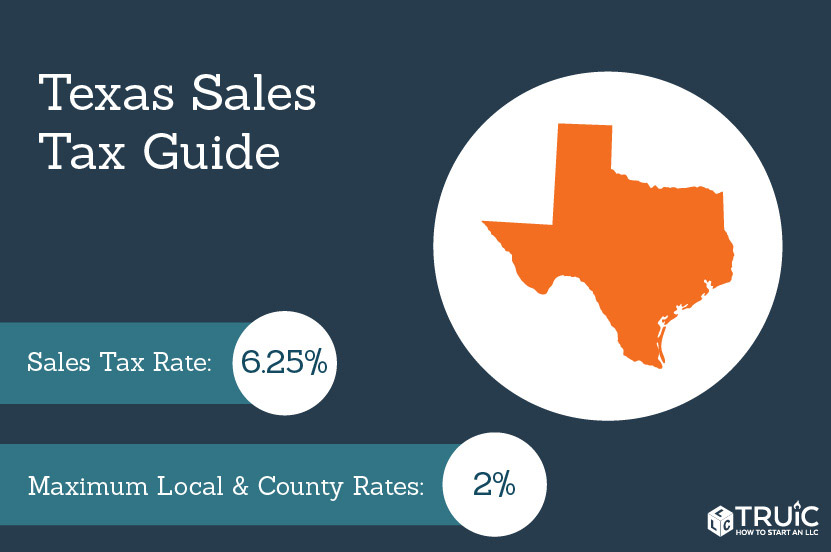
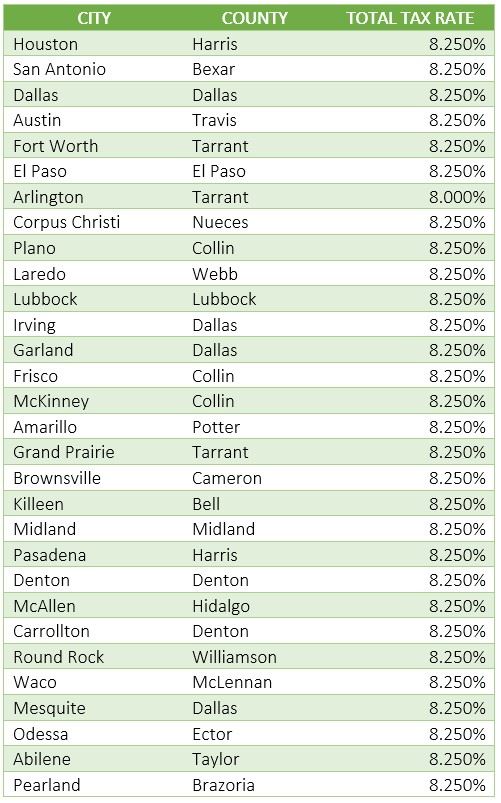
At its core, Texas imposes a statewide sales tax rate of 6.25%. This is the foundational percentage that applies to most taxable goods and services across all 254 counties. However, what makes the system dynamic and requires careful attention from travelers is the additional local option sales tax. Cities, counties, and special purpose districts (like transit authorities) have the authority to impose an additional sales tax of up to 2%. This means that the combined sales tax rate in most urban and populated areas of Texas can reach a maximum of 8.25%.
Consider, for example, popular travel destinations:
- In vibrant cities like Houston, Dallas, Austin, and San Antonio, the combined sales tax rate is typically at this maximum of 8.25%. This rate applies to a vast array of consumer purchases.
- Smaller towns or rural areas might have a lower combined rate if local jurisdictions haven’t imposed the full 2% local option. However, for most tourist-heavy areas, assuming the higher 8.25% is a safe bet when budgeting.
For a traveler, this means that an item priced at $100 before tax will cost $108.25 in most major cities. While seemingly small on individual purchases, these percentages add up quickly over the course of a vacation, especially when considering larger expenses like accommodation, extensive dining, or substantial souvenir shopping. Budgeting for your trip to Texas isn’t just about the listed price; it’s about the final cost including these crucial tax additions.
Who Pays and What’s Taxable?
In Texas, the burden of sales tax generally falls upon the consumer at the point of purchase. Businesses that sell taxable goods or services are responsible for collecting this tax from their customers and remitting it to the state Comptroller’s office.
What’s generally taxable?
- Tangible Personal Property: This category covers almost all physical goods you purchase. Think clothing, electronics, books, art, souvenirs, and even groceries prepared for immediate consumption (like hot deli food).
- Certain Services: Unlike many states where most services are exempt, Texas does tax a specific list of services. While many professional services (like legal or medical) are exempt, those relevant to travelers might include:
- Repair and remodeling of nonresidential real property: Unlikely for a tourist, but relevant for business travelers or those with extended stays.
- Amusement services: This is highly relevant, covering admission to attractions, concerts, sporting events, and other entertainment venues.
- Personal services: Some specific services might be taxed depending on their nature.
- Telecommunication services: This could include mobile phone services or internet access purchased separately.
Understanding this distinction is key. When you buy a pair of cowboy boots in Fort Worth, you’ll pay sales tax. When you visit The Alamo in San Antonio, your admission ticket will likely include sales tax. Being aware of these applications helps prevent sticker shock and allows for more accurate financial planning as you explore the diverse offerings of Texas.
How Texas Sales Tax Impacts Your Travel Budget
For any traveler, whether you’re exploring Texas for a weekend getaway or an extended tour, your budget is often a primary concern. Texas sales tax, along with other specific taxes like the Hotel Occupancy Tax, can significantly inflate the total cost of your trip. Let’s delve into the specific areas where these taxes will most noticeably affect your wallet, focusing on accommodation, dining, entertainment, and shopping.
Accommodation and Hotel Occupancy Tax (HOT)
Perhaps the most significant tax impact on travelers is related to accommodation. In Texas, not only are hotel stays subject to the standard state and local sales tax, but they also incur an additional Hotel Occupancy Tax (HOT). This layered taxation can make your lodging expenses considerably higher than the advertised room rate.
- State HOT: Texas levies a statewide Hotel Occupancy Tax of 6% on the cost of sleeping rooms.
- Local HOT: Cities and counties also have the authority to impose their own local HOT. The rates vary widely but can be substantial. For instance, in many major cities like Houston or Dallas, the combined city and county HOT can reach up to 9%, sometimes even higher, on top of the state’s 6%. This means the total HOT could be 15% or more in addition to the regular sales tax.
- Total Tax on Hotels: When you combine the 6.25% state sales tax, up to 2% local sales tax, and potentially 15% or more in HOT, a single night’s stay can see an additional 21% to 23.25% added to its base price.
Imagine booking a room at the opulent Hilton Anatole Dallas or a luxurious retreat like the JW Marriott San Antonio Hill Country Resort & Spa. A room advertised at $200 per night could easily cost upwards of $240-245 once all taxes are applied. This is a critical consideration for those planning everything from a romantic getaway to a family vacation or a business trip. Travelers relying on boutique hotels, resort amenities, or even apartment rentals should be keenly aware of these additional charges. Always check the “total cost” breakdown when booking online to avoid surprises.
Dining and Entertainment
Food, drink, and cultural experiences are often at the heart of any travel itinerary. From savoring authentic Texas barbecue and Tex-Mex to enjoying live music in Austin or attending a sporting event, these activities will typically be subject to sales tax.
- Restaurant Meals and Beverages: All prepared food and beverages purchased at restaurants, cafes, food trucks, and bars are subject to the full state and local sales tax (up to 8.25%). This includes alcoholic beverages. So, your delicious brisket plate, morning coffee, or evening cocktail will all come with this added percentage.
- Entertainment and Attractions: Admission fees to most tourist attractions, museums like the Museum of Fine Arts Houston or the Kimbell Art Museum, theme parks such as Six Flags Over Texas or Moody Gardens, concerts, live performances at Gruene Hall, and sporting events are generally subject to sales tax. Planning to catch a race at COTA or attend SXSW? Factor in the sales tax on your ticket prices.
- Guided Tours and Activities: Fees for guided tours, such as those exploring the Riverwalk in San Antonio or wildlife tours along the Gulf Coast, are usually taxable. This is part of the “amusement services” category.
For those on a budget, this means thinking twice about dining out for every meal. While grocery purchases (unprepared food) are generally exempt, restaurant dining quickly adds up. For luxury travelers, understanding this ensures clarity on overall expenditure for gourmet meals and premium experiences.
Shopping for Souvenirs, Clothing, and Goods
No trip is complete without a little retail therapy, whether it’s picking up a quirky souvenir, a new pair of cowboy boots, or gifts for loved ones. Most tangible personal property purchased in Texas is subject to sales tax.
- General Merchandise: This includes clothing, electronics, books, jewelry, home goods, and souvenirs purchased from retail stores. Whether you’re shopping in the trendy boutiques of Austin, the upscale malls of Dallas, or picking up a classic ten-gallon hat at the Fort Worth Stockyards National Historic District, the sales tax (up to 8.25%) will apply.
- Local Crafts and Artisan Goods: Exploring a local market or art gallery in Fredericksburg? Handmade crafts, local art, and specialty food products (like gourmet salsas or jams, if not considered unprepared food) will also incur sales tax.
- Online Purchases: If you purchase items online from a retailer that has a physical presence (nexus) in Texas, you will be charged sales tax, even if the item is shipped to your home outside of Texas. If you buy something online while in Texas and have it delivered there, it’s also subject to sales tax. This is particularly relevant for travelers who might order something to their hotel or vacation rental.
Transportation Services
While many public transportation services are exempt, some forms of getting around in Texas will involve sales tax.
- Rental Cars: Vehicle rentals are subject to the standard sales tax, plus an additional motor vehicle gross rental receipts tax. This means the cost of renting a car to explore vast distances or destinations like Big Bend National Park will be higher than the base rental rate.
- Ride-Sharing Services: Services like Uber or Lyft typically include sales tax in their fare calculations, though specific components can vary.
- Taxis: Taxi fares may also be subject to sales tax.
- Intercity Bus/Train Tickets: Generally, tickets for intercity bus or train travel are exempt from sales tax, but local public transit systems might have different rules depending on the specific municipality.
Each of these categories underscores the importance of a detailed travel budget that accounts for sales tax. Neglecting these additions can lead to overspending or cutting corners where you least expected to.
Exemptions and Special Considerations for Texas Visitors
While the general rule in Texas is that most tangible goods and specific services are taxable, there are notable exemptions and special considerations that can benefit travelers. Understanding these can help you manage your budget more effectively, particularly for extended stays or certain types of purchases.
Specific Exemptions Relevant to Tourists
Knowing what isn’t taxed can be just as valuable as knowing what is, especially for budget-conscious travelers planning their meals and shopping.
- Groceries (Unprepared Food): One of the most significant exemptions for everyday life, and for travelers, is unprepared food items. This means when you visit a grocery store, supermarket, or farmer’s market to purchase ingredients for cooking meals at your accommodation, these items are generally sales tax-exempt. This is a huge boon for travelers staying in accommodations with kitchenettes or fully equipped kitchens, such as vacation rentals, extended-stay suites, or apartments, offering a substantial way to save money compared to dining out for every meal. Examples include fresh produce, raw meat, dairy products, packaged snacks, and non-alcoholic beverages intended for home consumption. However, prepared food, hot foods, and restaurant meals are taxable.
- Prescription Drugs and Certain Medical Supplies: While perhaps not a primary concern for most tourists, prescription medications, certain over-the-counter drugs prescribed by a physician, and specific medical devices are exempt from sales tax. For any traveler needing to purchase these items, this exemption provides relief.
- Newspapers and Periodicals: Subscriptions or individual purchases of newspapers and magazines are generally exempt.
- Sales for Resale: This exemption primarily benefits businesses, but if a traveler were purchasing items with the intent to resell them (and had a valid reseller permit), those purchases would be exempt. This is usually not applicable to the typical tourist but worth noting for business travelers.
Long-Term Stays and Residential Exemptions
For digital nomads, business travelers on extended assignments, or those simply planning a leisurely long-term vacation in Texas, the rules regarding Hotel Occupancy Tax (HOT) have a crucial exemption that can lead to significant savings.
- The 30-Day Rule for Hotel Occupancy Tax: If a person occupies a sleeping room or accommodation for 30 consecutive days or more, and there is no interruption of possession during that period, and the person has a written lease or rental agreement, the stay becomes exempt from Hotel Occupancy Tax. After the initial 30 days, the occupant is considered a permanent resident, and the HOT no longer applies. Some nuances exist:
- Written Agreement: A formal agreement, even if month-to-month, is generally required.
- No Interruption: The occupant must maintain continuous possession. Leaving for a weekend trip but returning to the same room typically counts as continuous, but checking out completely and then back in would interrupt the 30-day period.
- Refunds: If you pay HOT for the first 30 days and then meet the criteria, you may be eligible for a refund of the HOT paid during that initial period. You would need to contact the hotel or property manager for this.
This exemption is incredibly valuable for travelers looking into long-term accommodation options like extended-stay hotels, serviced apartments, or vacation rentals. While the standard sales tax (6.25% + local up to 2%) will still apply to the room rate, avoiding the additional 6% state HOT plus the potentially higher local HOT (which can total 15% or more) can result in substantial savings over months. This aligns perfectly with lifestyle choices such as business stays or long-term travel, making destinations like Austin or Dallas more financially viable for extended periods.
International Visitors and Tax-Free Shopping (Limited)
For international visitors, Texas offers a unique, albeit limited, tax-free shopping program. This program allows eligible foreign tourists to receive a refund of the sales tax paid on certain eligible purchases that they intend to export from the United States.
- Eligibility: To qualify, you must be an international visitor (not a U.S. resident or citizen), have a valid foreign passport and visa (or equivalent travel document), and intend to take the purchased goods out of the United States within 30 days of purchase.
- Participating Retailers: Only purchases from participating retailers are eligible. You must request a tax-free form at the point of sale.
- Minimum Purchase: There is typically a minimum purchase amount per store to qualify (e.g., $10-$12, varying by program rules).
- Refund Centers: To claim the refund, you must visit a certified tax-free refund center, usually located at major international airports like Dallas/Fort Worth International Airport or George Bush Intercontinental Airport in Houston, or sometimes at border crossings like El Paso. You’ll need to present your passport, visa, purchase receipts, and the actual goods for inspection to ensure they are being exported.
- Refund Method: Refunds are typically issued in cash, by check, or credited to a credit card, minus a small processing fee.
This program offers a valuable incentive for international tourists looking to shop for souvenirs, clothing, or other goods in Texas. It’s a niche benefit but can offer meaningful savings on significant purchases, enhancing the overall travel experience for visitors from abroad. Always check the latest program rules and participating locations before you shop.
Navigating Texas Sales Tax for a Smooth Travel Experience
Understanding the intricacies of Texas sales tax is not just about avoiding surprises; it’s about empowering you to make informed decisions that align with your travel style and budget. Whether you’re planning a luxurious resort stay, an adventurous road trip through Big Bend National Park, or a cultural deep dive into The Dallas Arts District, a well-prepared financial approach will enhance your overall experience.
Budgeting Tips for Every Traveler
Effective budgeting is the cornerstone of stress-free travel. When planning your trip to Texas, incorporate sales and occupancy taxes into your initial estimates.
- Factor in the Full Rate: Always assume the maximum combined sales tax rate of 8.25% for most purchases in urban areas. For accommodation, specifically budget for an additional 15-23% (depending on the specific city’s HOT rate) on top of the room’s base price. This conservative estimate ensures you’re never caught off guard. Websites for hotels and online travel agencies often show the total price including taxes; always opt to view this to get the real cost.
- Use Online Resources: Many city tourism websites or the Texas Comptroller’s office website provide details on local tax rates. A quick search for “Hotel Occupancy Tax [City Name]” can give you precise figures for your destination, whether it’s Galveston for a beach escape or South Padre Island for spring break.
- Set Aside a Contingency Fund: Even with careful planning, unexpected purchases or price variations can occur. Having a small contingency fund (e.g., 5-10% of your total budget) can absorb any unforeseen tax implications or spontaneous indulgences.
Understanding Your Receipts
Making a habit of reviewing your receipts can offer clarity and peace of mind.
- Itemized Breakdowns: Look for itemized breakdowns that clearly separate the cost of goods/services from sales tax and, for accommodations, the Hotel Occupancy Tax. This helps you confirm that the correct rates have been applied.
- Question Discrepancies: If you notice a tax rate that seems unusually high or low, or if you believe an exempt item has been taxed, politely inquire with the vendor. Mistakes can happen, and clarification is always an option.
Leveraging Exemptions for Savings
Strategic use of exemptions can make a tangible difference, especially for longer trips or budget-conscious travelers.
- Embrace Home Cooking: For travelers staying in accommodations with kitchen facilities, taking advantage of the grocery exemption by purchasing unprepared food can lead to significant savings over multiple meals. This is particularly beneficial for family trips or extended stays.
- Plan Long-Term Stays Carefully: If your trip extends beyond 30 days, ensure you meet the criteria for the Hotel Occupancy Tax exemption. Discuss this with your accommodation provider (hotel, vacation rental host) in advance to understand their process for applying the exemption and potential refunds for the initial 30 days. This could transform the financial feasibility of a month-long retreat in Austin or a multi-week business assignment in Houston.
- International Tax-Free Shopping: For non-U.S. residents, research the Texas tax-free shopping program. Planning major purchases at participating retailers and knowing the refund center locations (e.g., at Dallas/Fort Worth International Airport) can yield worthwhile refunds.
Planning for Specific Purchases
Certain categories of purchases warrant extra consideration due to their potential tax impact.
- Big-Ticket Items: If you plan on making significant purchases, such as high-end Western wear, custom furniture, or expensive artwork from The Dallas Arts District, remember that the sales tax will add a considerable amount to the final price. Factor this into your budgeting for such splurges.
- Entertainment Bundles: When booking packages that combine hotel stays with attraction tickets (e.g., a trip to Schlitterbahn Waterpark or the State Fair of Texas), verify how taxes are applied to each component of the bundle. Sometimes, taxes might be calculated differently for lodging versus entertainment.
- Outdoor Gear for Adventures: For those exploring Big Bend Ranch State Park or Guadalupe Mountains National Park and buying gear locally, be mindful of the sales tax on camping equipment, hiking boots, or fishing supplies.
In conclusion, a little knowledge about Texas sales tax goes a long way in ensuring a memorable and financially sound travel experience. By understanding the standard rates, local variations, the significant impact of the Hotel Occupancy Tax, and available exemptions, you can confidently budget for your adventure. This thoughtful approach allows you to focus less on unexpected costs and more on enjoying the incredible diversity, culture, and hospitality that the Lone Star State has to offer, from the historic Alamo to the celestial wonders at NASA Johnson Space Center and the pristine beaches of Padre Island National Seashore. Plan ahead, pack smart, and prepare for an unforgettable journey through Texas!
LifeOutOfTheBox is a participant in the Amazon Services LLC Associates Program, an affiliate advertising program designed to provide a means for sites to earn advertising fees by advertising and linking to Amazon.com. Amazon, the Amazon logo, AmazonSupply, and the AmazonSupply logo are trademarks of Amazon.com, Inc. or its affiliates. As an Amazon Associate we earn affiliate commissions from qualifying purchases.