
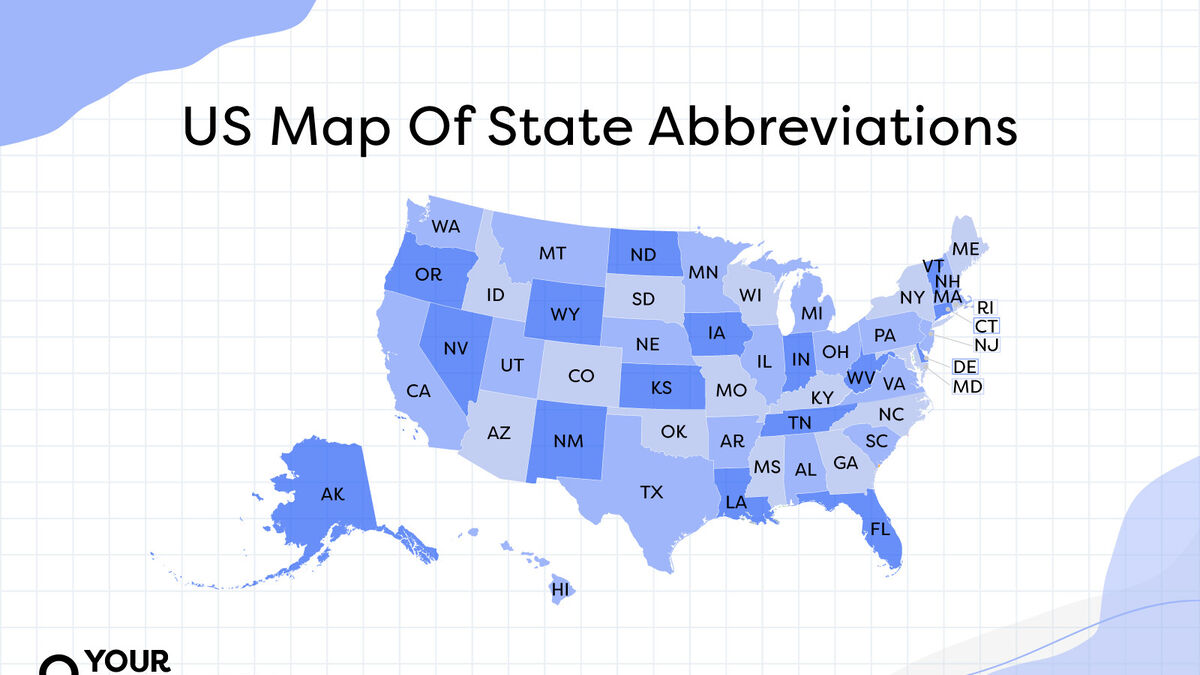
When planning a journey through the vast landscapes of the United States, understanding regional nomenclature and geography is essential for a seamless travel experience. Whether you are addressing postcards, booking regional flights, or mapping out a road trip, you will often find yourself needing the postal abbreviation for Idaho. The official two-letter abbreviation for the Gem State is ID.
While seemingly simple, the abbreviation is a gateway to understanding the vast, rugged beauty of a state that remains one of the most underrated travel destinations in the American West. From the high-altitude peaks of the Rocky Mountains to the deep, winding canyons of the Snake River, the “ID” designation represents a region defined by its wild heart and pioneering spirit.

Navigating the Geography of the Gem State
Understanding the layout of Idaho is the first step for any traveler looking to explore its diverse terrain. While the abbreviation ID is standardized for mail and logistics, the state itself is far from uniform. It is a land of dramatic contrasts, ranging from the arid plains in the south to the lush, dense forests of the northern panhandle.
The Northern Panhandle and Mountain Escapes
The northern region of the state is characterized by emerald lakes and dense wilderness. Travelers often flock to Coeur dAlene, a city nestled on the edge of the breathtaking Lake Coeur dAlene. This area serves as a premier destination for water sports, luxury lakeside living, and golf. The geography here is dominated by the Bitterroot Range, providing a backdrop that attracts hikers, climbers, and backcountry enthusiasts from across the globe.
Southern Wonders and High Desert Plains
As you move south, the landscape transitions into the high desert, where history and geology collide. The Snake River Plain is the agricultural and political heart of the state. Visitors interested in unique natural landmarks should not miss Craters of the Moon National Monument, a vast, volcanic expanse that feels more like the surface of the moon than anything found on Earth. The stark beauty of these lava fields is a stark reminder of the geological violence that shaped the American West.
Cultural Hubs and Urban Centers
While the state is famous for its wilderness, its urban centers provide a sophisticated blend of culture, culinary arts, and history. Knowing your way around these cities requires more than just knowing the state abbreviation; it requires an appreciation for the local flavor that defines the Pacific Northwest and Intermountain West.
Boise: The Vibrant Capital
Boise serves as the cultural and economic anchor of Idaho. As the capital, it has transformed into a modern metropolitan hub while maintaining a laid-back, mountain-town charm. The Boise River Greenbelt offers an extensive network of pathways that allow residents and visitors to traverse the city’s parks and recreational areas. The downtown district features a burgeoning craft brewery scene, farm-to-table restaurants, and a historic Basque Block that pays homage to the state’s unique demographic history.
Sun Valley: A Historic Retreat
No discussion of this state is complete without mentioning Sun Valley, one of the most iconic resort towns in the world. Historically the site of the nation’s first destination ski resort, it continues to attract celebrities, outdoor enthusiasts, and those looking to retreat into the Sawtooth National Forest. Whether you are visiting in the winter for world-class skiing or in the summer for hiking and cycling, Sun Valley represents the pinnacle of mountain tourism.
Seasonal Travel Considerations
When finalizing your travel itinerary to ID, timing is everything. Because of the extreme variation in elevation and latitude, the climate can shift significantly depending on where you are.
Winter Sports and Snowy Vistas
The mountains of Idaho receive some of the most consistent snowfall in the United States. Resorts like Brundage Mountain and Schweitzer Mountain provide incredible opportunities for skiing, snowboarding, and snowshoeing. Traveling during the winter requires preparation, as mountain passes can be treacherous and require specific vehicle equipment. Checking the Idaho Transportation Department updates is a local secret for navigating the roads successfully during the colder months.
Summer Adventures and River Runoff
Summer is arguably the best time to explore the river systems. The Salmon River offers some of the most exciting whitewater rafting in North America. The dramatic depth of Hells Canyon—which is deeper than the Grand Canyon—provides a stunning environment for boaters and sightseers alike. As the snow melts, the rivers swell, creating an adrenaline-filled environment for those seeking an active vacation.
Tips for the Modern Explorer
Traveling across Idaho is an exercise in appreciating the vastness of the American landscape. Because the state is large and sparsely populated in many areas, connectivity and logistics should be high on your list of priorities.
Logistics and Packing
- Distance Awareness: Do not underestimate the time required to travel between destinations. The mountainous terrain means that 100 miles on a map rarely equates to a quick trip.
- Layering: Even in summer, the evenings at high elevations can be quite chilly. Pack layers to ensure comfort during activities like star-gazing or sunset dinners.
- Connectivity: While cities like Boise have excellent connectivity, many rural regions in the mountains have limited cellular service. Downloading offline maps is a highly recommended practice for anyone venturing into areas such as the Sawtooth Mountains.

Embracing the Local Lifestyle
To truly experience the state, try to integrate into the local pace. Idahoans value the outdoors as a way of life. Engaging with local guides can reveal hidden spots that aren’t on the typical tourist maps, such as natural hot springs tucked away in the Payette National Forest. Supporting local agriculture is another way to connect with the land, as the state is famous for its world-class produce, including the iconic Idaho Potato.
Whether you are writing a letter, filling out a form, or planning your next great adventure, remembering the abbreviation “ID” is just the start. It is a shorthand for a destination that offers something for everyone—from the luxury seeker in Sun Valley to the rugged backpacker trekking through the Frank Church-River of No Return Wilderness. The Gem State remains a cornerstone of American tourism, inviting those who are curious enough to explore its vast borders to discover a piece of the world that still feels wild, authentic, and profoundly beautiful.
LifeOutOfTheBox is a participant in the Amazon Services LLC Associates Program, an affiliate advertising program designed to provide a means for sites to earn advertising fees by advertising and linking to Amazon.com. Amazon, the Amazon logo, AmazonSupply, and the AmazonSupply logo are trademarks of Amazon.com, Inc. or its affiliates. As an Amazon Associate we earn affiliate commissions from qualifying purchases.