
Florida, renowned globally as a premier destination for its sun-kissed beaches, thrilling theme parks, vibrant cities, and lush natural landscapes, attracts millions of visitors annually. From the magical realms of Walt Disney World Resort in Orlando to the bustling nightlife of Miami Beach and the serene beauty of the Everglades National Park, the state offers an unparalleled array of experiences. However, beyond the allure of its tourist attractions, understanding the local legal framework, particularly concerning healthcare, has become increasingly vital for both prospective residents and travelers planning their visit. The legal landscape surrounding abortion in Florida has undergone significant changes, making it a crucial topic for anyone considering travel or relocation to the Sunshine State. This comprehensive guide aims to demystify the current abortion laws in Florida, offering insights into their implications for healthcare access, travel decisions, and the overall lifestyle experience in this dynamic state.
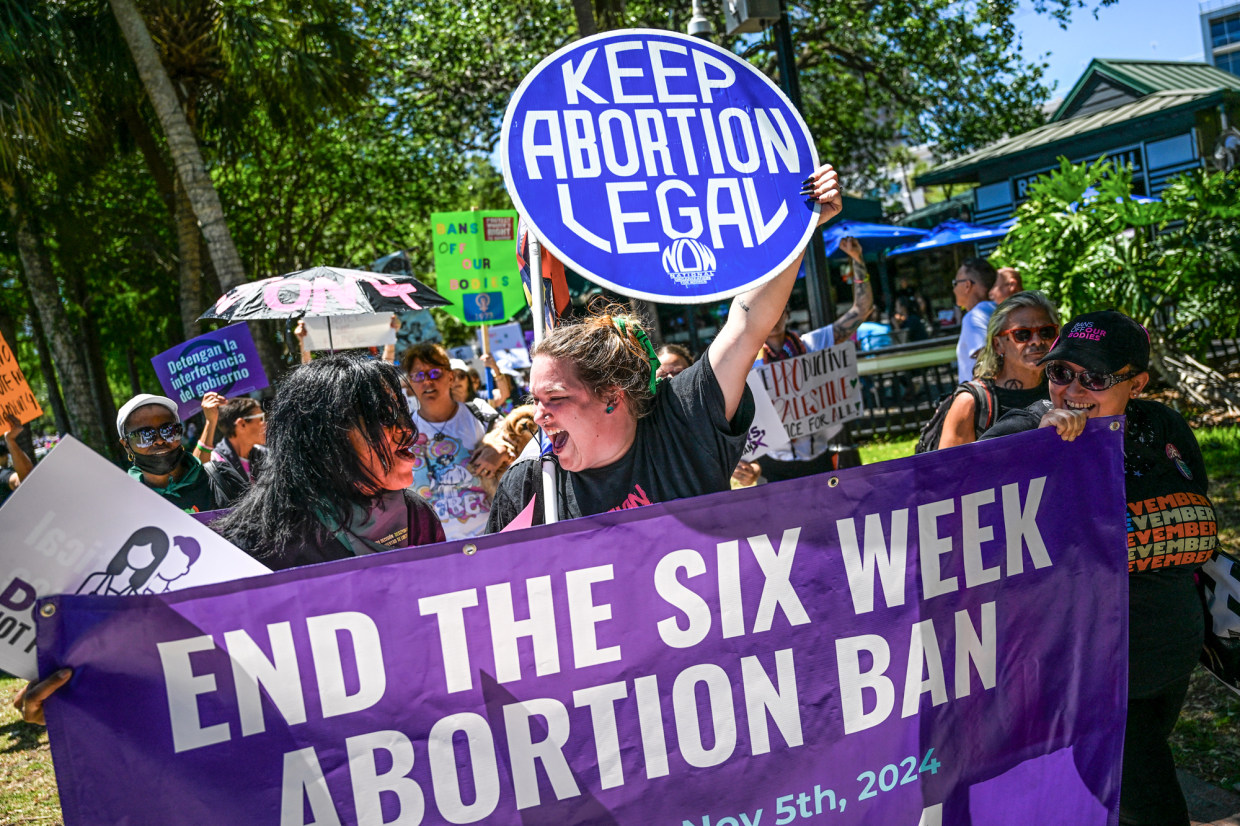
Understanding Florida’s Current Abortion Landscape for Travelers and Residents
The legal status of abortion in the United States has shifted dramatically in recent years, with individual states now determining the legality and accessibility of abortion services. Florida, like many other states, has enacted its own set of laws, which have been subject to ongoing legal challenges and legislative developments. For those planning a trip, considering a long-term stay, or exploring residential opportunities in cities like Tampa, Jacksonville, or the state capital Tallahassee, a clear understanding of these laws is essential for informed decision-making regarding personal health and well-being.
Key Provisions and Restrictions
As of the latest legislative changes and judicial rulings, Florida generally prohibits abortion after a certain gestational age. Most notably, the state has moved towards a six-week gestational limit. This means that, with very few exceptions, abortion is not permitted once embryonic cardiac activity is detected, which typically occurs around six weeks of pregnancy, often before many individuals even realize they are pregnant.
Key provisions and restrictions under Florida law include:
- Gestational Limit: The primary restriction is the six-week ban. This is a significant change from previous laws and makes Florida one of the states with the strictest abortion bans in the country.
- Exceptions: Limited exceptions exist for the six-week ban. These generally include:
- To save the pregnant person’s life: If the abortion is medically necessary to save the life of the pregnant individual.
- To prevent serious risk of substantial and irreversible physical impairment of a major bodily function of the pregnant person: This exception is also medically focused.
- In cases of rape, incest, or human trafficking: Abortions are permitted up to 15 weeks of gestation, provided the pregnant individual provides documentation such as a police report, medical record, or court order. This exception requires specific proof and has a stricter gestational limit than the life-saving exceptions.
- Mandatory Waiting Period: Florida law includes a mandatory 24-hour waiting period between an initial consultation and the abortion procedure. This means that individuals seeking an abortion must make two separate trips to a clinic, which can pose significant logistical and financial challenges for residents, and especially for travelers who might have limited time or resources.
- Parental Consent for Minors: For minors (individuals under 18), parental consent is generally required for an abortion. There is a judicial bypass option available, which allows a minor to petition a court to waive the parental consent requirement if they can demonstrate maturity and understanding of the procedure or if parental notification is not in their best interest.
- Fetal Anomaly Exception: While not a broad exception, the law generally permits abortions after the six-week limit if two physicians certify in writing that the fetus has a fatal anomaly.
These stringent regulations mean that accessing abortion care in Florida has become significantly more challenging, impacting not only residents but also those who might travel to the state for other reasons.
The Legal Journey: Recent Changes and Challenges
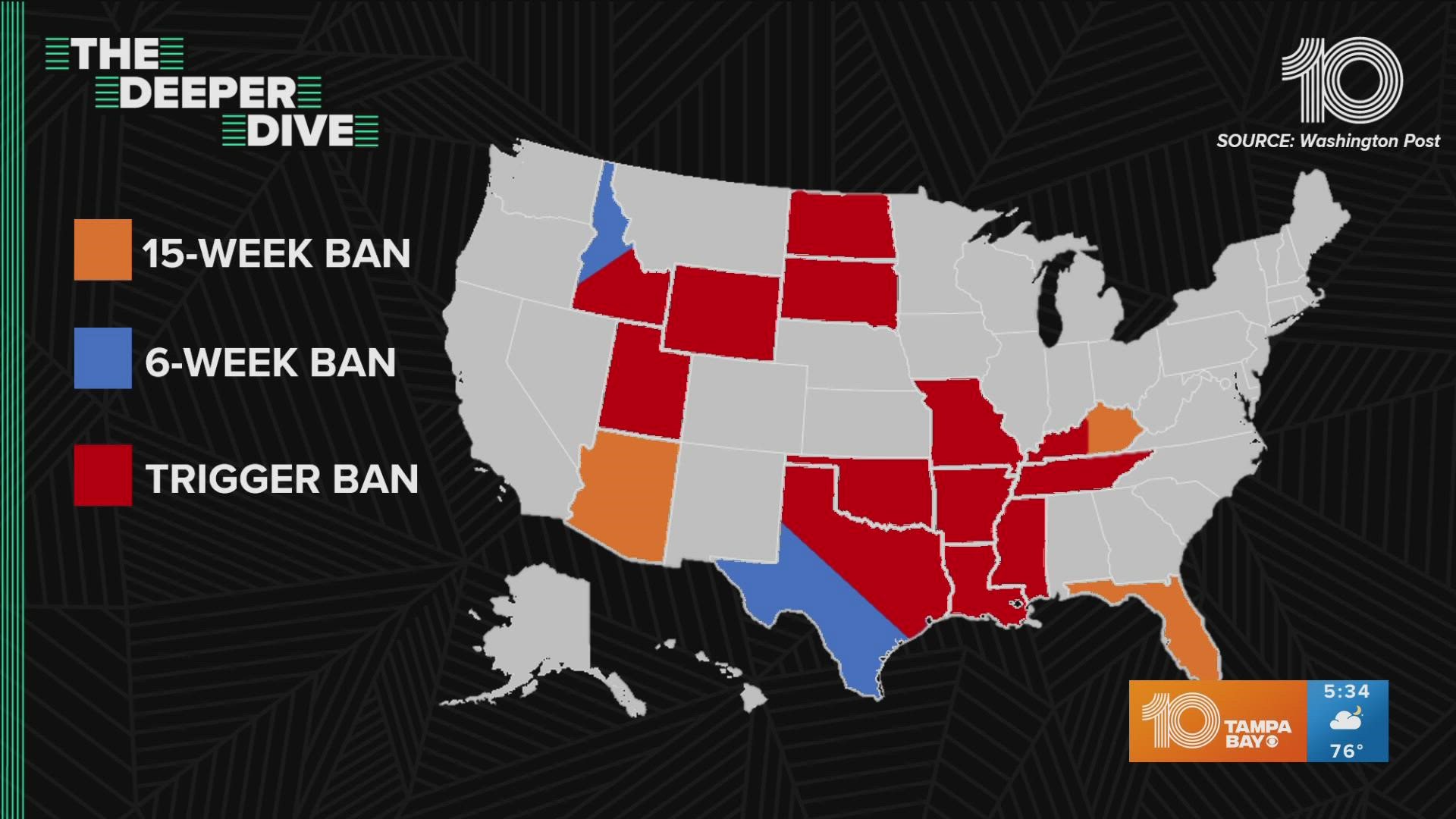
The path to the current abortion laws in Florida has been fraught with legal and political contention. Following the overturning of Roe v. Wade by the U.S. Supreme Court in 2022, states were given the authority to regulate or ban abortion. Florida initially passed a 15-week abortion ban, which was then challenged in the state courts. Subsequently, the Florida Legislature passed an even stricter six-week ban in 2023.
The legal battle over these laws primarily centered around Florida’s constitutional right to privacy. For decades, the Florida Supreme Court had interpreted this privacy right as extending to a woman’s decision to have an abortion, offering stronger protections than previously existed under federal law. However, in April 2024, the Florida Supreme Court reversed its prior interpretation, ruling that the state’s constitutional privacy clause does not protect abortion rights. This landmark decision paved the way for the six-week ban to take effect, drastically altering the landscape of reproductive healthcare in the state.
The court’s ruling also allowed a ballot initiative to proceed in November 2024, which seeks to enshrine abortion rights into the state constitution. The outcome of this vote will be crucial in determining the long-term future of abortion access in Florida. Until then, the six-week ban remains largely in effect, creating a complex environment for healthcare providers and individuals seeking services.
Navigating Healthcare Decisions While Visiting Florida
For travelers, the evolving legal situation surrounding abortion in Florida introduces a new layer of consideration when planning a trip. Whether you’re visiting for leisure, business, or to experience cultural events in destinations like St. Augustine or Key West, understanding the potential implications for your healthcare access is important.
Accessing Care: What Visitors Should Know
Visitors to Florida should be aware that the state’s abortion laws apply to everyone within its borders, regardless of residency. This means that if a traveler unexpectedly needs abortion care while in Florida, they would be subject to the six-week gestational limit, mandatory waiting periods, and other restrictions.
Key points for visitors:
- Awareness of Gestational Age: The strict six-week limit makes it incredibly difficult for many individuals to access care, especially if they are unaware of their pregnancy early on. Travelers should factor this into any unexpected medical needs.
- Mandatory Waiting Period Impact: The 24-hour waiting period requires two separate visits to a clinic. For tourists on a tight schedule or those without private transportation, this can be a significant barrier. Booking an initial consultation might be possible, but the follow-up procedure would require staying longer or making arrangements for a second trip.
- Limited Provider Network: The number of clinics offering abortion services may be limited, particularly in more rural areas. Major cities like Miami, Orlando, and Tampa are more likely to have facilities, but availability can still be constrained. It’s advisable to research and contact providers well in advance if such care might be needed.
- Cost Considerations: Abortion services are typically not covered by travel insurance. Visitors should be prepared for out-of-pocket expenses, which can range from several hundred to thousands of dollars depending on the procedure and gestational age.
It’s crucial for anyone traveling to Florida who might require reproductive healthcare to understand these limitations and plan accordingly, potentially even considering other states with different laws if this is a significant concern.

Emergency Considerations and Medical Tourism
While the discussion often focuses on elective procedures, emergency situations can arise. Florida’s law does include exceptions for saving the life of the pregnant individual or preventing serious physical impairment. However, what constitutes a “medical emergency” can sometimes be subject to interpretation by medical professionals, potentially leading to delays in care in critical situations. Hospitals and emergency rooms in Florida are bound by these state laws.
For individuals seeking abortion care beyond Florida’s restrictions, the concept of “medical tourism” in reverse may come into play. People may travel from Florida to other states where abortion is more accessible, such as North Carolina (with its 12-week ban), Virginia (26-week ban), or Maryland and Illinois (where abortion is broadly accessible without gestational limits). This involves additional costs for travel, accommodation, and the procedure itself, making it an option primarily for those with sufficient financial resources. International travelers might consider this when planning their itinerary, understanding that Florida’s laws are among the strictest.
Florida as a Travel Destination: Beyond the Legal Framework
Despite the complexities of its abortion laws, Florida remains an incredibly popular and vibrant travel destination, offering a wealth of experiences for every type of visitor. The state’s allure extends far beyond its legal framework, encompassing world-class attractions, diverse ecosystems, and a rich cultural tapestry.
Exploring Florida’s Diverse Attractions
From the pristine white sands of Clearwater Beach to the historic charm of St. Augustine, Florida truly has something for everyone. Families flock to the theme park capital of Orlando, home to Universal Studios Florida, SeaWorld Orlando, and the aforementioned Walt Disney World Resort. Nature enthusiasts can explore the unique ecosystem of the Everglades National Park, kayak through the bioluminescent waters of Indian River Lagoon, or dive into the colorful coral reefs of the Florida Keys.
Cities like Miami offer a cosmopolitan experience with their stunning Art Deco Historic District on South Beach, vibrant Latin American culture, and world-class dining. For history buffs, St. Augustine, the oldest continuously inhabited European-established settlement in the United States, provides a glimpse into centuries past with landmarks like the Castillo de San Marcos. Sports fans can catch a game in Tampa or Jacksonville, while space aficionados can visit the Kennedy Space Center Visitor Complex on the Space Coast. The diversity of attractions ensures that a trip to Florida can be as adventurous, relaxing, or culturally enriching as one desires.
Accommodation Choices and Lifestyle Implications
Florida’s tourism infrastructure is robust, offering a vast array of accommodation options to suit every budget and preference. From luxury resorts like The Ritz-Carlton, Naples or The Breakers Palm Beach to boutique hotels in South Beach, family-friendly resorts in Orlando (such as the Walt Disney World Swan and Dolphin Resort), and charming vacation rentals across the state, visitors have extensive choices.
For those considering a long-term stay or relocation, Florida offers a diverse lifestyle. Its favorable tax laws (no state income tax), warm climate, and extensive job market in sectors like tourism, aerospace, and technology make it attractive. However, the current abortion laws are increasingly becoming a factor in relocation decisions, particularly for families and individuals prioritizing comprehensive reproductive healthcare access. Businesses are also beginning to consider the implications of such laws on attracting and retaining talent, as a state’s social and legal environment can significantly impact an individual’s quality of life.
Planning Your Florida Trip: Essential Considerations
When planning a trip to Florida, it’s always advisable to be well-informed about all aspects of your destination, including local laws and healthcare provisions. While the focus on fun and relaxation is paramount, a comprehensive understanding ensures peace of mind and preparedness for any unforeseen circumstances.
Resources and Information for Informed Travel
For the most accurate and up-to-date information regarding Florida’s abortion laws, travelers and residents should consult official sources. The Florida Department of Health website is a primary resource for information on health services, though specific details on abortion clinics and regulations might be found through organizations that monitor reproductive rights. Reputable non-profit organizations focused on reproductive healthcare also provide current information on state-specific laws and resources.
Before traveling, especially if you have specific healthcare concerns, it is wise to:
- Consult with Healthcare Providers: Discuss any potential healthcare needs with your primary physician before your trip.
- Research Clinic Availability: If you anticipate needing reproductive healthcare, research clinics in your intended travel area in Florida beforehand to understand their services, limitations, and requirements.
- Understand Travel Insurance Coverage: Clarify what medical services your travel insurance covers, and be aware that abortion care is typically excluded.
- Consider Emergency Contingencies: Have a plan for medical emergencies, including knowing where the nearest hospitals are located and having access to emergency funds.
Staying informed and proactive ensures that your visit to Florida can be as enjoyable and worry-free as possible, allowing you to focus on the myriad of experiences the state has to offer.
Conclusion
Florida continues to shine as a beacon for travelers and those seeking a new lifestyle, offering a vibrant mix of attractions, natural beauty, and economic opportunities. However, the recent changes in its abortion laws present a significant consideration for anyone planning a visit or considering relocation. The implementation of a six-week abortion ban, with limited exceptions and mandatory waiting periods, directly impacts healthcare access and necessitates careful planning for individuals and families.
While the legal landscape is dynamic and subject to ongoing challenges, including a potential ballot initiative in November 2024, the current framework demands awareness. By understanding these laws, researching available resources, and considering their personal implications, travelers and prospective residents can make informed decisions to ensure their well-being while enjoying all that the beautiful state of Florida has to offer. Ultimately, a truly fulfilling travel or living experience is built on both adventure and peace of mind, making awareness of local laws an indispensable part of your Florida journey.
LifeOutOfTheBox is a participant in the Amazon Services LLC Associates Program, an affiliate advertising program designed to provide a means for sites to earn advertising fees by advertising and linking to Amazon.com. Amazon, the Amazon logo, AmazonSupply, and the AmazonSupply logo are trademarks of Amazon.com, Inc. or its affiliates. As an Amazon Associate we earn affiliate commissions from qualifying purchases.