
When planning a trip to the breathtaking islands of Hawaii, travelers often immerse themselves in research regarding flight paths, luxury resorts, and the best surfing spots on Oahu or Maui. However, responsible tourism requires a comprehensive understanding of the legal frameworks that govern the destination. Understanding the legal landscape, including the age of consent, is a fundamental component of being an informed visitor. By adhering to the standards of the local jurisdiction, travelers contribute to the safety and cultural integrity of the communities they visit.
Legal Framework and Statutory Requirements
In the United States, criminal laws are primarily determined at the state level. When visiting the archipelago of Hawaii, visitors are subject to the specific statutes enacted by the state legislature. The age of consent is not merely a suggestion; it is a strictly enforced legal threshold designed to protect minors.

The Standard Age of Consent
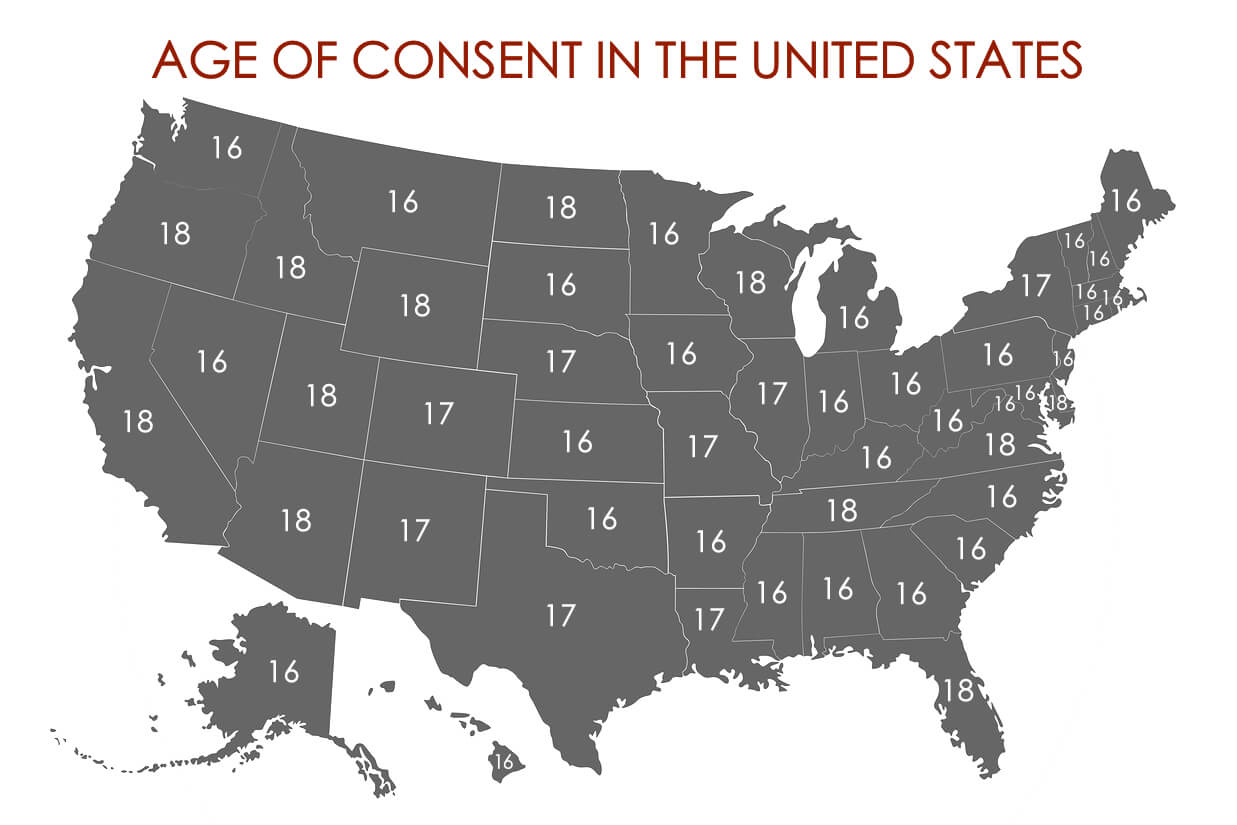
In Hawaii, the age of consent is 16. This means that sexual contact involving individuals under this age is prohibited by state law and treated with the utmost severity by local law enforcement and the judicial system. It is critical for travelers—whether they are visiting Waikiki for a short vacation or staying at a long-term property in Honolulu—to recognize that these laws are non-negotiable.
Understanding Statutory Nuances
While the baseline age is 16, the legal landscape surrounding these statutes is complex. Laws often include “Romeo and Juliet” provisions or proximity clauses depending on the age gap between parties, but the fundamental intent of the law remains the protection of minors. Tourists should never assume that their home country’s laws or social norms apply while abroad. When visiting landmarks such as Pearl Harbor or relaxing on the sands of Lanikai Beach, individuals are expected to uphold the legal standards of the state they are currently visiting.
Responsible Tourism and Cultural Respect
Tourism is more than just sightseeing; it is an interaction between a guest and a host community. Hawaii has a rich history and a deeply rooted culture that values ‘ohana (family) and the protection of the next generation. Travelers who act with awareness and respect for local laws bolster the sustainability of the islands as a global destination.
The Role of Visitors in Community Safety
When you book a stay at a resort like the Four Seasons Resort Maui at Wailea or a boutique hotel in Kona, you are entering a professional and legal environment. Staff and local residents are trained to be vigilant. Any behavior that deviates from the law or compromises the safety of local residents is taken seriously. Being a responsible visitor means:
- Respecting local ordinances, whether they relate to public behavior, environmental protection, or legal ages.
- Understanding that laws regarding minors are designed to protect the social fabric of the islands.
- Recognizing that local authorities in cities like Hilo or Lihue maintain strict compliance standards to ensure that all visitors and locals remain safe.
Cultural Sensitivity and Legal Compliance
The Hawaiian culture places immense importance on the sanctity of their islands, which they refer to as the aina. Part of being a respectful guest is acknowledging that the laws of Hawaii reflect these values. Disregard for these laws is often viewed not just as a legal infraction, but as an affront to the community itself. Whether you are trekking through Haleakala National Park or enjoying the nightlife in Lahaina, your conduct should reflect an awareness of the legal boundaries that define the visitor experience.
Navigating Legal Uncertainties While Traveling
The complexities of international and state law can sometimes lead to confusion for travelers who are accustomed to different systems. If a traveler finds themselves in a situation where they are unsure about the legality of an interaction or their rights, the best course of action is to adhere to the most conservative interpretation of the law.
Seeking Guidance
For those visiting from outside the United States, it is essential to remember that even if your country of origin has a different age of consent, you are bound by the laws of the jurisdiction you are physically in. If you are ever in doubt, local legal counsel or the assistance of your country’s consulate can provide clarity. Ignorance of the law is rarely an acceptable defense in the courts of Hawaii.
Impact on Tourism Operations
Hotels and tourism operators across Kauai, Molokai, and Lanai have specific protocols in place to ensure compliance with state law. These businesses are invested in maintaining a safe environment for all guests. They often cooperate with local law enforcement to ensure that their establishments are not used for illicit activities. By maintaining a clean legal record and respecting the rules of the state, travelers help ensure that these islands remain welcoming destinations for future generations.
Conclusion: The Importance of Informed Travel
The beauty of the Pacific Ocean and the allure of the Hawaiian Islands make for an unforgettable travel experience. However, the enjoyment of these natural wonders and luxurious amenities is predicated on the foundation of law and order. By understanding the age of consent and the broader legal context of Hawaii, you are not only protecting yourself from potential legal ramifications but also demonstrating respect for the people and culture of the islands.
Professionalism in travel means taking the time to understand the destination beyond its surface-level attractions. From the slopes of Mauna Kea to the bustling streets of Honolulu, the islands offer a unique blend of adventure and tradition. When travelers conduct themselves with integrity, they help maintain the reputation of Hawaii as a premier, safe, and respectful destination for families, solo travelers, and groups alike.
Always remember that legal compliance is a continuous responsibility. As you move through different regions—whether it is the lush North Shore of Oahu or the arid beauty of the west side of Big Island—the laws protecting the youth of the islands remain constant. Stay informed, stay respectful, and ensure that your visit to this paradise is defined by positive experiences and an appreciation for the legal and social standards that keep the community thriving. Your commitment to these principles ensures that the spirit of aloha continues to define the islands for everyone who visits.
LifeOutOfTheBox is a participant in the Amazon Services LLC Associates Program, an affiliate advertising program designed to provide a means for sites to earn advertising fees by advertising and linking to Amazon.com. Amazon, the Amazon logo, AmazonSupply, and the AmazonSupply logo are trademarks of Amazon.com, Inc. or its affiliates. As an Amazon Associate we earn affiliate commissions from qualifying purchases.