
As travelers, tourists, and those contemplating a lifestyle change to a new destination, understanding the local legal landscape is as crucial as knowing where to find the best local cuisine or the most captivating historical landmarks. While many visitors focus on the vibrant culture, delicious food, and lively music of the Bayou State, discerning the intricacies of its laws, particularly those concerning sensitive topics like the age of consent, is paramount for responsible travel and safe living. This guide aims to demystify the age of consent in Louisiana, offering essential insights for anyone planning to visit or reside in this unique part of the United States.
Louisiana is a state renowned for its distinctive culture, a captivating blend of French, Spanish, African, and Cajun influences. From the bustling streets of New Orleans and its iconic French Quarter, home to the annual Mardi Gras celebrations, to the serene swamplands of Acadiana and the political hub of Baton Rouge, the state offers an unparalleled array of experiences. Whether you’re indulging in a luxurious stay at a boutique hotel in the Garden District, exploring historical plantations along the Mississippi River, or embarking on a budget-friendly adventure through its many state parks, knowing the laws ensures your trip remains memorable for all the right reasons. This article is not intended as legal advice but rather as an informative overview to foster a safer and more informed engagement with Louisiana’s unique societal fabric.
Understanding the Legal Landscape in Louisiana
The legal framework of Louisiana differs significantly from other U.S. states due to its civil law tradition, rooted in the Napoleonic Code, rather than the common law system prevalent elsewhere. This distinction means that while many legal concepts are similar, the precise definitions and applications can vary. When it comes to the age of consent, these distinctions are particularly important for ensuring compliance and understanding personal responsibilities, especially for visitors unfamiliar with the local statutes.
Defining the Age of Consent
At its core, the age of consent refers to the minimum age at which an individual is considered legally capable of agreeing to participate in sexual activity. Below this age, any sexual act, regardless of whether the minor outwardly appears to consent, is legally considered statutory rape or sexual battery, a serious criminal offense. This law is in place to protect minors from exploitation and abuse, recognizing that individuals below a certain age may not possess the maturity, judgment, or understanding to truly provide informed consent.
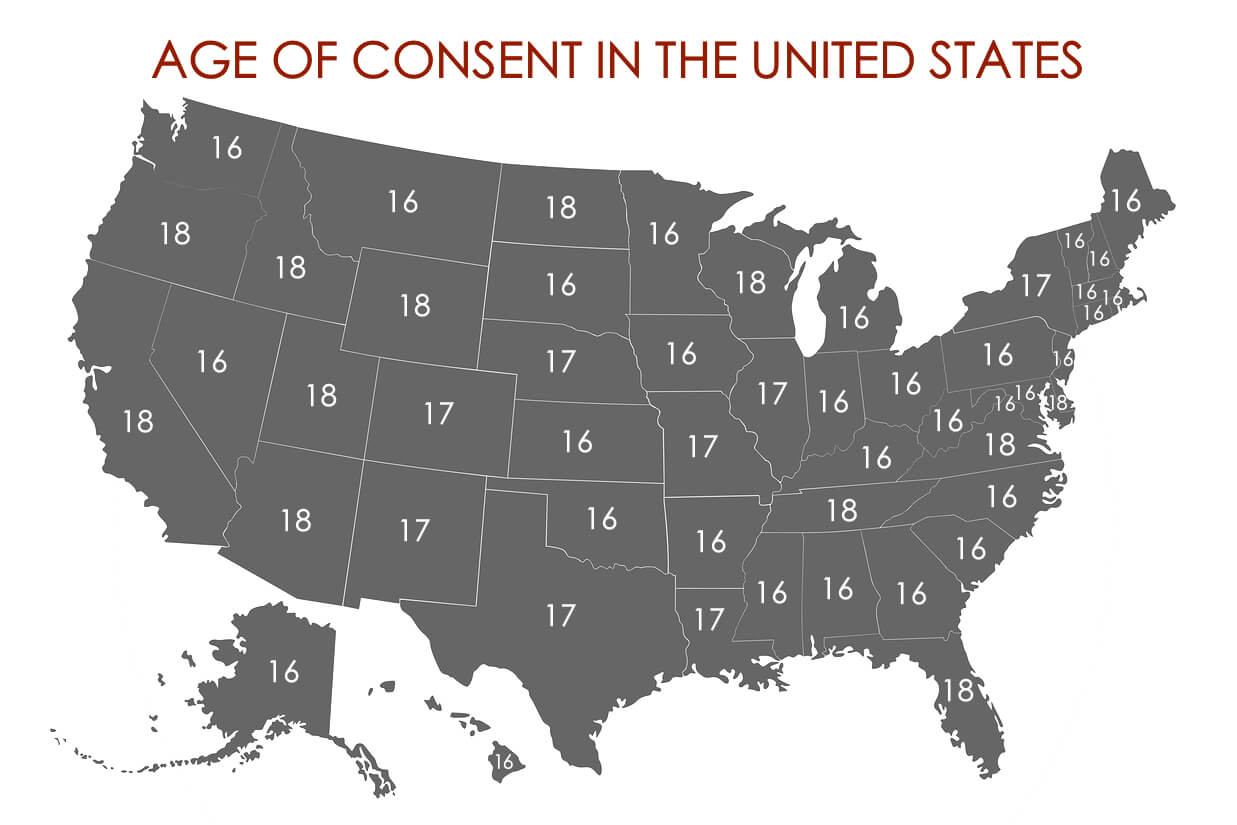
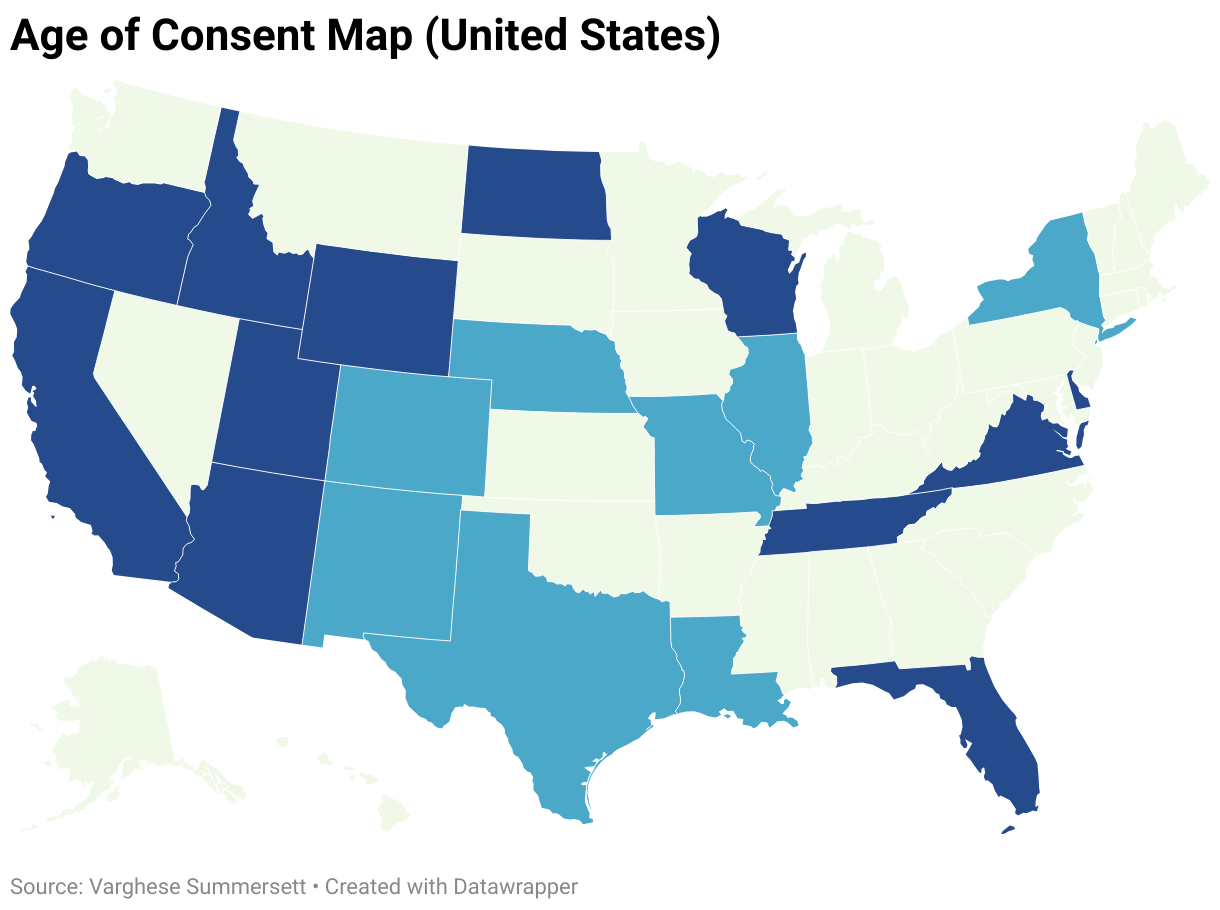
In Louisiana, the age of consent is 17 years old. This means that any sexual activity involving an individual under the age of 17, with someone who is 17 or older, is illegal. It’s crucial to emphasize that this age is absolute; the beliefs, intentions, or perceived maturity of the minor or the accused do not alter the legal threshold. For instance, a 16-year-old cannot legally consent to sexual activity, even if they claim to be older, initiate the encounter, or have extensive prior sexual experience. The law’s primary objective is to safeguard vulnerable individuals. This particular age makes Louisiana one of the few states in the United States with a higher age of consent compared to the more common 16 years old found in many other jurisdictions. This distinction alone highlights why legal awareness is so vital when traveling or moving to Louisiana.
The Specifics for Louisiana Residents and Visitors
For both long-term residents and short-term visitors, the law applies equally. There is no special exemption for tourists who claim ignorance of local statutes. Whether you’re visiting New Orleans for Mardi Gras, attending a conference in Baton Rouge, enjoying the music festivals in Lafayette, or exploring the natural beauty of Lake Charles, adhering to Louisiana’s age of consent is non-negotiable. Understanding this age is not just about avoiding legal repercussions; it’s about respecting the state’s commitment to protecting its youth and contributing to a safe environment for everyone. Families traveling with teenagers should be particularly aware, ensuring that their children understand these laws as well, especially in social settings where local young adults may be present. The dynamic social scene, particularly in areas like Bourbon Street or near university campuses like Louisiana State University and Tulane University, makes awareness even more critical.
Key Provisions and Exceptions to Louisiana’s Age of Consent Laws
While the foundational age of consent is clear, legal frameworks often include nuances and specific provisions that can alter how the law is applied. Understanding these details is crucial for a comprehensive grasp of Louisiana’s statutes on sexual consent.
Statutory Rape Laws and Penalties
In Louisiana, statutory rape is categorized under the broader umbrella of “forcible rape” or “sexual battery,” with varying degrees of severity depending on the age difference between the perpetrator and the victim, as well as the age of the victim. The penalties for statutory rape are severe, reflecting the gravity with which the state views the sexual exploitation of minors. These can range from significant prison sentences to substantial fines and mandatory registration as a sex offender. The exact penalties depend on factors such as the victim’s age, whether force was used, and the age difference, but even consensual sexual activity with someone under 17 can lead to life-altering consequences for the perpetrator.
For example, if the victim is under 13 years of age, the offense is often classified as aggravated statutory rape, carrying particularly harsh sentences. As travelers often engage with locals, including younger individuals working in tourism or entertainment, it is imperative to exercise extreme caution and always verify age when there is any doubt. The state’s legal system does not distinguish between residents and non-residents when prosecuting these crimes, meaning a tourist can face the full extent of Louisiana’s justice system. This awareness should be a cornerstone of any traveler’s preparation, alongside booking accommodations and planning itineraries.
Age Difference Exceptions (Romeo and Juliet Laws)
Some states have “Romeo and Juliet” laws, which provide exceptions to statutory rape laws when both individuals are close in age and typically close to the age of consent. These laws acknowledge that relationships between similarly-aged teenagers may not carry the same exploitative dynamics as those with significant age gaps. However, Louisiana does not have a broad “Romeo and Juliet” exception that fully legalizes sexual activity below the age of consent merely due to a small age difference.
While the age difference can influence the degree of the offense and potential sentencing, it does not negate the initial illegality of sexual activity with someone under 17. The law may differentiate between an individual who is 18 having sex with a 16-year-old versus a 30-year-old having sex with a 16-year-old, with the latter often incurring more severe penalties. Nevertheless, both scenarios involve a victim below the age of consent, making the act illegal. This distinction is crucial: a close age relationship might mitigate sentencing in some cases, but it does not make the act legal to begin with. Thus, the 17-year-old age of consent remains the absolute baseline for legal sexual activity in Louisiana.
The Role of Marriage in Consent Laws
In some jurisdictions, marriage can emancipate a minor, granting them legal adult status and, by extension, the ability to consent to sexual activity regardless of the general age of consent. Louisiana law dictates that individuals must be at least 18 years old to marry without parental consent. With parental consent, individuals can marry at 16 or 17. If a minor is legally married, the general age of consent laws regarding sexual activity typically do not apply to the marital relationship. However, this is a very specific exception and does not change the general age of consent for unmarried individuals. It is highly unlikely that a traveler would encounter this specific scenario, but it is part of the comprehensive legal landscape concerning consent in the state. For the vast majority of cases, particularly those involving casual encounters or relationships, the 17-year-old age of consent is the governing standard.
Navigating Louisiana’s Legalities as a Traveler or New Resident
Whether you’re exploring the historic French Quarter, enjoying the culinary delights of Lafayette, or considering a more permanent move to Shreveport or Monroe, awareness of local laws is an essential component of responsible tourism and informed living. Louisiana’s unique legal heritage and vibrant social scene underscore the importance of this knowledge.
Why Legal Awareness is Crucial for Tourists
For tourists, the allure of Louisiana lies in its rich experiences—from jazz clubs on Bourbon Street to serene bayou tours and exquisite fine dining. However, the transient nature of travel can sometimes lead to a false sense of detachment from local laws. This is a dangerous misconception. Any crime committed in Louisiana falls under its jurisdiction, regardless of a person’s nationality or residency. A legal issue, especially one as serious as statutory rape, can derail a trip, lead to significant legal costs, imprisonment, and lasting damage to one’s reputation and freedom to travel internationally.
Moreover, the digital age means that interactions, often initiated online, can cross geographical boundaries. It is paramount for anyone traveling to or through Louisiana to confirm the age of individuals they interact with, especially if those interactions could lead to intimate situations. Always err on the side of caution. If there is any doubt about someone’s age, it is best to disengage. Businesses in the hospitality sector, from hotels and resorts in New Orleans to guesthouses in rural Cajun Country, also have a vested interest in promoting legal compliance and guest safety, often providing information on local regulations.
Resources and Further Information
While this article provides a general overview, specific legal situations often require specialized advice. If you have particular concerns or require legal consultation regarding Louisiana laws, it is always recommended to consult with a qualified attorney practicing in the state. Resources such as the Louisiana State Bar Association or the local District Attorney’s Office can provide guidance or referrals to legal professionals. Furthermore, organizations dedicated to protecting children and preventing sexual exploitation can offer valuable insights and support. Staying informed through official government websites for Louisiana’s legislative statutes can also provide the most up-to-date legal text.
Broader Implications for Lifestyle and Responsible Tourism
The discussion around the age of consent extends beyond mere legal compliance; it touches upon ethical behavior, personal responsibility, and the promotion of a respectful and safe environment for all, especially for the younger generation within the vibrant communities of Louisiana.
Promoting Safety and Ethical Conduct
Responsible tourism is a burgeoning global movement, encouraging travelers to minimize negative impacts and maximize positive ones on the destinations they visit. Understanding and adhering to the age of consent is a critical component of ethical travel. It reflects a respect for local laws, culture, and the well-being of its residents. For families enjoying attractions like Audubon Park or the National WWII Museum in New Orleans, or those exploring the historic grounds of Oak Alley Plantation, setting an example of legal and ethical conduct is paramount.
For individuals considering a lifestyle shift to Louisiana, whether for work, retirement, or simply a change of scenery, integrating into the community responsibly means internalizing and respecting its legal and social norms. This includes engaging with young people in a manner that is always appropriate and lawful, fostering trust and mutual respect within the community. The state thrives on its hospitality and charm, and upholding its legal standards ensures these qualities continue to define the Louisiana experience.
Beyond Consent: Other Important Laws for Visitors
While the age of consent is a serious topic, it’s just one facet of the legal framework governing visitors and residents in Louisiana. Other laws to be mindful of include:
- Alcohol Consumption: The legal drinking age is 21, strictly enforced, especially in tourist hotspots.
- Gambling: Casinos are popular in New Orleans, Baton Rouge, and Lake Charles, with the legal age for gambling being 21.
- Marijuana Laws: Despite national trends, recreational marijuana remains illegal in Louisiana, although medical marijuana is allowed for qualifying patients.
- Open Container Laws: While New Orleans is famously lenient about open containers in specific areas like the French Quarter, this is not universal across the state. Always check local ordinances.
- Driving Laws: Be aware of speed limits, seatbelt laws, and strict DUI penalties.
Understanding these laws contributes to a hassle-free and enjoyable visit, allowing you to focus on the unique cultural experiences, from savoring Creole and Cajun delicacies to exploring historical sites like the Louisiana State Capitol or the Tabasco Factory on Avery Island.

Enjoying Louisiana Responsibly
Louisiana offers a travel and lifestyle experience unlike any other in the Southern United States. Its vibrant cities, rich history, unparalleled culinary scene, and stunning natural beauty along the Gulf Coast attract millions annually. By prioritizing legal awareness, especially regarding sensitive topics like the age of consent, visitors and new residents can ensure their time in the Pelican State is not only enjoyable and enriching but also safe and responsible. A well-informed traveler is a respectful traveler, and contributing positively to the local community’s well-being ensures that the unique charm of Louisiana endures for generations to come.
LifeOutOfTheBox is a participant in the Amazon Services LLC Associates Program, an affiliate advertising program designed to provide a means for sites to earn advertising fees by advertising and linking to Amazon.com. Amazon, the Amazon logo, AmazonSupply, and the AmazonSupply logo are trademarks of Amazon.com, Inc. or its affiliates. As an Amazon Associate we earn affiliate commissions from qualifying purchases.