
For any seasoned traveler or even a first-time flyer, understanding the intricacies of airport operations is paramount to a smooth journey. Among the most fundamental pieces of information is the airport code – a unique identifier that serves as a shorthand for specific airports worldwide. When it comes to one of the busiest and most iconic aviation hubs in the United States, Chicago O’Hare International Airport, its code is instantly recognizable: ORD. This three-letter designation is far more than just an abbreviation; it’s a key that unlocks countless travel possibilities, facilitating everything from booking flights to tracking baggage and navigating the vast complex itself.
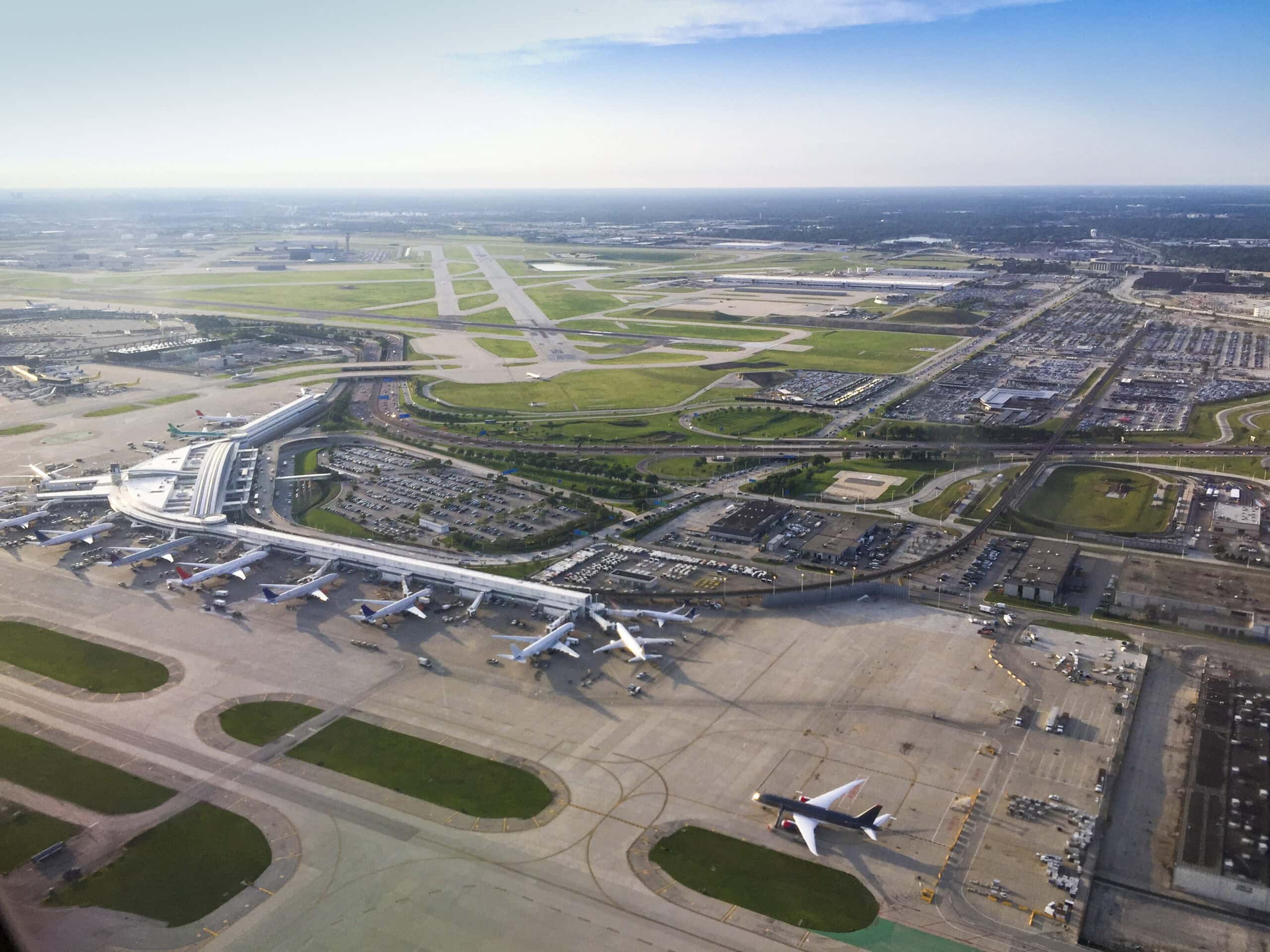
Situated approximately 17 miles northwest of downtown Chicago, O’Hare has long been a critical nexus for both domestic and international air travel. Its ORD code, steeped in history, is a direct link to the airport’s original designation as Orchard Place Airport (OR D), even before it was renamed to honor Medal of Honor recipient Lt. Cmdr. Edward O’Hare. Today, ORD represents a sprawling facility that connects millions of passengers to destinations across the globe, serving as a primary hub for several major airlines and a vital gateway to the Midwest region and beyond. Understanding and utilizing this code correctly is the first step in mastering travel through one of the world’s most dynamic airports.
The Significance of ORD: More Than Just Three Letters
The three letters, ORD, embody a rich tapestry of history, strategic importance, and operational complexity. For travelers, it’s the universal identifier used across booking platforms, boarding passes, and flight information displays. For the aviation industry, it represents a monumental logistical challenge, coordinating thousands of flights, millions of passengers, and immense cargo volumes annually. The significance of ORD extends far beyond its brevity; it symbolizes connectivity, efficiency, and the pulsating heart of air travel in the central United States.
A Gateway to the Midwest and Beyond
Chicago’s geographical position at the crossroads of the United States has historically made it a crucial transportation hub. O’Hare International Airport capitalizes on this strategic advantage, acting as a primary gateway for travelers heading into or out of the Midwest. From its terminals, passengers can seamlessly connect to major business centers like New York, Los Angeles, and Dallas, or embark on international journeys to Europe, Asia, and Latin America. Its expansive network of routes makes it an indispensable asset for both leisure and business travel, funneling global traffic through its bustling concourses.
The airport’s sheer scale and capacity underscore its importance. With multiple runways and terminals, O’Hare is engineered to handle an extraordinary volume of air traffic. This capacity is critical not only for passenger travel but also for air cargo, making Chicago a key player in global supply chains. The constant hum of activity, from jumbo jets arriving from distant lands to regional aircraft connecting smaller cities across Illinois and neighboring states, paints a clear picture of ORD’s pivotal role in national and international commerce and tourism. It truly functions as a vital artery, pumping life into the broader economic and social landscape of the Great Lakes region.
Decoding IATA vs. ICAO
While most travelers are familiar with the three-letter airport codes like ORD, it’s important to understand that there are actually two primary systems for identifying airports: IATA and ICAO. The code ORD belongs to the International Air Transport Association (IATA) system. These three-letter codes are designed for public-facing operations, such as airline tickets, luggage tags, and passenger information systems, making them intuitive and easy for travelers to remember and use.
In contrast, the International Civil Aviation Organization (ICAO) uses four-letter codes, primarily for air traffic control and flight planning purposes. The ICAO code for Chicago O’Hare International Airport is KORD. The “K” prefix is standard for airports in the contiguous United States, followed by the three-letter IATA code. While essential for pilots and air traffic controllers to ensure safe navigation and communication in the skies, KORD is rarely seen or needed by the average passenger. Knowing the distinction ensures clarity, but for most travel-related tasks, ORD is the code you’ll rely on.
Navigating Chicago O’Hare International Airport
Understanding the ORD code is just the beginning; navigating the physical space of Chicago O’Hare is the next step. As one of the world’s largest airports, it can initially seem daunting, but with proper planning and knowledge of its layout and transportation options, it becomes a much more manageable and even enjoyable experience.
Terminals and Airlines
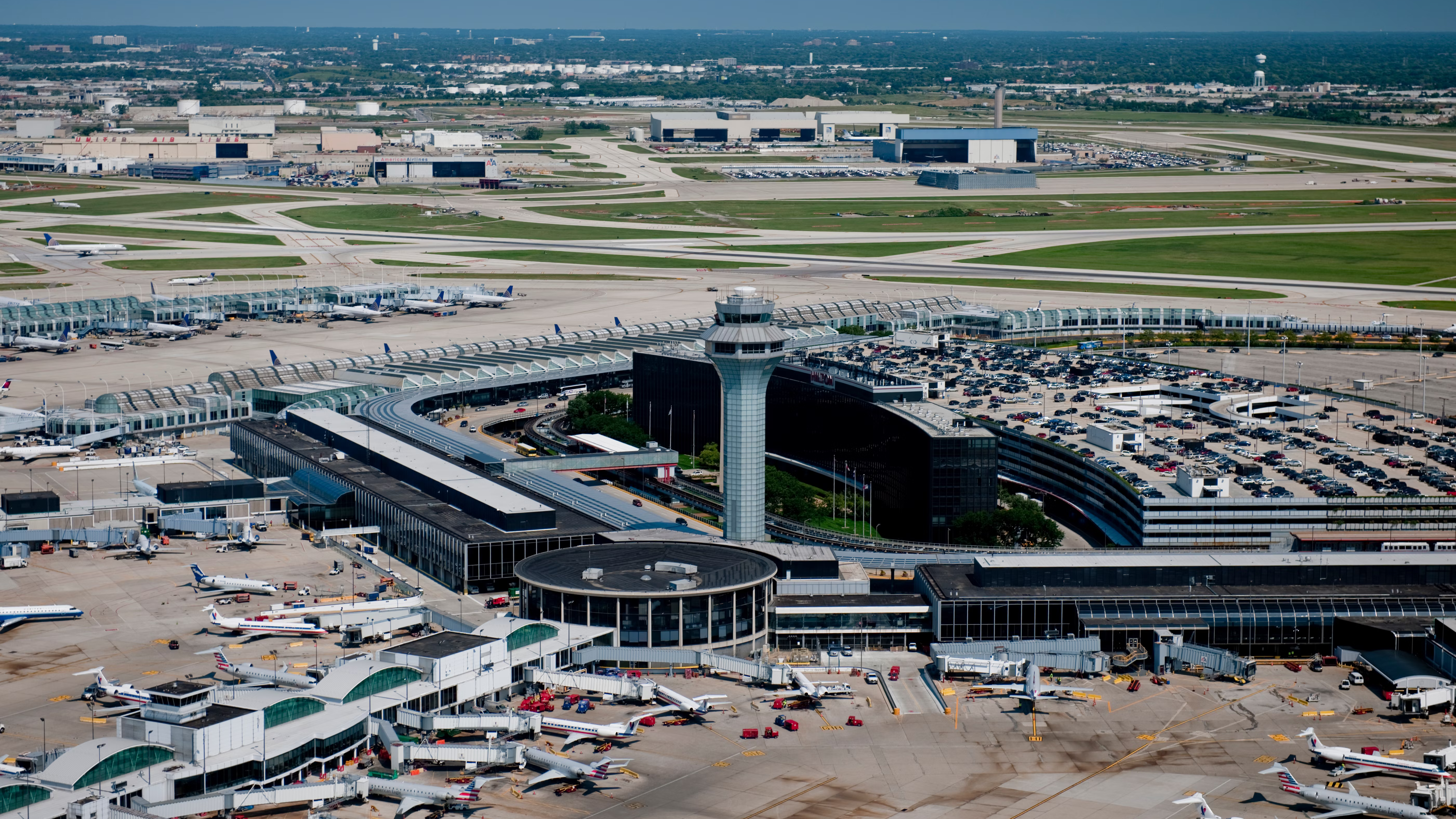
O’Hare is home to four active passenger terminals (1, 2, 3, and 5), each serving a multitude of airlines. Terminal 1 is primarily dominated by United Airlines and its Star Alliance partners, serving as a significant hub for domestic and international flights. Terminal 2 houses a mix of airlines including Alaska Airlines, while Terminal 3 is the domain of American Airlines and its Oneworld partners. Terminal 5, the International Terminal, handles most other international arrivals and departures, along with some domestic carriers.
When booking a flight to or from ORD, the airline will specify the terminal, but having the airport code confirmed on your ticket is the first crucial piece of information. Upon arrival, digital signage and airport maps provide clear directions to your specific terminal, gate, and baggage claim. The terminals are interconnected by a system of walkways and the Airport Transit System (ATS), often called the “People Mover,” facilitating easy transfers between terminals and to the parking lots.
Ground Transportation Options
Getting to and from O’Hare is relatively straightforward, thanks to Chicago’s robust public and private transportation infrastructure. The most popular and often most efficient option is the CTA Blue Line, Chicago’s ‘L’ train system, which provides 24/7 service directly to downtown Chicago in about 45 minutes. The Blue Line station is conveniently located in the lower level of Terminal 2, accessible from all terminals via the ATS. This is an economical choice, especially for solo travelers or those without excessive luggage.
For those preferring more direct or private transport, taxis, ride-sharing services (Uber, Lyft), and pre-booked private car services are readily available outside each terminal. Signage clearly directs passengers to designated pick-up zones. Additionally, several regional bus and shuttle services operate from O’Hare, offering connections to suburbs and nearby cities. Car rental agencies are also available, with shuttle services transporting customers from the terminals to the consolidated rental car facility. Choosing the right ground transport option depends on your destination, budget, and travel party size, but all options are well-integrated into the airport’s infrastructure.
The Traveler’s Perspective: Why Airport Codes Matter
From the casual vacationer to the frequent business traveler, airport codes like ORD are indispensable tools that streamline the entire air travel process. They are the shorthand that ensures precision and clarity in an industry built on strict timelines and intricate logistics. Ignoring or misunderstanding them can lead to significant travel headaches, whereas a quick check can avert potential disasters.
Seamless Booking and Check-in
The most immediate impact of knowing the correct airport code is during the booking process. When searching for flights online or through a travel agent, entering ORD unequivocally specifies Chicago O’Hare International Airport. This is crucial, especially for cities that have multiple airports. For instance, Chicago also has Chicago Midway International Airport, which uses the code MDW. Accidentally booking a flight to MDW when you intended to fly into ORD could result in significant delays and extra costs for ground transportation to your actual destination.
Correct usage of the airport code extends to online check-in, where it often serves as a key piece of information alongside your booking reference. Furthermore, when checking baggage, the codes printed on your baggage tag confirm that your luggage is destined for the correct airport, minimizing the risk of misrouted bags. It’s a simple, yet profoundly effective, system for maintaining order in a complex global network.
Real-time Information and Communication
Beyond booking, airport codes are vital for staying informed throughout your journey. Flight tracking apps, airline websites, and airport information screens all rely on these codes to display real-time updates on departures, arrivals, gate changes, and delays. If you’re picking up a friend, meeting a family member, or tracking your own flight’s progress, entering ORD provides immediate access to all relevant information concerning flights operating out of O’Hare.
In situations like emergency notifications or operational disruptions, airport codes are used to quickly communicate affected areas. During severe weather or unforeseen events, official announcements and travel advisories will refer to ORD to inform travelers about the status of operations at Chicago O’Hare, enabling timely adjustments to travel plans.
Connecting Flights and Layover Planning
For travelers with connecting flights, especially through a major hub like O’Hare, understanding the airport code is absolutely critical. Your itinerary will clearly list ORD as the transit point. This helps you confirm that your connecting flight is indeed at the same airport, rather than requiring an inconvenient and often stressful transfer to another airport in the metropolitan area.
During layovers, the ORD code acts as a constant reference point. It reminds you of your location when checking terminal maps, looking for lounges, or simply confirming your next gate. For international connections, where customs and immigration processing adds another layer of complexity, knowing you’re navigating within the familiar confines of a single airport identified by ORD provides significant peace of mind and aids in efficient transit.
Beyond the Code: Enhancing Your O’Hare Experience
While the ORD code is fundamental, the experience of traveling through Chicago O’Hare can be significantly enhanced by being aware of the amenities and services available, along with some practical tips for a smoother journey. O’Hare is designed to serve millions, and it offers much more than just transit.
Amenities and Services
O’Hare boasts an impressive array of amenities to cater to diverse traveler needs. Dining options range from fast-casual eateries to upscale restaurants, offering everything from classic Chicago deep-dish pizza to international cuisine. Shopping opportunities abound, with duty-free stores in Terminal 5, fashion boutiques, bookstores, and souvenir shops across all terminals.
For those seeking relaxation, several airline lounges provide a quieter space to work or unwind. The airport also features art installations, a yoga room, and even an aeroponic garden in Terminal 3, offering a unique glimpse into sustainable food production. Free Wi-Fi is available throughout the airport, ensuring you stay connected. These amenities transform what could be a mundane wait into a more pleasant and productive experience.

Tips for a Smooth Journey
To make your journey through ORD as seamless as possible, consider these practical tips:
- Arrive Early: Especially for international flights or during peak travel seasons, allow ample time for check-in, security, and potential terminal transfers. Two hours for domestic and three hours for international flights is a good rule of thumb.
- Utilize Technology: Download your airline’s app and the O’Hare airport app. These provide real-time flight updates, gate information, and even interactive maps to help you navigate.
- Understand Security Procedures: Be familiar with TSA guidelines for carry-on items, liquids, and electronics to expedite your passage through security checkpoints.
- Stay Hydrated and Comfortable: Airport environments can be dehydrating. Carry a reusable water bottle to refill post-security, and wear comfortable shoes as you may be doing a lot of walking.
- Plan Your Ground Transportation in Advance: Whether you’re taking the CTA Blue Line, a taxi, or a ride-share, having a plan for getting to or from the airport will save you time and reduce stress upon arrival or departure.
In conclusion, the airport code for Chicago O’Hare International Airport is ORD. This seemingly simple three-letter designation is a powerful tool in the world of air travel, crucial for accurate booking, efficient navigation, and informed decision-making. By understanding its significance and familiarizing yourself with the sprawling facilities it represents, you equip yourself for a more confident and enjoyable travel experience through one of the world’s most vital air hubs. Whether you’re flying for business or leisure, ORD is your indispensable guide to unlocking the extensive network of possibilities that Chicago O’Hare offers.
LifeOutOfTheBox is a participant in the Amazon Services LLC Associates Program, an affiliate advertising program designed to provide a means for sites to earn advertising fees by advertising and linking to Amazon.com. Amazon, the Amazon logo, AmazonSupply, and the AmazonSupply logo are trademarks of Amazon.com, Inc. or its affiliates. As an Amazon Associate we earn affiliate commissions from qualifying purchases.